


Bulgaria is one of Europe’s most fascinating yet underrated countries, filled with ancient history, unique traditions, and surprising global contributions. These surprising facts about Bulgaria highlight how a small country can have a massive global impact.
These surprising facts about Bulgaria reveal a nation where ancient civilizations, medieval empires, and modern innovation all come together. Located in Southeastern Europe on the Balkan Peninsula, Bulgaria is one of the oldest countries in the world, with a rich cultural heritage that continues to influence global history.
In this guide, we explore 25 surprising facts about Bulgaria, from archaeological discoveries and cultural traditions to scientific achievements and natural wonders that many people don’t know.
Bulgaria is one of the oldest countries in Europe and has never changed its name.
Here are 25 surprising facts about Bulgaria that most people don’t know.
Why Bulgaria Is Unique
Bulgaria stands out among European countries due to its combination of ancient history, cultural diversity, and scientific contributions.
From the creation of the Cyrillic alphabet to modern technological innovations, these surprising facts about Bulgaria show how the country has influenced the world far beyond its size.
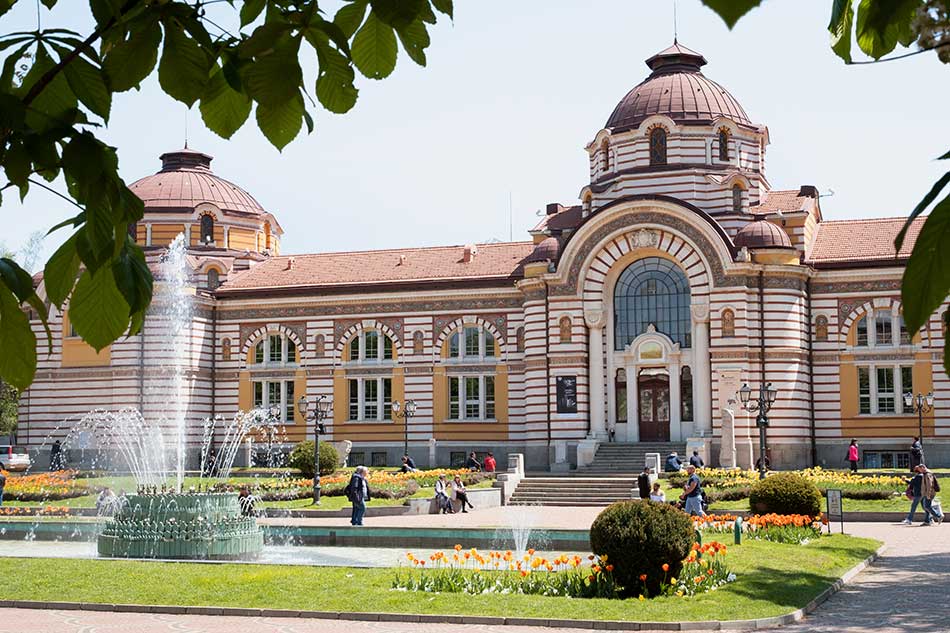
Quick Facts About Bulgaria
Capital: Sofia
Population: ~7 million
Currency: Euro
Language: Bulgarian
Region: Southeastern Europe
Famous for: yogurt, rose oil, history, mountains
What Are Some Surprising Facts About Bulgaria?
1. Bulgaria Is One of the Oldest Countries in Europe
Bulgaria was officially founded in 681 AD, making it one of the oldest countries in Europe whose name has remained unchanged since its creation.
Bulgaria’s long history makes it one of the few nations in Europe with continuous statehood since the early medieval period. This stability has allowed the country to preserve its cultural identity and traditions for over a millennium.
2. Bulgaria Never Changed Its Name
Unlike many countries that changed names throughout history, Bulgaria has kept the same name since it was established more than 1,300 years ago.
This continuity reflects a strong national identity that has endured through wars, empires, and political changes. It is a rare example of historical consistency in a region that has experienced many transformations.
3. The Cyrillic Alphabet Originated in Bulgaria
The Cyrillic alphabet, used by over 250 million people worldwide, was developed in the First Bulgarian Empire by the disciples of Saints Cyril and Methodius.
This writing system played a major role in spreading literacy and education across Eastern Europe. Today, it remains one of the most widely used alphabets in the world, influencing communication across multiple countries.
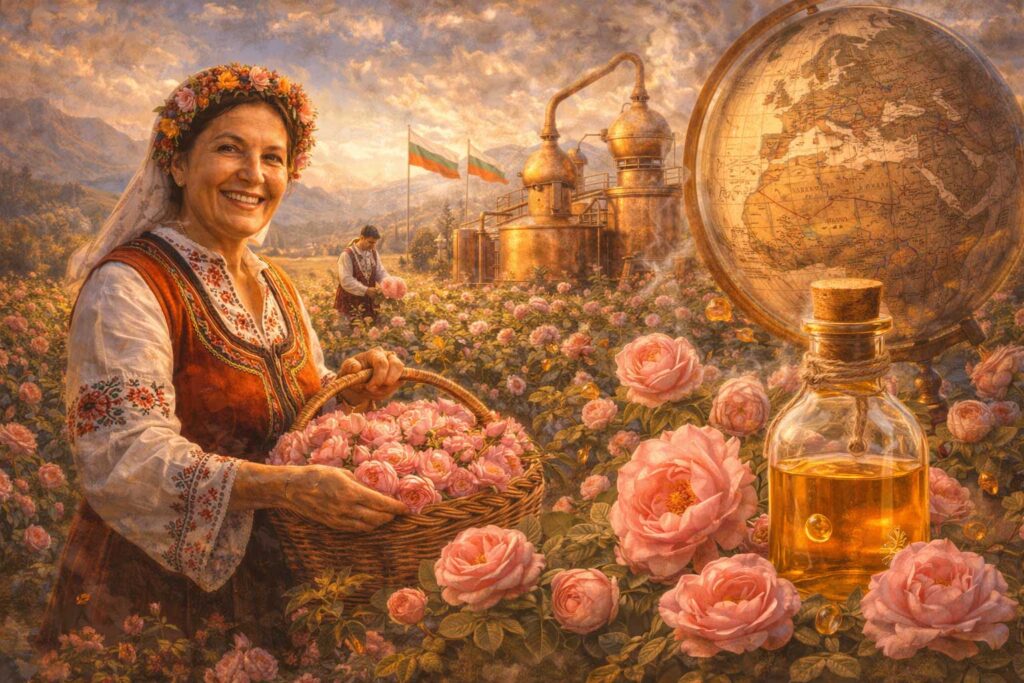
4. Bulgaria Is One of the Largest Producers of Rose Oil
The Rose Valley near Kazanlak produces about 70% of the world’s rose oil, used in many luxury perfumes.
Bulgarian rose oil is considered among the highest quality in the world. The production of rose oil is deeply tied to Bulgarian culture and economy. The annual Rose Festival attracts visitors from around the world, celebrating this centuries-old tradition.
Learn more about Bulgarian culture and history in our detailed guides.
5. Bulgaria Is Home to One of Europe’s Oldest Gold Treasures
The Varna Gold Treasure, discovered near the Black Sea city of Varna, dates back more than 6,000 years, making it one of the oldest processed gold treasures in the world.
The Varna treasure provides valuable insight into early human civilization and craftsmanship. It shows that advanced metalworking existed far earlier than previously believed.
These surprising facts about Bulgaria show how ancient civilizations in the region contributed to global history.
6. Bulgaria Has Its Own Yogurt Bacteria
The famous Bulgarian yogurt contains a unique bacterium called Lactobacillus bulgaricus, which plays an important role in fermentation.
This bacterium was first identified by Bulgarian scientist Stamen Grigorov.
This discovery helped establish Bulgaria as a global leader in probiotic research. Today, Bulgarian yogurt is recognized worldwide for its health benefits and unique taste.
7. Bulgarians Nod for “No” and Shake for “Yes”
One of the most surprising cultural differences is that Bulgarians traditionally nod their heads to say “no” and shake them to say “yes.”
This confuses many visitors.
This cultural difference highlights how communication varies across regions. Visitors often find this custom both confusing and fascinating when interacting with locals.
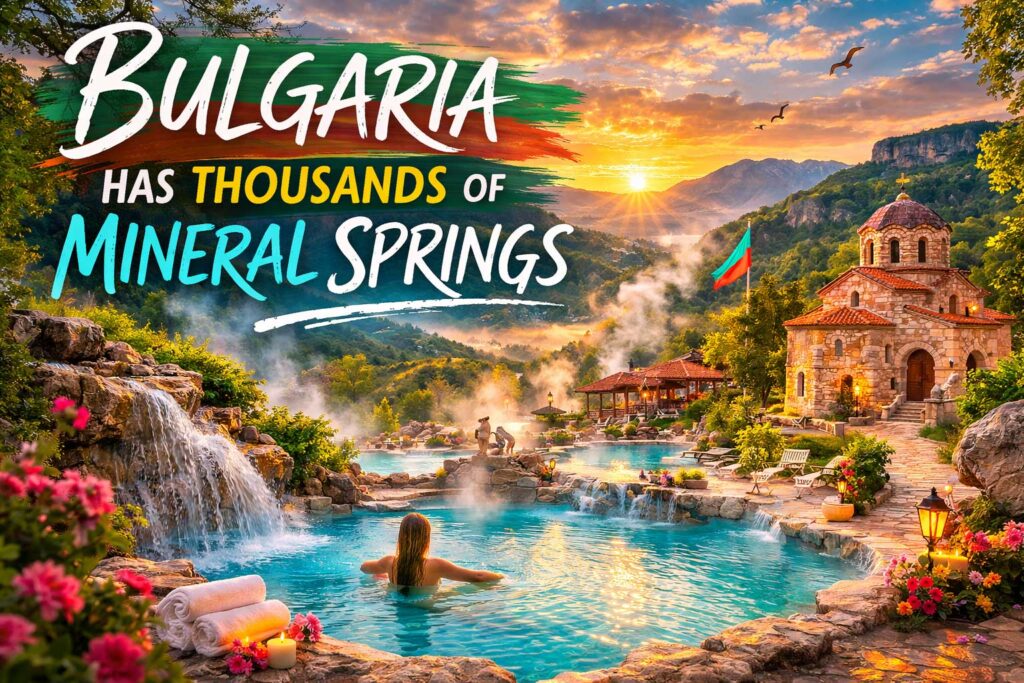
8. Bulgaria Has More Than 7,000 Mineral Springs
Bulgaria ranks among the countries with the highest number of natural mineral springs in Europe.
Many towns developed around these natural spa resources.
These natural resources have made Bulgaria a popular destination for spa tourism. Many of these mineral waters are believed to have healing properties and are used in wellness treatments.
These surprising facts about Bulgaria highlight the country’s deep historical roots and global influence.
9. The Oldest European City May Be in Bulgaria
The city of Plovdiv is considered one of the oldest continuously inhabited cities in Europe, with a history dating back more than 8,000 years.
Plovdiv’s long history is reflected in its architecture, which includes Roman theaters and ancient ruins. The city continues to be an important cultural and artistic center today.
10. Bulgaria Was Once One of Europe’s Most Powerful Empires
During the reign of Simeon I of Bulgaria, Bulgaria became one of the largest and most powerful states in Europe.
This period is known as the Golden Age of Bulgarian culture.
During its peak, Bulgaria influenced politics, culture, and religion across the region. This era helped shape the country’s identity and contributed to its lasting legacy.
Many of these surprising facts about Bulgaria reveal the country’s powerful influence during medieval times.

11. Bulgaria Has Sent Astronauts to Space
Two Bulgarians have traveled to space:
- Georgi Ivanov (1979) – Bulgaria’s First Astronaut
- Alexander Alexandrov (1988)
This achievement highlights Bulgaria’s contributions to space exploration during the 20th century. It also reflects the country’s involvement in international scientific programs.
12. Bulgaria Is One of Europe’s Biodiversity Hotspots
Bulgaria contains thousands of plant and animal species due to its diverse landscapes that include mountains, forests, rivers, and coastline.
The country’s varied landscapes create ideal conditions for diverse ecosystems. Bulgaria is home to rare species that cannot be found in many other parts of Europe.
13. Bulgaria Has Three National Mountain Ranges
The country is famous for its mountains:
- Rila Mountains
- Pirin Mountains
- Rhodope Mountains
These ranges offer some of the most beautiful landscapes in Europe.
These mountains are not only beautiful but also important for tourism and outdoor activities. Hiking, skiing, and nature exploration attract visitors year-round.
14. Bulgaria Has a Unique Folk Music Tradition
Bulgarian folk music is known for its complex rhythms and unusual time signatures, such as 7/8 or 11/16.
Bulgarian folk songs were even included on the Voyager Golden Record, which was sent into space in 1977.
Bulgarian music stands out globally because of its complex rhythms and harmonies. It has influenced musicians and composers around the world.
15. Bulgaria Is Famous for Thracian Treasures
The ancient Thracian civilization left behind remarkable gold treasures discovered in archaeological sites across the country.
These artifacts reveal sophisticated craftsmanship thousands of years old.
These discoveries reveal the richness of ancient Thracian culture and its artistic achievements. They are considered some of the most valuable archaeological finds in Europe.
These surprising facts about Bulgaria demonstrate the richness of its archaeological and cultural heritage.

16. Bulgaria’s Alphabet Is Used Across Eurasia
The Cyrillic script developed in Bulgaria is now used in many countries across Europe and Asia.
It is one of the three official alphabets of the European Union.
The widespread use of Cyrillic demonstrates Bulgaria’s lasting cultural influence. It continues to play a key role in communication and education across many nations.
17. Bulgaria Has One of the Oldest Monasteries in Europe
The famous Rila Monastery was founded in the 10th century and remains one of the country’s most important cultural landmarks.
Rila Monastery is not only a religious site but also a symbol of Bulgarian identity. It has preserved art, literature, and spiritual traditions for centuries.
18. Bulgaria Has a Rich Wine Tradition
Wine production in Bulgaria dates back to ancient Thracian times.
The country is known for traditional grape varieties such as Mavrud and Melnik.
Bulgarian wines are gaining international recognition for their quality and unique flavors. The country’s wine heritage dates back thousands of years.
19. Bulgaria Has More Archaeological Sites Than Many European Countries
Thousands of ancient sites exist throughout the country, including Roman theaters, Thracian tombs, and medieval fortresses.
These sites provide valuable information about ancient civilizations that lived in the region. Ongoing discoveries continue to reshape our understanding of history.
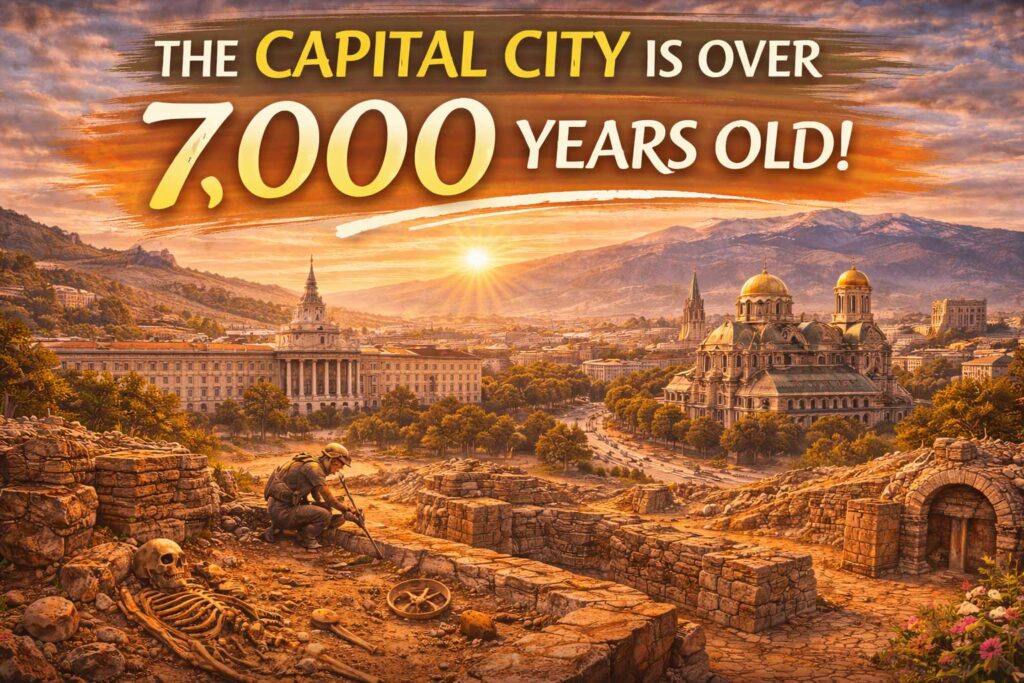
20. Bulgaria’s Capital Is One of Europe’s Oldest Cities
The capital Sofia is one of the oldest cities in Europe, with a history of over 7,000 years.
Sofia’s long history is visible in its mix of ancient ruins and modern development. The city reflects the layers of civilizations that have shaped it.
21. Bulgaria Has Beautiful Black Sea Beaches
The country’s eastern coast offers hundreds of kilometers of beaches along the Black Sea.
Many resorts attract visitors from across Europe.
These coastal areas are popular for both relaxation and tourism. The region offers a mix of natural beauty and modern resorts.
22. Bulgaria Is Known for Traditional Festivals
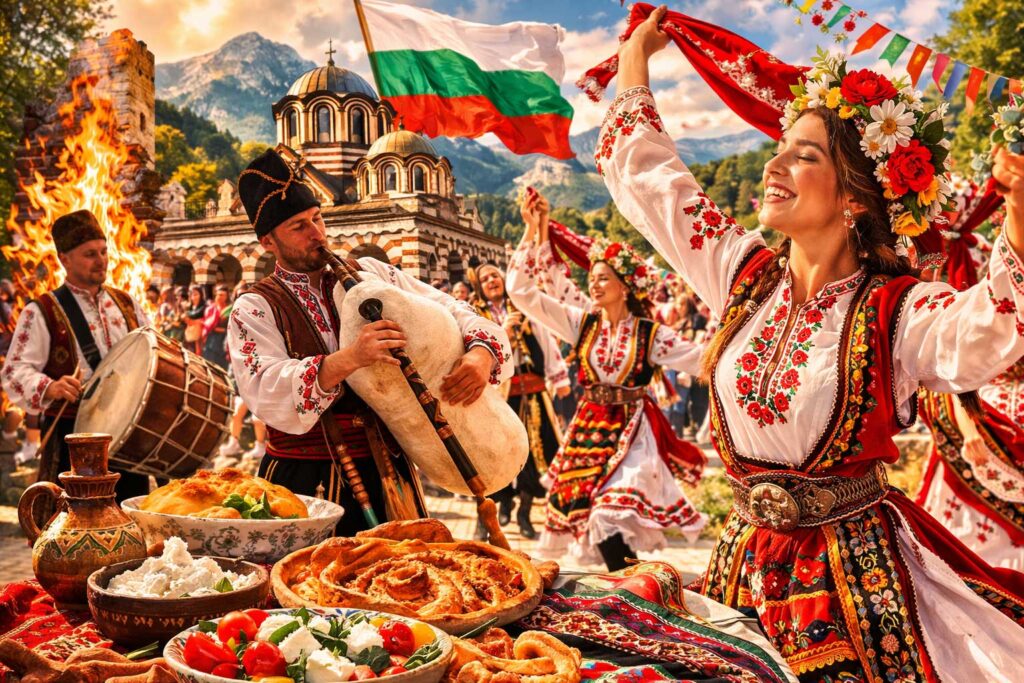
Festivals such as Kukeri, where people wear elaborate masks and costumes to chase away evil spirits, are part of ancient Bulgarian traditions.
These festivals preserve ancient customs and connect modern society with its roots. They are an important part of Bulgaria’s cultural identity.
23. Bulgaria Has One of the Highest Numbers of Archaeological Discoveries in Europe
Archaeologists continue to uncover ancient settlements, artifacts, and treasures across the country every year.
The constant discoveries show that Bulgaria’s history is still being uncovered. This makes it an exciting place for researchers and historians.
24. Bulgaria Produced One of the First Electronic Computers
Bulgarian-born scientist John Vincent Atanasoff helped develop one of the earliest electronic digital computers.
This contribution highlights Bulgaria’s role in the development of modern technology. It demonstrates how Bulgarian innovation has influenced the digital world.
25. Bulgaria Has a Unique Blend of Cultures
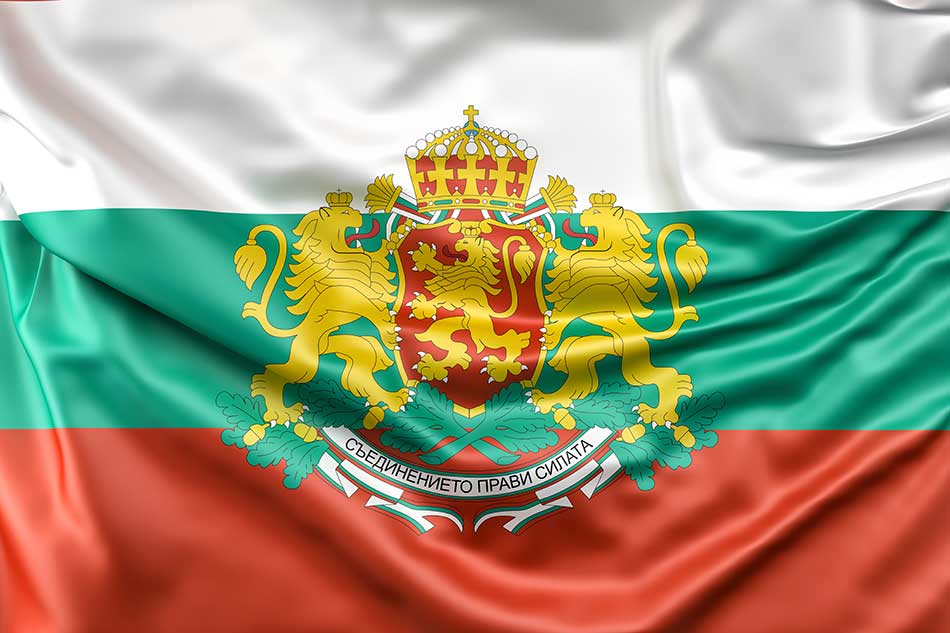
One of the most surprising facts about Bulgaria most people don’t know is the country’s rich and diverse cultural identity. Over thousands of years, Bulgaria has been influenced by several civilizations, each leaving a lasting mark on its traditions, architecture, language, and customs.
Bulgarian culture reflects a unique blend of influences from:
- The Thracians, known for their ancient mythology, gold treasures, and artistic craftsmanship
- The Slavs, who shaped the Bulgarian language, folklore, and many cultural traditions
- The Byzantine Empire, which influenced religion, architecture, and Orthodox Christian traditions
- The Ottoman Empire, which left traces in cuisine, music, and certain architectural styles
Because of this mixture of historical influences, Bulgaria developed a distinctive cultural identity that combines ancient traditions with modern European culture. Visitors can see these influences in everything from historic churches and monasteries to traditional music, festivals, and local cuisine.
This rich cultural heritage is one of the most surprising facts about Bulgaria most people don’t know, demonstrating how centuries of cultural interaction helped shape the country’s unique national character.
This diversity makes Bulgaria culturally rich and historically complex. It is one of the reasons the country offers such a unique experience for visitors.
These surprising facts about Bulgaria prove that the country has played a much larger role in global history than most people realize.
Frequently Asked Questions About Bulgaria
What is Bulgaria known for?
Bulgaria is known for its rich history, the Cyrillic alphabet, yogurt, rose oil production, and ancient archaeological discoveries.
Is Bulgaria one of the oldest countries?
Yes, Bulgaria was founded in 681 AD and is one of the oldest countries in Europe that has kept its original name.
What makes Bulgaria unique?
Bulgaria is unique because of its blend of ancient civilizations, cultural traditions, and contributions to science and technology.
Why is Bulgarian yogurt special?
Bulgarian yogurt contains Lactobacillus bulgaricus, a unique bacterium known for its health benefits.
These surprising facts about Bulgaria demonstrate how the country has influenced global history, culture, and science far beyond its size.
Conclusion
These facts about Bulgaria show why the country is one of Europe’s most unique destinations with an extraordinary past and a vibrant cultural heritage. From ancient archaeological discoveries and medieval empires to scientific breakthroughs and unique traditions, Bulgaria has contributed much more to global history than many people realize.
By learning about these surprising facts about Bulgaria, we gain a deeper appreciation for Bulgaria’s role in shaping European culture and world history.