


Bulgaria is a European country located in Southeast Europe, south of Romania. In recent years, the country has become increasingly popular for its wide variety of attractions and historic sites, such as Veliko Tarnovo, Plovdiv, and Sofia. Here we share over 30 facts about Bulgaria. Many of them are less well-known even in the country itself.
Bulgaria is an extremely affordable and beautiful country for tourists with lovely villages, amazing nature, delicious food, and friendly people. The country is famous for its rich history and well-preserved traditions that have been maintained for hundreds of years. Although Bulgaria is not yet as widely known worldwide, this is quickly changing.
Bulgaria is also known worldwide for its unique food culture, especially its probiotic-rich yogurt. Learn more in our guide to Bulgarian Yogurt: History and Health Benefits.
In this comprehensive guide, we explore 30+ fascinating facts about Bulgaria — including history, science, traditions, and surprising global contributions.
Here are some of the top 30+ facts about Bulgaria.
Despite its relatively low global visibility compared to destinations like Italy or France, Bulgaria is rapidly emerging as a must-visit country. From the cobbled streets of Plovdiv to the historic hills of Veliko Tarnovo and the vibrant capital Sofia, the country is packed with cultural treasures and unforgettable experiences.
Historical Facts About Bulgaria
1. One of the Oldest Countries in Europe
Bulgaria was officially established in 681 AD, making it one of the oldest continuously existing countries in Europe. Unlike many nations, it has preserved its original name throughout its history.
2. Bulgaria Has Never Changed Its Name
Bulgaria has never changed its name, making it one of the few countries in Europe to maintain its original identity since its founding.
3. A Treasure Trove of Ancient Civilizations
Bulgaria ranks third in Europe (after Italy and Greece) in archaeological treasures. The land has been home to Thracians, Romans, Byzantines, and Slavs.
4. The Thracians and Spartacus
The legendary gladiator Spartacus is believed to have been born in the region of ancient Thrace, part of modern Bulgaria.
5. The Oldest Gold Treasure in the World
The Varna Gold Treasure, discovered near Varna, dates back over 6,000 years, making it the oldest processed gold ever found.
Religion & Cultural Identity

6. One of the Oldest Orthodox Traditions
The Alexander Nevsky Cathedral is one of the largest Eastern Orthodox cathedrals in the world and a symbol of Bulgaria’s spiritual heritage.
7. The Cyrillic Alphabet’s Global Impact
With Bulgaria joining the EU in 2007, the Cyrillic alphabet became the third official script of the European Union, alongside Latin and Greek.
8. Unique Ancient Calendar
In 1976, UNESCO recognized the ancient Bulgarian calendar as one of the most accurate in the world.
Cities & Geography
9. Plovdiv – Europe’s Oldest Living City
Plovdiv is considered the oldest continuously inhabited city in Europe, older than Rome and Athens.
10. Sofia’s Unique Location
Sofia is one of the few capitals in the world located just minutes from a mountain — Vitosha Mountain.
11. Musala – The Highest Peak in the Balkans
Musala Peak rises to 2,925 meters, making it the highest point on the Balkan Peninsula.
12. Forests Cover One-Third of the Country
Bulgaria is rich in nature, with forests covering nearly 30% of its territory.
Nature & Biodiversity
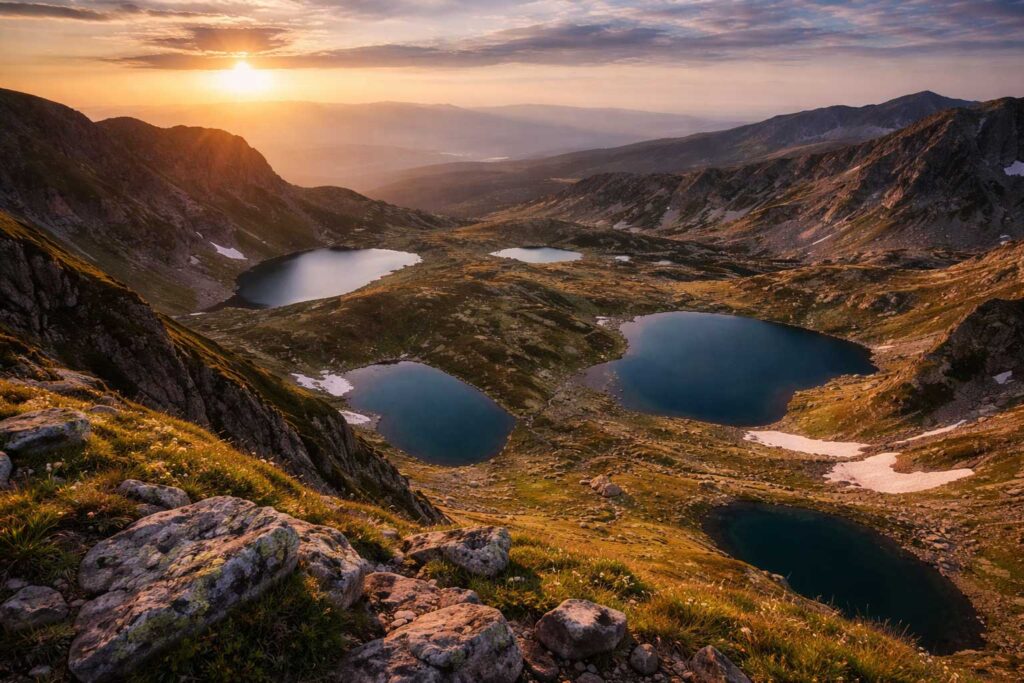
13. A Biodiversity Hotspot
Bulgaria ranks third in Europe for biodiversity, with many rare and endemic species.
14. Mineral Springs Paradise
Second only to Iceland, Bulgaria has one of the highest numbers of natural mineral springs in Europe.
15. 9 UNESCO World Heritage Sites
Bulgaria has 9 UNESCO sites, including:
- Rila Monastery
- Ancient City of Nessebar
- Boyana Church
- Pirin National Park
Unique Bulgarian Contributions to the World
16. The Rose Oil Capital of the World
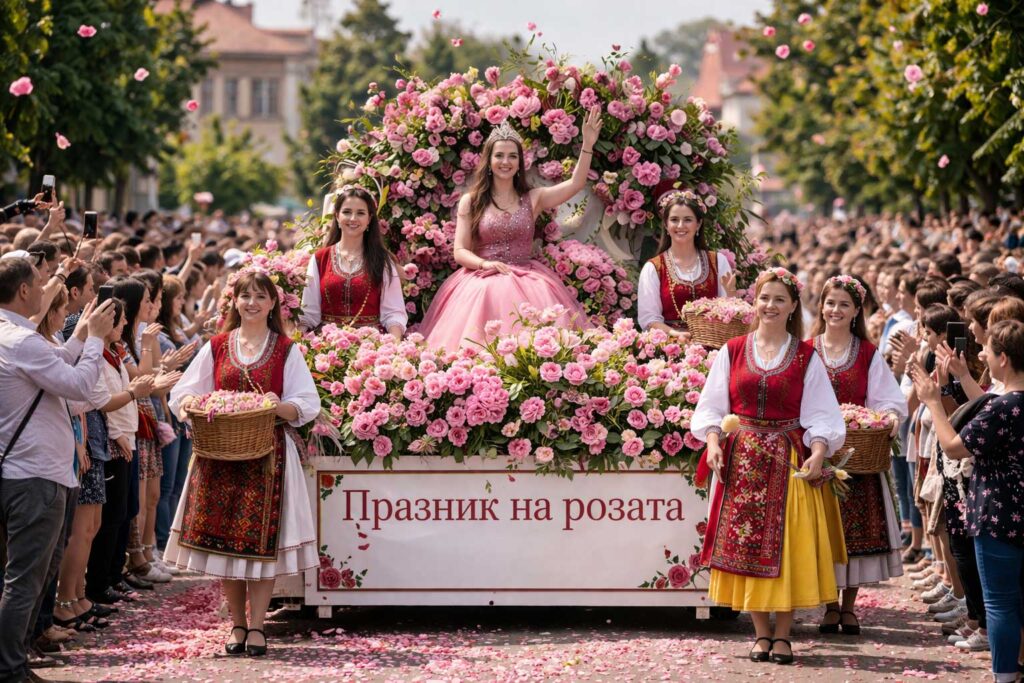
The Rose Valley produces 85% of the world’s rose oil, used in luxury perfumes.
17. Bulgarian Yogurt & Probiotics
The bacterium Lactobacillus bulgaricus gives Bulgarian yogurt its unique taste and health benefits.
18. A Song in Space
The Bulgarian folk song “Izlel e Delyu Haydutin” was included on the Voyager 1 Golden Record.
19. The First Electronic Computer
John Vincent Atanasoff, of Bulgarian origin, co-invented the first electronic digital computer.
20. The Digital Wristwatch
Peter Petroff contributed to the development of the first digital wristwatch.
Military & Innovation
21. First Air-Dropped Bomb
Simeon Petrov developed the first air-dropped bomb in 1912.
22. First Woman in Military Flight
Rayna Kasabova became the first woman to participate in a military flight.
23. Bulgarian Military Legacy
The Bulgarian army has a long-standing reputation for discipline and resilience, symbolized by its historical record of preserving its battle flags.
Culture & Traditions
24. The Gaida (Bulgarian Bagpipe)
The gaida is Bulgaria’s traditional bagpipe, similar to instruments in Scotland and Ireland but with a unique sound.
25. Baba Marta & Martenitsa
On March 1st, Bulgarians celebrate Baba Marta by exchanging red-and-white bracelets called martenitsa.
26. Name Days Matter More Than Birthdays
In Bulgaria, name days tied to saints are often celebrated even more than birthdays.
27. Trifon Zarezan – Wine Day
Instead of Valentine’s Day, Bulgarians celebrate Trifon Zarezan on February 14 — honoring wine and vineyards.
Food and traditions go hand in hand in Bulgaria. Discover traditional morning dishes and customs in our guide to Traditional Bulgarian Breakfast Foods.
Sports & Achievements
28. 1994 World Cup Success
The Bulgaria national football team finished 4th in the 1994 FIFA World Cup.
29. Stefka Kostadinova’s World Record
Stefka Kostadinova holds the high jump world record (2.09 m) since 1987.
Modern Bulgaria
30. Fast Internet Speeds
Bulgaria consistently ranks among countries with the fastest internet in Europe.
31. Affordable Travel Destination
Cities like Sofia are among the most affordable capitals in Europe.
32. Tourism Variety
Bulgaria has:
- 26 seaside resorts
- 56 mountain resorts
- 58 spa resorts
33. Strong Education System
Bulgaria ranks high globally in university education per capita.
National Identity & Symbols
34. The Bulgarian Flag Meaning
The Bulgarian flag consists of:
- White → peace & hope
- Green → nature & agriculture
- Red → courage & sacrifice
Lesser-Known & Fun Facts
35. Bulgarian Women Are Known for Beauty
Bulgaria is often ranked among countries with some of the most beautiful women in the world.
36. A Hidden European Gem
Despite its richness in culture, Bulgaria is still underexplored — making it one of Europe’s best-kept secrets.
Why Bulgaria Is Becoming a Top Travel Destination
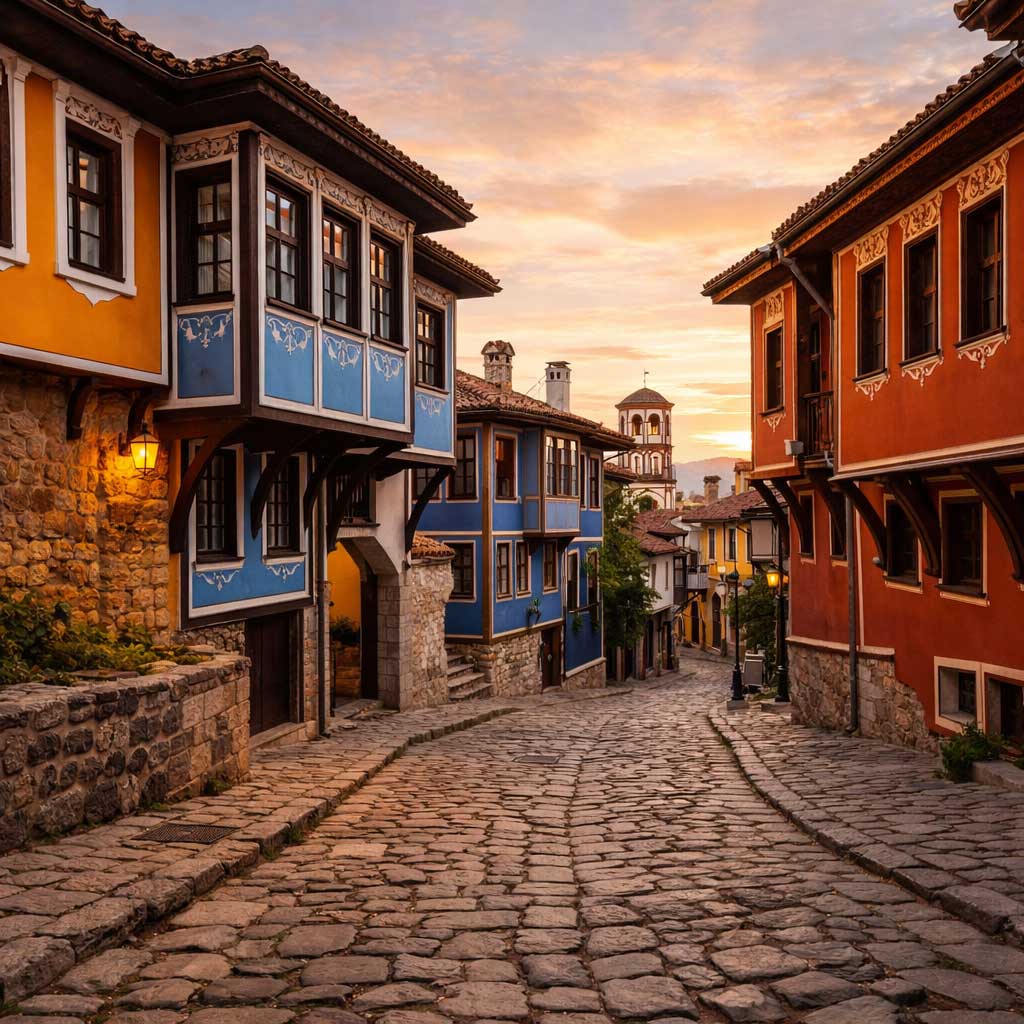
Bulgaria offers something rare:
- Ancient history
- Affordable prices
- Diverse landscapes
- Authentic culture
Whether you’re exploring monasteries, hiking mountains, relaxing at the Black Sea, or enjoying traditional food, Bulgaria delivers an unforgettable experience.
Bulgaria vs Other European Destinations
Bulgaria is often compared to popular European destinations like Greece, Italy, and Spain. However, what makes Bulgaria unique is its ability to offer a similar experience at a fraction of the cost.
While countries like Italy are known for history and Greece for beaches, Bulgaria combines both — along with mountains, mineral springs, and deep-rooted traditions.
Unlike Western Europe, Bulgaria tourism remains less crowded, allowing travelers to enjoy authentic experiences without long lines or inflated prices.
For travelers seeking value, culture, and diversity, Bulgaria stands out as one of the best destinations in Europe.
Cost of Traveling in Bulgaria
One of the biggest advantages of visiting Bulgaria is affordability.
Compared to Western Europe, Bulgaria travel costs are significantly lower:
- Meals at restaurants are affordable
- Accommodation is budget-friendly
- Transportation is cheap and accessible
- Attractions often have low entrance fees
This makes Bulgaria ideal for:
- Budget travelers
- Digital nomads
- Long-term stays
Cities like Sofia offer a high quality of life at a fraction of the cost compared to other European capitals.
A Brief Bulgaria Travel Guide for First-Time Visitors
If you’re new to Bulgaria travel, knowing where to start can make all the difference. The country offers a wide range of experiences packed into a relatively small area, making it perfect for both short trips and longer explorations.
Top Places to Visit in Bulgaria
- Sofia – The capital city, known for its mix of Roman ruins, Orthodox churches, and modern culture
- Plovdiv – The oldest city in Europe, famous for its Old Town and Roman theatre
- Veliko Tarnovo – A medieval capital with dramatic fortress views
- Nessebar – A UNESCO-listed coastal town with ancient ruins
This diversity makes Bulgaria one of the most underrated destinations in Europe.
From Bulgarian yogurt benefits and traditional cuisine to rich history and modern tourism, Bulgaria offers a complete cultural experience unlike any other European destination.
Bulgarian Traditions That Still Exist Today
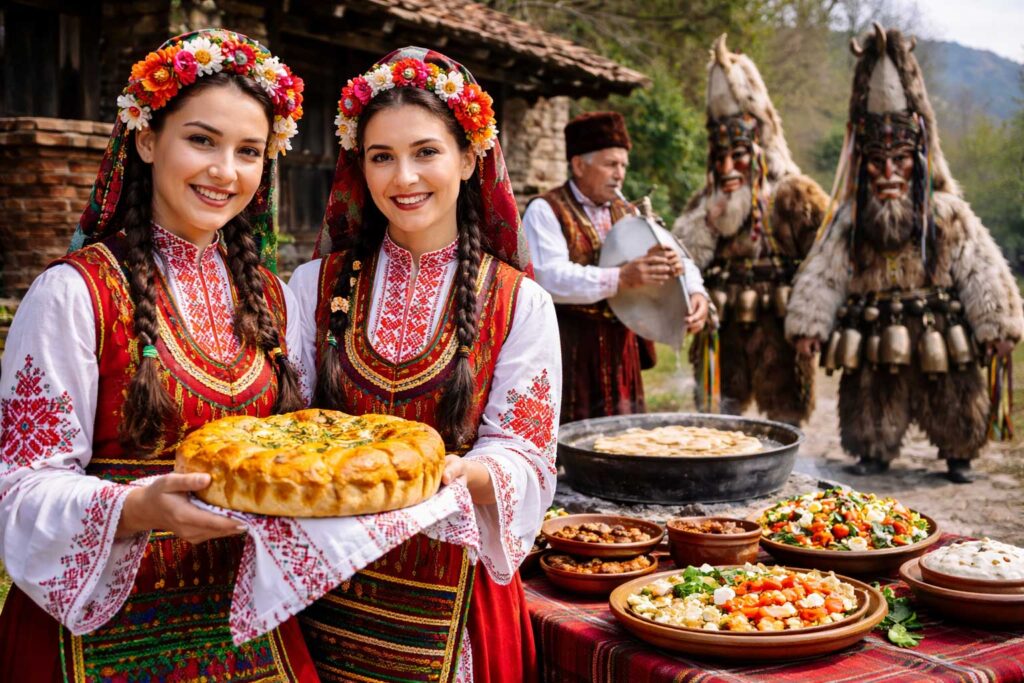
One of the most fascinating aspects of Bulgarian traditions is how well they are preserved.
Unlike many countries where traditions fade over time, Bulgaria continues to celebrate customs that date back centuries.
Key Traditions:
- Horo dance – A traditional group dance performed at celebrations
- Kukeri festivals – Rituals meant to scare away evil spirits
- Martenitsa – Red-and-white bracelets symbolizing health and renewal
- Traditional weddings – Rich in symbolism, music, and costumes
These traditions are not just for tourists — they are still part of everyday life.
Bulgarian Cuisine: More Than Just Food

Bulgaria food culture goes far beyond simple meals — it is deeply tied to identity, family, and tradition.
Meals are often shared, slow, and social. Food is not just nourishment but a way to connect with others.
Why Bulgarian Food Stands Out:
- Uses fresh, seasonal ingredients
- Combines Balkan, Mediterranean, and Slavic influences
- Focuses on balance between meat, vegetables, and dairy
One of the most important elements is yogurt, thanks to Lactobacillus bulgaricus, which contributes to the famous Bulgarian yogurt benefits.
If you want to explore more traditional dishes, check out our complete guide to Bulgarian Cuisine: Complete Food Guide.
Mountains, Beaches, and Everything in Between
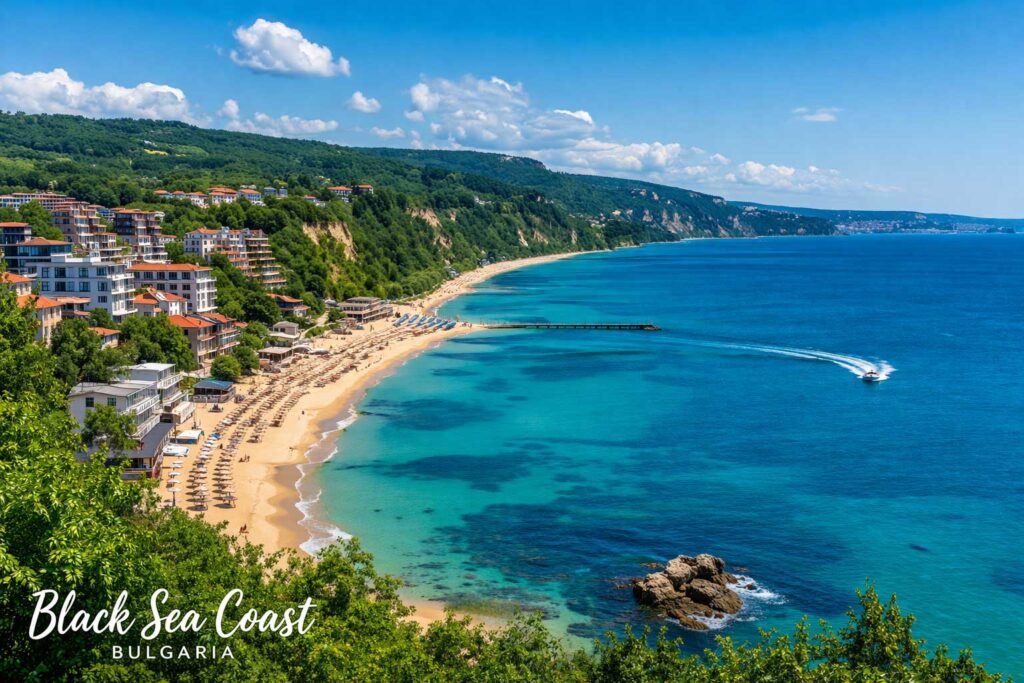
When it comes to Bulgaria nature, few countries in Europe offer such diversity.
Landscapes You Can Explore:
- Mountains – Rila, Pirin, and the Rhodopes
- Beaches – Black Sea coast with golden sand
- Villages – Traditional architecture and peaceful life
- Forests – Rich ecosystems and wildlife
This makes Bulgaria ideal for:
- Hiking
- Skiing
- Beach vacations
- Eco-tourism
Bulgaria Tourism Is Rapidly Growing
In recent years, Bulgaria tourism has seen significant growth as more travelers discover its value.
Reasons why tourists love Bulgaria:
- Affordable prices compared to Western Europe
- Rich culture and traditions
- Safe and welcoming environment
- Variety of destinations (mountains, sea, cities)
Cities like Sofia are becoming top picks for digital nomads and travelers looking for budget-friendly European capitals.
Bulgarian Inventions That Changed the World
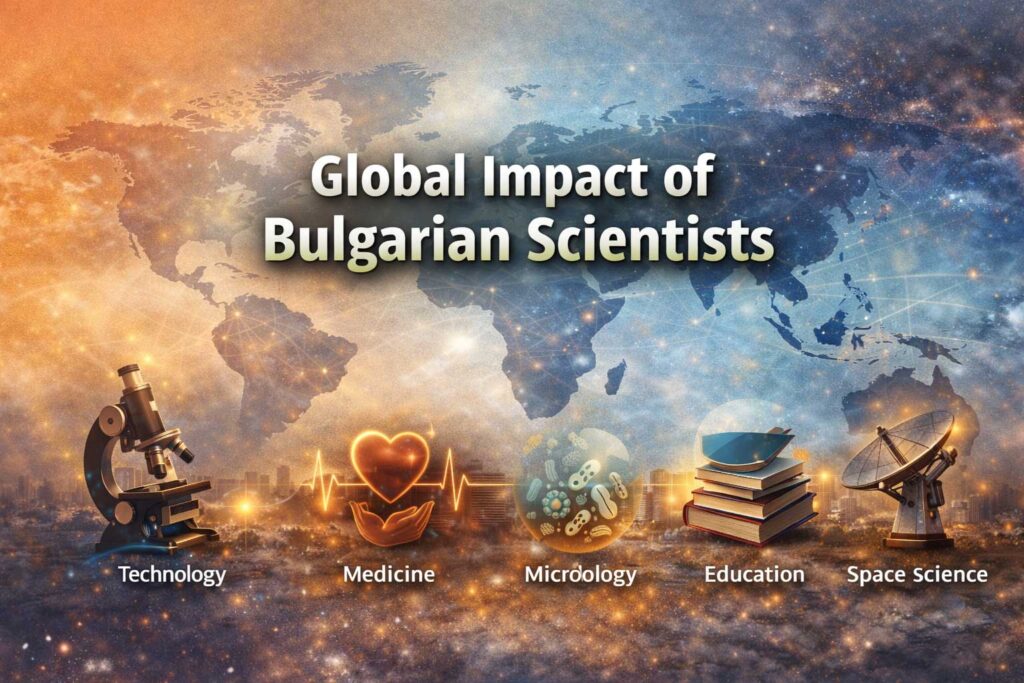
Many people are surprised to learn about Bulgarian inventions that have had global impact.
Notable contributions include:
- The first electronic digital computer (by John Vincent Atanasoff)
- The development of the digital wristwatch
- Innovations in aviation and engineering
These achievements highlight Bulgaria’s role in science and technology.
Why You Should Visit Bulgaria Now
If you’re planning your next trip, a Bulgaria travel guide would strongly recommend visiting before it becomes overcrowded like other European destinations.
Bulgaria offers:
- Authentic culture
- Lower costs
- Stunning landscapes
- Deep historical roots
Whether you’re into food, history, or nature, Bulgaria has something for everyone.
Bulgaria in the Modern World
While Bulgaria is known for its history, it is also rapidly developing as a modern European country.
Modern Highlights:
- One of the fastest internet speeds in Europe
- Growing tech and startup ecosystem
- Popular destination for digital nomads
- Affordable cost of living
Cities like Sofia are becoming hubs for remote workers and entrepreneurs.
Bulgaria by the Numbers
This section adds authority + SEO + readability 👇
- Population: ~6.5 million
- Capital: Sofia
- Currency: Bulgarian Lev (BGN)
- EU Member since: 2007
- UNESCO Sites: 9
- Forest Coverage: ~30%
- Rose Oil Production: ~85% of global supply
These numbers highlight Bulgaria’s global significance despite its size.
Interesting Bulgaria Facts Most People Miss
Even beyond the well-known facts, there are many interesting facts about Bulgaria that surprise visitors:
- Bulgarians nod their head for “no” and shake for “yes”
- Some of the oldest European monasteries are still active
- Bulgaria has over 40,000 cultural monuments
- It is one of the cheapest destinations in Europe
These small details make traveling in Bulgaria a unique experience.
Bulgarian Heritage and Identity
Bulgarian heritage is one of the richest in Europe, shaped by centuries of history, tradition, and resilience.
From ancient Thracian civilizations to medieval empires and modern European integration, Bulgaria has maintained a strong cultural identity.
Key elements of Bulgarian identity include:
- Orthodox Christianity
- Traditional music and dance
- Folklore and mythology
- Strong family values
This deep connection to heritage is visible in everyday life, from festivals to cuisine and architecture.
Why Bulgaria Is Gaining Global Attention
In recent years, Bulgaria has started gaining recognition on the global stage.
Several factors are driving this growth:
- Increasing interest in Bulgaria travel
- Social media exposure
- Rising popularity of Eastern Europe
- Growth of remote work and digital nomads
More travelers are now searching for interesting facts about Bulgaria, discovering its rich culture, history, and natural beauty.
As awareness grows, Bulgaria is quickly transforming from a hidden gem into a major European destination.
Bulgaria Facts FAQ: Everything You Need to Know
What is Bulgaria famous for?
Bulgaria is famous for its rich history, traditional food, rose oil production, yogurt, and ancient cities like Plovdiv.
Is Bulgaria good for tourists?
Yes, Bulgaria is one of the best affordable travel destinations in Europe, offering culture, nature, and history.
What is unique about Bulgaria?
Its combination of ancient traditions, natural beauty, and modern affordability makes it unique.
Is Bulgaria expensive to visit?
No, Bulgaria is considered one of the most affordable countries in Europe.
What language is spoken in Bulgaria?
The official language of Bulgaria is Bulgarian, which uses the Cyrillic alphabet. It is one of the oldest written Slavic languages still in use today.
Is Bulgaria part of the European Union?
Yes, Bulgaria joined the European Union in 2007. This membership strengthened Bulgaria’s economy, increased tourism, and opened the country to international investment and cultural exchange.
What is the best time to visit Bulgaria?
The best time for Bulgaria travel depends on your interests:
- Summer (June–August): Beaches and festivals
- Winter (December–March): Ski resorts
- Spring/Fall: Ideal for sightseeing and nature
Is Bulgaria safe for tourists?
Yes, Bulgaria is considered a safe country for tourists. Like anywhere, basic precautions should be taken, but crime rates are relatively low.
What currency is used in Bulgaria?
Bulgaria uses the Bulgarian Lev (BGN), not the Euro, although it is expected to adopt the Euro in the future.
What are the most famous foods in Bulgaria?
Some of the most popular dishes in Bulgarian cuisine include:
- Shopska salad
- Banitsa
- Kebapche
- Bulgarian yogurt
A must-try dish is the famous Shopska salad. Learn how to make it in our Shopska Salad Recipe Guide.
Why is Bulgarian yogurt unique?
Bulgarian yogurt is unique because it contains the bacterium Lactobacillus bulgaricus, which gives it its distinctive taste and health benefits.
What are the top tourist attractions in Bulgaria?
Top attractions include:
- Sofia (capital city)
- Plovdiv (oldest city in Europe)
- Rila Monastery
- Black Sea coast
Is Bulgaria cheap to visit?
Yes, Bulgaria is one of the most affordable countries in Europe, making it ideal for budget travelers.
Bulgaria is a country that blends ancient history with modern life, offering a unique experience for travelers and history lovers alike. From Bulgaria history facts and Bulgarian traditions to Bulgaria tourism and Bulgaria food culture, the country continues to grow in popularity.
Whether you’re exploring historic cities, tasting traditional dishes, or discovering breathtaking landscapes, Bulgaria delivers a complete and unforgettable journey.
References
- National Statistical Institute of Bulgaria. https://www.nsi.bg/en
- Central Intelligence Agency. “The World Factbook: Bulgaria.” https://www.cia.gov/the-world-factbook/countries/bulgaria/
- European Union. “Bulgaria Country Profile.” https://european-union.europa.eu/principles-countries-history/country-profiles/bulgaria_en
- UNESCO World Heritage Centre. “World Heritage Sites in Bulgaria.” https://whc.unesco.org/en/statesparties/bg
- Encyclopaedia Britannica. “Bulgaria.” https://www.britannica.com/place/Bulgaria
- Bulgarian National Tourism Board. https://bulgariatravel.org/
- World Bank. “Bulgaria Overview.” https://www.worldbank.org/en/country/bulgaria
- NASA Jet Propulsion Laboratory. “Voyager Golden Record.” https://voyager.jpl.nasa.gov/golden-record/
- Bulgarian Academy of Sciences. Research and Publications.