


Bulgaria may be a relatively small country, but its contributions to global medicine are profound and far-reaching. Over the past century, Bulgarian scientists have made groundbreaking discoveries that have influenced everything from microbiology and cardiology to endocrinology and neuroscience.
Many Bulgarian scientists in medicine have contributed to discoveries that continue to shape global healthcare today. These innovators did not simply contribute to science—they reshaped how humanity understands health, disease, and treatment.
👉 Continue exploring → Bulgarian Science and Technology History.
From the discovery of beneficial bacteria in yogurt to revolutionary insights into hormone resistance and heart function, Bulgarian medical pioneers have left an enduring legacy that continues to impact millions of lives worldwide.
These discoveries continue to shape modern healthcare, from gut health and probiotics to hormone research and advanced surgical techniques.
👉 In this comprehensive guide, we explore the most important Bulgarian scientists who changed medicine—and why their work still matters today.
The Rise of Bulgarian Medical Science
The development of Bulgarian medical science accelerated rapidly in the late 19th and early 20th centuries, marking a transformative period in the country’s intellectual and scientific history. Following Bulgaria’s liberation in 1878, the nation began rebuilding not only its political and economic systems but also its educational and scientific infrastructure.
At a time when many countries were still forming their modern identities, Bulgaria made a strategic decision to prioritize education, science, and medical advancement. This decision would prove crucial in shaping a generation of thinkers who would later contribute to global breakthroughs.
A key milestone in this transformation was the establishment of Sofia University in 1888, which became the central hub for higher education, scientific research, and medical training in Bulgaria. The university attracted some of the brightest minds in the country and served as a bridge between Bulgarian academia and the broader European scientific community.
A New Scientific Generation

During this era, Bulgarian scholars pursued advanced education in Europe’s leading scientific centers, immersing themselves in cutting-edge research environments.
They studied in:
- France – home to the Pasteur Institute and pioneers of microbiology
- Germany – known for precision in chemistry and medical sciences
- Switzerland – a hub for experimental medicine and physiology
These institutions were at the forefront of scientific discovery, and Bulgarian students gained exposure to revolutionary ideas such as:
- Germ theory of disease
- Laboratory-based experimental science
- Early pharmacology and chemical medicine
👉 When they returned to Bulgaria, they didn’t just bring knowledge—they brought a scientific culture of experimentation, discipline, and innovation.
This cultural shift was critical. It transformed Bulgaria from a knowledge-importing country into a knowledge-producing nation.
Overcoming Limitations with Innovation
Unlike Western European countries, Bulgaria lacked:
- Advanced laboratory infrastructure
- Large research funding
- Industrial-scale pharmaceutical production
Yet, these limitations forced Bulgarian scientists to adopt a different approach—one that emphasized efficiency, creativity, and fundamental research.
Instead of relying on expensive equipment, they focused on:
- Observational precision
- Theoretical modeling
- Natural compounds and biological processes
👉 This is why many Bulgarian discoveries are foundational rather than incremental.
For example:
- Instead of developing complex synthetic drugs, scientists explored natural bioactive compounds
- Instead of large clinical trials, they focused on core biological mechanisms
This approach allowed them to achieve breakthroughs that rivaled those of far wealthier nations.
Foundations of Global Contributions
This early period of scientific development laid the groundwork for discoveries that would later shape modern medicine.
Some of the most important outcomes include:
- The identification of Lactobacillus bulgaricus
- Advances in plant-based pharmacology
- Early studies in hormone function and resistance
- Contributions to cardiology diagnostics
👉 These were not isolated discoveries—they were part of a growing ecosystem of scientific inquiry.
👉 For a broader perspective, explore → Bulgarian Science and Technology History
The Bulgarian Approach to Medical Innovation
One of the most unique aspects of Bulgarian medical science is its philosophy of innovation.
Rather than focusing solely on treatment, Bulgarian researchers often focused on:
- Understanding root biological processes
- Identifying natural health mechanisms
- Exploring the connection between nutrition and longevity
This is especially evident in the work of Stamen Grigorov, whose discovery connected diet directly to microbiology and health.
👉 This approach is now central to modern medicine, particularly in fields like:
- Gut health research
- Preventive medicine
- Functional medicine
Some links in this article are affiliate links, which means we may earn a commission if you make a purchase—at no additional cost to you. This helps support our site and allows us to continue creating high-quality content.
Recommended Books on Bulgarian Science & Medicine
💡 Why these matter: These books give historical and scientific context behind discoveries made by Bulgarian researchers.
These books provide deeper insight into the scientific breakthroughs discussed above.
| Product | Author | Focus Area | Best For | Price |
|---|---|---|---|---|
| History of Medicine: A Very Short Introduction | William Bynum | Medical history | Beginners | Check on Amazon |
| The Doctors: The History of Scientific Medicine Revealed | Sherwin B. Nuland | Evolution of medicine | Deep readers | Check on Amazon |
| Microbe Hunters | Paul de Kruif | Microbiology discoveries | Science enthusiasts | Check on Amazon |
| The Body: A Guide for Occupants | Bill Bryson | Human body science | General audience | Check on Amazon |
👉 Explore top-rated books on medical science, probiotics, and human health on Amazon →
Key Bulgarian Medical Discoveries
This article highlights some of the most important breakthroughs, including:
- Cardiovascular diagnostic advancements
- Probiotic bacteria discovery
- Alzheimer’s treatment compounds
- Hormone resistance research
Bulgarian Contributions to Preventive Medicine
Bulgarian medical science has long emphasized prevention rather than treatment—a philosophy that is now becoming central to modern healthcare worldwide.
Rather than focusing solely on curing diseases after they occur, Bulgarian researchers have explored ways to maintain health and prevent illness through natural and lifestyle-based approaches.
This includes:
- Fermented foods and gut health
- Natural plant-based compounds
- Balanced nutrition and longevity practices
One of the best examples is the discovery of probiotics, which showed that maintaining a healthy gut microbiome can strengthen immunity and reduce the risk of disease.
👉 This approach is now widely adopted in modern medicine, particularly in:
- Preventive healthcare
- Functional medicine
- Holistic wellness
Lab & Science Kits
These tools are perfect for beginners and science enthusiasts looking to explore microbiology.
| Product | Type | Skill Level | Key Feature | Price |
|---|---|---|---|---|
| Beginner Microscope Kit | Microscope | Beginner | 1200x zoom, slides included | Check on Amazon |
| Home Science Experiment Kit | Multi-kit | Kids/Beginner | 100+ experiments | Check on Amazon |
| Microbiology Lab Starter Kit | Lab kit | Intermediate | Bacteria growth tools | Check on Amazon |
| Chemistry Set for Teens & Adults | Chemistry | Intermediate | Advanced reactions | Check on Amazon |
👉 Explore beginner-friendly microbiology and science lab kits →
Stamen Grigorov – The Discovery That Changed Nutrition and Medicine
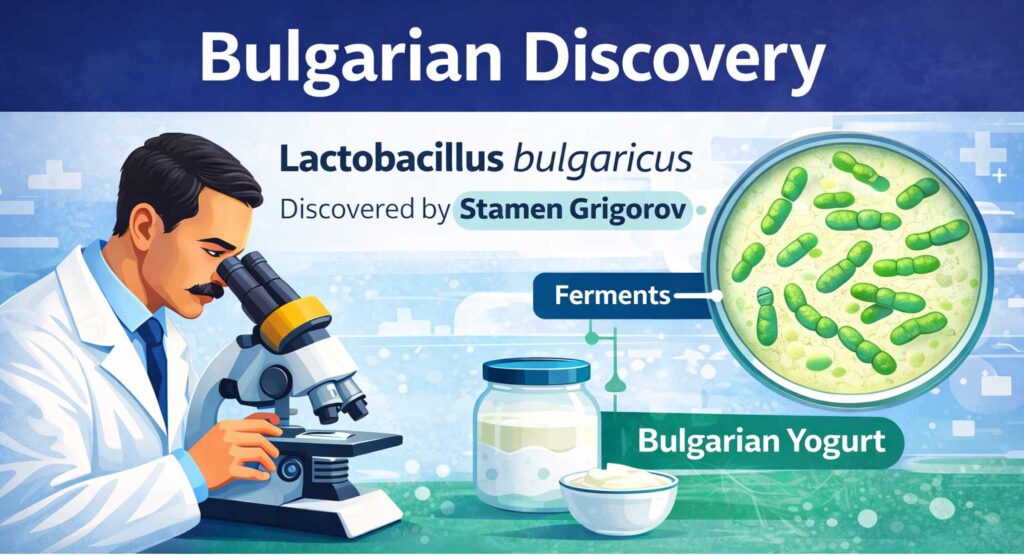
The Discovery of Lactobacillus bulgaricus
In 1905, Stamen Grigorov made one of the most important microbiological discoveries in history—the identification of Lactobacillus bulgaricus, the bacterium responsible for the fermentation of yogurt.
👉 To understand the full impact of this breakthrough, explore → Stamen Grigorov and the Discovery of Lactobacillus Bulgaricus.
At the time, this discovery was revolutionary. Scientists largely believed that bacteria were harmful organisms responsible only for disease. Grigorov’s work challenged this assumption and introduced the idea that certain microorganisms could actually benefit human health.
The Science Behind the Discovery
Grigorov demonstrated that yogurt fermentation is a controlled biological process driven by the interaction of two key bacteria:
- Lactobacillus bulgaricus
- Streptococcus thermophilus
These microorganisms work symbiotically to:
- Break down lactose into simpler compounds
- Produce lactic acid, which preserves the product
- Create the distinct texture and tangy flavor of yogurt
👉 This discovery marked one of the earliest scientific explanations of fermented food processes.
The Birth of Probiotic Science
Grigorov’s research laid the foundation for what we now call probiotics—live microorganisms that provide health benefits when consumed in adequate amounts.
👉 Explore more about its origins and benefits → Bulgarian Yogurt: History and Health Benefits
Today, probiotics are widely used to:
- Improve digestive health
- Strengthen the immune system
- Support the gut-brain connection and mental health
👉 This field has become one of the fastest-growing sectors in modern healthcare and nutrition.
Probiotics & Gut Health
Probiotic supplements based on this discovery are now widely used to support digestion, immunity, and overall health.
| Product | CFU Count | Key Benefit | Best For | Price |
|---|---|---|---|---|
| Garden of Life Once Daily | 50 Billion | Digestive + immune support | Daily use | Check on Amazon |
| Culturelle Digestive Daily | 12 Billion | Gut balance | Beginners | Check on Amazon |
| Renew Life Ultimate Flora | 30 Billion | Strong probiotic support | Sensitive digestion | Check on Amazon |
| NOW Foods Probiotic-10 | 25 Billion | 10 strains | Value option | Check on Amazon |
Choosing the right probiotic can significantly improve digestion and overall health.
👉 Compare top-rated probiotics for gut health, digestion, and immunity →
Global Influence and Scientific Legacy
Grigorov’s discovery had a profound influence on Ilya Metchnikoff, a Nobel Prize-winning scientist who later connected yogurt consumption with longevity and healthy aging.
This connection sparked worldwide interest in:
- Fermented foods
- Gut microbiota
- Preventive health through diet
👉 Today, the global probiotic industry is worth billions—and it all traces back to this breakthrough.
Why This Discovery Still Matters Today
More than a century later, Grigorov’s work remains highly relevant. Today, Lactobacillus bulgaricus is one of the most studied probiotic bacteria in the world.
Modern research continues to confirm that gut health plays a critical role in:
- Immune function
- Chronic disease prevention
- Mental well-being
👉 What began as a simple observation of yogurt fermentation has evolved into one of the most important areas of medical research.
Dimitar Paskov – A Breakthrough in Neurology
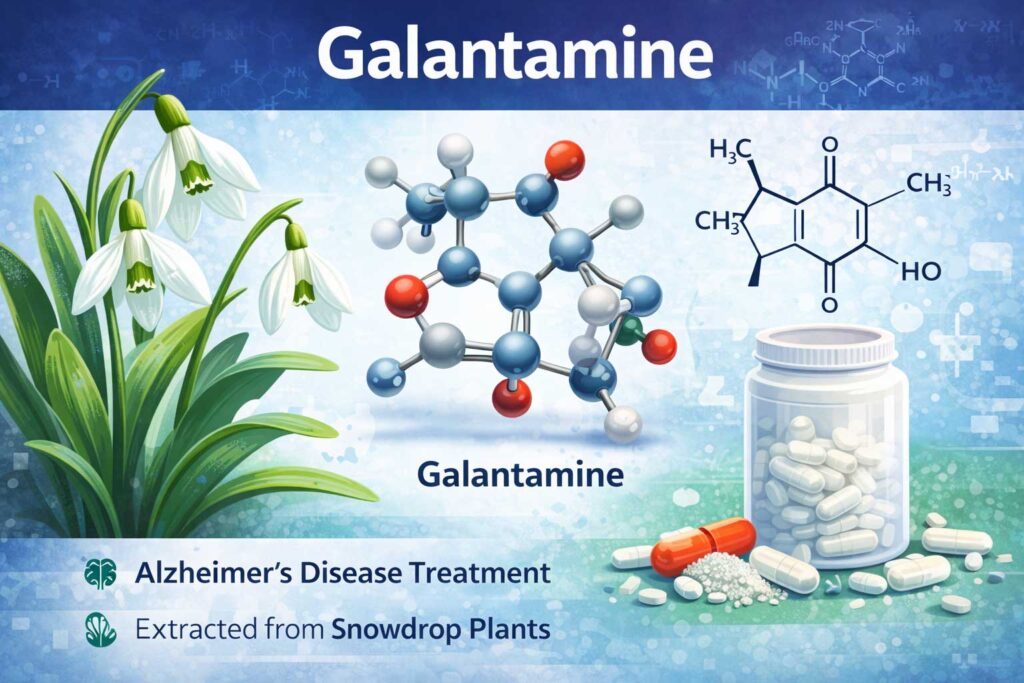
Discovery of Galantamine
In 1959, Dimitar Paskov led a team of researchers who successfully isolated galantamine, a natural alkaloid derived from the snowdrop plant (Galanthus nivalis). This discovery would later become one of the most important contributions to modern neuropharmacology, particularly in the treatment of neurodegenerative diseases.
At the time, the connection between plant-based compounds and neurological treatment was still emerging. Paskov’s work demonstrated that nature could provide powerful chemical agents capable of influencing brain function—an idea that would shape future pharmaceutical research.
The Science Behind Galantamine
Galantamine works by inhibiting the enzyme acetylcholinesterase, which is responsible for breaking down acetylcholine—a neurotransmitter essential for memory and learning.
By preserving acetylcholine levels in the brain, galantamine helps:
- Improve communication between neurons
- Enhance memory retention
- Slow cognitive decline
👉 This mechanism is especially important in conditions like Alzheimer’s disease, where acetylcholine levels are significantly reduced.
Medical Impact and Applications
Today, galantamine is widely used in the treatment of:
- Alzheimer’s disease
- Dementia
- Age-related cognitive impairment
Unlike many synthetic drugs, galantamine’s natural origin made it a valuable alternative with fewer side effects, contributing to its widespread adoption.
Legacy and Modern Relevance
Paskov’s discovery positioned Bulgaria as a contributor to global pharmaceutical innovation. It also reinforced the importance of studying natural compounds for medical use.
👉 Millions of patients worldwide benefit from medications based on galantamine, making it one of the most impactful Bulgarian contributions to modern medicine.
Samuel Refetoff – Redefining Hormone Disorders
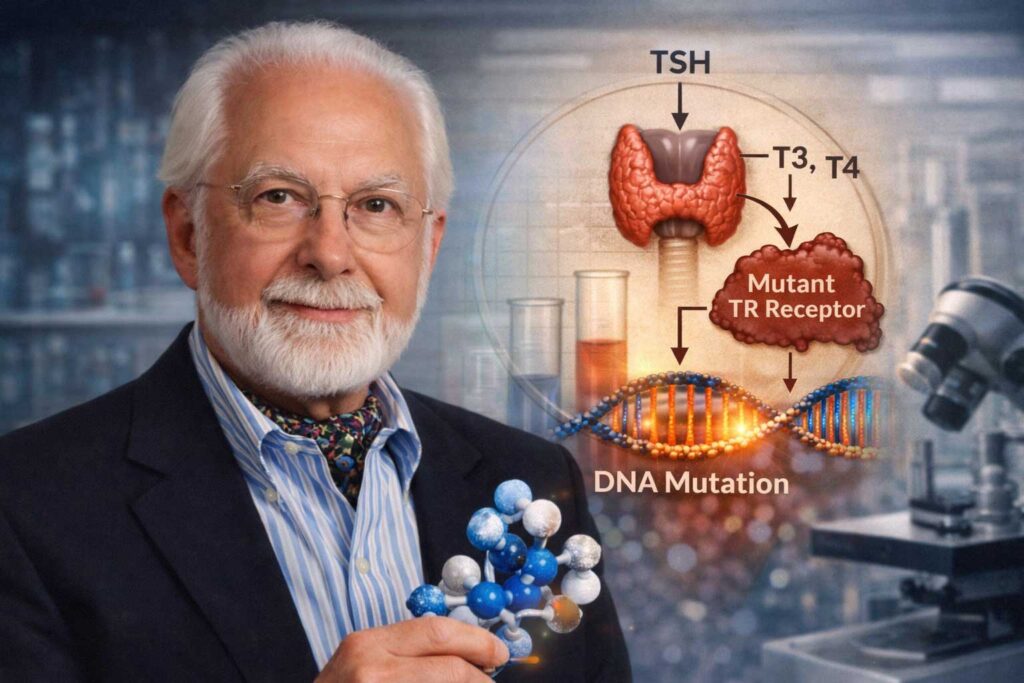
The Discovery of Refetoff Syndrome
Samuel Refetoff made a groundbreaking contribution to endocrinology by identifying a condition now known as Refetoff Syndrome.
👉 Learn more about this condition here → Samuel Refetoff and Thyroid Hormone Resistance.
Before this discovery, doctors believed hormone-related disorders were primarily caused by either excess or deficiency of hormones. Refetoff challenged this understanding by showing that the body could produce normal levels of hormones but fail to respond to them properly.
Understanding Hormone Resistance
Refetoff demonstrated that the issue was not always hormone production—but rather how cells respond to those hormones.
This introduced a new concept:
👉 Hormone resistance at the cellular level
This meant that:
- Hormone receptors could malfunction
- Cells could ignore signals from hormones
- Standard treatments could be ineffective
Impact on Modern Medicine
This discovery revolutionized endocrinology by:
- Improving diagnostic accuracy
- Preventing misdiagnosis of thyroid conditions
- Encouraging genetic research in hormone disorders
It also paved the way for personalized medicine, where treatment is tailored to the patient’s unique biological response.
Lasting Influence
Today, hormone resistance is a key concept in understanding many endocrine and metabolic disorders.
👉 Refetoff’s work remains foundational in modern medical research and continues to influence how doctors approach complex hormonal conditions.
Ivan Mitev – Discovering the Sixth Heart Sound

The “Mitev Tone”
Ivan Mitev made an important contribution to cardiology by identifying a previously unknown cardiac sound, often referred to as the sixth heart tone.
👉 Discover the full story → Ivan Mitev and the Sixth Heart Tone.
While the human heart is typically associated with two primary sounds (“lub-dub”), Mitev’s research demonstrated that additional subtle sounds could provide valuable diagnostic information.
Why This Discovery Matters
The identification of this sixth tone allowed physicians to:
- Detect hidden abnormalities in heart function
- Better understand cardiac mechanics
- Improve early diagnosis of heart conditions
This was particularly important in cases where traditional diagnostic tools were limited.
The Role of Observation in Medicine
Mitev’s work highlights the importance of careful observation and listening in medical practice.
At a time before advanced imaging technologies, doctors relied heavily on:
- Auscultation (listening with a stethoscope)
- Physical examination
- Clinical experience
👉 His discovery proved that even subtle details could lead to major medical insights.
Modern Relevance
Although modern cardiology now uses advanced imaging techniques, heart sounds remain a fundamental diagnostic tool.
👉 Mitev’s contribution continues to be recognized as part of the evolution of cardiovascular diagnostics.
Georgi Lozanov – The Science of Learning and the Brain

Suggestopedia and Medical Psychology
Georgi Lozanov is best known for developing Suggestopedia, a learning theory that explores how psychological factors influence the brain’s ability to absorb information.
👉 Read detailed explanation → Georgi Lozanov and Suggestopedia Explained.
While primarily associated with education, Lozanov’s work has significant implications for medicine, particularly in neuroscience and mental health.
The Core Idea Behind Suggestopedia
Lozanov believed that people learn far below their true potential due to:
- Stress
- Fear
- Negative expectations
By removing these barriers, the brain can function more efficiently and absorb information at a much faster rate.
Medical Applications
His ideas have influenced:
- Cognitive therapy
- Rehabilitation for brain injuries
- Memory recovery techniques
👉 These applications show how learning and mental health are deeply interconnected.
Influence on Modern Science
Today, Lozanov’s principles are reflected in:
- Neuroplasticity research
- Mindfulness-based therapies
- Educational psychology
👉 His work helped bridge the gap between psychology, neuroscience, and medicine.
Ivan Stranski – Foundations of Physical Chemistry in Medicine

Scientific Contributions
Ivan Stranski made foundational contributions to physical chemistry, particularly in the study of crystal growth and surface processes.
Although not directly a medical doctor, his work plays a crucial role in pharmaceutical science.
Why Chemistry Matters in Medicine
Modern drug development depends heavily on:
- Molecular structure
- Crystallization processes
- Surface interactions
Stranski’s theories helped scientists understand how materials form and behave at the molecular level.
Applications in Pharmaceuticals
His work is essential in:
- Designing stable medications
- Improving drug absorption
- Developing nanomedicine technologies
👉 Without this foundation, many modern drugs would not be as effective or reliable.
Lasting Impact
Today, Stranski’s contributions continue to influence:
- Pharmaceutical engineering
- Materials science
- Advanced medical technologies
👉 His work demonstrates how fundamental science underpins medical innovation.
Asen Hadjiolov – Pioneer of Molecular Biology in Bulgaria
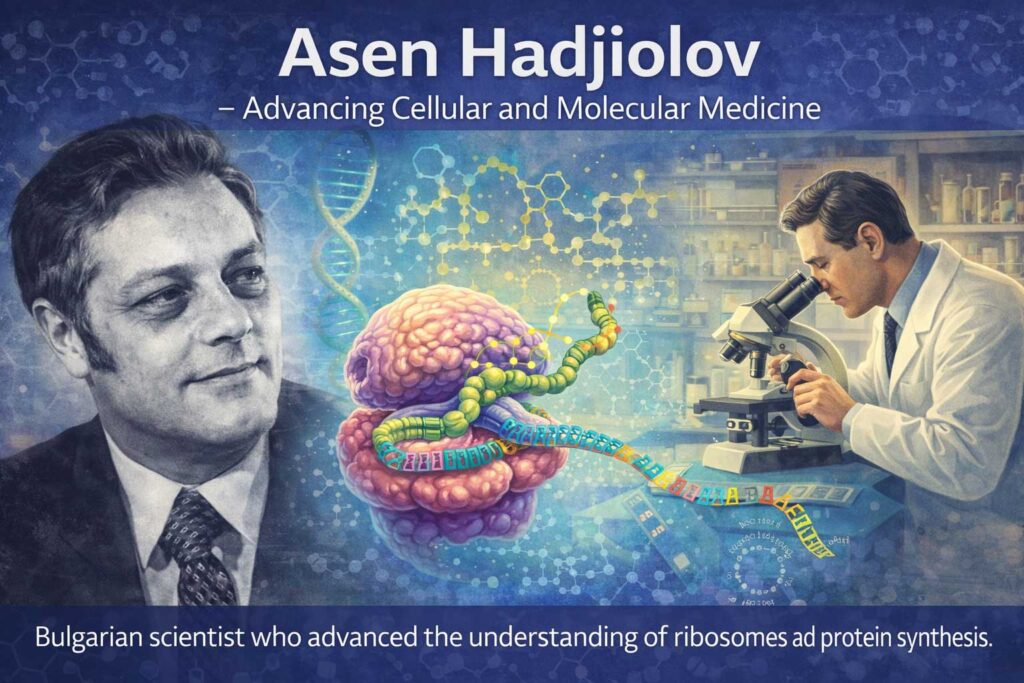
Advancing Cellular and Molecular Medicine
Asen Hadjiolov was one of Bulgaria’s most influential scientists in the field of molecular biology. His research focused on the structure and function of ribosomes—the cellular components responsible for protein synthesis.
At a time when molecular biology was still developing globally, Hadjiolov helped position Bulgaria within this rapidly advancing field.
Scientific Contributions
His work explored how genetic information is translated into proteins, a process essential for:
- Cell growth
- Tissue repair
- Immune response
By studying ribosomal RNA and protein synthesis, Hadjiolov contributed to a deeper understanding of how cells function at a molecular level.
Impact on Medicine
This research is fundamental to:
- Cancer biology
- Genetic diseases
- Drug development
👉 Many modern treatments rely on understanding how proteins are produced and regulated within cells.
Lasting Legacy
Hadjiolov’s work helped bridge Bulgarian science with global molecular biology research.
👉 Today, his contributions continue to influence biotechnology and modern medical research.
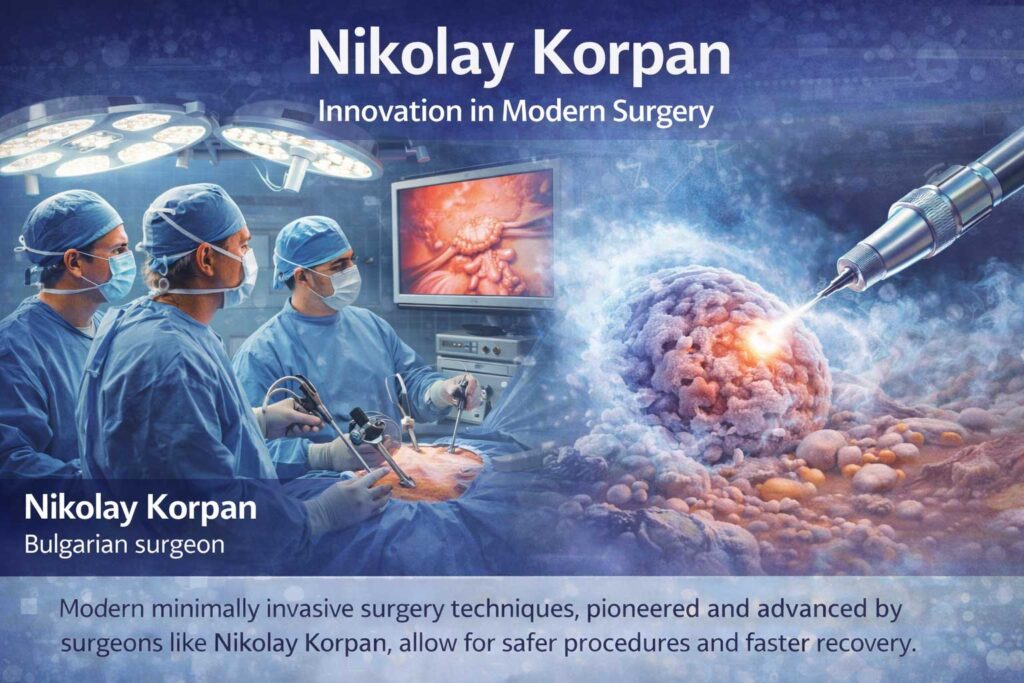
Nikolay Korpan – Innovation in Modern Surgery
Minimally Invasive Techniques
Nikolay Korpan is recognized as a leading figure in modern surgery, particularly for his work in minimally invasive procedures and cryosurgery. His contributions have helped transform surgical practices by reducing patient trauma and improving recovery outcomes.
Why This Matters
Traditional surgery often involves:
- Large incisions
- Longer recovery times
- Higher risk of complications
Korpan’s work helped advance techniques that:
- Reduce trauma to the body
- Shorten recovery time
- Improve surgical precision
Medical Applications
His contributions are used in:
- Tumor treatment
- Organ surgery
- Cryotherapy techniques
👉 These advancements significantly improve patient outcomes.
Global Recognition
Korpan’s work has been recognized internationally and has influenced surgical practices across Europe and beyond.
👉 His contributions represent the modern evolution of medical science in Bulgaria.
Dimitar Sasselov – Medicine Beyond Earth
Expanding the Boundaries of Life Science
Dimitar Sasselov is best known for his work in astronomy and the discovery of exoplanets. However, his research has important implications for medicine, particularly in the emerging fields of astrobiology and space medicine.
The Connection to Medicine
Sasselov’s work helps scientists understand:
- How life forms under different conditions
- How organisms adapt to extreme environments
- The potential for disease beyond Earth
👉 These insights are crucial for long-term space exploration.
Space Medicine Applications
His research contributes to:
- Understanding human health in space
- Studying the effects of radiation and low gravity
- Preparing for medical challenges in space missions
Why This Matters for the Future
As humanity explores deeper into space, medicine must evolve alongside it.
👉 Sasselov’s work represents the intersection of astronomy, biology, and medicine—pushing the boundaries of what we understand about life itself.
The Global Impact of Bulgarian Medical Science
Bulgarian scientists have influenced multiple medical fields:
Key Areas of Impact
- Microbiology → probiotics
- Endocrinology → hormone disorders
- Neuroscience → cognitive science
- Cardiology → heart diagnostics
- Pharmacology → Alzheimer’s treatments
Why Bulgaria Stands Out
Despite limited resources, Bulgarian scientists:
- Focused on fundamental discoveries
- Bridged Eastern and Western science
- Produced globally recognized breakthroughs
Why These Discoveries Still Matter Today
Modern medicine continues to rely on these contributions:
- Probiotics are essential for gut health
- Hormone resistance research shapes endocrinology
- Neurological drugs improve quality of life
- Cardiological diagnostics save lives daily
👉 These are not historical footnotes—they are active pillars of modern healthcare.
FAQ About Bulgarian Scientists Who Changed Medicine
Who is the most famous Bulgarian medical scientist?
Stamen Grigorov is often considered the most famous due to his discovery of Lactobacillus bulgaricus.
What did Bulgaria contribute to medicine?
Bulgaria contributed:
- Probiotic science
- Alzheimer’s treatment compounds
- Hormone resistance research
- Cardiology discoveries
What is galantamine used for?
Galantamine is used to treat:
- Alzheimer’s disease
- Memory loss
- Cognitive decline
Why is Lactobacillus bulgaricus important?
Lactobacillus bulgaricus supports gut health and is essential in yogurt fermentation.
What is Lactobacillus bulgaricus?
A beneficial bacterium used in yogurt fermentation.
Why is Bulgarian yogurt considered healthy?
It contains natural probiotics that support gut health and immunity.
What is Refetoff Syndrome?
Refetoff Syndrome is a condition where the body cannot respond properly to thyroid hormones.
Who discovered probiotics?
The concept was advanced by Stamen Grigorov and later expanded by Ilya Metchnikoff.
What is the sixth heart sound?
A cardiac tone discovered by Ivan Mitev.
What is Suggestopedia?
A learning method developed by Georgi Lozanov.
How does galantamine work?
It improves neurotransmitter activity in the brain.
Why are probiotics important?
They support digestion, immunity, and mental health.
What role does Bulgaria play in modern medicine?
It contributes foundational discoveries still used today.
Who is Dimitar Paskov?
A Bulgarian scientist who discovered galantamine.
What is hormone resistance?
A condition where the body does not respond to hormones properly.
How did Bulgarian science influence global health?
Through discoveries in microbiology, pharmacology, and endocrinology.
What is molecular biology’s role in medicine?
It helps understand diseases at the cellular level.
Who is Asen Hadjiolov?
A Bulgarian scientist who studied ribosomes and protein synthesis.
What is minimally invasive surgery?
Surgery that reduces trauma and recovery time.
Who is Nikolay Korpan?
A Bulgarian surgeon known for modern surgical innovations.
Why should we study Bulgarian scientists?
Because their discoveries continue to shape modern medicine.
What is Lactobacillus bulgaricus used for today?
It is widely used in yogurt production and probiotic supplements to support gut health.
How did Bulgarian scientists influence modern probiotics?
Their discoveries helped establish the scientific foundation of beneficial bacteria and gut health research.
What are the benefits of minimally invasive surgery?
It reduces recovery time, lowers risk, and improves surgical precision.
Why Bulgarian Scientists Deserve More Recognition
Despite their significant contributions to global medicine, many Bulgarian scientists remain relatively unknown outside academic circles.
Several factors contribute to this:
- Limited international exposure
- Language barriers in scientific publication
- Historical and geopolitical influences
However, their impact is undeniable.
From microbiology to endocrinology and neuroscience, Bulgarian researchers have shaped some of the most important areas of modern medicine.
👉 As global interest in health, nutrition, and preventive medicine continues to grow, the importance of these contributions is becoming increasingly recognized.
Want to explore more breakthroughs beyond medicine?
👉 Discover more groundbreaking innovations → Bulgarian Science and Technology History.
Conclusion
Bulgarian scientists have made some of the most important contributions to modern medicine—often without widespread recognition.
From the microscopic world of bacteria to the complex systems of the human body, their discoveries have:
- Extended human life
- Improved disease treatment
- Advanced scientific understanding
👉 Their legacy proves that innovation is not defined by geography—but by impact.
Explore more about Bulgarian culture, science, and discoveries on Bulgaropedia.