

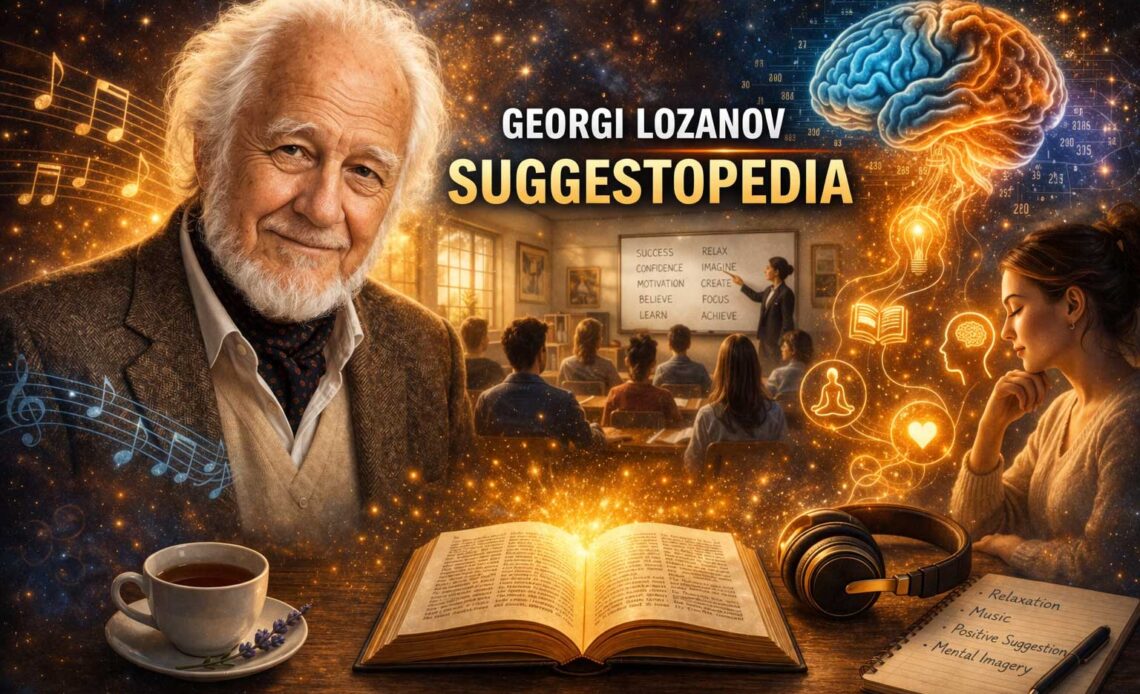

Georgi Lozanov was a Bulgarian scientist, psychiatrist, neurologist, psychologist, and educator best known as the creator of suggestology and suggestopedia—an influential theory of learning that aimed to unlock what he believed were the hidden reserves of the human mind.
Born in Sofia on July 22, 1926, and passing away in Sliven on May 6, 2012, Lozanov became internationally associated with the concept of accelerated learning, particularly in the field of foreign-language education.
Although his work remains debated in some academic circles, Lozanov occupies a distinctive place in modern pedagogy. His central belief was bold: people learn far below their true potential due to fear, stress, and limiting expectations. When these barriers are removed, learning becomes faster, easier, and more effective.
👉 Explore more: Bulgarian Scientists Who Changed the World.
Why Georgi Lozanov Matters
Key highlights of Lozanov’s impact:
- Founder of Suggestology – the science of suggestion
- Creator of Suggestopedia – a revolutionary learning method
- Influenced global education systems and language learning
- Established major institutes in Bulgaria and Europe
- Introduced the idea that emotion + environment = learning power
Georgi Lozanov’s influence extends far beyond his original research. He challenged the traditional belief that learning must be slow, difficult, and limited, demonstrating instead that emotion, environment, and expectation are central to cognitive performance. His influence spread well beyond suggestopedia itself, as many educators adopted key elements of his approach—reducing anxiety, making learning more humane, using rhythm and art in instruction, and recognizing the deep connection between confidence and performance.
Early Life and Scientific Formation
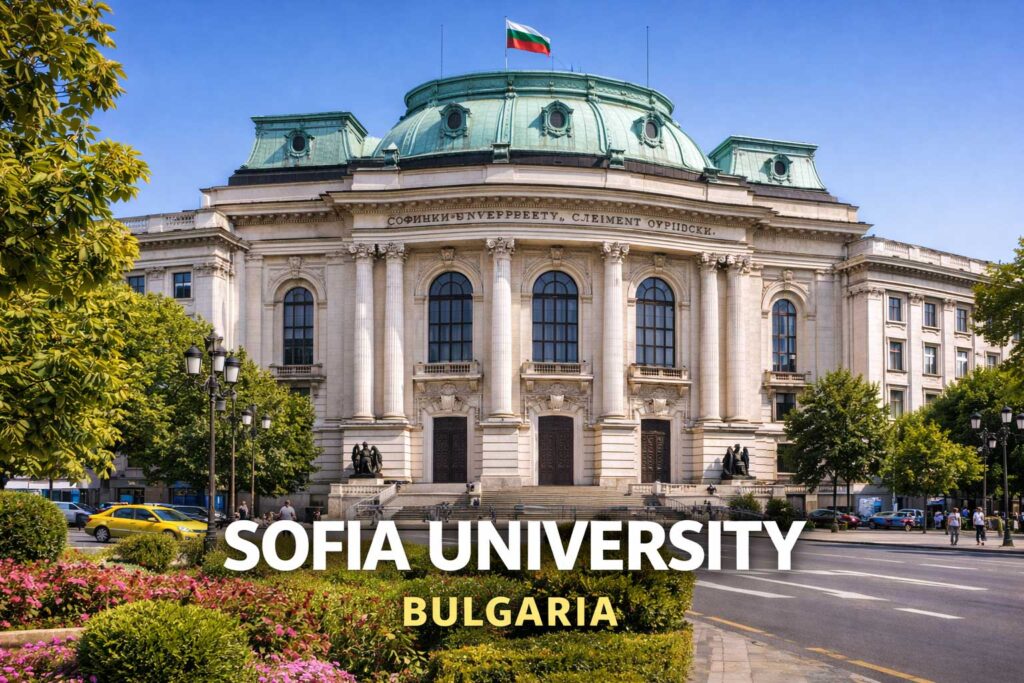
Georgi Lozanov was born in Sofia in 1926 and trained in disciplines connected to medicine, psychology, and brain function. He is widely described as a psychiatrist and psychotherapist whose interests extended into neurology, pedagogy, and human potential. Over time, he developed an interdisciplinary approach that attempted to connect medicine, psychology, suggestion, communication, and education into a unified framework.
In his earlier career, Lozanov also explored areas that today would be regarded as highly controversial, including research related to suggestion and parapsychology. These early interests were part of his broader effort to investigate whether human beings possess mental capacities that conventional education and mainstream psychology fail to cultivate fully. This search eventually led him away from purely clinical questions and toward pedagogy.
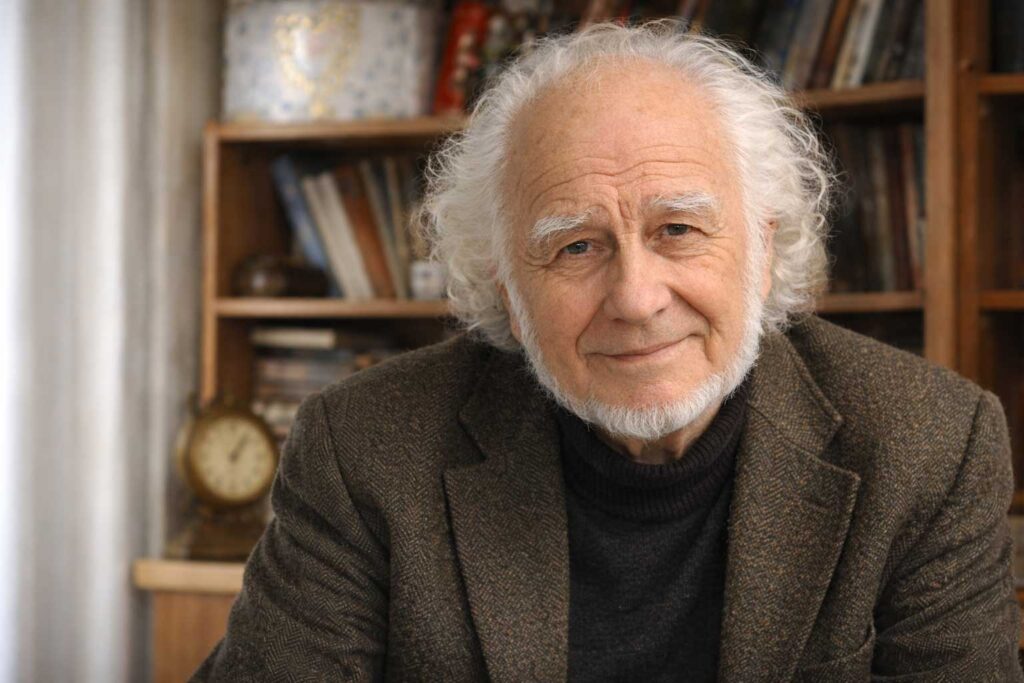
Lozanov’s early academic and scientific development was closely connected to Sofia University St. Kliment Ohridski, one of Bulgaria’s leading institutions for higher education and research. During this period, he conducted advanced and long-term studies in areas related to suggestion and human perception, including experimental work in parapsychology and clairvoyance.
This phase of his career played a crucial role in shaping his later theories, as it pushed him to explore the limits of human cognition beyond conventional scientific boundaries.
Fast facts
Full name: Georgi Lozanov
Bulgarian: Георги Лозанов
Born: July 22, 1926, Sofia, Bulgaria
Died: May 6, 2012, Sliven, Bulgaria
Known for: Suggestology, suggestopedia, accelerated learning
Fields: Psychiatry, psychology, neurology, pedagogy, psychotherapy
Legacy: One of Bulgaria’s most internationally recognized educational innovators of the twentieth century.
The Creation of Suggestology
Georgi Lozanov introduced Suggestology, a concept that became the foundation of his life’s work and one of the most original contributions to modern educational science.
Suggestology can be defined as the scientific study of how suggestion influences human perception, memory, behavior, and learning.
However, Lozanov’s understanding of suggestion went far beyond hypnosis or direct persuasion.
He argued that people are constantly influenced by subtle, often unconscious signals coming from their environment, including:
- Tone of voice
- Authority of the teacher
- Classroom aesthetics and design
- Cultural expectations
- Social conditioning
- Emotional atmosphere
These elements, according to Lozanov, continuously shape how individuals think, feel, and learn—often without awareness.
Lozanov’s Breakthrough Insight
Lozanov challenged one of the most fundamental assumptions of education: Learning is not limited by intelligence—it is limited by negative suggestion.
He observed that traditional schooling environments frequently send harmful psychological signals such as:
- “Learning is difficult”
- “Mistakes are failures”
- “Your memory is weak”
- “Only a few people are truly gifted”
These repeated suggestions create internal barriers that suppress performance, confidence, and cognitive potential.
From Theory to Educational Revolution
This insight became the foundation of Lozanov’s educational philosophy.
Instead of reinforcing limitation, he proposed that learning environments should actively promote:
- Trust and psychological safety
- Calmness and reduced stress
- Beauty and aesthetic harmony
- Positive expectation
- Emotional engagement
The goal was simple but revolutionary: Remove mental barriers and unlock hidden learning capacity.
This philosophy would later evolve into his most famous contribution:
Suggestopedia—a method designed to activate what Lozanov called the “reserve capacities of the human mind.”
Suggestopedia and the Theory of Accelerated Learning
The practical application of suggestology became known as Suggestopedia, sometimes also referred to as desuggestopedia. Developed by Georgi Lozanov during the 1960s and 1970s, this method was designed to transform the way people learn—especially in the field of foreign-language acquisition.
At its core, Suggestopedia aimed to achieve something revolutionary:
Faster learning with less effort, less stress, and greater retention.
Unlike traditional teaching methods that rely heavily on repetition, memorization, and pressure, Lozanov’s approach focused on removing psychological barriers and creating an optimal mental state for learning.
What Makes Suggestopedia Different from Traditional Learning?
Suggestopedia is not just a teaching technique—it is a complete learning environment system.
It integrates:
- Psychology
- Neuroscience (early concepts)
- Art and aesthetics
- Music and rhythm
- Social dynamics
The goal: Activate the brain’s “reserve capacities” by eliminating fear and negative conditioning.
Core Features of Suggestopedia
Suggestopedia classrooms were designed very differently from traditional environments. Key elements include:
1. Relaxed but Focused State
Students learn in a calm, stress-free environment that promotes “relaxed alertness”—a state where the brain absorbs information more efficiently.
2. Aesthetic Learning Environment
The classroom is intentionally designed to be:
- Beautiful
- Comfortable
- Stimulating
Lozanov believed that the environment directly affects cognitive performance.
3. Use of Music
Classical (especially Baroque) music is used to:
- Regulate brain rhythms
- Enhance memory
- Improve concentration
4. Rich, Contextual Language Input
Instead of isolated vocabulary drills, students are exposed to:
- Long dialogues
- Real-life scenarios
- Meaningful communication
This mirrors how humans naturally acquire language.
5. Positive Teacher Authority
Teachers combine:
- Confidence and authority
- Warmth and empathy
This creates trust and reduces fear—critical for learning.
6. Intonation, Rhythm, and Theatrical Elements
Teaching includes expressive speech, storytelling, and performance-like delivery to enhance engagement and memory.
7. Elimination of Psychological Barriers
One of the most important goals is removing:
- Anxiety
- Self-doubt
- Fear of mistakes
These are seen as the true obstacles to learning, not intelligence.
The Theory of Accelerated Learning
Lozanov believed that students are capable of learning far more than they consciously realize.
According to his theory:
- The brain has unused “reserve capacities”
- Traditional education suppresses these abilities
- The right environment can unlock rapid learning
This became the foundation of what is now widely known as: Accelerated Learning
Important Clarification
Many modern “accelerated learning” programs:
- Add breathing techniques
- Include visualization
- Use biofeedback
However: These were not part of Lozanov’s original system
They are later adaptations inspired by his work.
Why Suggestopedia Was Revolutionary
Before Lozanov, education was built on:
- Discipline and repetition
- Memorization
- Pressure and evaluation
Lozanov introduced a new paradigm: Emotion, environment, and suggestion are central to learning—not secondary.
This approach attracted international attention and led to formal evaluation by UNESCO.
The “Hidden Brain Capacity” Theory

Unlocking the Reserve Capacities of the Mind
One of the most powerful ideas developed by Georgi Lozanov was his theory that human beings operate far below their true cognitive potential.
Lozanov believed that humans use only a small fraction of their mental capacity, and that this limitation is not biological but psychological in origin.
Lozanov argued that the brain is naturally capable of absorbing vast amounts of information, but modern education systems unintentionally suppress this ability. By focusing on memorization, repetition, and pressure, schools reinforce mental barriers instead of removing them. His work suggested that when these barriers are lifted, learning becomes not only faster but also more natural and enjoyable.
What Blocks Learning?
He identified several key barriers that prevent people from learning effectively:
- Fear blocks memory formation
- Stress reduces cognitive performance
- Negative beliefs limit intellectual ability
- Social conditioning creates mental restrictions
These factors, reinforced by traditional education systems, suppress what he called the brain’s “reserve capacities.”
Modern neuroscience now supports parts of Lozanov’s thinking. Studies show that chronic stress increases cortisol levels, which negatively affects memory and learning. Similarly, confidence and emotional state play a critical role in how information is processed and retained—validating Lozanov’s early observations decades later.
Lozanov’s Solution
Instead of forcing learning through pressure, Lozanov proposed a radically different approach:
Create an environment where learning feels:
- Effortless
- Enjoyable
- Natural
In such conditions, the brain shifts into an optimal state for absorption, retention, and creativity.
This approach aligns with what is now known as “flow state” learning, where individuals become deeply immersed and highly productive without feeling overwhelmed. Lozanov’s classrooms were designed to trigger this state consistently, making learning feel almost automatic rather than forced.
The Core Insight
Lozanov summarized his philosophy through one central idea: Remove mental barriers and unlock human potential.
This principle became the foundation of Suggestopedia and the global accelerated learning movement.
This concept continues to influence modern educational models, including mindfulness-based learning, experiential education, and adaptive learning systems powered by artificial intelligence. While Lozanov did not use these technologies, his foundational principle remains deeply relevant.
UNESCO Evaluation: What Really Happened
International Recognition Explained
In 1978, an international expert group organized by UNESCO conducted a detailed evaluation of Georgi Lozanov’s work and the effectiveness of Suggestopedia.
One of the most frequently repeated claims is that UNESCO “certified” Suggestopedia as the best learning method in the world. However, this phrasing is too absolute and not fully accurate.
What is better supported is that UNESCO initiated a formal expert review process, and the resulting findings were notably favorable in several respects.
👉 A widely cited conclusion from the expert group indicated that Suggestopedia was considered superior to traditional teaching methods for many subjects and types of learners.
A Balanced Perspective
At the same time, UNESCO’s later reporting (around 1980) was not uncritically celebratory. While it acknowledged the method’s strong potential and innovative approach, it also emphasized the need for continued research and careful implementation.
This leads to the most accurate and authoritative formulation: Suggestopedia was internationally recognized and positively evaluated by UNESCO experts, but it was not officially declared the “best” method.
Why This Recognition Mattered
Despite the nuance, UNESCO’s involvement played a crucial role in Lozanov’s global influence.
It:
- Elevated Suggestopedia to international attention
- Validated it within academic and educational circles
- Helped spread the method across Europe and North America
This moment marked Lozanov’s transition from a Bulgarian innovator to a globally recognized figure in language education and learning theory.
Using precise language like this strengthens your article’s credibility and avoids overstatements that could reduce trust with both readers and search engines.
Institutions and Scientific Leadership
Bulgaria: The Foundation
Lozanov established key institutions that positioned Bulgaria as a global center for educational innovation:
- State Suggestology Research Institute (1966)
- Centre for Suggestology at Sofia University St. Kliment Ohridski
These institutions were not only research centers but also experimental laboratories where new teaching methods were tested in real classroom environments. This allowed Lozanov to refine his theories through practical application rather than purely theoretical work.
Europe Expansion
Lozanov later expanded his work internationally, establishing:
- The Lozanov Institute in Vienna
- The International Centre for Desuggestology
Vienna became a strategic location for spreading Suggestopedia across Western Europe, where there was growing interest in alternative education methods during the late 20th century.
North America Influence
His methods were adopted in:
- Government training programs
- Diplomatic language institutes
- Educational organizations
Particularly for accelerated foreign-language training of federal employees.
This adoption demonstrated that Suggestopedia was not just theoretical—it was practical enough to be used in high-stakes environments where rapid learning was essential.
Collaboration with Evelyna Gateva
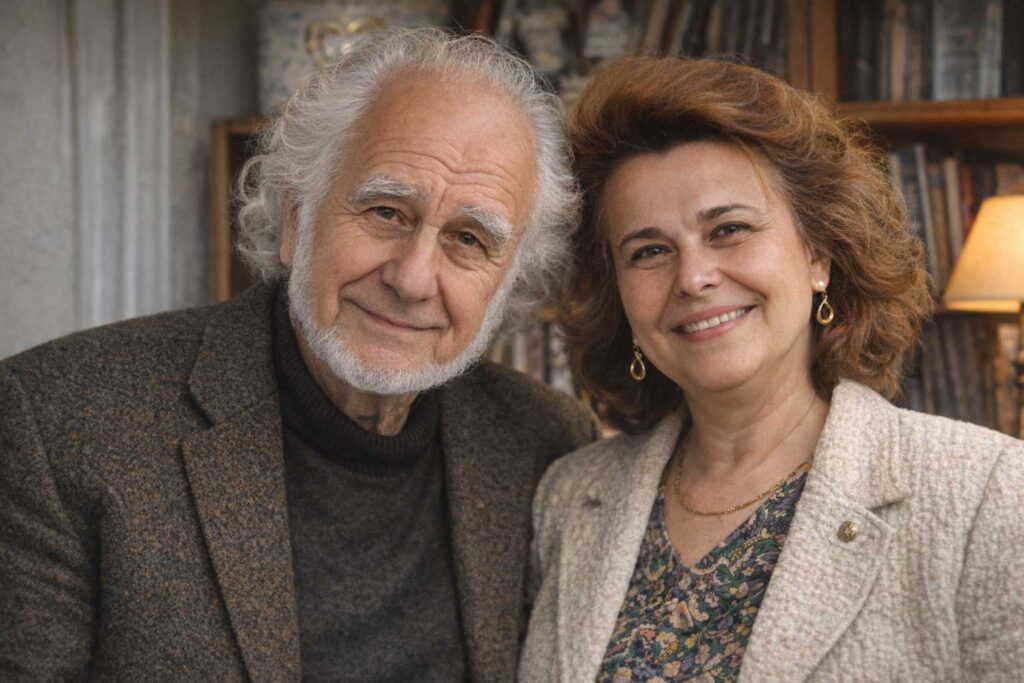
A key figure in the development of Suggestopedia was: Evelyna Gateva.
She contributed significantly by:
- Refining the methodology
- Integrating artistic and cultural elements
- Developing structured teacher training systems
Gateva’s contributions helped transform Suggestopedia into a more holistic system by emphasizing creativity, aesthetics, and emotional engagement—elements that became central to its global appeal.
International Organizations and Global Expansion (2006)
In the later stages of his career, Georgi Lozanov continued to expand the global reach of Suggestology and Suggestopedia through the creation of international organizations.
In March 2006, during the Trainers’ Conference held in Sofia, the International Association of Suggestology (Suggestopedia) was established, with headquarters in Oslo. Lozanov was elected honorary chairman, while Professor Lisa Hartmark was elected chairwoman.
Shortly after, on March 26, 2006, Lozanov contributed to the creation of the Lozanov International Trainers Association (LITTA), an organization dedicated to preserving and developing his methodology through structured teacher training and certification programs.
These initiatives ensured that Suggestopedia would continue evolving beyond its original institutional framework, allowing new generations of educators to apply and adapt Lozanov’s methods worldwide.
Criticism and Reality
Lozanov’s ideas have not escaped criticism. Critics have questioned whether the more ambitious claims of suggestopedia can be consistently reproduced and whether its theoretical framework meets modern scientific standards.
Still, even critics generally acknowledge that Lozanov helped bring attention to variables that conventional education had often neglected, especially the role of stress, expectation, atmosphere, and nonverbal communication in learning. In that sense, his importance is not limited to whether every claim attached to suggestopedia holds up exactly as originally stated. His larger legacy lies in widening the conversation about what learning can be.
Supporters argue:
- Lozanov anticipated modern neuroscience
- Emotional learning is now widely accepted
- Proven success in language acquisition
Even where his claims remain debated, his influence on educational thinking is undeniable. He helped shift focus from rigid instruction to learner-centered environments.
Global Legacy and Modern Influence
Lozanov’s ideas continue to influence:
- Accelerated learning programs
- Language immersion systems
- Corporate training models
- EdTech platforms
- Alternative education systems
Many modern digital learning platforms incorporate elements that reflect Lozanov’s principles, including gamification, adaptive learning, and personalized education experiences.
In Bulgaria, Lozanov is regarded as one of the country’s most original thinkers in psychology and education. Internationally, his work continues to influence discussions on alternative learning methods, second-language acquisition, and humanistic education. His legacy represents a rare example of a Bulgarian scientist achieving lasting global impact in the field of educational theory.
Philosophical Impact
Lozanov didn’t just create a method—he reshaped how we think about:
- Intelligence
- Learning limits
- Human potential
His work challenged the deeply rooted belief that intelligence is fixed, opening the door for growth mindset theories and modern educational psychology frameworks.
Timeline of Georgi Lozanov
- 1926 – Born in Sofia
- 1966 – Founded Suggestology Institute
- 1970s – Developed Suggestopedia
- 1978 – UNESCO evaluation
- 1980s–2000s – Global expansion
- 2012 – Passed away in Sliven
FAQ Section
Who is Georgi Lozanov?
A Bulgarian scientist who created Suggestopedia, a revolutionary learning method.
What is Suggestopedia?
A teaching method that uses relaxation, music, and psychology to accelerate learning.
Did UNESCO approve his method?
It was positively evaluated but not officially declared the best.
Why is he important?
He changed global perspectives on learning and human potential.
Conclusion
Georgi Lozanov was far more than a theorist of fast language learning. He was a Bulgarian thinker who attempted to rethink the entire psychology of education. Through suggestology and suggestopedia, he argued that human beings possess vast underused mental resources and that the right educational environment can help release them. His work inspired admiration, controversy, imitation, and adaptation across continents. Decades later, his central question still feels modern: What if most people are capable of learning far more than traditional education has led them to believe?
References
All sources have been carefully selected from academic publications, international organizations, and authoritative educational resources to ensure accuracy and credibility.
- Georgi Lozanov. Wikipedia. Available at: https://en.wikipedia.org/wiki/Georgi_Lozanov
- Suggestopedia. Wikipedia. Available at: https://en.wikipedia.org/wiki/Suggestopedia
- Lozanov, G. (1978). Suggestology and Outlines of Suggestopedy. UNESCO. Available at: https://unesdoc.unesco.org/ark:/48223/pf0000215650
- UNESCO Expert Working Group (1978). Theory and Practice of Suggestopedia. Available at: https://suggestology.org/wp-content/uploads/2022/04/theory-and-practice-Unesco-1978-Pr-Lozanov.pdf
- Richards, J. & Rodgers, T. (2001). Approaches and Methods in Language Teaching. Cambridge University Press. Available at: https://www.cambridge.org/core/books/approaches-and-methods-in-language-teaching/suggestopedia
- Suggestopedia. Encyclopaedia Britannica. Available at: https://www.britannica.com/topic/suggestopedia
- Suggestopedia Overview. EBSCO Research Starters. Available at: https://www.ebsco.com/research-starters/social-sciences-and-humanities/suggestopedia
- Bancroft, W. (1979). Suggestopedia and Language Acquisition. ERIC. Available at: https://files.eric.ed.gov/fulltext/ED254104.pdf
- ERIC Database Entry: Suggestopedia. ERIC. Available at: https://eric.ed.gov/?id=ED254104
- Suggestopedia. ScienceDirect Topics. Available at: https://www.sciencedirect.com/topics/social-sciences/suggestopedia
- Suggestopedia in Language Learning. ResearchGate. Available at: https://www.researchgate.net/publication/282237034_Suggestopedia_and_its_Application_in_Language_Learning
- Academic Study on Suggestopedia. CORE. Available at: https://core.ac.uk/download/pdf/234653173.pdf
- Suggestopedia Analysis. JSTOR. Available at: https://www.jstor.org/stable/3586755
- Language Learning Methods Study. Taylor & Francis. Available at: https://www.tandfonline.com/doi/abs/10.1080/09571736.2013.836347
- Suggestopedia Teaching Methodologies. US Language Services. Available at: https://www.uslanguageservices.com/blog/suggestopedia-language-teaching-methodologies-and-strategies/
- Lozanov International Teacher Training Association (LITTA). Official Website. Available at: https://www.litta.net/
- Gateva, E. (2010). Dr. Professor Evelina Gateva. LITTA. Available at: https://www.litta.net/lozanov/evelina-gateva/
- Lozanov, G. Suggestopedia NGO. Available at: http://www.lozanov.org/index.php?option=com_content&view=article&id=48&Itemid=73
- The Protocol of Lozanov International Trainers Association. Available at: http://www2.vobs.at/ludescher/LITA%20MEETING/The%20protocol%20of%20Lozanov%20International%20Trainers%20Association.pdf
- Georgi Lozanov. Open Library. Available at: https://openlibrary.org/authors/OL2681087A/Georgi_Lozanov
- Georgi Lozanov. Goodreads Author Profile. Available at: https://www.goodreads.com/author/show/1716467.Georgi_Lozanov
- “Father of accelerated learning Dr. Georgi Lozanov passes away.” Topix. Retrieved May 13, 2012. Available at: https://www.topix.com
- Suggestology Organization. Official Website. Available at: http://www.lozanov.org/
- Lozanov International Training Resources. LITTA Publications. Available at: https://www.litta.net/
- Overview of Accelerated Learning Methods. Educational Resources. Available at: https://www.sciencedirect.com/topics/social-sciences/accelerated-learning