


Bulgarian scientists and inventors have made remarkable contributions to global science, technology, medicine, and engineering. Despite the country’s relatively small size, many Bulgarian innovators have played key roles in discoveries that shaped the modern world.
From pioneers in computing and microbiology to breakthroughs in physics, aviation, and medicine, Bulgarian scientists and inventors have influenced industries that impact everyday life. Their work spans centuries and continues to shape modern innovation.
👉 Throughout history, Bulgarian scientists and inventors have consistently contributed to global innovation despite limited resources.
In this guide, we explore the most important Bulgarian scientists and inventors you should know, their discoveries, and their lasting global impact.
👉 For a broader overview, explore Bulgarian inventions that changed the world.
Famous Bulgarian Scientists and Inventors Who Changed the World
👉 These Bulgarian scientists and inventors represent some of the most important contributors to global scientific and technological progress.
1. John Vincent Atanasoff
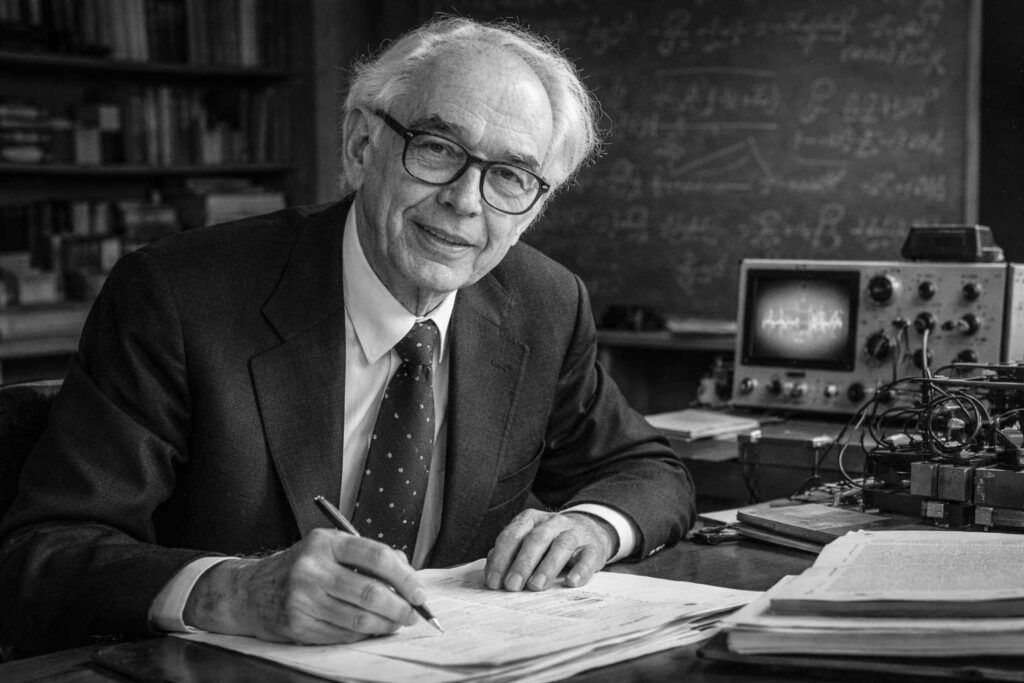
One of the most influential figures in computing history, John Vincent Atanasoff is widely credited as a pioneer of the first electronic digital computer. Born in the United States to a Bulgarian immigrant father, Atanasoff combined strong mathematical training with innovative engineering thinking to solve one of the biggest challenges of his time—automating complex calculations.
In the late 1930s, he developed the Atanasoff–Berry Computer (ABC), which introduced several groundbreaking concepts that became the foundation of modern computing. These included binary arithmetic, electronic switching instead of mechanical parts, and the separation of memory from processing functions. Atanasoff also used capacitors for memory storage, a revolutionary idea at the time.
Although his work was not immediately recognized, a landmark U.S. court decision in 1973 confirmed that Atanasoff’s design predated and influenced later computer inventions. Today, his contributions are considered fundamental to the development of digital computers.
Today, Atanasoff is recognized as one of the fathers of digital computing.
👉 His work laid the foundation for everything from personal computers to modern cloud computing systems.
👉To see how his work fits into global innovation, explore our guide on Bulgarian inventions that changed the world.
2. Assen Yordanoff

Assen Yordanoff was one of the most important early pioneers in aviation engineering and pilot training. Born in Bulgaria, he demonstrated an interest in flight at a young age and eventually emigrated to the United States, where he built a highly successful career in aviation.
Yordanoff contributed to aircraft design at a time when aviation was still in its experimental phase. Beyond engineering, he became widely known for writing some of the most influential pilot training manuals of the 20th century. His books were used internationally and helped standardize aviation education across multiple countries.
His work focused on simplifying complex flight principles, making them accessible to new pilots and helping reduce human error in aviation. This had a direct impact on flight safety and training efficiency.
👉 Yordanoff’s influence can still be seen today in modern pilot training systems and aviation education worldwide.
👉 Learn more about his full contributions in Assen Yordanoff aviation pioneer.
3. Petar Petrov
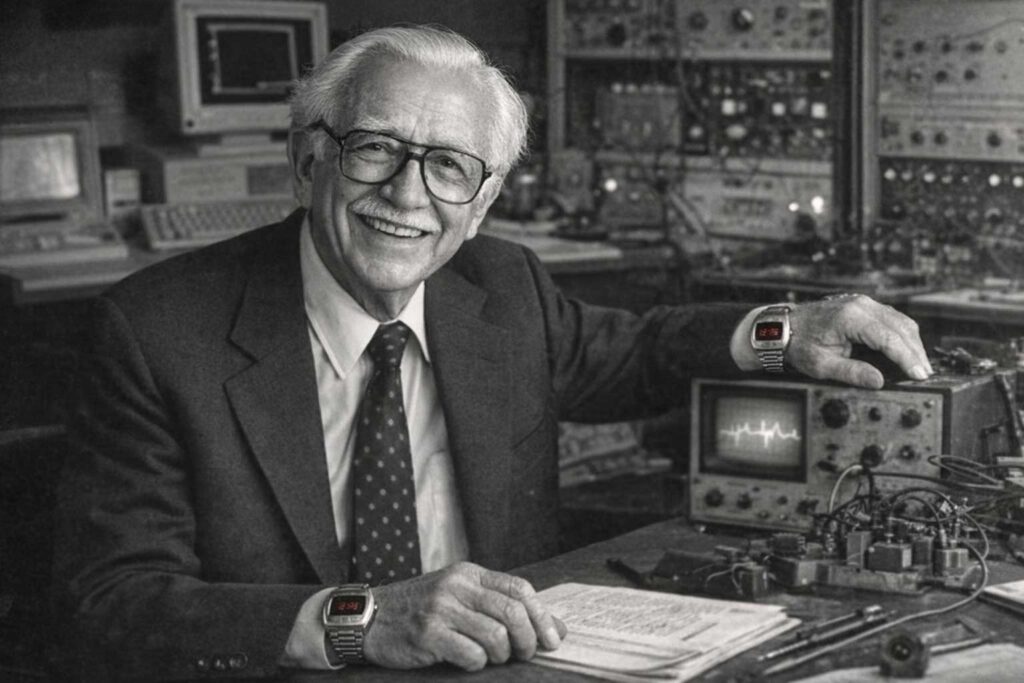
Petar Petrov was a Bulgarian-born engineer whose work had a lasting impact on electronics, space technology, and digital timekeeping systems. After moving to the United States, he became involved in advanced engineering projects, including work related to NASA and satellite systems.
One of his most notable contributions was the development of electronic timing systems that influenced early digital wristwatches. This shift from mechanical to electronic timekeeping represented a major technological transition that enabled greater accuracy and reliability.
Petrov also worked on telemetry systems, satellite communications, and electronic measurement instruments—technologies that were critical during the early space race. His work helped improve how data was transmitted and measured in complex environments.
👉 Today, digital timing systems are essential to everything from smartphones to global communication networks, reflecting the long-term impact of Petrov’s innovations.
👉 His work also connects to broader technological development covered in Bulgarian science and technology history.
4. Georgi Nadjakov
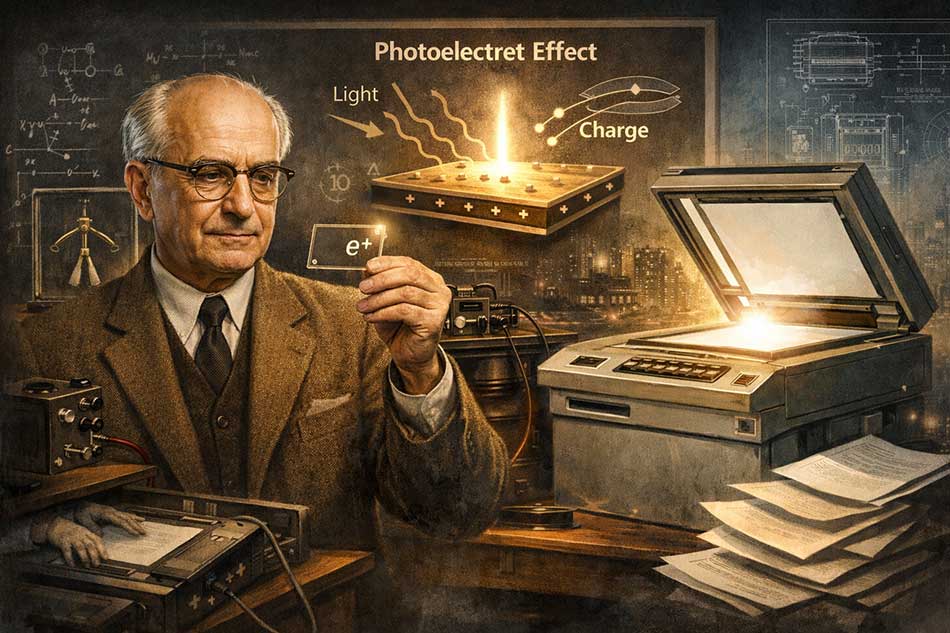
Georgi Nadjakov was a pioneering Bulgarian physicist who made a major discovery in the field of electromagnetism. In 1937, he identified the photoelectret state, a phenomenon in which certain materials retain electrical polarization after being exposed to light.
At the time, this discovery was highly theoretical, but its practical applications became clear decades later. Nadjakov’s work contributed to the development of technologies such as photocopying, laser printing, and electrophotography.
These technologies rely on the ability of materials to hold and transfer electrical charges in controlled ways—principles that are directly linked to Nadjakov’s research.
👉 His discovery is now embedded in everyday office technology, making it one of the most quietly influential Bulgarian scientific contributions.
👉 For a deeper look at this discovery, read Georgi Nadjakov photoelectret discovery.
5. Stefan Angelov

Stefan Angelov was a distinguished Bulgarian chemist known for his work in biochemistry and molecular science. His research focused on enzyme activity and the biochemical processes that occur within living organisms.
At a time when biochemistry was still developing as a field, Angelov contributed to a deeper understanding of how chemical reactions sustain life. His work helped bridge the gap between chemistry and biology, supporting the development of modern molecular biology.
In addition to his research, Angelov played an important role in advancing scientific education and research infrastructure in Bulgaria. He helped train future generations of scientists and contributed to the country’s growing reputation in biochemical research.
👉 His contributions helped establish Bulgaria as a participant in global scientific research during the 20th century.
👉 His work is part of Bulgaria’s broader scientific development explored in Bulgarian science and technology history.
6. Ivan Stranski

Ivan Stranski was one of the founders of modern crystal growth theory, a field that plays a crucial role in materials science and electronics. His research focused on understanding how crystals form and grow at the atomic level.
This work is essential for industries such as semiconductor manufacturing, where precise control over crystal structures is necessary for producing electronic components.
Stranski’s theories helped scientists understand surface processes and atomic interactions, laying the groundwork for advances in nanotechnology and materials engineering.
👉 Today, his research influences the production of microchips, solar cells, and other advanced technologies.
👉 His research connects to modern materials science discussed in Bulgarian contributions to modern technology.
7. Blagovest Sendov
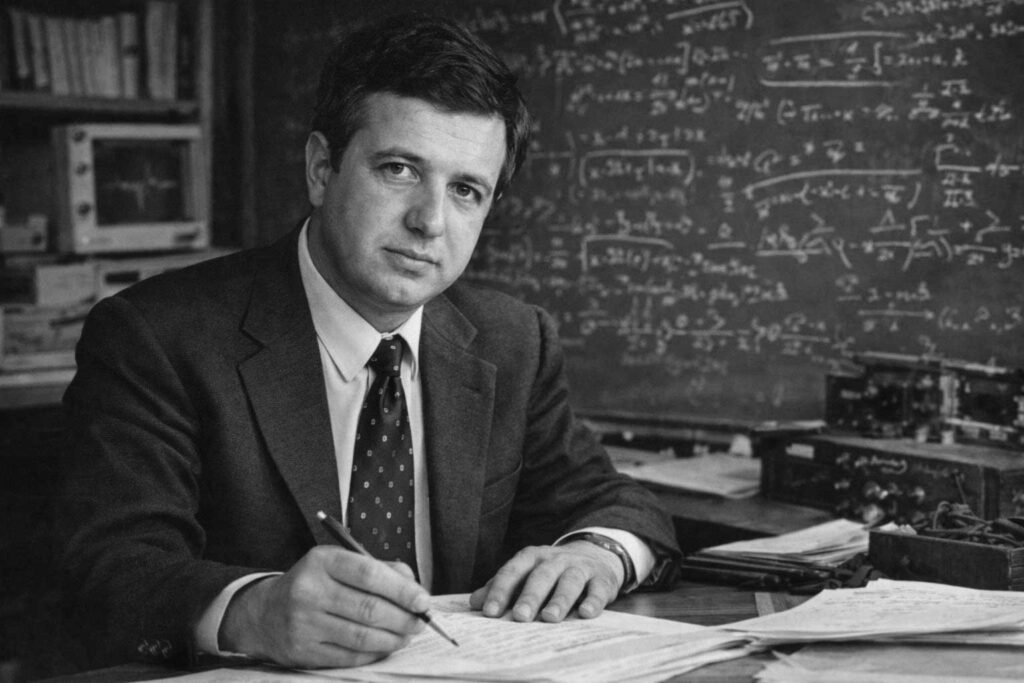
Blagovest Sendov was a leading Bulgarian mathematician and computer scientist who contributed to numerical analysis and computational methods. His work helped improve how complex mathematical problems are solved using computers.
Beyond research, Sendov played a key role in modernizing computer science education in Bulgaria. He introduced new curricula and helped integrate computing into academic institutions during a critical period of technological development.
His influence extended beyond Bulgaria, contributing to the broader field of computational mathematics.
👉 Sendov helped prepare Bulgaria for its transition into a modern technology-driven economy.
👉 Learn how Bulgaria developed its computing expertise in Bulgarian science and technology history.
8. Dimitar Paskov

Dimitar Paskov made a major contribution to medicine through his research on the snowdrop plant (Galanthus nivalis). He discovered its active compound, which led to the development of the drug Nivalin.
Nivalin became an important treatment for neurological conditions, including Alzheimer’s disease, due to its ability to improve nerve signal transmission.
At a time when treatments for such conditions were limited, Paskov’s discovery represented a significant breakthrough in pharmaceutical science.
👉 His work continues to impact modern neurology and drug development.
👉 Explore the full story behind this breakthrough in Dimitar Paskov Nivalin discovery.
9. Nikola Obreshkov

Nikola Obreshkov was a prominent mathematician whose work in algebra and numerical analysis influenced applied mathematics and engineering.
He developed methods that are used to solve complex equations and analyze systems in physics and engineering. His research contributed to the mathematical foundation needed for modern scientific and technological development.
Obreshkov also played a key role in academic leadership, helping shape mathematical education in Bulgaria.
👉 His influence continues through mathematical methods used in science and engineering today.
👉 His mathematical contributions support innovations highlighted in Bulgarian inventions that changed the world.
10. Asen Zlatarov
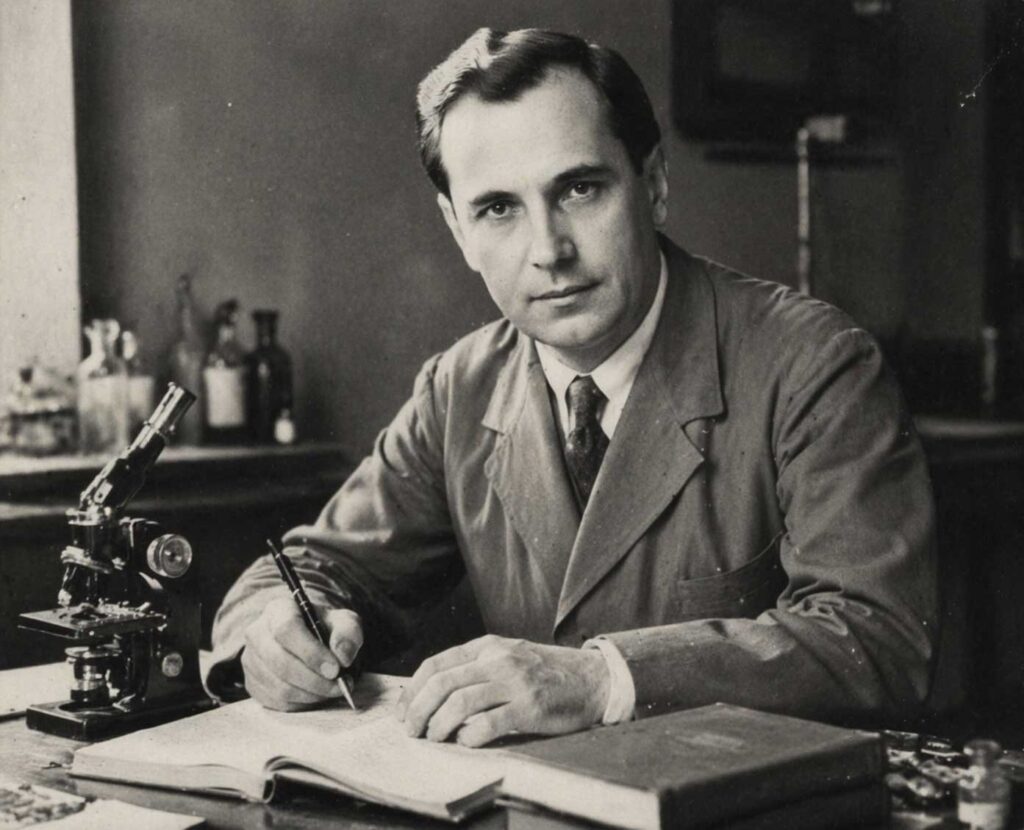
Asen Zlatarov was not only a chemist but also one of the most important science educators in Bulgaria. He dedicated much of his life to promoting scientific knowledge and making it accessible to the public.
Through books, lectures, and teaching, Zlatarov helped popularize science and inspire interest in chemistry and scientific thinking.
His work played a key role in developing Bulgaria’s scientific culture during the early 20th century.
👉 He is remembered as both a scientist and a cultural figure who promoted knowledge and education.
👉 His influence on education connects to Bulgaria’s broader scientific development explored in Bulgarian science and technology history.
11. Stamen Grigorov
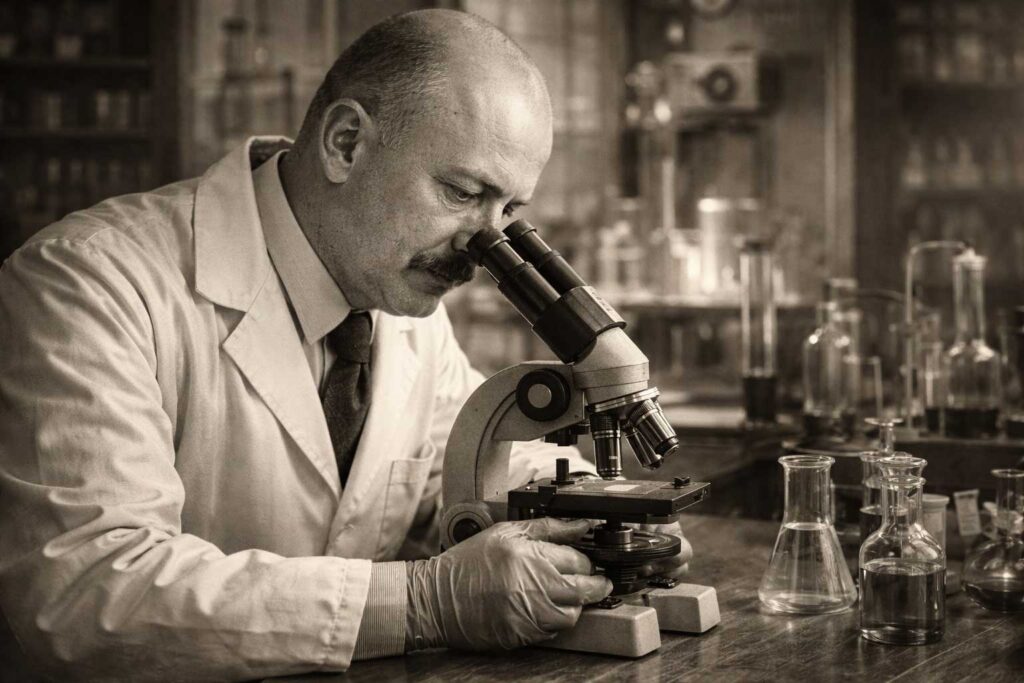
Stamen Grigorov made one of the most important discoveries in food science when he identified Lactobacillus bulgaricus in 1905.
This bacterium is essential for yogurt fermentation and is used worldwide in the production of dairy products. His discovery helped transform yogurt from a traditional food into a scientifically understood product.
It also contributed to the development of probiotics and research into gut health.
👉 Today, his work influences global food industries and modern nutrition science.
👉Learn more about this discovery in Lactobacillus bulgaricus explained.
12. Ivan Mitev
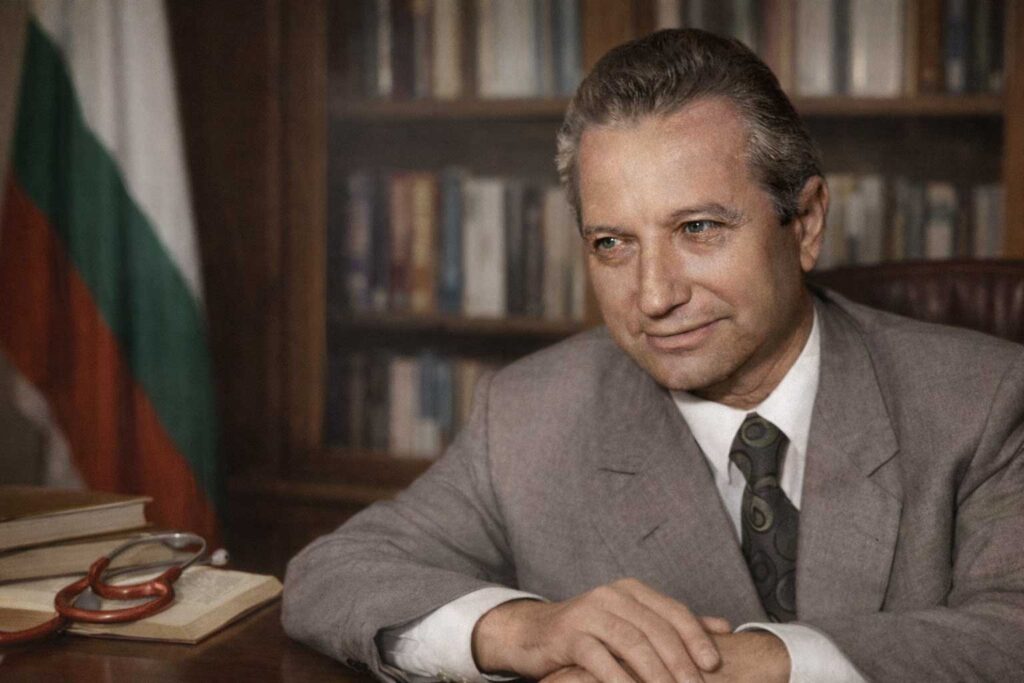
Ivan Mitev was a pioneering Bulgarian physician who discovered the sixth heart tone, known as the Tone of Mitev.
This discovery expanded the understanding of heart sounds and improved diagnostic techniques in cardiology. It demonstrated how careful observation and clinical expertise can lead to important medical breakthroughs.
Mitev’s work helped refine the practice of auscultation, allowing doctors to better understand heart function.
👉 His contribution remains part of modern cardiology and diagnostic medicine.
👉 Read the full medical discovery in Ivan Mitev heart tone discovery.
Why Bulgarian Scientists Matter
Although Bulgaria is a relatively small country, Bulgarian scientists and inventors have made major contributions to global knowledge. Their research and discoveries influenced fields such as computer science, aviation engineering, physics, chemistry, and medicine.
Many Bulgarian discoveries helped shape modern technology and scientific progress through work in international institutions, helping to bridge research communities across the world.
Bulgarian researchers have influenced fields including:
- computer science
- aviation engineering
- physics
- chemistry
- medicine
- space technology
👉 The impact of Bulgarian scientists and inventors can be seen in technologies and discoveries used around the world today.
Modern Bulgarian Scientists and Innovators

Bulgarian innovation did not stop in the past. Today, the country continues to produce world-class scientists, engineers, and developers.
👉 Modern Bulgarian scientists and inventors continue to push the boundaries of innovation across multiple industries.
Modern Bulgarian innovators are contributing to:
- Artificial intelligence
- Cybersecurity
- Fintech
- Software engineering
- Robotics
Cities like Sofia are becoming major European tech hubs, attracting global companies and startups.
👉 This shows that Bulgarian scientists and inventors are still shaping the future.
What Makes Bulgarian Scientists Unique
Several factors contributed to the success of Bulgarian innovators:
Strong Education System
A deep focus on mathematics and science.
Innovation Under Constraints
Limited resources encouraged creative problem-solving.
Global Collaboration
Many Bulgarian scientists worked internationally, spreading their influence.
👉 These characteristics help explain why Bulgarian scientists and inventors have been able to make such lasting global contributions.
Frequently Asked Questions
Who is the most famous Bulgarian scientist?
One of the most famous Bulgarian scientists is John Vincent Atanasoff, inventor of the first electronic digital computer.
Did Bulgaria contribute to computer technology?
Yes. Bulgarian-born inventor Atanasoff pioneered the principles of digital computing, and Bulgaria later developed the Pravetz computer systems used throughout Eastern Europe.
What Bulgarian discoveries influenced modern technology?
Some important discoveries include:
- digital computer architecture
- crystal growth theory
- photoelectret physics used in photocopying
- pharmaceutical discoveries from natural compounds
👉 You can also explore the full timeline in Timeline of Bulgarian inventions.
Conclusion
👉 Bulgarian scientists and inventors have played a crucial role in shaping modern science, technology, and medicine.
These achievements highlight the importance of Bulgarian discoveries and innovations, demonstrating how Bulgarian scientists have contributed to global scientific progress.
Learning about these innovators not only highlights Bulgaria’s contributions to science but also inspires future generations to continue exploring, discovering, and inventing.