


Traditional Bulgarian dairy products are among the most iconic and globally recognized elements of Bulgaria’s culinary identity. From the world-famous yogurt to uniquely flavored white brined cheeses, these foods are deeply connected to the country’s history, geography, and traditions.
What makes Bulgarian dairy products special is not just their taste—but their authentic production methods, natural ingredients, and centuries-old fermentation techniques.
At the heart of this tradition lies Lactobacillus bulgaricus, a powerful probiotic bacterium discovered in Bulgaria that plays a key role in creating the country’s signature yogurt.
Traditional Bulgarian dairy products are also closely tied to the concept of clean eating long before it became a global trend. For centuries, Bulgarians consumed dairy that was locally sourced, minimally processed, and free from artificial additives. This natural approach is one of the main reasons these foods are still considered among the healthiest in Europe today.
Traditional Bulgarian dairy products are among the most important elements of Bulgarian cuisine, known worldwide for their probiotic benefits, unique taste, and authentic preparation methods.
If you want to explore more traditional dishes, check out our complete guide to Bulgarian Cuisine: Complete Food Guide.
In addition, Bulgarian dairy reflects a deep connection between people and nature. Seasonal production, pasture-fed animals, and traditional preservation methods all contribute to a system where quality is prioritized over quantity. This philosophy continues to influence modern Bulgarian food culture and is one of the reasons these products remain highly respected worldwide.
Bulgarian dairy products are:
- Rich in probiotics and nutrients
- Made using traditional fermentation methods
- Deeply embedded in everyday meals
- Recognized globally for quality and health benefits
👉 In this guide, you’ll explore every major Bulgarian dairy product, how they’re made, and why they matter.
Why Bulgarian Dairy Is Unique
Bulgarian dairy products are:
- Made with minimal processing
- Naturally fermented
- Rich in beneficial bacteria
- Deeply rooted in local traditions
👉 This combination creates a category of food that is both delicious and functional.
Cultural Importance
Dairy products are consumed daily in Bulgaria:
- Breakfast: yogurt, cheese, bread
- Lunch: salads, soups
- Dinner: cooked meals with cheese or yogurt
👉 In many households, dairy is not optional—it’s essential.
The Origins of Bulgarian Dairy Tradition
The history of Bulgarian dairy production dates back thousands of years. Ancient civilizations in the region relied heavily on livestock and discovered fermentation as a natural way to preserve milk.
Early Development
The Thracians, who inhabited the region before modern Bulgarians, were known for:
- Raising sheep and goats
- Producing early forms of cheese
- Using fermentation techniques
Over time, these practices evolved and were passed down through generations.
Another important factor in the development of Bulgarian dairy products is the country’s nomadic and pastoral past. Shepherd communities moved through mountain regions with their animals, relying on milk as a primary food source. This lifestyle encouraged innovation in preserving dairy, leading to the early forms of cheese and fermented milk products we see today.
Over time, these techniques became refined and standardized within local communities. Recipes and methods were passed down through generations, often remaining unchanged for centuries. This continuity is what allows modern Bulgarian dairy to maintain its authenticity even in today’s industrialized world.
Scientific Breakthrough
In the early 20th century, Stamen Grigorov discovered the bacteria responsible for yogurt fermentation.
This discovery changed the global understanding of probiotics.
Later, Ilya Metchnikoff connected yogurt consumption to longevity, making Bulgarian yogurt world-famous.
Environmental Influence
Bulgaria’s:
- Mountain air
- Clean water
- Diverse flora
👉 All contribute to the natural development of beneficial bacteria.
Later, Nobel Prize-winning scientist Ilya Metchnikoff linked yogurt consumption to longevity, further boosting global interest.
Bulgarian Yogurt (Кисело мляко)
Bulgarian yogurt, known as кисело мляко (kiselo mlyako), is the most famous dairy product from Bulgaria.
One of the most fascinating aspects of Bulgarian yogurt is its ability to maintain consistency across generations. Even today, many households use a small portion of a previous batch as a starter culture, continuing a tradition that has existed for hundreds of years. This method helps preserve the unique bacterial balance that defines authentic yogurt.
Additionally, Bulgarian yogurt plays a role beyond nutrition—it is often associated with comfort and home. Many Bulgarians grow up eating yogurt daily, making it one of the most emotionally connected foods in the country. Whether served plain, with honey, or as part of a dish, it remains a symbol of simplicity and health.
Bulgarian yogurt has a rich history and powerful health benefits—explore the full story in our guide to Bulgarian Yogurt: History and Health Benefits.What Makes It Different?
Unlike regular yogurt, Bulgarian yogurt is made using a specific symbiotic culture:
This combination creates:
- A thick, creamy texture
- A slightly tangy taste
- High probiotic content
Authentic yogurt is made by:
- Heating fresh milk
- Cooling it carefully
- Adding a live culture
- Letting it ferment undisturbed
In villages, yogurt is often left overnight wrapped in cloth to maintain warmth.
👉 The process is simple—but precision matters.
Everyday Uses
Bulgarian yogurt is used in:
- Breakfast bowls
- Cold soups like tarator
- Cooking sauces
- Drinks like ayran
👉 It’s one of the most versatile foods in Bulgarian cuisine.
Make Authentic Bulgarian yogurt at home:
| Product | Best For | Rating | Price | Check Price |
|---|---|---|---|---|
| Euro Cuisine Yogurt Maker | Beginners | ⭐⭐⭐⭐☆ | $$ | 👉 Check Price |
| Instant Pot (Yogurt Function) | Multi-use | ⭐⭐⭐⭐⭐ | $$$ | 👉 Check Price |
| Bear Yogurt Maker | Advanced control | ⭐⭐⭐⭐☆ | $$ | 👉 Check Price |
Disclosure: As an Amazon Associate, we earn from qualifying purchases. This helps support the site at no additional cost to you.
💡 Tip: Use Bulgarian starter culture for authentic results.
Sirene (Bulgarian White Brined Cheese)
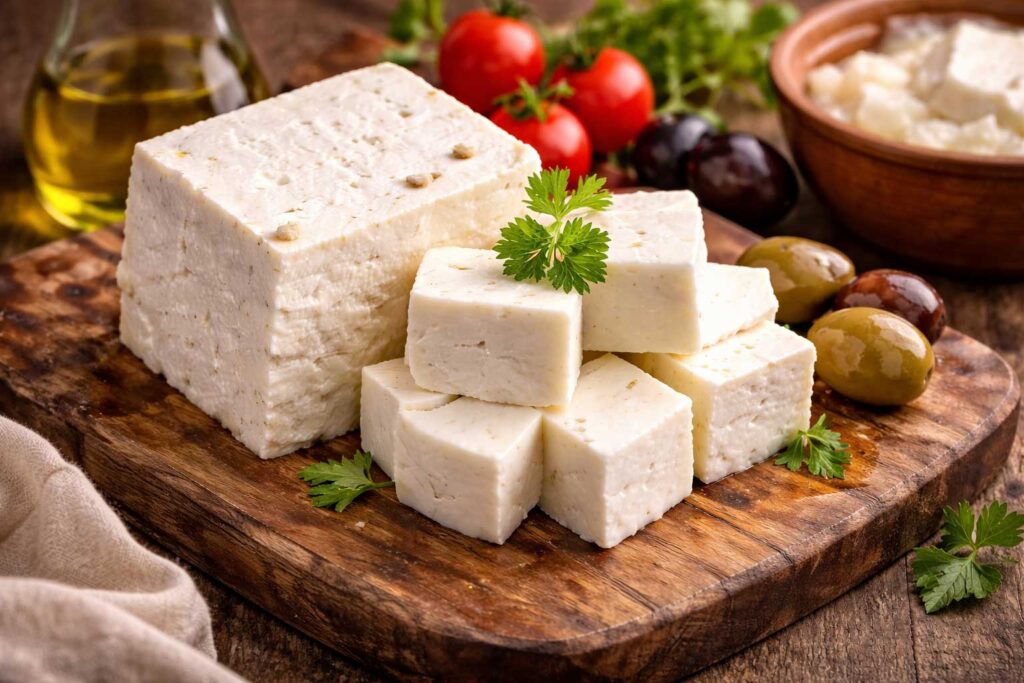
Sirene is Bulgaria’s signature white cheese and a staple in almost every meal. Sirene also reflects regional diversity within Bulgaria. Depending on whether it is made from cow, sheep, or goat milk, the flavor can vary significantly—from mild and creamy to sharp and tangy. This variety allows sirene to be used in a wide range of dishes, making it one of the most adaptable cheeses in Bulgarian cuisine.
Another key characteristic of sirene is its ability to age well. As it matures in brine, its texture becomes firmer and its flavor more pronounced. This aging process enhances its culinary value, especially in baked dishes where a stronger cheese profile is preferred.
Sirene is essential in dishes like Shopska salad—see how it’s made in our Shopska Salad Recipe Guide.
What Is Sirene?
Sirene is a brined cheese similar to feta but with its own distinct character:
- Softer texture
- Creamier taste
- Slightly saltier flavor
It is typically made from:
- Cow milk
- Sheep milk
- Goat milk
How It’s Used
Sirene is incredibly versatile and appears in many traditional dishes:
- Salads (especially Shopska salad)
- Pastries like banitsa
- Grilled dishes
- Breakfast plates
👉 It’s one of the most essential ingredients in Bulgarian cuisine.
Kashkaval (Bulgarian Yellow Cheese)
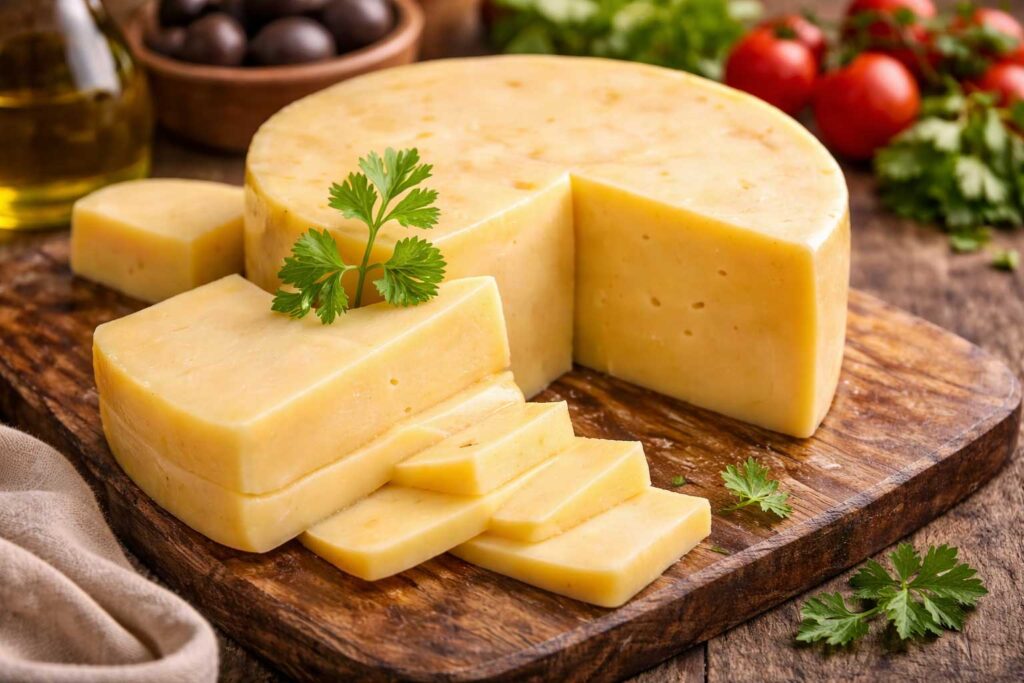
Kashkaval is a semi-hard yellow cheese known for its rich flavor and melting properties. Kashkaval is also valued for its versatility in cooking techniques. It can be sliced, grated, melted, or fried, making it suitable for both simple meals and more complex recipes. Its ability to retain structure while melting makes it especially popular in hot dishes.
In addition, kashkaval is often enjoyed on its own as part of a traditional Bulgarian appetizer platter. Served with bread, olives, and cured meats, it highlights the country’s emphasis on simple, high-quality ingredients that speak for themselves.
Characteristics
- Firm texture
- Slightly nutty taste
- Smooth melting consistency
Production
Kashkaval is made through a process similar to Italian pasta filata cheeses, involving:
- Heating the curd
- Stretching it
- Aging it
Popular Uses
- Fried kashkaval (кашкавал пане)
- Sandwiches
- Pizza-style dishes
- Grilled meals
👉 It’s Bulgaria’s answer to cheeses like mozzarella or cheddar.
Cheese Making Tools
| Product | Use | Rating | Price | Check Price |
|---|---|---|---|---|
| Cheese Cloth Set | Straining milk | ⭐⭐⭐⭐⭐ | $ | 👉 Check Price |
| Cheese Press Kit | Homemade cheese | ⭐⭐⭐⭐☆ | $$ | 👉 Check Price |
| Cheese Mold Set | Shaping cheese | ⭐⭐⭐⭐☆ | $ | 👉 Check Price |
💡 Pro Tip: Using proper tools like cheese cloth and molds can dramatically improve the texture and authenticity of homemade Bulgarian cheese like sirene.
Ayran (Traditional Yogurt Drink)

Ayran is a refreshing drink made by mixing yogurt with water and salt. Ayran is not only refreshing but also plays an important role in balancing flavors within a meal. Its slightly salty and tangy profile helps cut through rich or heavy foods, making it an ideal pairing for grilled meats and fried dishes.
In rural areas, ayran is often prepared fresh multiple times a day, especially during summer months. Its simplicity allows for quick preparation, yet its nutritional value makes it a staple beverage that supports hydration and digestion.
Why It’s Popular
- Extremely hydrating
- Perfect for hot summers
- Helps digestion
How It’s Made
- Bulgarian yogurt
- Cold water
- Pinch of salt
Mixed until smooth and slightly frothy.
👉 It’s often served with grilled foods or pastries.
Bulgarian Butter and Cream
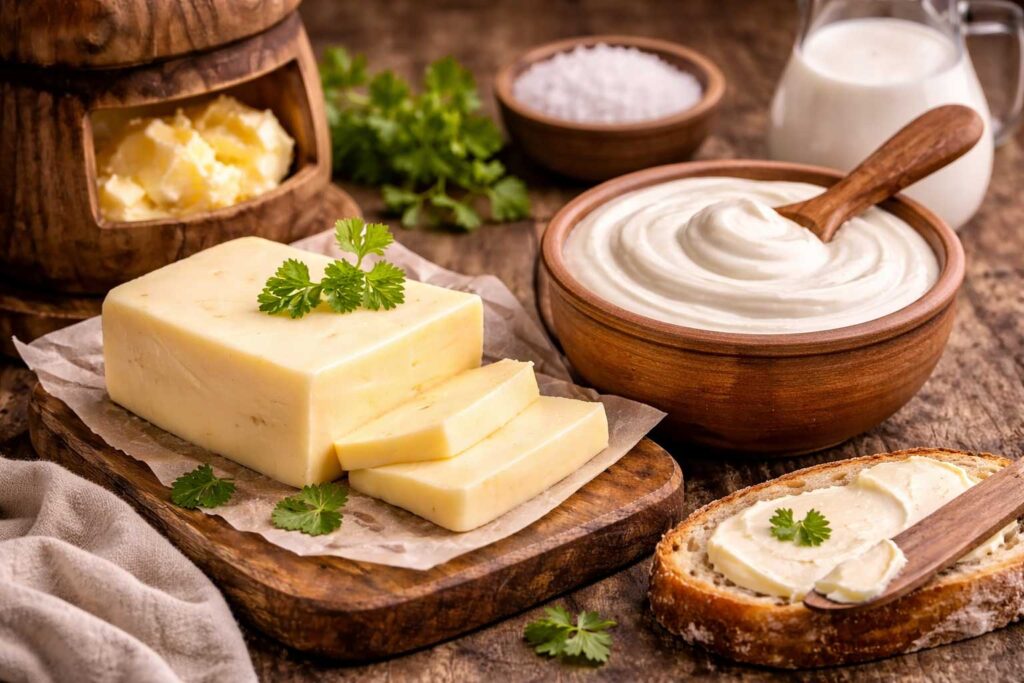
Traditional Bulgarian dairy also includes rich butter and cream products. Traditional Bulgarian butter and cream are often richer in flavor compared to mass-produced alternatives. This is largely due to the diet of the animals and the absence of industrial processing techniques that can strip away natural taste.
These dairy products are also closely associated with home cooking. Many traditional recipes rely on butter or cream to achieve their signature texture and flavor, making them essential ingredients in both everyday meals and festive dishes.
Key Types
- Fresh butter (масло)
- Sour cream (сметана)
- Thick dairy cream
These are often made in small batches using traditional methods.
Uses
- Cooking and baking
- Spreading on bread
- Enhancing sauces and soups
Other Traditional Bulgarian Dairy Products
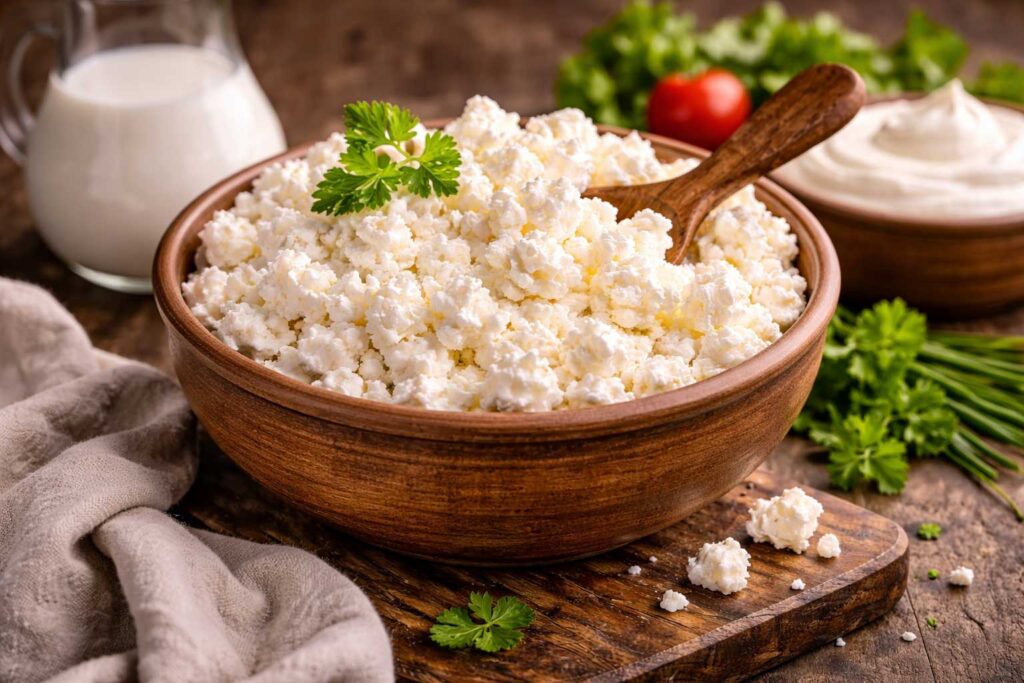
These lesser-known dairy products highlight the creativity and resourcefulness of Bulgarian cuisine. Nothing goes to waste, and even by-products of milk processing are transformed into delicious and nutritious foods.
Regional variations also play a significant role in these products. Different areas of Bulgaria have their own unique versions, influenced by local ingredients and traditions. This diversity adds depth to the country’s overall dairy culture.
Beyond the main products, Bulgaria has several lesser-known dairy foods:
Izvara (Curd Cheese)
- Similar to cottage cheese
- High in protein
- Mild flavor
Katak
- Thick fermented dairy spread
- Often mixed with garlic or peppers
Skyr-like Yogurt Variants
- Extra thick
- High protein content
👉 These products are often homemade and vary by region.
Why Traditional Bulgarian Dairy Products Are World-Famous
Bulgarian dairy products have earned global recognition due to their:
- Unique bacterial cultures
- Traditional production methods
- Health benefits
Many international brands try to replicate Bulgarian yogurt, but authentic versions remain unmatched due to the natural environment and original cultures.
Another reason for their global reputation is the growing interest in natural and probiotic foods. As more people seek healthier dietary options, Bulgarian dairy products have gained renewed attention for their scientifically proven benefits.
In addition, Bulgaria’s reputation as the “homeland of yogurt” continues to attract researchers, chefs, and food enthusiasts from around the world. This ongoing interest helps preserve and promote traditional methods on an international scale.
Role in Bulgarian Cuisine
Dairy products also contribute to the balance of flavors that defines Bulgarian cuisine. The combination of fresh vegetables, herbs, and dairy creates dishes that are both light and satisfying.
Moreover, dairy often serves as a unifying element in meals, bringing together different ingredients into a cohesive dish. Whether it’s crumbled cheese over a salad or yogurt added to a soup, it enhances both texture and taste.
Many traditional meals include dairy as a key ingredient—discover more in our guide to Traditional Bulgarian Breakfast Foods.
Traditional Bulgarian dairy products are used daily in:
- Breakfast (yogurt, cheese, bread)
- Lunch (salads, soups)
- Dinner (grilled dishes, pastries)
Popular dishes include:
- Shopska salad
- Banitsa
- Tarator
👉 Dairy is not just an ingredient—it’s a foundation of Bulgarian cuisine.
Health Benefits of Bulgarian Dairy
Modern research continues to support the health benefits of fermented dairy products. Studies suggest that regular consumption can improve gut health, reduce inflammation, and support overall well-being.
Additionally, Bulgarian dairy products are nutrient-dense, providing essential vitamins and minerals such as calcium, vitamin B12, and protein. This makes them an excellent choice for maintaining a balanced diet.
The unique benefits of Bulgarian yogurt come from specific bacteria—learn more in Lactobacillus Bulgaricus Explained.
Regular consumption of Bulgarian dairy products is associated with:
- Better digestion
- Stronger immune system
- Improved gut microbiome
- Longevity
Thanks to probiotic bacteria, these foods are considered functional superfoods.
Traditional vs Modern Production
While modern production has made Bulgarian dairy more accessible, it has also introduced challenges in maintaining authenticity. Mass production often requires compromises in fermentation time and ingredient quality.
However, many producers in Bulgaria continue to prioritize traditional methods, ensuring that the original taste and nutritional value are preserved. This balance between tradition and innovation helps keep Bulgarian dairy relevant in today’s market.
Traditional
- Small farms
- Natural fermentation
- No additives
Modern
- Industrial production
- Standardized cultures
- Mass distribution
👉 While modern production increases availability, traditional methods preserve authenticity.
How to Choose Authentic Traditional Bulgarian Dairy Products

Understanding labels and sourcing is key when selecting authentic products. Many brands use the name “Bulgarian-style,” but may not follow traditional methods or use authentic cultures.
Whenever possible, choosing products imported from Bulgaria or made with verified starter cultures can help ensure authenticity. Paying attention to texture, taste, and ingredient lists can also make a significant difference.
When buying Bulgarian dairy products, look for:
- Live cultures
- Minimal ingredients
- Traditional labeling
- Imported Bulgarian origin
Avoid overly processed versions with additives.
Recommended Reads
- Bulgarian Yogurt: History and Health Benefits
- Traditional Bulgarian Breakfast Foods
- Shopska Salad Recipe Guide
- Bulgarian Cuisine: Complete Food Guide
- Lactobacillus Bulgaricus Explained
FAQs About Traditional Bulgarian Dairy Products
What is the most famous Bulgarian dairy product?
Bulgarian yogurt (кисело мляко) is the most famous due to its unique bacteria and health benefits.
Is Bulgarian cheese the same as feta?
No. While similar, sirene has a creamier texture and different taste profile.
Why is Bulgarian yogurt considered healthier?
Because it contains specific probiotic strains like Lactobacillus bulgaricus that support gut health.
Can you find Bulgarian dairy products outside Bulgaria?
Yes, but authentic versions are harder to find and may differ in taste.
What dishes use Bulgarian dairy products?
Common dishes include:
- Banitsa
- Tarator
- Shopska salad
Final Thoughts
As global food trends continue to shift toward natural and functional foods, Bulgarian dairy products are well-positioned to remain relevant. Their combination of tradition, science, and health benefits makes them timeless.
Whether you are exploring Bulgarian cuisine for the first time or looking to incorporate healthier foods into your diet, these dairy products offer a perfect balance of flavor and nutrition that is hard to match.
References
Sources include scientific studies, microbiology research, and international health organizations to ensure accuracy and credibility.
- Stamen Grigorov. “The Discovery of Lactobacillus bulgaricus.” Early 20th-century microbiology research.
- Ilya Metchnikoff. The Prolongation of Life: Optimistic Studies. London: Heinemann, 1907. https://archive.org/details/prolongationofli00metcuoft
- Food and Agriculture Organization / World Health Organization. Guidelines for the Evaluation of Probiotics in Food. 2002. https://www.fao.org/3/a0512e/a0512e.pdf
- Lactobacillus delbrueckii subsp. bulgaricus. Journal of Applied Microbiology. https://sfamjournals.onlinelibrary.wiley.com
- Streptococcus thermophilus. Research on symbiotic fermentation in yogurt cultures. https://www.ncbi.nlm.nih.gov
- Tamime, A. Y., & Robinson, R. K. Yoghurt: Science and Technology. Woodhead Publishing, 2007.
- Probiotics. Harvard Medical School. https://www.health.harvard.edu/diet-and-nutrition/the-benefits-of-probiotics
- National Institutes of Health. Probiotics: What You Need To Know. https://www.nccih.nih.gov/health/probiotics-what-you-need-to-know
- Marco, M. L., et al. “Health benefits of fermented foods: microbiota and beyond.” Current Opinion in Biotechnology, 2017. https://www.sciencedirect.com/science/article/pii/S0958166917300029
- Bulgaria. Traditional yogurt production and microbial heritage. https://en.wikipedia.org/wiki/Bulgarian_yogurt
- Bulgarian yogurt. Cultural and culinary significance in Bulgaria. https://en.wikipedia.org/wiki/Yogurt