


Few figures in modern history have sparked as much fascination, mystery, and controversy as Baba Vanga. Known for her mysterious visions and prophetic abilities, baba vanga predictions have captivated millions around the world and continue to fuel debate decades after her death.
Blind since childhood, this Bulgarian mystic became world-famous for her alleged ability to predict future events with eerie accuracy. From global disasters to political shifts, many believe her visions continue to unfold even today.
But what exactly did she predict—and how much of it actually came true?
Baba Vanga predictions are among the most discussed prophecies in modern history. From the September 11 attacks to global pandemics, many believe baba vanga predictions have accurately described major world events, while others argue they are vague and open to interpretation.
Learn more about Bulgarian history and culture in our guide to Bulgarian traditions and customs.
Who Was Baba Vanga?
The Bulgarian prophet Baba Vanga became one of the most well-known mystical figures in Europe, attracting visitors from around the world.
- Born: 1911 in what is now Strumica
- Lived most of her life near Petrich
- Lost her eyesight during a mysterious storm as a child
- Claimed to receive visions from unseen forces
She became known as the “Nostradamus of the Balkans,” attracting visitors from across the world—including politicians, scientists, and ordinary people seeking answers.
Many accounts describe how people would travel for days just to meet her, forming long lines outside her modest home. Visitors claimed she could reveal deeply personal details about their lives—sometimes before they even spoke. These stories played a major role in building her reputation not only in Bulgaria but across Eastern Europe.
During the Cold War era, even high-ranking officials were rumored to have consulted her in secret. While official documentation is scarce, the consistency of these stories helped solidify her status as a cultural phenomenon. Today, she remains one of the most talked-about mystics in modern history.
Over time, Baba Vanga’s predictions spread far beyond Bulgaria, gaining global attention and turning her into one of the most talked-about mystics in history.
Let’s break down the most shocking Baba Vanga predictions 👇
What Are Baba Vanga Predictions and Why Are They Important?
Baba Vanga predictions are often interpreted differently depending on cultural context, historical events, and personal beliefs. Some view them as symbolic messages that require decoding, while others believe they are direct glimpses into the future. This ambiguity is one of the key reasons why her predictions remain relevant and widely discussed across generations.
This Baba Vanga predictions list includes some of the most shocking and widely discussed events that many believe she foresaw decades in advance.
Baba Vanga’s predictions continue to attract global attention as people search for patterns between her visions and real-world events.
1. The 9/11 Attacks
“Horror, horror! The American brethren will fall after being attacked by steel birds…”
This is often linked to the September 11 attacks.
Supporters argue that the phrase “steel birds” clearly refers to airplanes, while “American brethren” symbolizes the people of the United States. The imagery of falling structures aligns with the collapse of the Twin Towers, making this one of the most widely cited examples of her alleged foresight.
Many people still ask, did Baba Vanga predict 9/11, as her alleged quote about “steel birds” continues to be widely debated.
However, skeptics point out that the quote surfaced years after the event and lacks verified documentation from before 2001. This raises important questions about whether the prediction was truly made in advance or interpreted retroactively to fit the tragedy.
This event is often cited as one of the strongest examples supporting Baba Vanga’s predictions and their alleged accuracy.
The continued interest in this prediction highlights how major global events often lead people to revisit historical prophecies. In times of uncertainty, individuals search for patterns or warnings from the past, which is why the question “Did Baba Vanga predict 9/11?” continues to trend in search engines and online discussions.
2. The Kursk Submarine Disaster
“Kursk will be covered with water, and the whole world will weep over it.”
Linked to the sinking of the Kursk submarine.
At the time she reportedly made this statement, many assumed she was referring to the Russian city of Kursk, not a submarine. The idea of an entire city being submerged seemed unrealistic, leading critics to dismiss the prediction entirely.
After the tragic submarine disaster in 2000, the meaning of her words took on a new interpretation. This shift illustrates how her predictions often gain significance only after real-world events provide context, fueling both belief and skepticism.
This case is often used as an example of how interpretations of baba vanga predictions can evolve over time. What initially seemed unclear or incorrect later gained meaning after the event occurred, reinforcing the idea that her prophecies may require hindsight to be fully understood.
3. The 2004 Indian Ocean Tsunami
“A huge wave will cover a big coast with people and towns…”
Linked to the 2004 Indian Ocean tsunami.
The tsunami was one of the deadliest natural disasters in recorded history, affecting multiple countries across Southeast Asia. Entire communities were destroyed within minutes, leaving devastation that shocked the world.
Because large waves and floods are common symbolic elements in prophetic language, critics argue that this prediction is too general. Still, the scale and impact of the disaster make it one of the most frequently associated events with Baba Vanga’s prophecies.
Natural disasters have long been associated with prophetic visions, which makes it challenging to distinguish between coincidence and prediction. Still, many believers argue that the scale and timing of events like the 2004 tsunami give additional weight to baba vanga prophecies and their potential significance.
4. The Rise of China
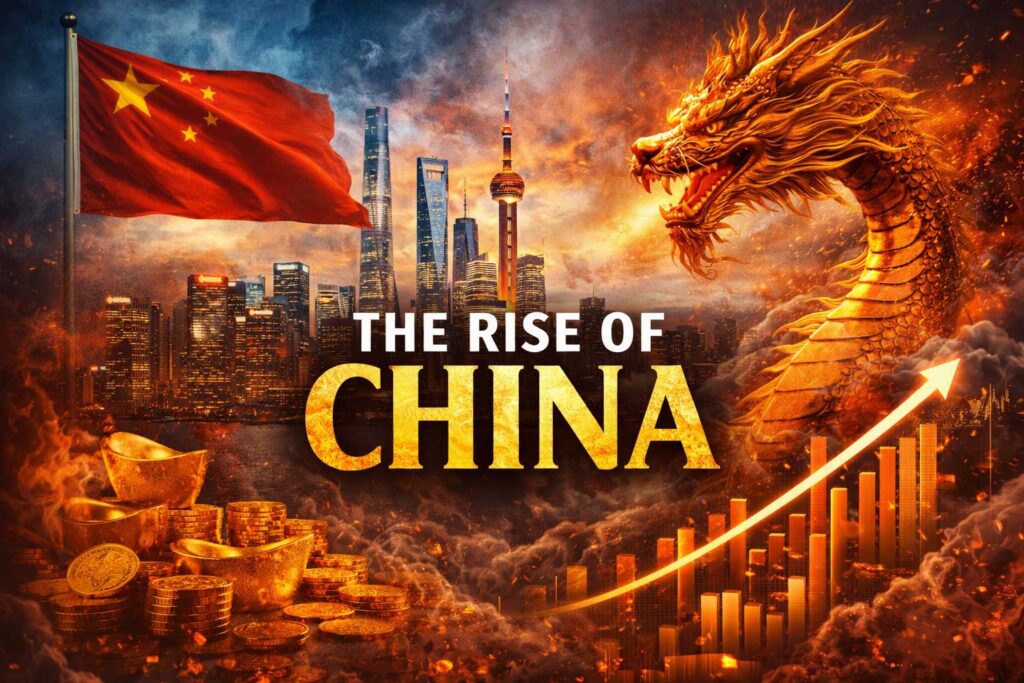
“The great dragon will take over the world…”
Over the past few decades, China has transformed into one of the most powerful economies in the world. Its influence spans technology, manufacturing, global trade, and geopolitics, aligning closely with interpretations of this prediction.
The symbolism of a dragon is deeply rooted in Chinese culture, making this connection even more compelling for believers. However, skeptics argue that predicting the rise of a major civilization is not unusual, especially given historical patterns of shifting global power.
Baba Vanga prophecies have fascinated researchers, historians, and skeptics alike, as people continue trying to interpret her mysterious visions.
The rapid development of China in recent decades has reshaped global economics and politics, making this one of the most frequently cited examples of long-term predictions. Whether viewed as coincidence or insight, this aligns with the broader narrative found in many baba vanga predictions about shifting world powers.
Many experts continue to analyze Baba Vanga’s prophecies, trying to determine whether her visions were symbolic warnings or actual predictions of future events.
5. Global Pandemics
Pandemics have occurred throughout human history, from the Black Death to modern outbreaks. This makes predictions about widespread disease both plausible and difficult to verify as uniquely prophetic.
During the COVID-19 pandemic, interest in Baba Vanga surged online, with many searching for connections between her words and current events. This demonstrates how global crises often reignite fascination with prophetic figures and their alleged predictions.
6. Advances in Technology & Medicine

Modern advancements in artificial intelligence, robotics, and biotechnology have dramatically changed how we approach medicine and everyday life. From robotic surgeries to AI-assisted diagnostics, many of these developments seem to align with futuristic predictions attributed to Baba Vanga.
Some interpretations even suggest she foresaw human life extension and breakthroughs in curing previously untreatable diseases. While these claims are difficult to verify, they continue to fuel discussions about the intersection of science and prophecy.
Some interpretations suggest Baba Vanga’s predictions even anticipated the rapid development of artificial intelligence and modern medicine.
As innovation continues to accelerate, discussions about future technologies often bring renewed attention to prophetic claims. The connection between baba vanga predictions and modern advancements in AI and medicine reflects humanity’s ongoing curiosity about what lies ahead and whether the future can truly be foreseen.
Were Her Predictions Real?
One of the biggest challenges in evaluating Baba Vanga’s predictions is the lack of reliable, time-stamped records. Many of her statements were passed down orally, making it difficult to confirm their original wording or timing.
This opens the door to reinterpretation, where vague phrases are matched with real events after they occur. Still, the sheer number of stories surrounding her accuracy keeps the debate alive, making her one of the most intriguing figures in modern folklore.
Another factor that fuels debate is the role of media and the internet in spreading and reshaping these stories. As information is shared across platforms, interpretations can change, making it even harder to separate original statements from modern reinterpretations of baba vanga predictions.
Baba Vanga’s Legacy
Her home near Rupite is a major attraction
The area around Rupite has become a place of pilgrimage, where visitors come not only to honor her memory but also to seek spiritual insight. The church built in her honor reflects her influence on Bulgarian culture and spirituality.
Even decades after her death, documentaries, books, and online discussions continue to explore her life and predictions. This enduring fascination highlights her lasting impact—not just in Bulgaria, but around the world.
Her influence extends beyond predictions, shaping Bulgaria’s cultural identity and attracting international attention. Today, baba vanga predictions are not only part of folklore but also a global topic discussed in documentaries, books, and digital media.
Explore more about Bulgaria in our article on what Bulgaria is famous for.
Final Thoughts
Baba Vanga’s story sits at the intersection of history, folklore, and mystery. Whether viewed as a true prophet or a figure shaped by myth and interpretation, her influence is undeniable.
In the age of the internet, her predictions continue to circulate widely, often gaining new meaning with each global event. This ensures that her legacy will likely remain relevant—and debated—for generations to come.
Even today, baba vanga prophecies are widely discussed by believers and skeptics around the world.
Why Are Baba Vanga Predictions So Popular?
Baba Vanga’s predictions remain popular because they combine mystery, fear, and curiosity about the future. In times of global uncertainty, people often turn to prophetic figures for answers, which keeps interest in her predictions alive even decades after her death.
Additionally, the human desire to understand the future plays a major role in their popularity. People are naturally drawn to predictions that offer insight into unknown events, which is why baba vanga predictions continue to gain attention whenever major global developments occur.
Frequently Asked Questions About Baba Vanga
Who was Baba Vanga?
Baba Vanga was a blind Bulgarian mystic and healer who lived from 1911 to 1996. She became famous for her alleged ability to predict future events and provide guidance to visitors from around the world. Many people referred to her as the “Nostradamus of the Balkans” due to her widespread reputation.
The legacy of the Bulgarian prophet Baba Vanga continues to influence discussions about mysticism and future predictions worldwide.
Even today, Baba Vanga’s predictions remain widely discussed across media, blogs, and social platforms.
What are Baba Vanga’s most famous predictions?
Some of the most well-known predictions attributed to Baba Vanga include:
- The September 11 attacks
- The sinking of the Kursk submarine
- The 2004 Indian Ocean tsunami
- The rise of China as a global power
- Global health crises such as COVID-19
These predictions are widely discussed, although many remain debated.
Did Baba Vanga really predict 9/11?
Many believe Baba Vanga predicted the 9/11 attacks based on a quote mentioning “steel birds” and the fall of “American brethren.” However, there is no verified written record proving the prediction existed before the event, which leads skeptics to question its authenticity.
How did Baba Vanga lose her eyesight?
According to popular accounts, Baba Vanga lost her sight during a powerful storm when she was a child. It is said that she was lifted by strong winds and later found injured, after which she gradually became blind.
Where did Baba Vanga live?
Baba Vanga spent most of her life near Petrich, in a small area called Rupite. Today, this location is visited by thousands of people each year.
Are Baba Vanga’s predictions proven to be true?
There is no scientific evidence confirming that Baba Vanga’s predictions are accurate. While some events appear to match her alleged prophecies, many of her statements are vague and open to interpretation, making them difficult to verify objectively.
Why do people still believe in Baba Vanga?
People continue to believe in Baba Vanga because of the large number of stories describing her accuracy and insight. Cultural traditions, media coverage, and the mystery surrounding her life also contribute to her enduring popularity.
Did Baba Vanga make predictions about the future?
Yes, many predictions attributed to Baba Vanga are said to extend far into the future, including technological advancements, global conflicts, and environmental changes. However, most of these claims are unverified and should be approached with skepticism.
Can you visit Baba Vanga’s home today?
Yes, visitors can travel to the area near Rupite in Bulgaria, where her home and a church built in her honor are located. The site has become a popular destination for tourists and spiritual seekers.
Is Baba Vanga considered a real prophet?
This depends on personal belief. Some people view her as a genuine prophet with extraordinary abilities, while others see her as a cultural figure whose predictions have been exaggerated or misinterpreted over time.