


Bulgarian desserts are a delicious part of the country’s culinary heritage. While Bulgaria is often celebrated for savory dishes like banitsa, shopska salad, and kebapche, its sweet side deserves just as much attention. Bulgarian desserts combine local ingredients, Balkan influences, Ottoman-era traditions, village baking customs, and festive family recipes passed down through generations. The result is a dessert culture full of flaky pastries, syrup-soaked sweets, dairy-based treats, jams, preserves, and holiday specialties that bring warmth and nostalgia to the table.
Traditional Bulgarian sweets are often connected to seasonality, family celebrations, and Orthodox holidays. Pumpkin desserts appear in autumn and winter, syrupy pastries are common during festive gatherings, and homemade jam or compote has long been part of daily life in Bulgarian homes. Nuts, honey, yogurt, filo dough, pumpkin, apples, walnuts, cinnamon, and powdered sugar all play an important role in the country’s dessert traditions.
Bulgarian cuisine is rich and diverse, and if you want to explore beyond desserts, check out our full guide to Traditional Bulgarian Food – 30 Famous Dishes You Must Try.
One of the most interesting things about Bulgarian desserts is how they reflect the country’s cultural crossroads. Some sweets are deeply local and tied to rural life, while others show influences from neighboring Balkan countries, the Ottoman culinary legacy, and Central European-style baking. Yet even when a dessert is shared across the region, Bulgarians usually give it their own twist through local ingredients, preparation style, or the traditions surrounding when it is served.
In this guide, we’ll explore the most famous Bulgarian desserts, traditional sweet pastries, festive treats, and homemade sweets that every visitor and food lover should know. Whether you are researching Balkan cuisine, planning a trip, or simply looking for new desserts to try, this list offers a rich look at Bulgaria’s sweetest traditions.
Why Bulgarian Desserts Are So Special
Bulgarian desserts stand out because they are rooted in home cooking. Unlike some cuisines where elaborate patisserie dominates, many of Bulgaria’s best sweets come from village kitchens, grandmothers’ notebooks, and festive family tables. The charm of Bulgarian sweets is not just in their taste, but in their emotional connection to home, memory, and tradition.
Several features make Bulgarian desserts unique:
1. Simple, flavorful ingredients
Bulgarian desserts often use pantry staples and seasonal produce. Pumpkin, apples, walnuts, flour, yogurt, eggs, sugar, honey, and filo pastry appear again and again. These ingredients are humble, but when combined well, they create desserts that feel comforting and rich.
2. A balance of East and West
Bulgarian pastry traditions sit between Balkan, Ottoman, Slavic, and Mediterranean influences. This means you will find syrupy desserts like baklava and kadaif alongside baked pastries, sweet breads, and fruit preserves.
3. Strong holiday associations
Many sweets in Bulgaria are not just everyday desserts. They are part of Christmas, Easter, name days, weddings, village celebrations, and family gatherings. A dessert often carries tradition as much as flavor.
4. Homemade quality
Even today, many Bulgarians associate the best desserts with home preparation. A handmade tikvenik or a tray of homemade baklava often means more than a store-bought dessert because it reflects care, hospitality, and continuity.
Tikvenik – Bulgaria’s Beloved Pumpkin Pastry
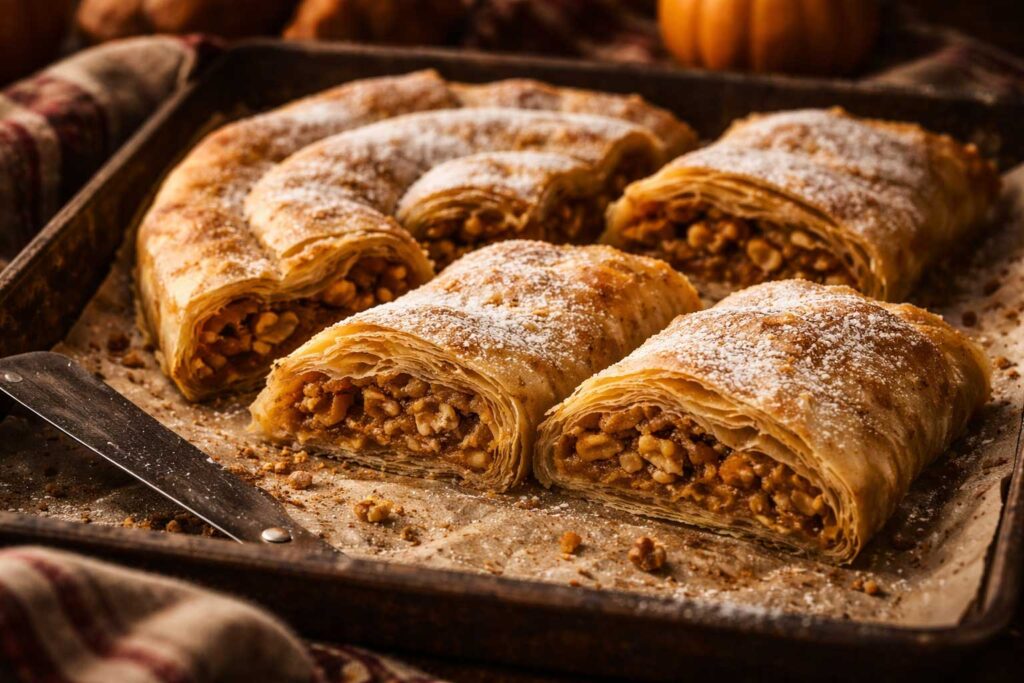
One of the most iconic Bulgarian desserts is tikvenik, a sweet pastry made with pumpkin, sugar, walnuts, and spices wrapped in filo dough. It is especially popular during autumn and winter and is closely associated with the Christmas season.
Tikvenik is often compared to banitsa because it uses similar pastry techniques, but the filling is sweet rather than savory. The pumpkin is usually grated and mixed with sugar, crushed walnuts, and cinnamon, then rolled in thin pastry sheets and baked until golden. Some versions include raisins, vanilla, or breadcrumbs to absorb moisture.
What makes tikvenik so loved is the combination of flaky crust and soft, fragrant filling. It feels rustic and festive at the same time. In many Bulgarian households, the aroma of baking tikvenik is part of winter family life.
Tikvenik is also a perfect example of how Bulgarian desserts transform seasonal ingredients into something memorable. Pumpkin is affordable, abundant, and nutritious, yet in this dessert it becomes rich, sweet, and celebratory. Served with powdered sugar or simply on its own, tikvenik remains one of the finest traditional Bulgarian sweets.
Baklava – A Festive Favorite in Bulgaria
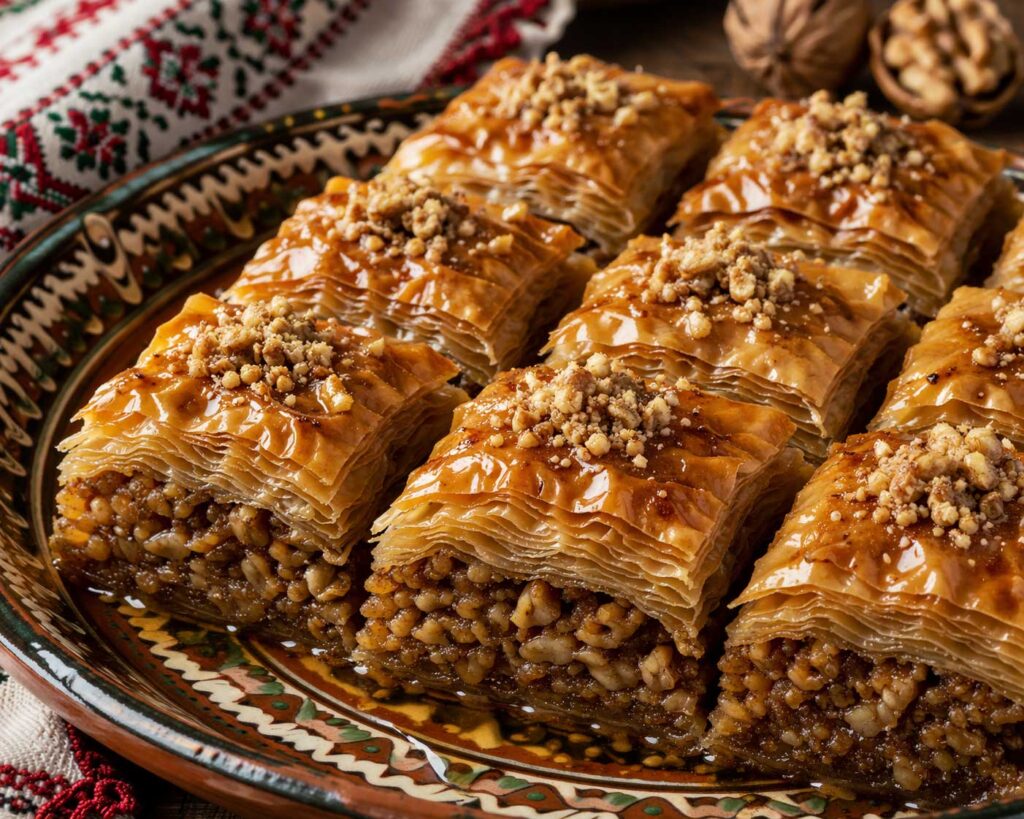
Although baklava is widely known across the Balkans and the former Ottoman world, it also holds a meaningful place in Bulgarian dessert culture. Bulgarian baklava is commonly prepared for holidays, family celebrations, and special occasions.
It is usually made with thin filo pastry layered with chopped walnuts and butter, then baked and soaked in sweet syrup. Lemon, vanilla, and sometimes clove or cinnamon may be added for extra aroma. In Bulgaria, homemade baklava is especially common around Christmas and New Year, when families prepare rich, shareable desserts for guests.
The Bulgarian style of baklava is typically walnut-based rather than pistachio-focused. This reflects the accessibility of walnuts in local households and the long-standing tradition of using them in home baking. The dessert is sweet and indulgent, but when made well it should still feel balanced, with crisp pastry layers and fragrant syrup rather than heaviness.
Baklava shows how Bulgarian sweets are shaped by historical cultural exchange while still feeling deeply local in practice.
Kadaif – Golden Threads of Sweetness
Kadaif is another syrup-soaked dessert popular in Bulgaria. Instead of filo sheets, it uses fine shredded pastry that becomes crisp and golden when baked. The pastry is wrapped or layered around a filling, often walnuts, then soaked in syrup after baking.
The texture is what makes kadaif stand out. It offers a delicate crunch on the outside with a sweet, nutty interior. In Bulgaria, kadaif is especially appreciated during festive periods and in households that enjoy Ottoman-inspired desserts.
Though it may look more elaborate than some other sweets, kadaif belongs firmly in the tradition of celebratory home desserts. It is rich, decorative, and ideal for serving in slices or portions to guests. Like baklava, it represents a dessert style that became part of Bulgarian culinary life over centuries and remains beloved today.
Tolumbichki – Syrupy Fried Pastry Bites
Tolumbichki are small fried pastries soaked in syrup, somewhat similar to tulumba desserts found elsewhere in the Balkans and the former Ottoman lands. In Bulgaria, they are often sold in pastry shops and enjoyed as a sweet treat rather than only a holiday dessert.
These pastries are made from choux-like dough that is piped, fried until golden, and then dipped or soaked in fragrant syrup. The result is a glossy, sticky, sweet dessert with a soft interior and slightly crisp exterior.
Tolumbichki are a good example of the diversity of Bulgarian sweets. Not all desserts are baked or tied to village traditions; some are more urban, confectionery-style treats that have become part of everyday sweet culture. They are simple, affordable, and popular with people who enjoy syrupy desserts.
Sweet Banitsa – The Dessert Side of a National Classic
Banitsa is usually associated with cheese and eggs, but sweet versions also exist and deserve attention in any guide to Bulgarian desserts. A sweet banitsa may be filled with pumpkin, apples, sugar, walnuts, or even milk-based mixtures, depending on the recipe and region.
In many homes, the line between pastry and dessert is flexible. This is especially true in Bulgaria, where the same rolling and baking techniques used for savory pastries can also create sweet dishes. Sweet banitsa may be served for breakfast, as an afternoon snack, or as dessert with coffee or tea.
The use of filo pastry connects sweet banitsa to many other Bulgarian pastries, but the fillings give it its own personality. Apple versions are soft and fragrant, while walnut and sugar fillings create something more festive. Pumpkin versions overlap strongly with tikvenik, showing how Bulgarian baking traditions evolve through small family variations rather than rigid rules.
Mekitsi with Honey, Jam, or Powdered Sugar
Mekitsi are one of the most comforting Bulgarian fried dough foods. They are usually eaten for breakfast, but when served with honey, jam, powdered sugar, or sweet preserves, they absolutely belong in the conversation about Bulgarian sweets.
Made from a soft dough that is fried until puffy and golden, mekitsi are typically served warm. Their texture is airy inside with a lightly crisp surface. While they can be paired with salty cheese, many Bulgarians love them in sweet form.
What makes mekitsi special is the emotional side of the dish. For many people, mekitsi are linked with childhood, grandparents, weekends, and home hospitality. A plate of fresh mekitsi with homemade jam captures the cozy, family-centered spirit of Bulgarian food culture better than almost anything else.
Though they may not be a formal dessert in every context, sweet-served mekitsi are an essential part of the Bulgarian sweet tradition.
Garash Cake – Bulgaria’s Elegant Chocolate Classic
Among Bulgarian cakes, Garash cake is perhaps the most famous and refined. Unlike rustic pastries like tikvenik or mekitsi, Garash is associated with elegant dining, celebrations, and patisserie culture.
Garash cake is rich, dense, and made primarily with ground walnuts, chocolate, sugar, and cream. It usually has thin nut-based layers filled with chocolate cream and topped with a glossy chocolate finish. The absence of flour in many recipes gives it a distinctive texture and a concentrated flavor.
This cake is especially popular in restaurants, cafés, and formal celebrations. It shows another side of Bulgarian desserts: not only farmhouse pastries and syrupy sweets, but also sophisticated cakes with strong regional prestige.
Garash cake remains one of the best Bulgarian desserts for chocolate lovers and one of the country’s most iconic celebratory cakes.
Revane – Soft Syrup Cake
Revane is a moist semolina-based or sponge-like syrup cake popular in Bulgaria and across the Balkans. It is soft, sweet, and easy to love, making it a common homemade dessert as well as a bakery treat.
After baking, the cake is soaked in syrup, which gives it a tender, juicy texture. Some versions are plain, while others may include coconut, lemon, or vanilla. It is often cut into neat squares or diamonds and served as a simple but satisfying sweet.
Revane reflects the Balkan and Ottoman influence on Bulgarian desserts, but it has earned its own place on Bulgarian tables thanks to its practicality and crowd-pleasing taste.
Rice Pudding and Milk Desserts
Rice pudding and other milk-based desserts are also part of Bulgarian home cooking. These are not always the most famous sweets internationally, but they have long been enjoyed as comforting homemade desserts.
Bulgarian-style rice pudding is usually made with milk, rice, sugar, and vanilla, sometimes topped with cinnamon. Similar milk desserts may include baked milk puddings or custard-like recipes influenced by regional traditions.
These sweets are valued for their simplicity. They are often less flashy than baklava or Garash cake, but they represent the gentle, home-centered side of Bulgarian dessert culture. In many households, a milk dessert is connected to childhood and everyday comfort rather than festive abundance.
Compotes, Jams, and Preserved Fruits
No discussion of Bulgarian sweets is complete without mentioning compotes, sladko, and homemade preserves. For generations, Bulgarian families preserved fruits to enjoy throughout the year, and these preserves often functioned as dessert on their own.
Compote is made by preserving fruit in lightly sweetened liquid, usually served chilled in a bowl or glass. Popular fruits include cherries, peaches, apricots, quinces, plums, and pears. In many Bulgarian homes, compote was a standard dessert for lunch or dinner.
Sladko is a thicker preserve made from whole fruits or flower petals, often served in small portions to guests. Rose petal preserve, sour cherry preserve, fig preserve, and green walnut preserve can all be found in Bulgaria. These are traditional, elegant, and deeply connected to hospitality.
Preserves reveal a lot about Bulgarian food culture. Dessert was not always something elaborate or bakery-made. Sometimes sweetness came from what the household had prepared and stored with care from the harvest season.
Sweetened Yogurt and Bulgarian Dairy Influence
Bulgaria is world-famous for its yogurt, so it is only natural that dairy plays a role in its dessert traditions too. Sweetened yogurt with honey, jam, walnuts, or fruit is a simple dessert that reflects the country’s high-quality dairy culture.
This type of dessert may seem modest, but it fits perfectly into a cuisine that values freshness, natural ingredients, and balance. Bulgarian yogurt’s tangy profile pairs especially well with honey, berries, rose preserves, and nuts.
In a modern context, yogurt-based desserts are also appealing because they feel lighter than syrup pastries or heavy cakes. They connect ancient dairy traditions with contemporary preferences for simple, wholesome sweets.
To understand why this dessert is so special, read more about Bulgarian Yogurt – Why It Is Famous Around the World.
Bulgarian Holiday Desserts
Bulgarian desserts become especially meaningful around holidays. Seasonal and religious celebrations bring certain sweets back to the table year after year.
Christmas
During Christmas, families often prepare tikvenik, baklava, and other homemade pastries. Walnut-based desserts are especially common, as are festive breads and sweet pastries.
Easter
At Easter, sweet breads and festive baked goods play an important role. Though Easter bread is more ceremonial than dessert in some cases, it carries the same sweet, celebratory spirit.
Name Days and Family Celebrations
Cakes, syrup desserts, and trays of pastries are often prepared for guests. Homemade sweets remain a major expression of hospitality.
Autumn and Winter
Pumpkin desserts, apple pastries, and walnut sweets become especially popular. These seasonal ingredients naturally shape the dessert landscape.
Holiday desserts in Bulgaria are not just food. They are rituals of memory, family identity, and continuity. Many of these desserts are deeply connected to traditions explained in Bulgarian Holidays and Festivals.
Regional and Cultural Diversity in Bulgarian Sweets
Bulgarian desserts vary by household, town, and region. Some families may favor syrup-soaked Ottoman-style sweets, while others prefer village pastries, fruit preserves, or cakes. Urban pastry culture and rural home baking both contribute to the country’s dessert identity.
This diversity is part of what makes Bulgarian sweets so fascinating. There is no single “correct” way to define them. Instead, Bulgarian dessert culture is a living mix of influences and local adaptations.
The same dessert can have multiple forms:
- Tikvenik may be tighter or looser rolled
- Baklava syrup may be lighter or heavier
- Mekitsi may be served with cheese, jam, or honey
- Sweet banitsa may use apple, pumpkin, or milk filling
- Garash cake may vary in richness and structure
These variations show that Bulgarian cuisine is personal and family-driven, not just standardized.
The Role of Nuts, Honey, and Fruit in Bulgarian Desserts
Three ingredients appear again and again in Bulgarian sweets: nuts, honey, and fruit.
Nuts
Walnuts are especially important. They appear in baklava, tikvenik, cakes, pastries, and preserves. Walnuts add richness and are widely available in Bulgaria.
Honey
Honey connects desserts to older rural and natural food traditions. It is used with yogurt, mekitsi, and various pastries.
Fruit
Pumpkin, apples, plums, cherries, quinces, apricots, and berries all shape the country’s sweet traditions. Fruit is used fresh, baked, preserved, or stewed.
These ingredients give Bulgarian desserts depth and identity while keeping them connected to the land and the seasons.
Best Bulgarian Desserts Every Visitor Should Try
If someone wants a shortlist of must-try Bulgarian sweets, these are excellent choices:
- Tikvenik – the ultimate traditional pumpkin pastry
- Garash cake – Bulgaria’s famous chocolate-walnut cake
- Baklava – festive and rich, often homemade
- Kadaif – crispy, syrupy, and nutty
- Tolumbichki – sweet fried pastries in syrup
- Sweet banitsa – a softer side of a national pastry tradition
- Mekitsi with jam or honey – warm, nostalgic, and comforting
- Revane – soft syrup cake with Balkan charm
- Compote or sladko – classic homemade fruit sweets
- Sweetened Bulgarian yogurt – simple, authentic, and delicious
Together, these desserts capture the range of Bulgarian sweets, from rustic and seasonal to festive and elegant. These sweets are more than food—they reflect the culture explored in Bulgarian Traditions and Customs Explained.
Why Bulgarian Desserts Deserve More Global Attention
Bulgarian cuisine is still underrated internationally, and that includes its desserts. Many travelers know about baklava or yogurt, but fewer understand the full richness of Bulgaria’s sweet traditions. Desserts like tikvenik and Garash cake deserve far more recognition, while homemade preserves and sweet pastries reveal an authentic side of Balkan culinary culture that feels both timeless and approachable.
One reason Bulgarian desserts deserve more attention is that they offer something for many tastes. People who enjoy flaky pastries, chocolate cakes, fruit desserts, dairy treats, or syrup-based sweets can all find something to love. Another reason is that these desserts often feel deeply human and homemade. They are not only beautiful to eat; they tell stories about family, seasonality, and tradition.
In an age when many people are rediscovering regional cuisines and heritage recipes, Bulgarian desserts have real potential to attract food lovers, travelers, and home bakers around the world.
Before enjoying dessert, many Bulgarian meals begin with fresh dishes featured in Bulgarian Salads – Famous Recipes and Ingredients.
Final Thoughts
Bulgarian desserts are a rich and meaningful part of the country’s food culture. From the flaky pumpkin-filled layers of tikvenik to the chocolate elegance of Garash cake, from syrupy baklava and kadaif to warm mekitsi with jam, Bulgaria offers a sweet tradition that is both diverse and deeply rooted in family life.
These desserts reflect the country’s history, geography, and cultural crossroads. They bring together village simplicity, festive abundance, seasonal ingredients, and centuries of culinary exchange. Most importantly, they preserve the feeling of home. In Bulgaria, dessert is often more than a final course. It is hospitality, memory, celebration, and love made edible.
For anyone exploring Bulgarian food, traditional sweets and pastries are not optional. They are essential.
FAQs
What is the most famous Bulgarian dessert?
One of the most famous Bulgarian desserts is tikvenik, a sweet pumpkin pastry made with filo dough, walnuts, sugar, and cinnamon. Garash cake is also one of Bulgaria’s best-known desserts.
Are Bulgarian desserts very sweet?
Some Bulgarian desserts, especially baklava, kadaif, and tolumbichki, are quite sweet because they use syrup. Others, like tikvenik, yogurt with honey, or fruit preserves, can feel more balanced and less heavy.
What sweets are eaten in Bulgaria at Christmas?
Popular Bulgarian Christmas sweets include tikvenik, baklava, walnut desserts, and other homemade festive pastries.
Is baklava Bulgarian?
Baklava is not unique to Bulgaria, but it is an important part of Bulgarian dessert culture and is widely made in Bulgarian homes, especially for holidays.
What is Garash cake?
Garash cake is a traditional Bulgarian cake made with walnuts and rich chocolate cream. It is one of the country’s most elegant and iconic desserts.
What are mekitsi?
Mekitsi are fried dough pieces often eaten for breakfast. When served with honey, jam, or powdered sugar, they are also considered one of the most comforting Bulgarian sweet foods.
Are there Bulgarian desserts made with yogurt?
Yes. Bulgarian yogurt is often served sweetened with honey, fruit, jam, or walnuts, making it a simple and authentic Bulgarian dessert.
What ingredients are common in Bulgarian desserts?
Common ingredients include walnuts, honey, pumpkin, apples, yogurt, filo pastry, cinnamon, sugar, milk, and preserved fruits.