


Bulgarian yogurt is one of the most famous foods in Bulgaria—and one of the country’s most important contributions to the world.
Known locally as кисело мляко (kiselo mlyako), it is far more than just a dairy product. It is a symbol of tradition, daily life, and even scientific discovery that has shaped how the world understands yogurt today.
For over a century, this iconic Bulgarian food has fascinated scientists, chefs, and health enthusiasts alike. From its discovery in early microbiology to its reputation for promoting longevity, it has become one of Bulgaria’s most iconic contributions to the world.
But what exactly makes traditional yogurt from Bulgaria so special?
Why is it different from other yogurts?
And how did a simple fermented milk product become globally famous?
Why is Bulgarian yogurt famous?
This traditional dairy product is famous worldwide due to a combination of history, science, and tradition. In 1905, Stamen Grigorov identified the bacteria responsible for its fermentation, placing Bulgaria at the center of early yogurt research.
Later, Élie Metchnikoff popularized the idea that fermented dairy could contribute to longevity, often referencing this authentic Bulgarian dairy in his studies.
Today, its reputation is further strengthened by its distinctive taste, natural fermentation process, and official EU recognition, making it one of the most iconic fermented foods in the world.
At Bulgaropedia, we explore not just what Bulgarian yogurt is—but why it became one of the most recognized fermented foods in the world.
Let’s break it down 👇
What Is Bulgarian Yogurt?

This fermented milk product is made using a specific combination of natural bacteria.
At its core, it contains two essential cultures:
These two bacteria work together in perfect balance, creating:
- A rich, tangy flavor
- A smooth, creamy texture
- A naturally fermented product with no need for artificial additives
This exact bacterial relationship is what defines true yogurt worldwide—and it originates directly from Bulgaria.
Traditional Bulgarian yogurt, known as кисело мляко (Bulgarian кисело мляко), is considered one of the purest forms of fermented dairy in the world. What makes Bulgarian yogurt special is not only its natural fermentation but also its deep connection to Bulgarian yogurt history, where the same methods have been used for generations.
The Discovery That Made It Famous
The global recognition of this traditional yogurt began in 1905.
That’s when Stamen Grigorov, a Bulgarian scientist, discovered the bacteria responsible for yogurt fermentation. This moment marked a turning point in Bulgarian yogurt history, as it introduced Bulgarian yogurt bacteria to the scientific world. The discovery of Lactobacillus bulgaricus helped define what makes Bulgarian yogurt different and why it remains one of the most studied fermented foods today.
This was a groundbreaking moment because:
- It was one of the first times a food was explained scientifically
- It helped launch modern microbiology and probiotic research
- It connected Bulgaria permanently to yogurt science
Later, Élie Metchnikoff popularized the idea that fermented milk could be linked to longevity.
He studied Bulgarian populations and suggested that their diet—rich in yogurt—was a key factor in their long lives.
This iconic Bulgarian food is a key part of the country’s rich food culture. If you want to explore more iconic dishes, check out Traditional Bulgarian Food – 30 Famous Dishes You Must Try.👉 This idea spread worldwide and helped turn Bulgarian yogurt into a global phenomenon.
The Unique Bacteria Behind Bulgarian Yogurt
The real secret behind this traditional dairy product lies in its bacteria.
Unlike many commercial yogurts today, traditional Bulgarian yogurt also called кисело мляко (kiselo mlyako) relies on a natural symbiotic relationship:
How it works:
- Streptococcus thermophilus starts the fermentation
- Lactobacillus bulgaricus continues and intensifies the process
- Together, they create the yogurt’s signature taste and aroma
This process results in:
- Higher acidity (that classic tangy flavor)
- Natural preservation
- A clean, authentic taste without heavy processing
The presence of Lactobacillus bulgaricus is one of the main reasons why Bulgarian yogurt bacteria are considered unique. These natural cultures are rarely replicated in the same way outside Bulgaria, which is why traditional Bulgarian yogurt maintains its distinctive taste and authenticity.
👉 This is why this probiotic yogurt from Bulgaria tastes stronger, fresher, and more “real” compared to mass-produced versions.
Why Bulgarian Yogurt Tastes Different

If you’ve ever tried authentic кисело мляко, you immediately notice the difference. What makes Bulgarian yogurt special is its balance between acidity and freshness, created entirely through natural fermentation. Unlike industrial products, traditional Bulgarian yogurt preserves its original flavor profile, making it instantly recognizable to those familiar with authentic кисело мляко.
Key taste characteristics:
- Tangy and slightly sour
- Clean and refreshing
- Not overly sweet
- Naturally rich without additives
Most supermarket yogurts are:
- Sweetened
- Thickened artificially
- Processed for mass production
This authentic Bulgarian dairy, on the other hand, stays true to its roots:
👉 Milk + bacteria + time = perfection
The Health Reputation of Bulgarian Yogurt
Bulgarian yogurt is often associated with health and longevity.
Many people search for the health benefits of Bulgarian yogurt because of its strong reputation as a natural probiotic food. The combination of Bulgarian yogurt bacteria and traditional preparation methods contributes to its image as one of the healthiest fermented dairy products available.
Here’s why:
1. Natural probiotics
The live bacteria support gut health and digestion.
2. Nutrient-rich
Contains:
- Protein
- Calcium
- Vitamins (B12, riboflavin)
3. Traditional diet connection
Bulgarian yogurt has been part of daily life for centuries.
👉 While modern science is more cautious about extreme claims, there’s no doubt:
It is considered one of the most respected fermented foods in the world.
Protected Status in the European Union
In 2023, this traditional dairy product received major recognition:
“Bulgarsko kiselo mlyako” was granted PDO status.
PDO = Protected Designation of Origin
This recognition further strengthens the global identity of traditional Bulgarian yogurt and protects the authenticity of Bulgarian кисело мляко. It ensures that products labeled as Bulgarian yogurt truly reflect the country’s history, bacteria, and traditional production methods.
This means:
- It must be produced in Bulgaria
- It must follow traditional methods
- It must use authentic bacterial cultures
👉 This officially confirms:
This authentic Bulgarian dairy product is not just yogurt—it’s a protected cultural product.
Bulgarian Yogurt Around the World
This iconic Bulgarian food is globally recognized—not just in Europe.
Strong presence in:
- Japan
- China
- Western Europe
- United States
One fascinating example:
The Bulgarian village of Momchilovtsi became famous in China due to yogurt branding and tourism.
The global spread of this iconic Bulgarian food shows why Bulgarian yogurt is famous beyond its borders. Its unique combination of history, science, and health benefits of Bulgarian yogurt has made it a recognizable product in markets around the world.
👉 This shows how Bulgarian yogurt evolved into a global cultural export.
Bulgarian Yogurt in Everyday Life
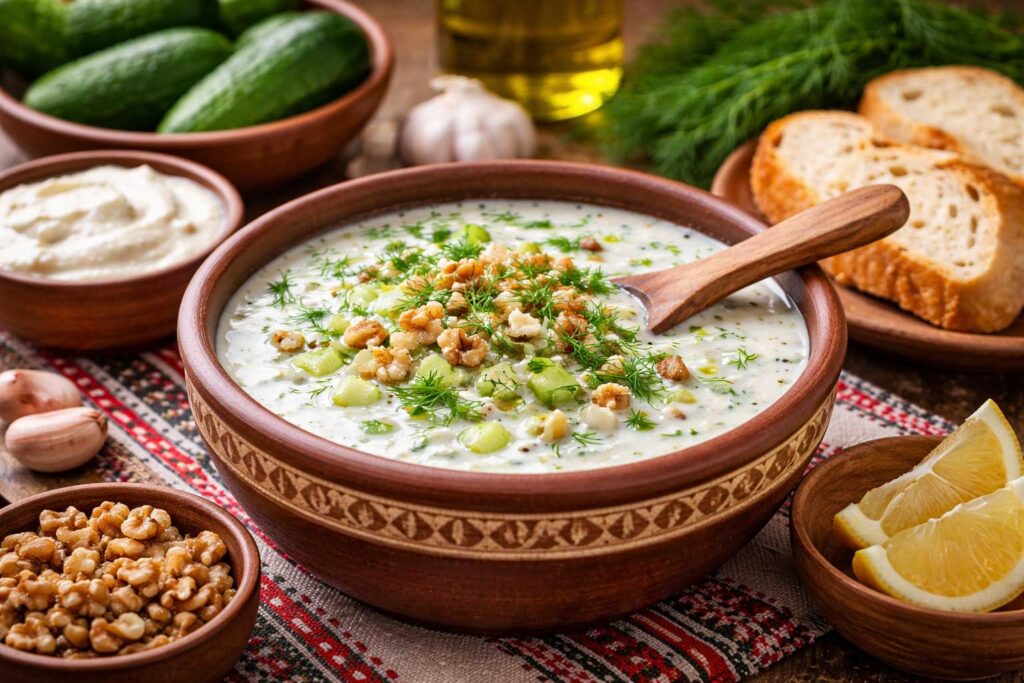
In Bulgaria, yogurt is not a trend. This daily consumption of traditional Bulgarian yogurt keeps the culture of кисело мляко alive and unchanged. It is one of the strongest examples of how Bulgarian yogurt history continues to influence modern eating habits in Bulgaria.
It’s a daily essential.
Common uses:
- Breakfast with honey
- With banitsa
- In cold soup (tarator)
- With vegetables and meals
- As a healthy snack
👉 This daily usage keeps this traditional dairy product authentic and alive—not commercialized.
Why Bulgarian Yogurt Is So Famous
Let’s simplify it 👇
This traditional yogurt from Bulgaria is famous because of:
- Unique bacteria found in nature
- Scientific discovery by Stamen Grigorov
- Connection to longevity research
- Distinctive taste and texture
- Deep cultural roots
- EU protected status
- Global recognition
All of these factors explain why It is recognized worldwide. From its unique bacteria to its long Bulgarian yogurt history and proven health benefits of probiotic yogurt from Bulgaria, it stands out as one of the most authentic traditional foods in Europe.
👉 Few foods in the world combine science + tradition + identity like this.
Why It Still Matters Today

In today’s world of processed food, Bulgarian yogurt stands as a reminder of something important:
Simple, natural food can still be the best.
It represents:
- Authenticity
- Tradition
- Health-conscious eating
- Cultural pride
And that’s exactly why it continues to grow in popularity worldwide.
This fermented milk product remains one of the country’s most important culinary treasures, deeply connected to its traditions and daily life. From ancient fermentation techniques to modern global recognition, it continues to represent Bulgaria’s rich cultural heritage.
In a modern food industry filled with processed products, traditional Bulgarian yogurt continues to stand out. What makes Bulgarian yogurt special is its ability to remain simple, natural, and deeply connected to Bulgarian culture.
Traditional Bulgarian yogurt is still made using the same simple methods passed down through generations.
Explore more about Bulgarian culture and traditional cuisine across Bulgaropedia.
Is Bulgarian Yogurt the Original Yogurt?
Many experts consider Bulgarian yogurt to be one of the closest forms to the original yogurt ever consumed.
The traditional fermentation process using Lactobacillus bulgaricus and Streptococcus thermophilus reflects the earliest known methods of producing fermented milk. These bacterial strains naturally occur in Bulgaria’s environment, which is why the region became historically associated with yogurt production.
This raises an important question often searched online: is Bulgarian yogurt the original yogurt?
While yogurt has ancient roots across different regions, Bulgaria is one of the few places where the original bacterial cultures were scientifically identified and preserved. This gives кисело мляко a unique position in both culinary and scientific history.
Bulgarian кисело мляко is the original name for this traditional yogurt and reflects its deep cultural roots.
FAQs About Bulgarian Yogurt
What makes Bulgarian yogurt different?
This yogurt is unique because it is made using a specific combination of live bacteria: Lactobacillus delbrueckii subsp. bulgaricus and Streptococcus thermophilus. This natural symbiotic fermentation creates its signature tangy taste, creamy texture, and rich aroma.
Unlike many commercial yogurts that may include additives, stabilizers, or artificial flavors, traditional Bulgarian yogurt is known for its simplicity—typically just milk and live cultures. The result is a more authentic, slightly sour flavor profile that reflects centuries of traditional preparation methods.
Additionally, the bacterial strain bulgaricus is closely associated with Bulgaria itself, giving the yogurt both a scientific identity and a strong cultural connection.
Is Bulgarian yogurt healthier than regular yogurt?
This fermented dairy product can be a healthier option compared to many commercial yogurts, especially when it is made with live cultures and without added sugars or artificial ingredients.
The presence of beneficial bacteria supports gut health and digestion, while its natural fermentation process helps improve nutrient absorption. It is also typically rich in protein, calcium, and essential vitamins.
However, the health benefits depend on the quality of the product. Authentic Bulgarian yogurt with minimal processing offers the most advantages, while heavily processed versions may reduce these benefits.
Who discovered Bulgarian yogurt bacteria?
The bacteria responsible for Bulgarian yogurt fermentation were discovered in 1905 by Stamen Grigorov.
His research identified Lactobacillus bulgaricus as a key microorganism in the fermentation process, marking one of the earliest scientific studies of yogurt. This discovery played a major role in establishing Bulgaria’s global reputation in microbiology and food science.
Does Bulgarian yogurt have protected status?
Yes, Bulgarian yogurt has official protection in the European Union under the name Bulgarsko kiselo mlyako.
It received Protected Designation of Origin (PDO) status in 2023, which means that authentic Bulgarian yogurt must be produced in specific regions of Bulgaria using traditional methods and local know-how.
This designation ensures quality, preserves tradition, and protects the product from imitation, reinforcing its status as a culturally and historically significant food.
Is Bulgarian yogurt probiotic?
Bulgarian yogurt is naturally probiotic because it contains live cultures such as Lactobacillus bulgaricus. These beneficial bacteria support digestion and gut health, making it one of the most valued fermented foods.
Can you make Bulgarian yogurt at home?
Yes, you can make traditional yogurt at home using live starter cultures. However, authentic Bulgarian yogurt requires the specific bacteria strains that originate from Bulgaria, which give it its distinctive taste and properties.