


These strange but True Facts About Bulgaria often surprise visitors who are unfamiliar with the country’s unique traditions and cultural habits. Bulgaria is full of fascinating customs, unusual historical stories, and natural wonders that many people around the world rarely hear about.
From ancient rituals and mysterious rock formations to surprising language habits and traditional foods, Bulgaria offers many strange but true experiences that make the country truly unique. Travelers who visit Bulgaria often discover that its traditions and folklore are unlike anything they have seen before.
Below are some of the most interesting true facts about Bulgaria that reveal the country’s rich culture, history, and unusual traditions.
True Facts About Bulgaria
1. Bulgarians Nod for “No” and Shake for “Yes”
One of the most surprising true facts about Bulgaria is the country’s unique head gestures. In many situations, Bulgarians traditionally nod their heads to mean “no” and shake their heads to mean “yes.”
For foreign visitors, this can be extremely confusing at first. Travelers often think someone is agreeing when they are actually refusing something.
Although modern communication and globalization have influenced younger generations, this opposite gesture is still widely recognized as a traditional Bulgarian cultural habit.
2. Bulgaria Has a Fire Dancing Tradition
Another fascinating true fact about Bulgaria is the ancient ritual known as Nestinarstvo, a fire-dancing tradition practiced in several villages in southeastern Bulgaria.
During this ritual, dancers walk barefoot across burning embers while holding religious icons, usually during celebrations connected to Saints Constantine and Helena.
Nestinarstvo combines elements of Christian belief with older pagan traditions and has been practiced for centuries. Because of its cultural importance, the ritual is recognized as part of Bulgaria’s intangible cultural heritage.
3. Bulgaria Is Home to One of the Oldest Gold Treasures
One of the most remarkable true facts about Bulgaria is the discovery of the Varna Gold Treasure, which dates back more than 6,000 years. This extraordinary archaeological find is considered the oldest processed gold ever discovered in the world, revealing the advanced craftsmanship of ancient civilizations that once lived in the region.
The treasure was uncovered in the Varna Necropolis, an ancient burial site located near the Black Sea city of Varna. Archaeologists discovered hundreds of gold artifacts, including jewelry, ceremonial objects, and decorative ornaments placed in graves belonging to a prehistoric culture that thrived between 4600 and 4200 BC.
These artifacts demonstrate that the people living in this region had already developed sophisticated metalworking techniques and social structures thousands of years before many other advanced civilizations emerged. The discovery also provided valuable insight into early European history and the development of ancient societies.
Today, the Varna Gold Treasure is considered one of the most important archaeological discoveries in the world and remains one of the most fascinating true facts about Bulgaria, highlighting the country’s deep historical roots and its role in early human civilization.
4. Bulgaria Is One of the Oldest Countries in Europe
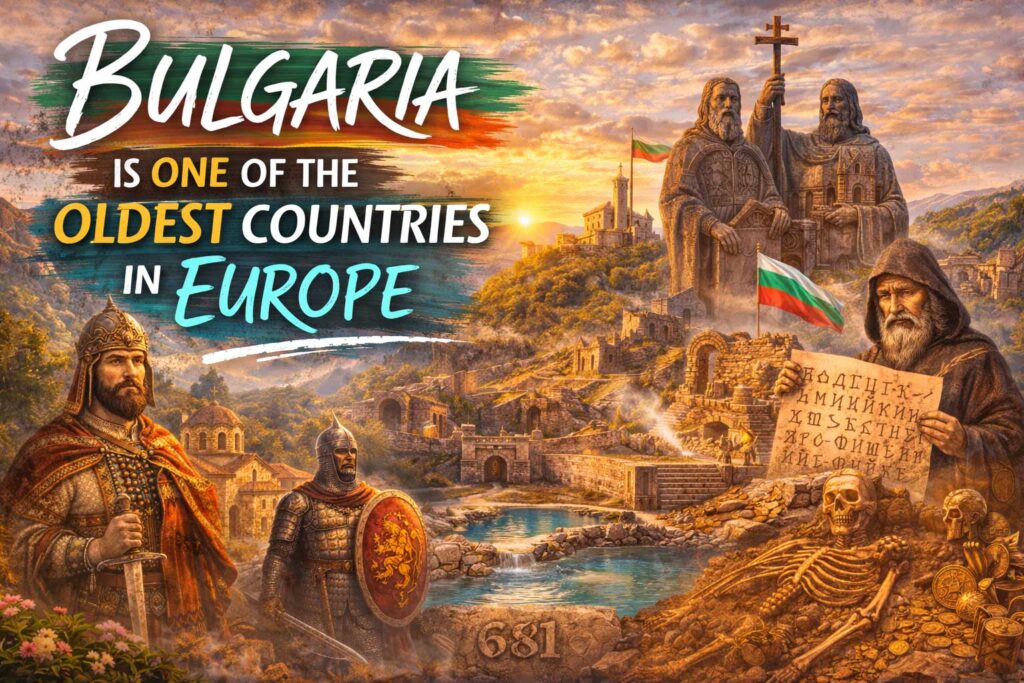
One of the most remarkable true facts about Bulgaria is that it is among the oldest countries in Europe whose name has remained unchanged throughout history. The Bulgarian state was officially founded in 681 AD, when Khan Asparuh established the First Bulgarian Empire after securing recognition from the Byzantine Empire.
While many European nations have changed their names, borders, or political structures over the centuries, Bulgaria has preserved its national name and identity for more than thirteen centuries. This long continuity makes the country one of the oldest existing states on the continent.
Throughout its history, Bulgaria experienced different historical periods, including powerful medieval empires, centuries of Ottoman rule, and modern political transformations. Despite these changes, the Bulgarian people managed to maintain their language, culture, and national traditions.
This extraordinary historical continuity is one of the most fascinating true facts about Bulgaria, highlighting the resilience of the Bulgarian nation and its enduring cultural heritage.
5. Some Bulgarian Folk Songs Were Sent Into Space
One of the most unusual true facts about Bulgaria is that a Bulgarian folk song is currently traveling through space. In 1977, NASA launched the Voyager spacecraft, which carried the famous Voyager Golden Record—a collection of sounds and music from Earth intended to represent the diversity of human culture to potential extraterrestrial civilizations.
Among the selected recordings was the Bulgarian folk song “Izlel e Delyo Haydutin,” performed by the renowned Bulgarian singer Valya Balkanska. The song originates from the Rhodope Mountains and tells the story of the legendary Bulgarian hero Delyo, celebrated in local folklore for his bravery and resistance.
The Voyager Golden Record includes music from many cultures around the world, ranging from classical compositions to traditional folk melodies. The inclusion of a Bulgarian folk song highlights the emotional power and global significance of Bulgaria’s musical heritage.
Today, this remarkable story remains one of the most fascinating true facts about Bulgaria. As the Voyager spacecraft continues its journey beyond our solar system, a piece of Bulgarian cultural heritage is traveling through interstellar space as part of humanity’s message to the universe.
5. Bulgaria Has Mysterious Natural Rock Formations
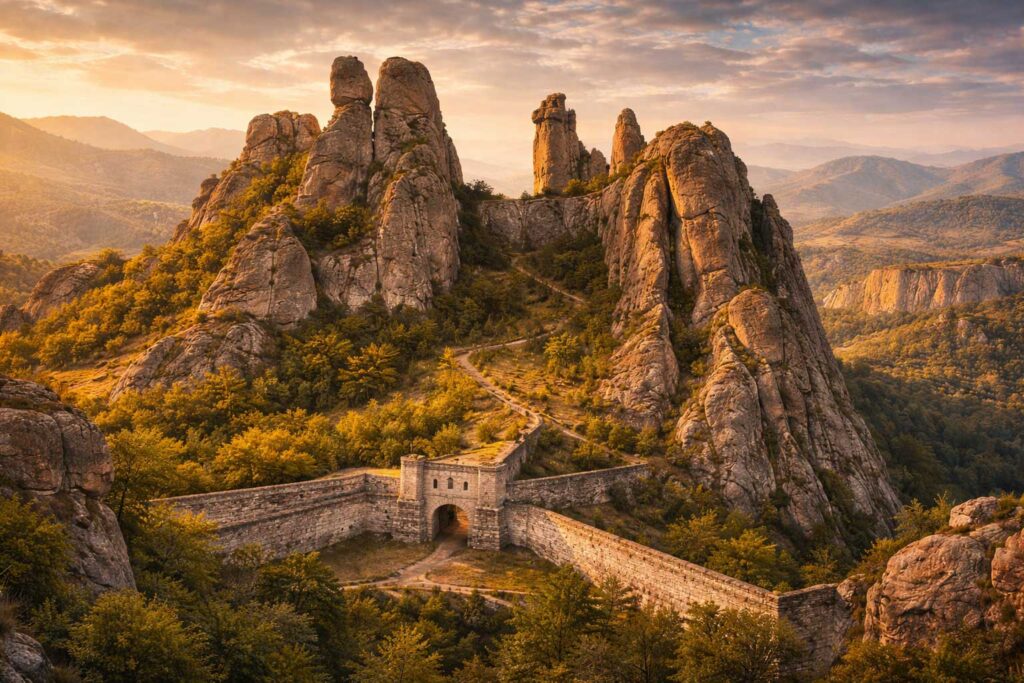
Another fascinating entry among the many true facts about Bulgaria is the country’s collection of unusual natural landscapes and rock formations shaped by natural forces over millions of years. These geological wonders are known for their dramatic shapes, legends, and breathtaking scenery.
Some of the most famous natural landmarks include:
- The Belogradchik Rocks – Towering red rock formations in northwestern Bulgaria, known for their unique shapes that resemble people, animals, and mythical figures.
- The Stone Forest near Varna – Also called Pobiti Kamani, this rare desert-like area features tall stone columns rising from the ground, creating a mysterious and otherworldly landscape.
- The Seven Rila Lakes – A group of glacial lakes located in the Rila Mountains, famous for their crystal-clear waters and spectacular alpine surroundings.
These extraordinary landscapes attract tourists, hikers, photographers, and nature enthusiasts from around the world. Many of these sites are also connected to local legends and folklore, adding to their mystery and cultural significance.
These natural wonders represent some of the most striking true facts about Bulgaria, showcasing the country’s rich geological history and its impressive natural beauty.
6. The Bulgarian Alphabet Is Used Across Eurasia
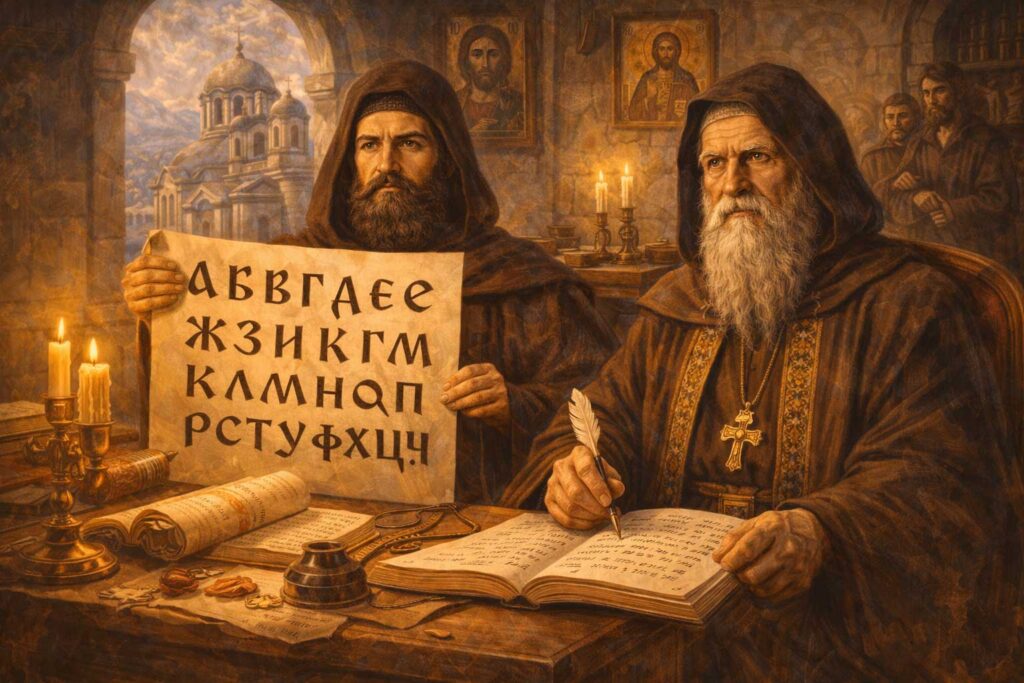
One of the most important true facts about Bulgaria is the global influence of the Cyrillic alphabet, which was developed in medieval Bulgaria and later spread across large parts of Europe and Asia. Today, this writing system is used by hundreds of millions of people, making it one of the most widely used alphabets in the world.
The Cyrillic script was developed by scholars connected with the Bulgarian literary schools of Preslav and Ohrid during the 9th and 10th centuries. These scholars expanded the work of the disciples of Saints Cyril and Methodius and helped spread Slavic literacy throughout Eastern Europe.
Today, the Cyrillic alphabet is used by over 250 million people worldwide and serves as an official or widely used writing system in multiple countries. It remains one of the most important writing systems in global history.
The Cyrillic alphabet is used in countries such as:
- Bulgaria
- Russia
- Serbia
- North Macedonia
- Ukraine
- Kazakhstan
- Mongolia
Another remarkable true fact about Bulgaria is that the Cyrillic alphabet became one of the three official writing systems of the European Union, alongside the Latin and Greek alphabets. This reflects the lasting cultural influence of Bulgaria and its role in shaping the linguistic heritage of the Slavic world.
The development and spread of the Cyrillic script remains one of the most significant cultural contributions connected to Bulgaria, demonstrating the country’s enduring influence on education, literature, and communication across Eurasia.
7. Bulgaria Has Thousands of Mineral Springs
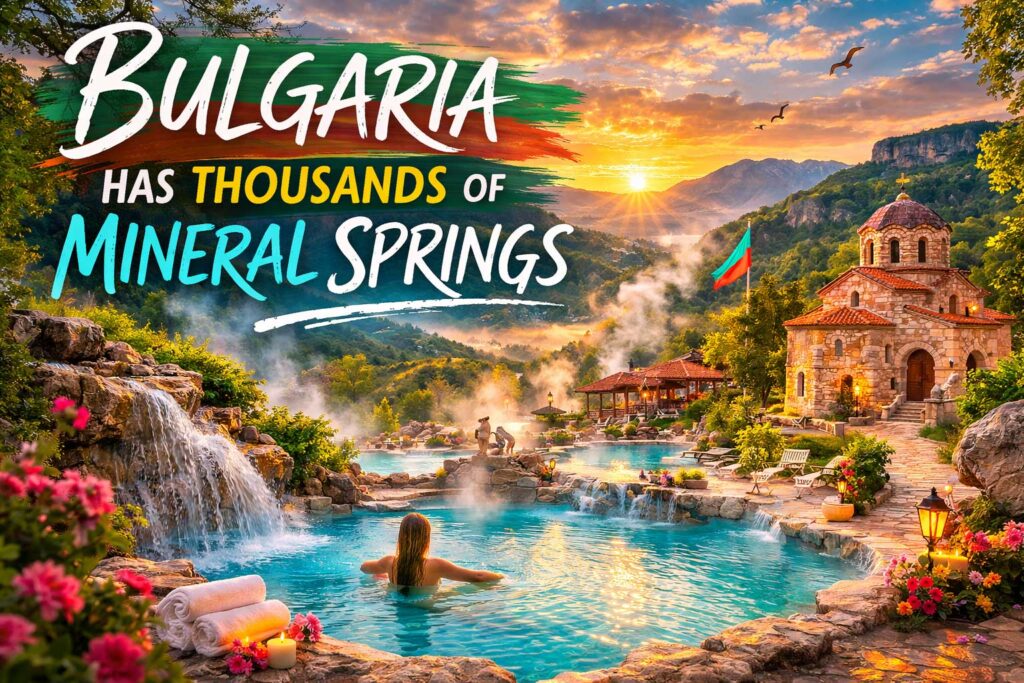
Another fascinating entry among the many true facts about Bulgaria is that the country has more than 7,000 mineral springs, making it one of the richest spa regions in Europe. These natural thermal waters vary in temperature and mineral composition and have been valued for their healing properties for thousands of years.
Many Bulgarian towns and cities developed around these mineral springs, creating a long tradition of spa tourism and wellness culture. Even during ancient times, civilizations such as the Thracians and Romans built baths and settlements near these healing waters. Roman bath complexes discovered across Bulgaria show how important these springs were in the past.
Today, Bulgaria continues this tradition with well-known spa towns such as:
- Velingrad
- Hisarya
- Sandanski
- Devin
These destinations attract visitors seeking relaxation, therapeutic treatments, and natural wellness experiences. The mineral waters are often used for therapies related to joint pain, respiratory conditions, and overall health recovery.
This abundance of mineral springs represents one of the most interesting true facts about Bulgaria, highlighting the country’s natural resources and its long-standing reputation as a destination for health, relaxation, and spa tourism.
8. The Country Has a Thracian Tomb with Ancient Frescoes
Another remarkable example among the many true facts about Bulgaria is the existence of the Thracian Tomb of Kazanlak, one of the most important archaeological discoveries in the country. This ancient tomb dates back to the 4th century BC and contains some of the best-preserved Thracian frescoes ever discovered.
Located in the Valley of the Thracian Kings near the town of Kazanlak, the tomb was part of a large necropolis used by the Thracian aristocracy. The interior walls are decorated with detailed paintings that depict banquets, chariot races, and ceremonial scenes, offering a rare glimpse into the lifestyle and beliefs of the ancient Thracians.
These remarkable frescoes provide valuable insight into Thracian culture, burial rituals, and social traditions. Because of its historical and artistic importance, the Thracian Tomb of Kazanlak is recognized as a UNESCO World Heritage Site.
Today, this extraordinary archaeological monument continues to attract historians, archaeologists, and visitors from around the world. It remains one of the most fascinating true facts about Bulgaria, demonstrating the country’s rich ancient heritage and its connection to early European civilizations.
9. Bulgaria Produces Most of the World’s Rose Oil
Another surprising entry among the many true facts about Bulgaria is the country’s global leadership in rose oil production. Bulgaria produces approximately 70% of the world’s rose oil, making it one of the most important suppliers of this valuable natural product.
The famous Rose Valley, located near the town of Kazanlak, is the center of this centuries-old tradition. The region’s climate and fertile soil create ideal conditions for growing the Rosa damascena flower, a special variety of rose used to produce rose oil, also known as rose otto.
This precious oil is extracted through a delicate distillation process and is widely used in the production of luxury perfumes, cosmetics, and high-end skincare products. Because of its rich aroma and purity, Bulgarian rose oil is considered one of the highest-quality natural fragrance ingredients in the world.
The tradition of cultivating roses in the Rose Valley dates back several centuries and has become an important part of Bulgaria’s cultural identity. Each year, the region celebrates the Rose Festival in Kazanlak, attracting visitors from around the world who come to witness the rose harvest and traditional celebrations.
This remarkable industry represents one of the most interesting true facts about Bulgaria, highlighting how the country’s natural resources and traditional craftsmanship have influenced the global perfume industry.
10. Some Bulgarian Villages Are Over 1,000 Years Old
Another fascinating example among the many true facts about Bulgaria is that some Bulgarian villages have existed for more than 1,000 years. Across the country, especially in mountainous and rural regions, many settlements have preserved their traditional architecture, customs, and way of life for centuries.
These villages often feature stone houses, narrow cobblestone streets, and historic churches, reflecting architectural styles that date back to medieval times. In some areas, local traditions such as folk music, handmade crafts, and seasonal festivals are still practiced much as they were generations ago.
Several well-known Bulgarian villages, particularly in regions like the Rhodope Mountains, the Balkan Mountains, and the Pirin area, have maintained their cultural identity for hundreds of years. Because of this, they attract visitors interested in history, folklore, and authentic rural culture.
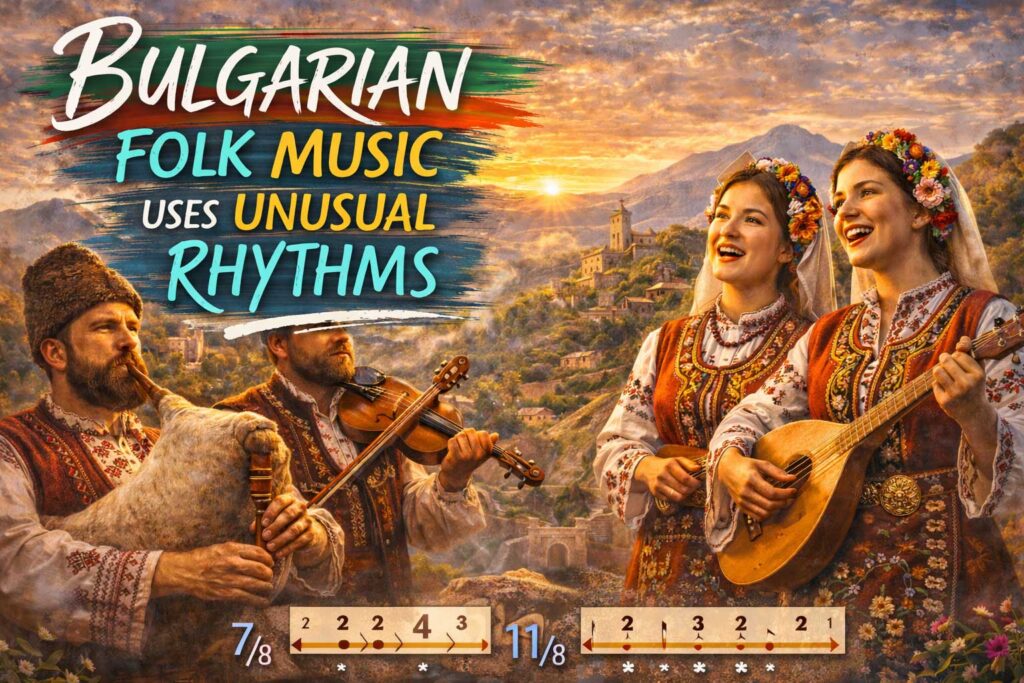
11. Bulgarian Folk Music Uses Unusual Rhythms
Another fascinating example among the many true facts about Bulgaria is the unique structure of Bulgarian folk music rhythms. Unlike most Western music, which commonly uses simple time signatures such as 4/4 or 3/4, traditional Bulgarian music often features complex and irregular rhythms.
Many Bulgarian folk songs and dances are written in unusual time signatures such as:
- 7/8
- 9/8
- 11/16
These rhythms create distinctive patterns that give Bulgarian music its energetic and dynamic sound. The irregular beats are closely connected to traditional Bulgarian dances, especially the popular circle dance known as the horo, which is performed at celebrations, festivals, and community gatherings.
Because of these complex rhythmic structures, Bulgarian folk music has attracted the attention of musicians, ethnomusicologists, and composers around the world. Many modern musicians study Bulgarian musical traditions to better understand these unique rhythmic patterns.
This distinctive musical style remains one of the most interesting true facts about Bulgaria, highlighting the country’s rich cultural heritage and its influence on global music traditions.
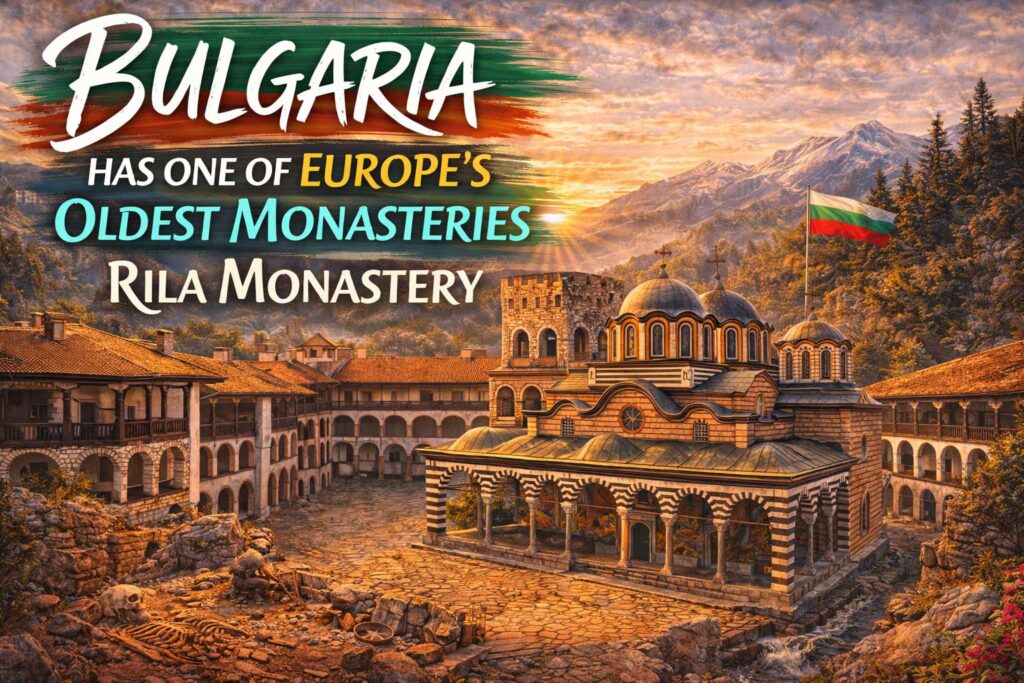
12. Bulgaria Has One of Europe’s Oldest Monasteries
Another fascinating entry among the many true facts about Bulgaria is the historic Rila Monastery, one of the most important spiritual and cultural landmarks in the country. Founded in the 10th century by the hermit Saint Ivan of Rila, the monastery has served as a center of religious life, education, and Bulgarian cultural preservation for more than a thousand years.
Located in the scenic Rila Mountains, the monastery is famous for its impressive architecture, colorful frescoes, and peaceful natural surroundings. Throughout centuries of political and social change, including periods of foreign rule, the Rila Monastery helped preserve Bulgarian language, religion, and cultural traditions.
Today, the monastery is recognized as a UNESCO World Heritage Site and attracts visitors from around the world who come to admire its historical significance and beautiful surroundings.
The Rila Monastery remains one of the most remarkable true facts about Bulgaria, symbolizing the country’s deep spiritual heritage and its role in preserving Bulgarian culture throughout history.
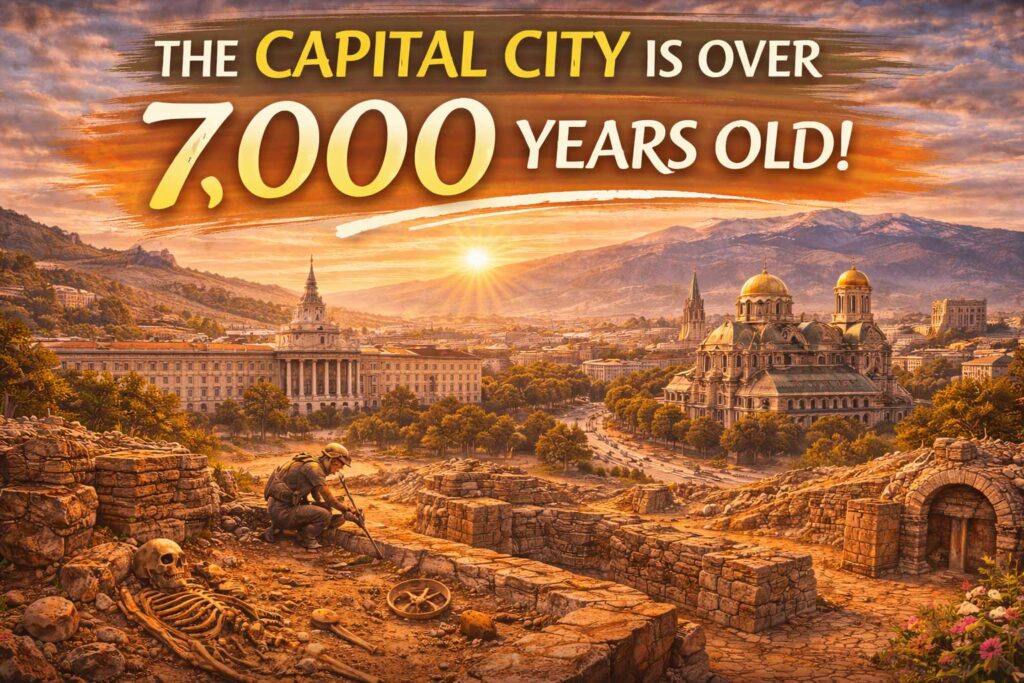
13. The Capital City Is Over 7,000 Years Old
Another remarkable entry among the many true facts about Bulgaria is the ancient history of its capital city, Sofia. Archaeological evidence shows that Sofia has been inhabited for more than 7,000 years, making it one of the oldest continuously inhabited cities in Europe.
Throughout its long history, Sofia has been home to many civilizations, including the Thracians, Romans, Byzantines, and Bulgarians. During the Roman period, the city—then known as Serdica—became an important administrative and cultural center. Even the Roman Emperor Constantine the Great is believed to have said, “Serdica is my Rome,” highlighting the city’s importance in the ancient world.
Today, Sofia is a modern European capital where ancient ruins, medieval churches, Ottoman landmarks, and contemporary architecture coexist within the same urban landscape. Visitors can see Roman streets, early Christian basilicas, and historic monuments alongside modern buildings and vibrant city life.
The city’s extraordinary historical continuity is one of the most fascinating true facts about Bulgaria, demonstrating how Sofia has remained an important cultural and political center for thousands of years.
14. Bulgaria Has More Archaeological Sites Than Many Countries
Another fascinating entry among the many true facts about Bulgaria is the country’s extraordinary wealth of archaeological discoveries. Bulgaria is home to thousands of archaeological sites, including ancient settlements, fortresses, temples, and burial tombs that date back thousands of years.
Because the region has been inhabited by many civilizations—including the Thracians, Romans, Byzantines, and medieval Bulgarians—archaeologists continue to uncover important historical artifacts across the country. These discoveries provide valuable insight into the cultures and societies that once flourished in this part of Europe.
Some of the most significant archaeological finds include:
- Ancient Thracian tombs and treasures
- Roman cities, roads, and amphitheaters
- Medieval fortresses and monasteries
Excavations are still ongoing, and new artifacts are discovered almost every year. These findings help historians better understand the development of early European civilizations and the cultural importance of the Balkan region.
This remarkable concentration of historical sites represents one of the most interesting true facts about Bulgaria, highlighting the country’s rich archaeological heritage and its importance in the study of ancient history.
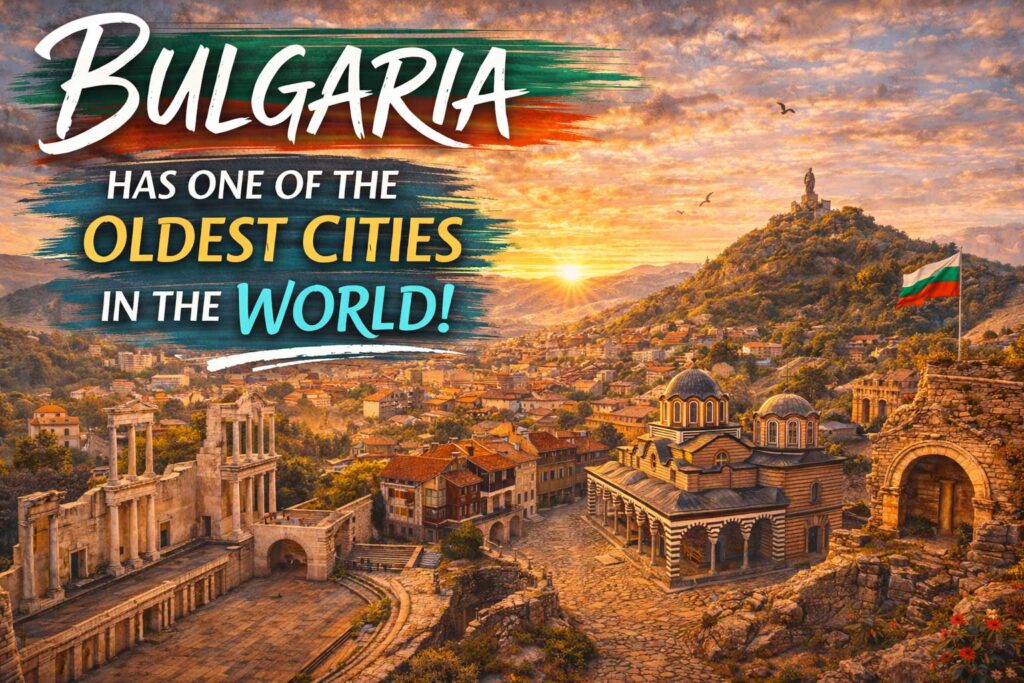
15. Bulgaria Has One of the Oldest Cities in the World
Another fascinating example among the many true facts about Bulgaria is the ancient city of Plovdiv, which is considered one of the oldest continuously inhabited cities in the world. Archaeological evidence shows that the area has been inhabited for more than 8,000 years, making it one of the most historically significant urban centers in Europe.
Throughout its long history, Plovdiv has been ruled and influenced by many different civilizations, including:
- Thracians
- Romans
- Byzantines
- Ottomans
- Bulgarians
Each of these cultures left architectural and cultural traces that are still visible today. One of the city’s most famous landmarks is the Ancient Roman Theatre of Plovdiv, a remarkably well-preserved structure that continues to host concerts, festivals, and cultural events.
Today, Plovdiv is known for its colorful Old Town, historic streets, art galleries, and vibrant cultural atmosphere. The city was also named the European Capital of Culture in 2019, further highlighting its importance as a center of history, art, and cultural life.
This extraordinary historical continuity makes Plovdiv one of the most remarkable true facts about Bulgaria, demonstrating the country’s deep historical roots and rich cultural heritage.
16. Ancient Thracians Loved Gold
Another fascinating example among the many true facts about Bulgaria is the extraordinary love of gold displayed by the ancient Thracian civilization, which once inhabited much of the Balkan region. Thracian rulers and aristocrats were known for their elaborate gold treasures, finely crafted jewelry, ceremonial vessels, and richly decorated ornaments.
Archaeologists have discovered numerous Thracian treasures across Bulgaria, many of which date back more than 2,000 years. These artifacts demonstrate the impressive metalworking skills and artistic craftsmanship of Thracian artisans. The treasures were often buried in tombs belonging to Thracian kings and nobles, reflecting their wealth, power, and spiritual beliefs.
Some of the most famous Thracian gold discoveries include:
- The Panagyurishte Treasure
- The Rogozen Treasure
- The Valchitran Treasure
Today, many of these priceless artifacts are displayed in Bulgarian museums, where they continue to attract historians, archaeologists, and visitors from around the world. These discoveries provide valuable insight into the culture, rituals, and artistic traditions of the Thracian people.
The impressive Thracian gold treasures remain one of the most remarkable true facts about Bulgaria, highlighting the region’s rich ancient heritage and its long tradition of skilled craftsmanship.
17. Bulgaria Has Huge Mountain Landscapes
Another fascinating example among the many true facts about Bulgaria is the country’s impressive natural landscape, especially its beautiful mountain ranges. Despite its relatively small size, Bulgaria is home to several spectacular mountain regions that offer breathtaking scenery and diverse ecosystems.
Some of the most famous mountain ranges in Bulgaria include:
- Rila Mountains – Home to Mount Musala, the highest peak in the Balkans
- Pirin Mountains – Known for its dramatic alpine landscapes and protected national parks
- Rhodope Mountains – Famous for its forests, traditional villages, and rich folklore
These mountainous regions are popular destinations for hiking, skiing, wildlife observation, and eco-tourism. Visitors come from around the world to explore the scenic trails, glacial lakes, and panoramic viewpoints found throughout these areas.
The natural beauty and biodiversity of these mountain landscapes make them one of the most impressive true facts about Bulgaria, showcasing the country’s rich natural heritage and its appeal to outdoor enthusiasts and nature lovers.
18. Bulgaria Once Rivaled the Byzantine Empire
Another remarkable entry among the many true facts about Bulgaria is that the country once rivaled one of the most powerful empires in medieval Europe—the Byzantine Empire. During the reign of Tsar Simeon I of Bulgaria (893–927), Bulgaria grew into one of the largest and most influential states in Europe.
Under Simeon I’s leadership, the Bulgarian Empire expanded its territory and strengthened its political and military power across the Balkan Peninsula. Bulgarian forces achieved several victories against Byzantine armies, helping Bulgaria establish itself as a dominant regional power.
At the same time, Simeon I promoted cultural development, education, and literature, leading to a period known as the Golden Age of Bulgarian culture. During this era, important literary schools flourished, and the Cyrillic alphabet spread across the Slavic world.
Because of its military strength and cultural influence, medieval Bulgaria became one of the few states capable of competing with the Byzantine Empire. This historical period remains one of the most impressive true facts about Bulgaria, highlighting the country’s powerful role in shaping the history of Eastern Europe.
19. Bulgarian Yogurt Is Famous Around the World
Another interesting true fact about Bulgaria is the global reputation of Bulgarian yogurt, which is widely recognized for its unique taste and natural fermentation process. Bulgaria has a long tradition of yogurt production, and the country is closely associated with one of the most important discoveries in the science of fermentation.
In 1905, Bulgarian scientist Stamen Grigorov discovered the bacterium Lactobacillus bulgaricus, which plays a crucial role in the fermentation process that transforms milk into yogurt. His research helped scientists understand how beneficial bacteria work in food fermentation.
This discovery was a major milestone in microbiology and food science, contributing significantly to the development of the modern global yogurt industry. Today, Lactobacillus bulgaricus remains one of the key bacterial cultures used in yogurt production around the world.
Because of this scientific discovery and centuries-old tradition, Bulgarian yogurt is still considered one of the most authentic and naturally fermented dairy products. This remarkable story remains one of the most fascinating true facts about Bulgaria, highlighting the country’s contribution to global food culture and scientific research.
20. Bulgaria Sent Astronauts to Space
Another fascinating entry among the many true facts about Bulgaria is that the country is among the relatively small number of nations whose citizens have traveled into space. Bulgaria participated in international space missions through the Interkosmos program, which allowed scientists and astronauts from several countries to take part in space exploration.
Two Bulgarian astronauts successfully traveled to space:
- Georgi Ivanov – In 1979, he became the first Bulgarian astronaut, flying aboard the Soyuz 33 mission.
- Alexander Alexandrov – In 1988, he participated in the Soyuz TM-5 mission and conducted scientific experiments aboard the Mir space station.
During these missions, Bulgarian astronauts carried out experiments related to space medicine, biology, and technology, contributing valuable research to international space science.
This achievement represents one of the most impressive true facts about Bulgaria, highlighting the country’s involvement in global space exploration and its contributions to scientific research beyond Earth.
21. Bulgaria Has Incredible Cultural Diversity
Another fascinating entry among the many true facts about Bulgaria is the country’s remarkable cultural diversity. Over thousands of years, Bulgaria has been influenced by several powerful civilizations, each leaving a lasting mark on its traditions, architecture, language, and customs.
Bulgarian culture combines elements from different historical periods and societies, including:
- Thracian civilization, known for its rich mythology and gold treasures
- Slavic traditions, which shaped language, folklore, and cultural identity
- Byzantine influence, visible in religious art, architecture, and Orthodox Christianity
- Ottoman heritage, reflected in cuisine, music, and historical architecture
These diverse influences have blended together to create a unique cultural identity that distinguishes Bulgaria from many other European countries. Visitors can see this cultural mixture in everything from traditional festivals and folk music to historic monuments and local cuisine.
This remarkable blend of traditions remains one of the most interesting true facts about Bulgaria, highlighting how centuries of cultural exchange helped shape the country’s rich and diverse heritage.
Frequently Asked Questions About Bulgaria
What is Bulgaria most famous for?
Bulgaria is famous for its rich history, ancient cultural traditions, rose oil production, yogurt, and the Cyrillic alphabet used across much of Eastern Europe.
What are some strange facts about Bulgaria?
Some unusual facts include:
- Bulgarians nod for “no” and shake their heads for “yes.”
- A Bulgarian folk song is traveling through space.
- Bulgaria produces most of the world’s rose oil.
- The country has some of Europe’s oldest cities.
Why is Bulgaria historically important?
Bulgaria played an important role in spreading Slavic literacy and culture, especially through the development of the Cyrillic alphabet.
Conclusion
These true facts about Bulgaria reveal a country rich in fascinating traditions, ancient history, and unique cultural practices. From fire-dancing rituals and mysterious rock formations to scientific discoveries and even music traveling through space, Bulgaria offers countless stories that surprise visitors, historians, and travelers alike.
The country’s heritage reflects thousands of years of cultural development shaped by Thracian, Slavic, Byzantine, and Ottoman influences. This blend of traditions has created a distinctive identity that continues to inspire curiosity and admiration around the world.
Exploring these true facts about Bulgaria not only highlights the nation’s remarkable past but also helps us better understand its lasting contributions to global culture, science, and history. Bulgaria’s unique traditions and historical achievements prove that even a relatively small country can have an extraordinary impact on the world.