


Teaching Bulgarian History to Kids Abroad has become increasingly important for families living outside Bulgaria. Today, millions of Bulgarians live in countries across Europe, North America, Australia, and other parts of the world. While children growing up abroad benefit from multicultural experiences, they can sometimes lose touch with their Bulgarian heritage.
For many parents, preserving their children’s connection to Bulgaria is deeply meaningful. Children raised in another country are often surrounded by a different language, culture, and school system, which can make it harder for them to learn about Bulgarian traditions, history, and national identity.
Yet many families believe that teaching Bulgarian history to kids abroad is essential for helping the next generation understand their roots. Learning about Bulgaria’s past allows children to develop a strong sense of identity, pride, and belonging.
In this guide, we explore practical ways parents, teachers, and community organizations can make Bulgarian history engaging and meaningful for children growing up outside the country.
Why Teaching Bulgarian History Matters
For children growing up outside Bulgaria, learning about their heritage helps them understand their cultural background and family traditions. Without this connection, younger generations may gradually lose familiarity with their family’s homeland.
Teaching Bulgarian history to kids abroad can help children:
- Develop a strong cultural identity
- Understand their family roots
- Learn and practice the Bulgarian language
- Appreciate historical achievements
- Feel connected to Bulgarian communities worldwide
History is more than dates and events—it tells the story of a people and their culture. When children learn about Bulgaria’s past, they begin to see how their family’s story fits into a larger historical narrative.
Challenges Families Face When Teaching Bulgarian History Abroad
While many parents want to pass on their heritage, teaching Bulgarian history to kids abroad is not always easy.
Several challenges can make this process difficult.
Language Barriers
Many children born abroad grow up speaking the language of their host country more fluently than Bulgarian. As a result, reading Bulgarian historical texts can be challenging.
Parents often need bilingual resources that explain history in simple and engaging ways.
Limited Access to Educational Materials
In some countries, it can be difficult to find books, documentaries, or educational programs about Bulgarian history designed for children.
Many parents rely on online resources or community schools to help fill this gap.
Busy Modern Lifestyles
Children living abroad often have busy schedules with school, sports, and extracurricular activities. Finding time for cultural education can require extra effort from parents.
Despite these challenges, there are many creative ways families can keep Bulgarian history alive for the next generation.
Start with Stories and Legends
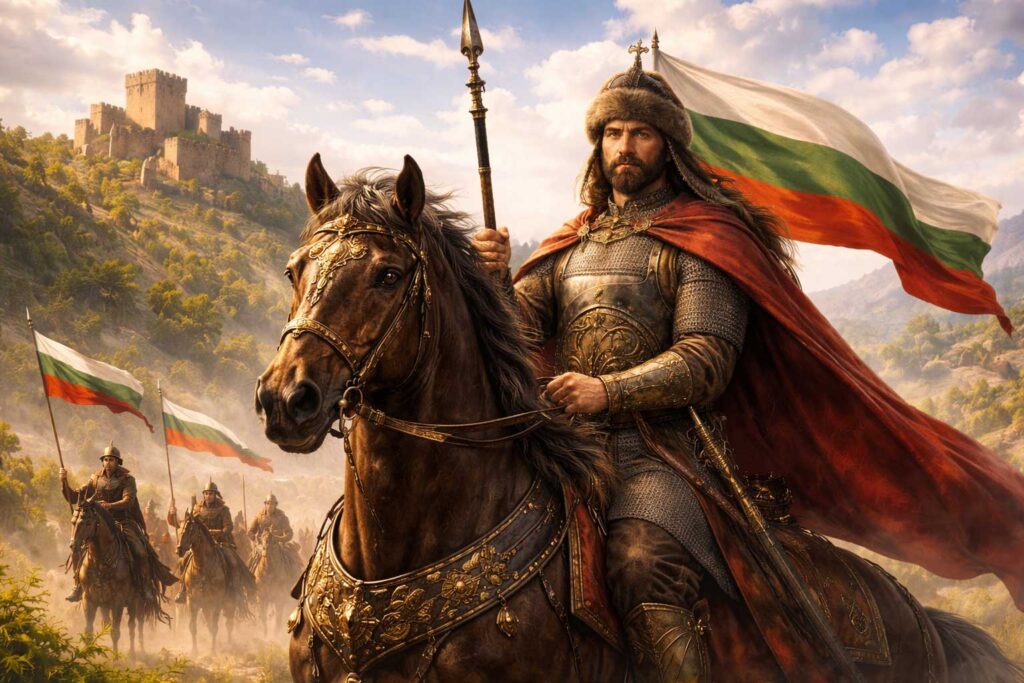
One of the most effective ways of teaching Bulgarian history to kids abroad is through storytelling. Children are naturally attracted to stories about heroes, adventures, and important historical moments. By presenting history as a series of engaging narratives, parents can make learning both enjoyable and memorable.
Bulgarian history is filled with fascinating legends and inspiring figures that easily capture children’s imagination. These stories help young learners connect emotionally with their heritage while understanding the events that shaped the country’s past.
Some popular historical stories parents can share include:
- The founding of Bulgaria by Khan Asparuh, who established the Bulgarian state in 681 AD
- The bravery of Vasil Levski, one of Bulgaria’s most beloved national heroes
- The poetry and sacrifice of Hristo Botev, a revolutionary leader and writer
- The cultural achievements of Tsar Simeon the Great, during Bulgaria’s Golden Age of culture and education
Instead of focusing only on dates and historical facts, parents can turn these events into engaging narratives that highlight courage, creativity, determination, and national pride. Storytelling allows children to imagine the people and events behind history, making the learning experience more vivid and meaningful.
By sharing these inspiring stories, families can make teaching Bulgarian history to kids abroad both exciting and memorable while helping children develop a deeper connection to their cultural heritage.
Use Books Designed for Children
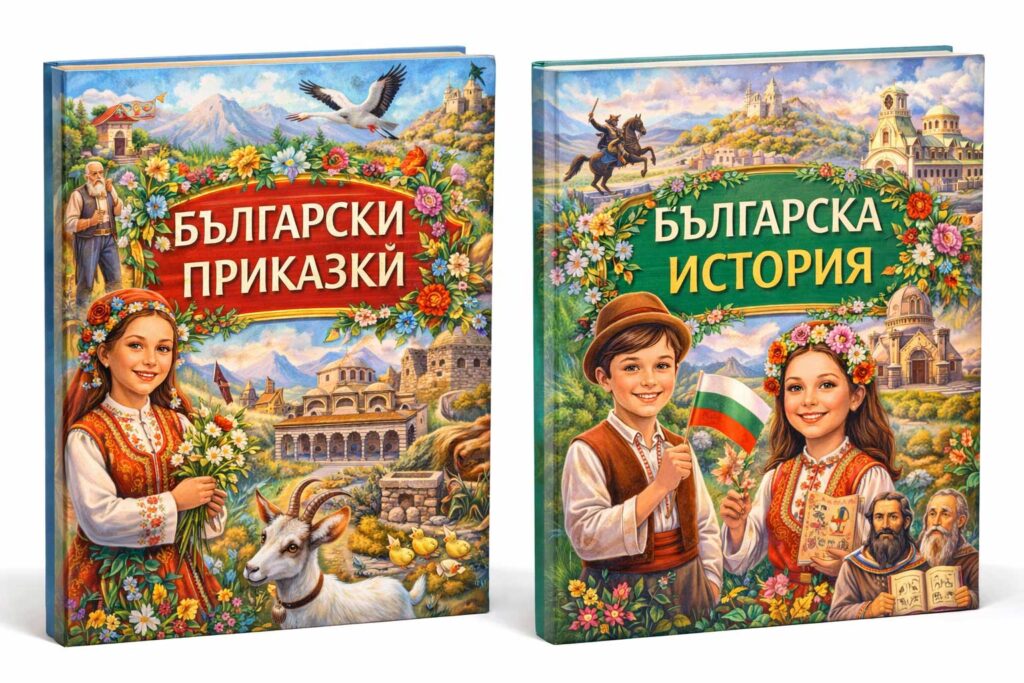
Books are another powerful resource for teaching Bulgarian history to kids abroad. Well-designed children’s books can introduce historical events, national heroes, and cultural traditions in a way that is easy for young readers to understand. Illustrated stories and simplified explanations make history more accessible and enjoyable, especially for children who may be encountering Bulgarian history for the first time.
Many publishers now produce children’s books focused on Bulgarian heritage. These books often include:
- Colorful illustrations that bring historical scenes and characters to life
- Simplified historical explanations that help children understand important events
- Short biographies of important historical figures, such as national heroes and cultural leaders
- Stories about cultural traditions and customs that explain how history connects to everyday life
Parents can read these books with their children at bedtime or during family learning time, turning reading into a shared cultural experience. For younger children, picture books and illustrated stories are especially effective, while older children may enjoy historical novels or illustrated encyclopedias about Bulgaria.
Using books in this way helps make teaching Bulgarian history to kids abroad both educational and engaging, allowing children to explore their heritage through storytelling and imagination.
Celebrate Bulgarian Holidays and Traditions
Cultural celebrations are another powerful way of teaching Bulgarian history to kids abroad. Traditional holidays allow children to experience history as a living tradition rather than simply reading about it in books. Through celebrations, stories, and family gatherings, children learn how historical events and cultural customs continue to shape Bulgarian identity today.
Participating in traditional holidays helps young people understand the meaning behind national symbols, customs, and important moments in Bulgarian history.
Some important Bulgarian celebrations families can observe include:
- March 3 – Bulgaria’s Liberation Day, marking the country’s liberation from Ottoman rule in 1878
- May 24 – Day of the Bulgarian Alphabet, Education, and Culture, honoring the Cyrillic alphabet and the cultural achievements of Bulgarian educators
- Baba Marta (March 1), a beloved tradition where people exchange martenitsi to welcome spring and wish each other health and happiness
- Christmas and Easter traditions, which include special foods, religious customs, and family gatherings
Parents can explain the historical and cultural significance behind these holidays while celebrating them together as a family. These shared experiences help children connect emotionally with their heritage and strengthen their understanding of Bulgaria’s cultural traditions.
By celebrating these events each year, families can make teaching Bulgarian history to kids abroad a meaningful and memorable part of everyday life.
Teach Through Food and Family Traditions
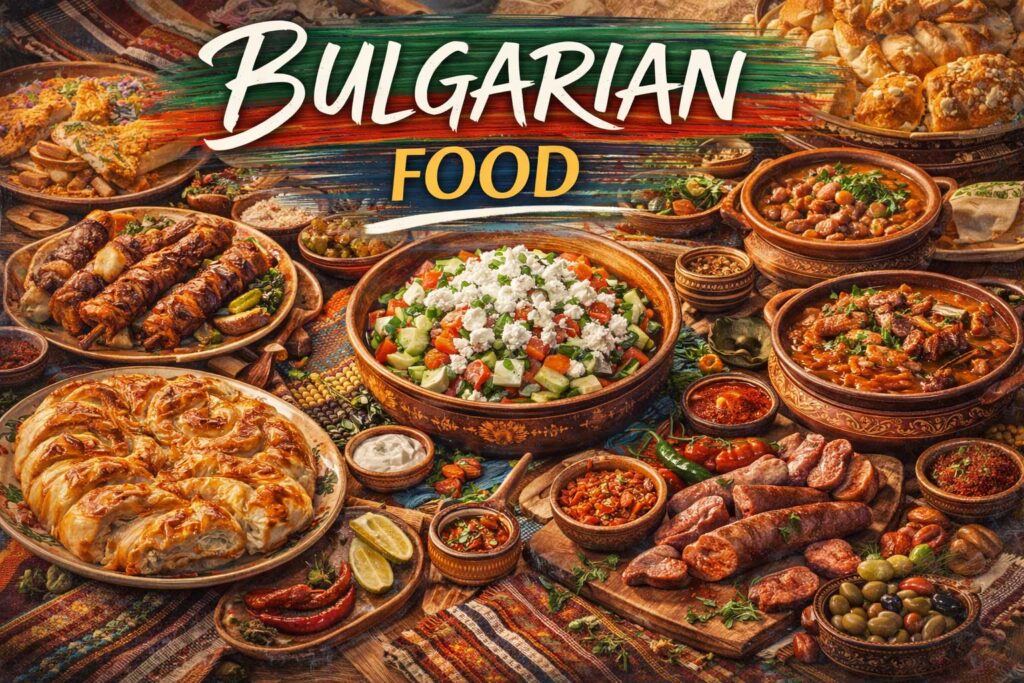
Food can play a powerful role in teaching Bulgarian history to kids abroad. Traditional Bulgarian dishes are more than just meals—they carry cultural meaning, family memories, and historical traditions that have been passed down through generations.
Preparing traditional foods together allows children to experience Bulgarian culture in a hands-on and memorable way. While cooking, parents can share stories about family customs, holidays, and the historical background behind certain dishes.
For example:
- Banitsa is often prepared for holidays, celebrations, and special family gatherings. It is especially popular during New Year traditions when fortune notes are placed inside the pastry.
- Kiselo mlyako (Bulgarian yogurt) reflects centuries of culinary tradition and is closely connected to the discovery of the bacterium Lactobacillus bulgaricus.
- Kavarma and shopska salad introduce children to the flavors of traditional Bulgarian cuisine that are enjoyed across the country.
Cooking traditional meals together gives families a natural opportunity to talk about Bulgarian customs and heritage. These shared experiences help children understand that history is not only found in books but also in everyday traditions.
By connecting food with storytelling and family memories, parents can make teaching Bulgarian history to kids abroad both meaningful and enjoyable.
Visit Bulgaria When Possible
Travel can be one of the most powerful ways of teaching Bulgarian history to kids abroad. Visiting Bulgaria allows children to experience history firsthand by exploring historic cities, ancient monuments, and cultural landmarks that bring the country’s past to life.
When children walk through places where historical events actually occurred, the stories they have learned suddenly become real and meaningful. Seeing historical sites, traditional architecture, and cultural traditions helps them develop a deeper connection to their heritage.
Some important historical places families often visit include:
- Rila Monastery, one of Bulgaria’s most famous spiritual and cultural landmarks
- Plovdiv’s Old Town and Roman Theatre, which reveal layers of ancient civilizations
- Veliko Tarnovo and the Tsarevets Fortress, the medieval capital of the Bulgarian Empire
- The Thracian Tomb of Kazanlak, known for its remarkable ancient frescoes
Exploring these historic locations allows children to visualize important moments in Bulgarian history while learning about the people and events that shaped the country.
These travel experiences often create lasting memories that strengthen cultural identity, making them one of the most meaningful ways of teaching Bulgarian history to kids abroad.
Join Bulgarian Community Schools
One of the most effective ways of teaching Bulgarian history to kids abroad is through Bulgarian community schools. In many countries, Bulgarian communities have established weekend or supplementary schools where children can learn about their heritage while developing language skills and cultural knowledge.
These schools play an important role in helping families preserve Bulgarian traditions and historical awareness among younger generations. They create a structured learning environment where children can study topics that are often not included in the regular school curriculum of their host country.
Bulgarian community schools typically offer:
- Bulgarian language classes to help children develop reading, writing, and speaking skills
- History lessons covering important events and figures in Bulgarian history
- Cultural celebrations for traditional holidays and national events
- Traditional music and dance programs, including folk songs and horo dances
One of the greatest benefits of these schools is the opportunity for children to meet other Bulgarian kids who share a similar cultural background. Building friendships within the Bulgarian community helps strengthen their sense of identity and belonging.
Through these educational and cultural activities, community schools become a powerful resource for families who are committed to teaching Bulgarian history to kids abroad and preserving Bulgarian heritage for future generations.
Use Digital Resources and Educational Videos
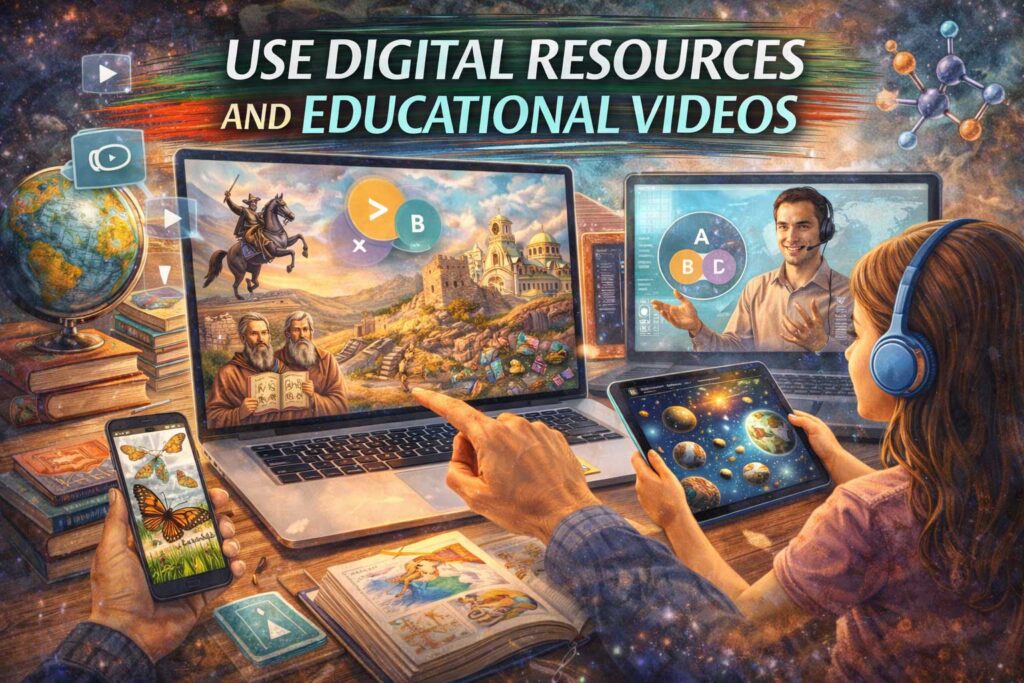
Technology provides many helpful tools for teaching Bulgarian history to kids abroad. With the growth of online learning platforms, parents now have access to a wide range of educational content that can make history more engaging and interactive for children.
Educational videos, documentaries, and online courses allow children to explore Bulgaria’s past through visual storytelling and interactive lessons. These resources can help simplify complex historical topics and present them in a way that is easy for young learners to understand.
Many digital platforms now offer resources such as:
- Animated historical videos that explain important events and historical figures
- Virtual museum tours that allow children to explore Bulgarian cultural sites online
- Online language learning apps that combine history with vocabulary and storytelling
- Interactive history games that turn learning into a fun challenge
These digital tools make teaching Bulgarian history to kids abroad more accessible, especially for families who live far from Bulgarian cultural centers or community schools. By combining technology with traditional learning methods, parents can create an engaging environment that helps children stay connected to their heritage.
Encourage Language Learning
Language and history are closely connected, especially when teaching Bulgarian history to kids abroad. When children understand and speak Bulgarian, they can connect more deeply with the country’s stories, traditions, and historical heritage. Learning the language allows them to access Bulgarian literature, songs, and historical texts in their original form.
Parents can encourage language learning in simple and practical ways as part of everyday life. Even small daily activities can help children become more comfortable with the language while strengthening their cultural connection.
Some helpful approaches include:
- Speaking Bulgarian at home during daily conversations
- Watching Bulgarian movies or cartoons to improve listening skills
- Reading Bulgarian books or children’s stories together
- Practicing conversations with relatives such as grandparents and extended family
These activities not only support language development but also reinforce the process of teaching Bulgarian history to kids abroad. When children become familiar with the language, they are better able to understand historical narratives, traditional songs, and cultural expressions that are deeply rooted in Bulgarian heritage.
Make Learning Interactive and Fun
One of the most effective strategies for teaching Bulgarian history to kids abroad is making learning interactive and enjoyable. Children absorb information much more easily when education feels like an adventure rather than a formal lesson. By turning historical topics into engaging activities, parents can help children develop curiosity about Bulgaria’s past while having fun.
Parents can make teaching Bulgarian history to kids abroad more exciting through creative activities such as:
- History-themed board games that introduce important historical events and figures
- Family quizzes about Bulgarian history, where children can answer questions and earn small rewards
- Drawing or crafting historical figures, such as medieval rulers or national heroes
- Visiting museums and exhibitions that showcase Bulgarian culture, either locally or through virtual tours
These interactive approaches encourage children to actively participate in learning rather than simply memorizing facts. Activities like games, art projects, and quizzes also help children remember historical stories more easily.
By making lessons playful and engaging, parents can transform history into a meaningful and enjoyable experience while successfully teaching Bulgarian history to kids abroad.
The Role of the Bulgarian Diaspora
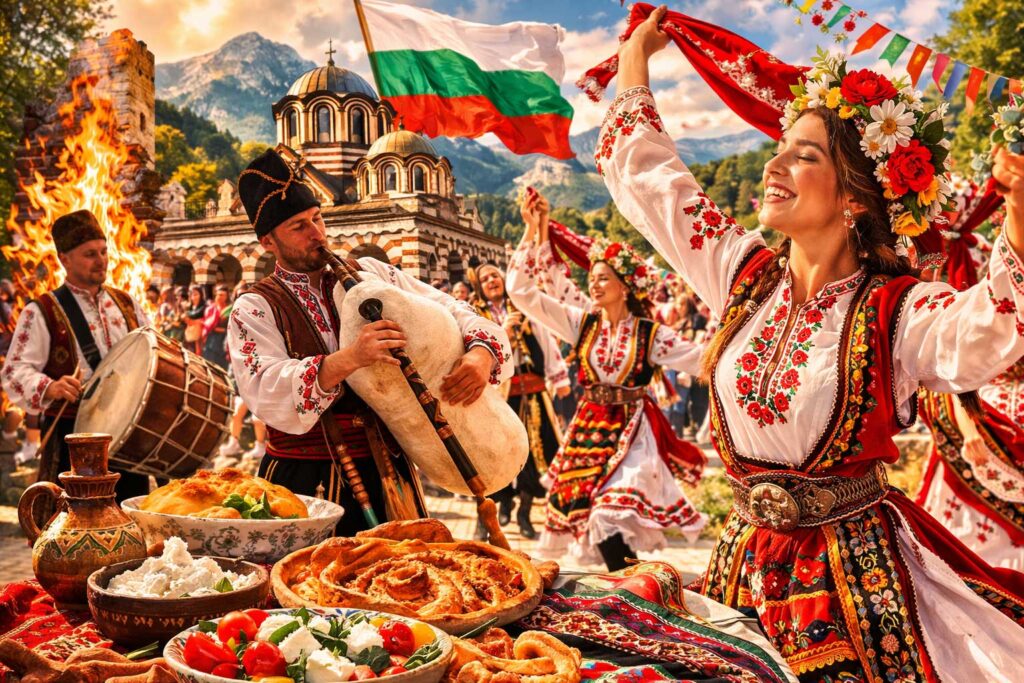
The global Bulgarian diaspora plays a crucial role in preserving and promoting national heritage among younger generations. For families living outside Bulgaria, community support can make a significant difference when teaching Bulgarian history to kids abroad. Diaspora organizations often create spaces where children can learn about their culture, language, and traditions while connecting with other Bulgarian families.
Across many countries, Bulgarian community groups organize events that celebrate the nation’s history and cultural identity. These activities help children experience Bulgarian culture in a lively and meaningful way.
Common events organized by Bulgarian communities include:
- Cultural festivals that showcase traditional music, crafts, and cuisine
- Traditional dance performances, especially Bulgarian folk dances such as the horo
- Bulgarian language competitions that encourage children to practice speaking and writing in Bulgarian
- Historical exhibitions featuring important figures and milestones from Bulgarian history
These gatherings allow children to interact with others who share the same cultural background, which helps strengthen their sense of identity. For parents, diaspora organizations provide valuable resources and support networks that make teaching Bulgarian history to kids abroad more accessible and engaging.
Through these community efforts, Bulgarian culture and history continue to thrive far beyond the country’s borders, ensuring that younger generations remain connected to their heritage.
Bulgarian History Topics Children Should Learn
When teaching Bulgarian history to kids abroad, it helps to focus on several important historical themes that explain how Bulgaria developed over the centuries. Introducing children to these major milestones allows them to understand the story of their homeland in a clear and meaningful way.
Some of the most important topics parents can explore include:
- The founding of Bulgaria in 681 AD, when Khan Asparuh established the First Bulgarian Empire
- The Golden Age of Bulgarian culture, during the reign of Tsar Simeon I, when literature and education flourished
- The Bulgarian National Revival, a period when culture, language, and national identity were strengthened
- The struggle for independence from the Ottoman Empire, which led to Bulgaria’s liberation in the 19th century
- Bulgaria’s contribution to the Cyrillic alphabet, which became one of the most widely used writing systems in Eastern Europe
By learning about these milestones, children gain a clearer picture of Bulgaria’s historical journey and the events that shaped the country’s identity. Teaching these topics helps young learners connect with their heritage and better understand the cultural legacy of Bulgaria.
Encouraging Pride in Bulgarian Heritage
One of the most effective strategies for teaching Bulgarian history to kids abroad is making learning interactive and enjoyable. Children absorb information much more easily when education feels like an adventure rather than a formal lesson. By turning historical topics into engaging activities, parents can help children develop curiosity about Bulgaria’s past while having fun.
Parents can make teaching Bulgarian history to kids abroad more exciting through creative activities such as:
- History-themed board games that introduce important historical events and figures
- Family quizzes about Bulgarian history, where children can answer questions and earn small rewards
- Drawing or crafting historical figures, such as medieval rulers or national heroes
- Visiting museums and exhibitions that showcase Bulgarian culture, either locally or through virtual tours
These interactive approaches encourage children to actively participate in learning rather than simply memorizing facts. Activities like games, art projects, and quizzes also help children remember historical stories more easily.
By making lessons playful and engaging, parents can transform history into a meaningful and enjoyable experience while successfully teaching Bulgarian history to kids abroad.
One of the most important goals of teaching Bulgarian history to kids abroad is helping children feel proud of their heritage.
FAQs About Teaching Bulgarian History to Kids Abroad
Why is teaching Bulgarian history to kids abroad important?
Teaching Bulgarian history helps children understand their cultural identity, family heritage, and historical roots.
How can parents make history interesting for children?
Parents can use storytelling, books, travel experiences, and cultural celebrations to make learning more engaging.
Are there Bulgarian schools abroad?
Yes. Many countries have Bulgarian weekend schools that teach language, history, and cultural traditions.
Conclusion
Teaching Bulgarian history to kids abroad is an important way of preserving cultural identity for future generations. Although children growing up outside Bulgaria may face challenges such as language barriers or limited access to resources, families can still keep their heritage alive through stories, traditions, community involvement, and travel.
By introducing children to Bulgaria’s rich history, cultural achievements, and traditions, parents help them build a strong sense of belonging and pride in their roots.
When young people understand where they come from, they carry that knowledge forward—ensuring that Bulgaria’s cultural heritage continues to thrive across the world.