


Looking for quick and reliable Bulgarian country facts at a glance? This guide provides a complete overview of Bulgaria’s geography, population, economy, and national identity in a clear and easy-to-read format.
These Bulgarian facts are perfect for quick reference, school projects, travel planning, or general knowledge about the country.
These Bulgaria country facts at a glance provide a quick overview of the country’s key statistics, geography, and national identity.
👉 Want deeper insights? Explore → Historical Facts About Bulgaria.
This Bulgaria overview includes essential Bulgaria statistics, geography facts, and economy facts, making it one of the most complete Bulgaria country facts guides available.
Capital: Sofia
Population: ~6.9 million
Area: 110,879 sq km
Currency: Lev (BGN)
Official Language: Bulgarian
Key Bulgaria Country Facts
General Information
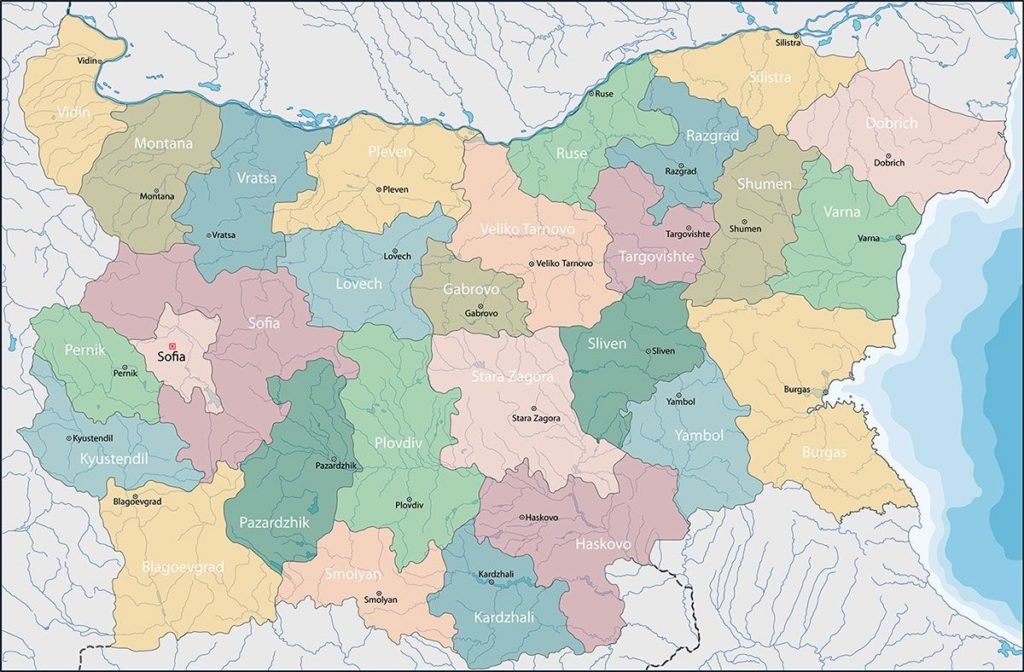
- Capital City: Sofia (42°41′N 23°19′E)
- Largest City: Sofia
- Official Language: Bulgarian
- Demonym: Bulgarian
- Government Type: Parliamentary Republic
- Currency: Bulgarian Lev (BGN)
- Time Zone: UTC+02:00
- Driving Side: Right
- Calling Code: +359
- Internet Code: .bg
Geography and Location (Bulgaria Geography Facts)
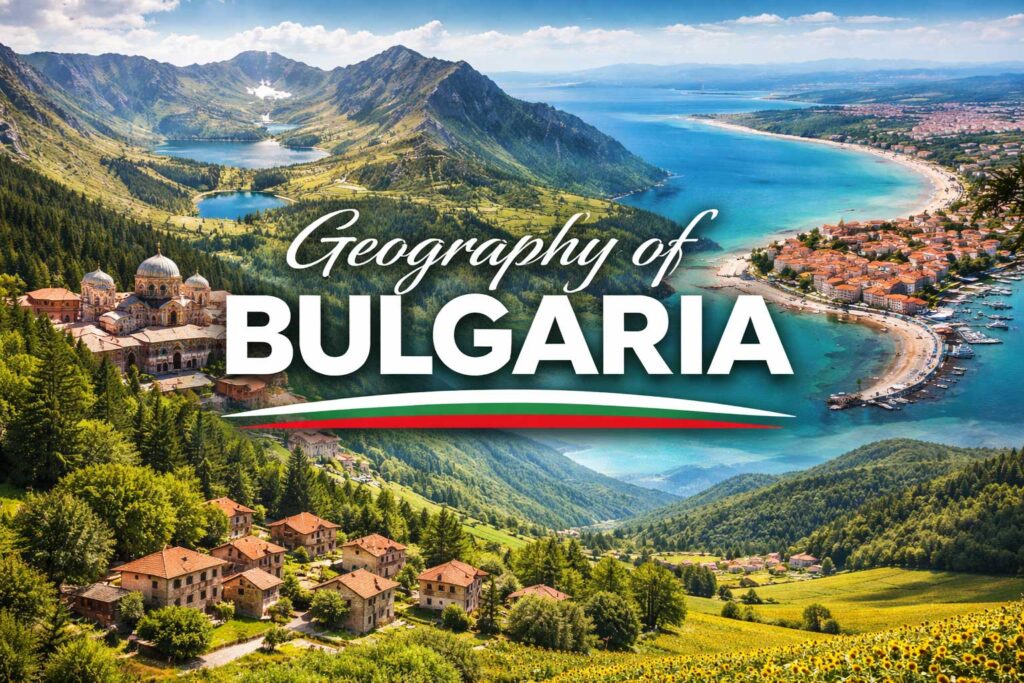
- Region: Southeastern Europe (Balkans)
- Borders: Romania, Serbia, North Macedonia, Greece, Turkey
- Total Area: 110,879 sq km
- Land: 108,489 sq km
- Water: 2,390 sq km
- Terrain: Mostly mountains with lowlands in the north and southeast
- Mean Elevation: 472 m
- Highest Point: Musala (2,925 m)
- Lowest Point: Black Sea (0 m)
👉 Planning a trip? See → Best Places to Visit in Bulgaria.
Climate
- Type: Temperate
- Winters: Cold and damp
- Summers: Hot and dry
Population and Society
- Population: ~6.9 million
- Literacy Rate: 98.4%
- Life Expectancy: ~75 years
- Religion: Predominantly Bulgarian Orthodox
👉 Learn more about traditions → Bulgarian Culture and Traditions.
Economy and Industry (Bulgaria Economy Facts)
- GDP (PPP per capita): ~$21,800
- Main Industries:
- Electricity, gas, water
- Food, beverages, tobacco
- Machinery and equipment
- Chemical products
- Refined petroleum
- Nuclear fuel
👉 Explore the tech sector → Top Bulgarian Tech Companies.
Agriculture and Resources
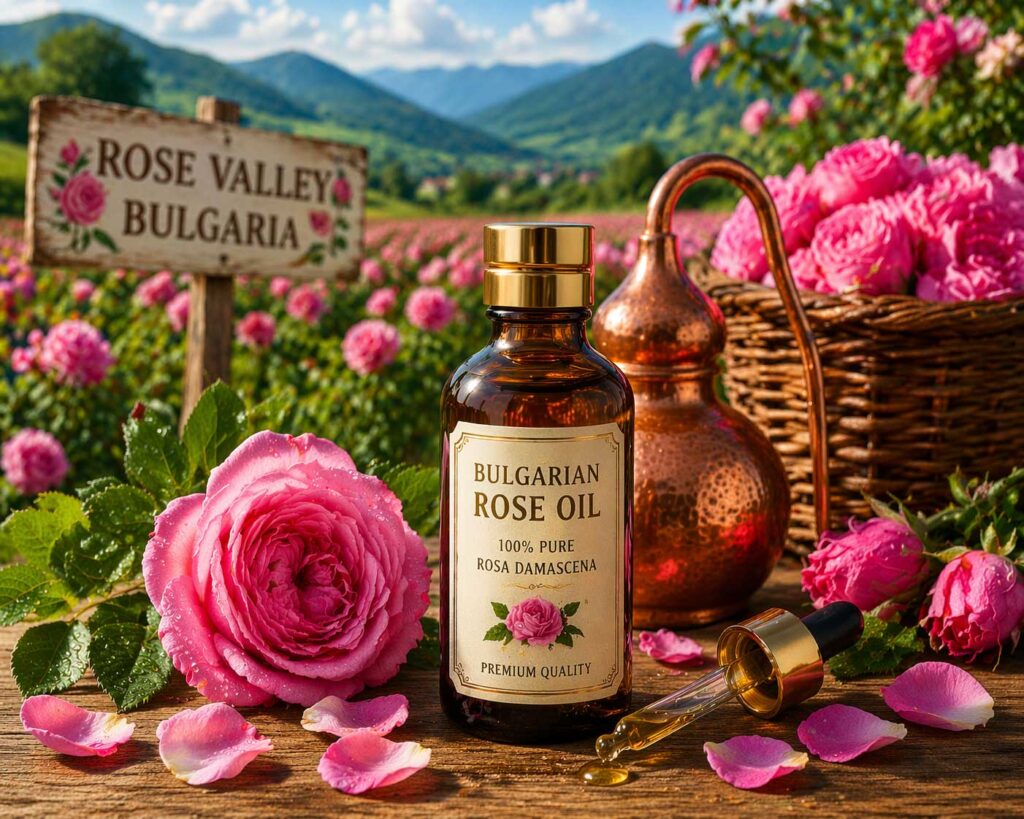
- Agricultural Land: 46.9%
- Natural Resources:
- Bauxite
- Copper
- Lead
- Zinc
- Coal
- Timber
- Arable land
👉 Discover famous products → Bulgarian Products You Should Know.
Trade and Economy
- Exports: ~$29 billion
- Clothing
- Footwear
- Machinery
- Fuels
- Iron and steel
- Imports: ~$31 billion
- Machinery
- Metals and ores
- Chemicals
- Plastics
- Fuels
These Bulgaria statistics highlight the country’s economic activity, trade balance, and overall development.
Demographics
- Birth Rate: 8.3 per 1,000
- Death Rate: 14.6 per 1,000
- Sex Ratio: 0.95 male/female
History and Independence
- Independence:
- 1877 – Declared from Ottoman Empire
- 1878 – Recognized (Treaty of Berlin)
- 1881 – Kingdom proclaimed
- 1947 – Republic established
👉 See full timeline → Historical Facts About Bulgaria.
National Identity
- National Symbol: Lion
- National Anthem: “Mila Rodino”
- National Colors: White, Green, Red
- National Holiday: Liberation Day (March 3)
👉 Explore symbols and meaning → Bulgarian Symbols and Their Meanings.
Why These Bulgarian Country Facts Matter
Bulgaria country facts provide more than just statistics—they offer a deeper understanding of the country’s identity, development, and role in Europe. By looking at key data such as population, geography, and economy, you can better understand how Bulgaria has evolved over time.
These Bulgaria facts at a glance help place the country in a global context, highlighting both its historical significance and its modern progress. Whether you are researching, traveling, or simply learning, these facts offer a clear and reliable overview.
This Bulgaria overview combines key data and insights to give a complete picture of the country’s position in Europe.
Bulgaria Compared to Other European Countries
When comparing Bulgaria to other European countries, several key differences stand out. Bulgaria has a smaller population than many Western European nations but offers a diverse geography that includes mountains, plains, and coastline.
In terms of cost of living, Bulgaria is considered one of the more affordable countries in the European Union. At the same time, it continues to develop its economy and infrastructure, especially in technology and tourism.
These comparisons help highlight Bulgaria’s unique position as a country that blends tradition with modern development.
Quick Facts About Bulgaria (Bulgaria Quick Facts)
These quick facts about Bulgaria summarize the most important information in a simple format:
- Bulgaria is located in Southeastern Europe
- It has a population of around 6.9 million people
- The capital city is Sofia
- The official language is Bulgarian
- The currency is the Bulgarian Lev
- The country is a member of the European Union
- It has a diverse landscape of mountains, rivers, and coastline
These quick facts make it easy to understand Bulgaria’s core characteristics at a glance.
Modern Development and Growth

In recent years, Bulgaria has experienced steady development in several key areas, including technology, infrastructure, and tourism. The country has become an emerging hub for software development and startups, attracting both local talent and international investment.
At the same time, Bulgaria continues to maintain its cultural heritage and traditions, creating a unique balance between modern growth and historical identity. This combination makes Bulgaria an increasingly attractive destination for business, travel, and education.
Bulgaria’s Role in Europe
Bulgaria plays an important role in the European Union as part of the Balkan region. Its strategic location connects Europe with the Middle East and Asia, making it an important transit and trade hub.
The country also contributes to regional stability and cooperation, participating in European economic and political initiatives. Over time, Bulgaria’s influence within Europe continues to grow as its economy and infrastructure develop.
👉 Want deeper insights? Explore → Historical Facts About Bulgaria.
Frequently Asked Questions About Bulgaria
What are the basic facts about Bulgaria?
Basic Bulgaria country facts include its capital Sofia, a population of around 6.9 million, and its location in Southeastern Europe. It is a member of the European Union and has a parliamentary republic system.
Where is Bulgaria located?
Bulgaria is located in Southeastern Europe on the Balkan Peninsula. It borders Romania, Serbia, North Macedonia, Greece, and Turkey, and has a coastline along the Black Sea.
What is Bulgaria known for?
Bulgaria is known for its rich history, the Cyrillic alphabet, yogurt, rose oil production, and diverse landscapes including mountains and beaches.
What is the population of Bulgaria?
The population of Bulgaria is approximately 6.9 million people, although it has been gradually declining in recent years due to demographic trends.
What language is spoken in Bulgaria?
The official language of Bulgaria is Bulgarian, which uses the Cyrillic alphabet and is part of the South Slavic language group.
What currency does Bulgaria use?
Bulgaria uses the Bulgarian Lev (BGN) as its official currency.
Is Bulgaria part of the European Union?
Yes, Bulgaria joined the European Union in 2007 and continues to be an active member of the EU.
What type of government does Bulgaria have?
Bulgaria has a parliamentary republic system, where the government is elected and led by a prime minister, with a president as head of state.
What is the climate like in Bulgaria?
Bulgaria has a temperate climate with cold winters and hot, dry summers. Climate conditions vary depending on the region, especially between mountains and coastal areas.
What are the main industries in Bulgaria?
Major industries in Bulgaria include manufacturing, energy, agriculture, food production, and technology. The country also has a growing IT and startup sector.
What is Bulgaria’s main religion?
The main religion in Bulgaria is Eastern Orthodox Christianity, followed by Islam and smaller religious communities.
What is the capital of Bulgaria?
The capital of Bulgaria is Sofia, which is also the largest city and the main political, cultural, and economic center of the country.
👉 Discover more → Surprising Facts About Bulgaria Most People Don’t Know.
Conclusion
These Bulgarian country facts and Bulgaria statistics at a glance provide a clear overview of the country’s key characteristics. From geography and economy to culture and history, Bulgaria offers a unique combination of tradition and modern development.
👉 Explore the full Bulgaropedia collection → Bulgarian Culture Guide.
🇧🇬 Support Bulgaropedia
If these Bulgaria country facts helped you learn something new, consider supporting Bulgaropedia.
Your support allows us to continue creating high-quality guides about Bulgarian history, culture, and data-driven insights.
❤️ Support BulgaropediaReferences
Sources and references used to verify Bulgaria country facts, statistics, and general information.
- Encyclopaedia Britannica. “Bulgaria.” https://www.britannica.com/place/Bulgaria
- Encyclopaedia Britannica. “Bulgaria – History.” https://www.britannica.com/place/Bulgaria/History
- European Union. “Bulgaria Country Profile.” https://european-union.europa.eu/principles-countries-history/country-profiles/bulgaria_en
- National Statistical Institute of Bulgaria. https://www.nsi.bg/en
- World Bank. “Bulgaria Data.” https://data.worldbank.org/country/bulgaria
- Central Intelligence Agency. “The World Factbook: Bulgaria.” https://www.cia.gov/the-world-factbook/countries/bulgaria/
- UNESCO World Heritage Centre. “Bulgaria.” https://whc.unesco.org/en/statesparties/bg
- Bulgarian National Tourist Portal. https://bulgariatravel.org/