


After asking “Is Bulgaria safe to visit?”, many travelers are surprised by the answer. Bulgaria is one of Europe’s safest and most underrated destinations, offering low crime rates, friendly locals, and a relaxed, uncrowded travel experience.
From the historic streets of Sofia to the charming Old Town of Plovdiv and the sunny Black Sea coast in Varna, visitors consistently report feeling safe and comfortable throughout their trip.
Some travelers wonder if Bulgaria is dangerous, but overall it is considered a safe country to visit.
Bulgaria is safe to visit for travelers, and its safety levels continue to attract more international visitors each year.
👉 Before planning your trip, explore the best destinations in our guide to Top Cities in Bulgaria.
Is Bulgaria safe to visit in 2026?
Yes, Bulgaria is safe to visit. It is considered one of the safer countries in Europe, with low violent crime rates and a generally relaxed atmosphere. Most travelers experience no serious issues, and the main risk is minor pickpocketing in crowded tourist areas. By following basic precautions, visitors can enjoy a safe and comfortable trip throughout Bulgaria.
Bulgaria safety levels are high compared to many Western European countries, particularly when it comes to violent crime. While minor issues like pickpocketing can occur in crowded areas, serious incidents are rare, and most trips are completely trouble-free.
In this complete safety guide, you’ll learn everything you need to know before traveling to Bulgaria — including crime rates, safest cities, travel tips, and how to plan your trip with confidence.
To understand why this destination is gaining popularity, see Why Bulgaria Should Be on Your List.
Is Bulgaria Safe for Tourists?
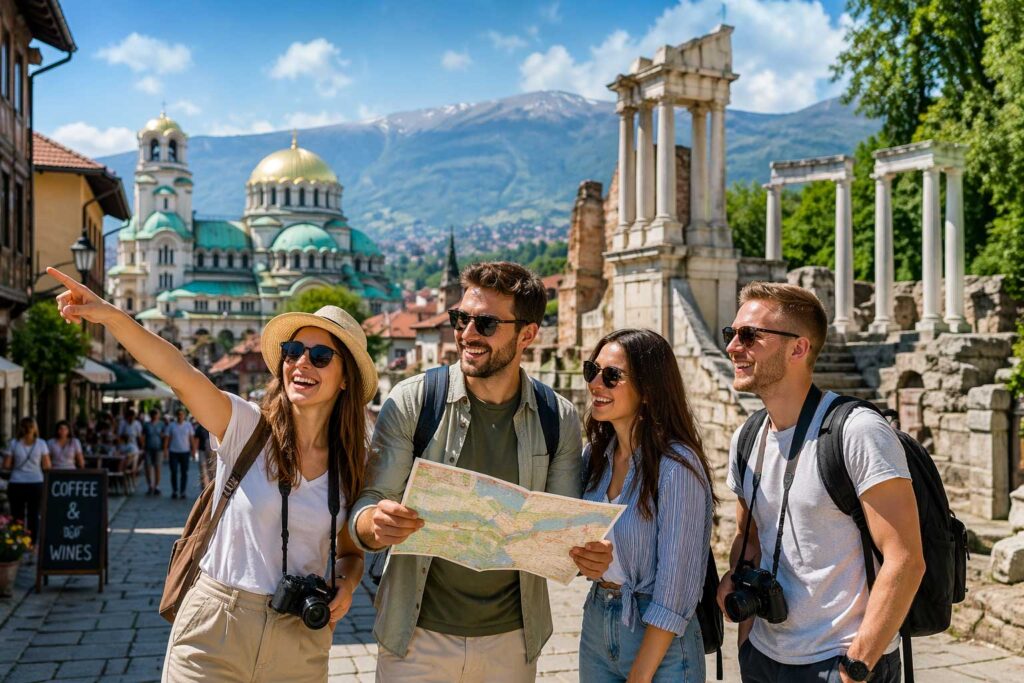
Is Bulgaria safe for travel?
Yes, Bulgaria is safe for tourists. Crime levels are low, especially violent crime, and most visits are trouble-free. Travelers should be aware of minor risks like pickpocketing in busy areas, but overall Bulgaria is considered a safe and easy destination to explore.
Many travelers ask: Is Bulgaria safe to visit compared to other European countries? The answer may surprise you.
Why Bulgaria Is Considered Safe
Bulgaria is widely regarded as a safe destination for travelers, especially when compared to many popular European countries. Its relatively low crime levels, welcoming culture, and relaxed pace of life make it an attractive option for tourists seeking both safety and authenticity.
Bulgaria stands out for several key reasons:
- Low levels of violent crime compared to most of Europe
- Strong family and community culture, which contributes to social stability
- Safe residential neighborhoods across cities and towns
- Less overcrowding than major EU tourist hotspots
👉 Unlike heavily visited destinations, Bulgaria still feels authentic and uncrowded, which naturally reduces many common tourist risks such as scams and pickpocketing.
👉 This is one of the reasons why travelers exploring cities like Sofia or Plovdiv often report feeling more relaxed and secure during their stay.
👉 Plan your full itinerary with our Bulgaria Travel Guide.
Crime Rate in Bulgaria
What You Should Know
The Bulgaria crime rate is relatively low, particularly when it comes to violent crime.
Understanding the crime situation is key when asking “Is Bulgaria safe to visit?” — and overall, the data is reassuring.
- Violent crime: Rare and uncommon for tourists
- Petty theft: Occasional, mainly in busy tourist areas
- Scams: Limited, but possible (similar to other European countries)
👉 Bulgaria’s overall crime rate is lower than many Western European destinations, especially when it comes to serious offenses.
Most Common Issue: Pickpocketing
Bulgaria pickpocketing is the most common issue, but it is relatively rare and easy to avoid.
Like in most travel destinations, the most common issue visitors may encounter is minor pickpocketing.
This typically happens in:
- Busy public transport (buses, trams, metro)
- Popular tourist hotspots
- Crowded markets and events
👉 However, compared to major cities like Barcelona or Paris, the risk is noticeably lower, and simple precautions are usually enough to stay safe.
👉 Bulgaria is safe to visit for most travelers, and the majority of trips are completely trouble-free with basic awareness and common-sense precautions.
Is Bulgaria a Safe Country?
Bulgaria is a safe country with low violent crime and a stable environment for travelers. Most visitors experience no serious issues, and risks are limited to minor concerns like pickpocketing.
Safety in Major Cities
Safety in Sofia
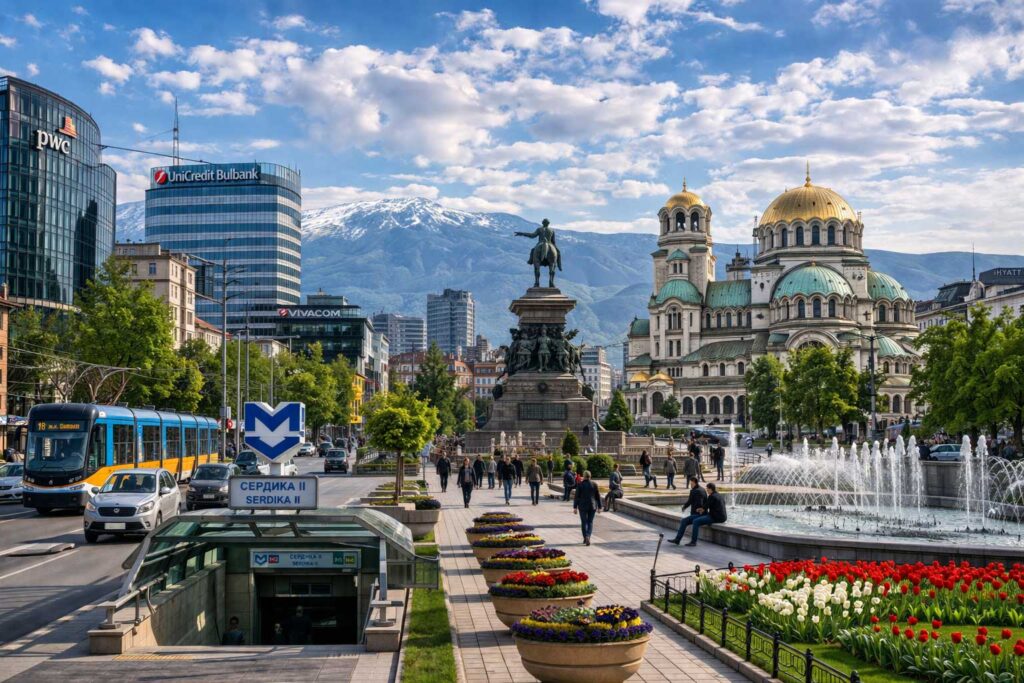
Safety Rating: ⭐⭐⭐⭐☆ (4.5/5)
Sofia is a modern European capital that is generally safe for tourists both during the day and at night, especially in central and well-populated areas.
What to expect:
- Very safe during the day and night in central districts
- Normal big-city awareness is recommended
- Safe and affordable public transport (metro, buses, trams)
👉 The most common issue is minor pickpocketing in crowded areas like public transport or busy streets, but serious crime is rare.
👉 Sofia is often compared to smaller Western European capitals in terms of safety — and many travelers find it less stressful and less crowded, which adds to the overall feeling of security.
Overall, safety in Sofia Bulgaria is high, especially in central and tourist-friendly areas.
Best Areas to Stay (Safe Zones)
- City Center
- Vitosha Boulevard
- Lozenets District
👉 Staying in central Sofia ensures easy access to attractions, better lighting, and a safer overall experience — ideal for first-time visitors.
👉 Book your stay in central areas for the safest experience.
👉 Sofia is safe to visit for most travelers, and it remains one of the safest capital cities in Eastern Europe.
Safety in Plovdiv
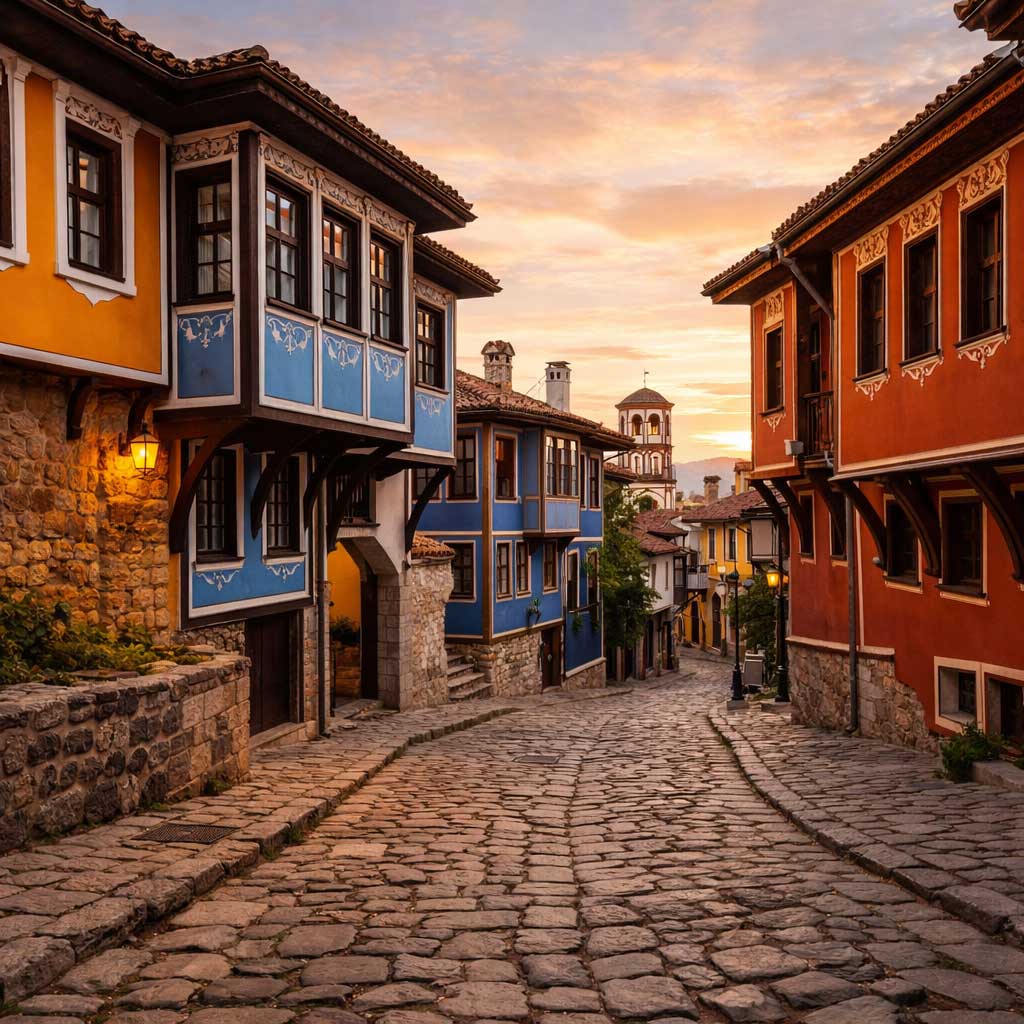
Safety Rating: ⭐⭐⭐⭐⭐ (5/5)
Plovdiv is widely considered one of the safest cities in Bulgaria, offering a relaxed atmosphere, low crime rates, and a welcoming environment for travelers.
What to expect:
- Extremely safe and peaceful day and night
- Very low levels of crime
- Popular with tourists and digital nomads
- Walkable city with a calm, laid-back atmosphere
👉 The historic Old Town and central districts are especially safe, making Plovdiv an ideal destination for first-time visitors and solo travelers.
👉 Compared to larger European cities, Plovdiv feels less crowded and more relaxed, which naturally reduces common travel risks.
Best Areas to Stay (Safe Zones)
- Old Town
- Kapana District
- City Center
👉 Plovdiv is perfect for travelers looking for a safe, walkable, and stress-free city experience — especially ideal for longer stays.
👉 Book your stay in central areas for the safest experience.
Safety in Varna
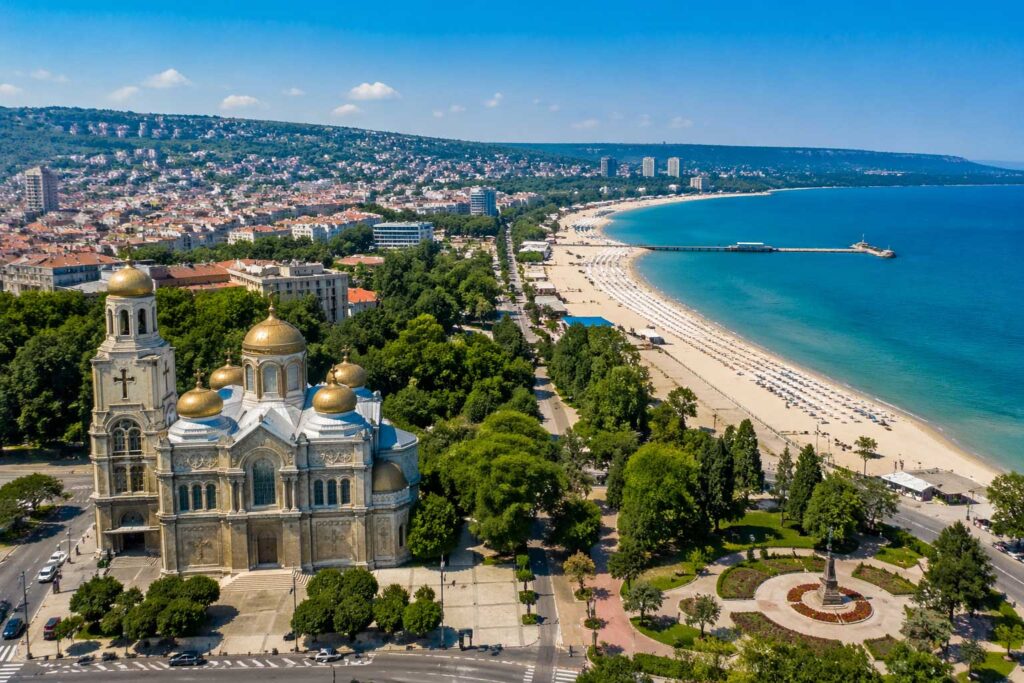
Safety Rating: ⭐⭐⭐⭐☆ (4/5)
Varna is a popular Black Sea destination known for its beaches, nightlife, and vibrant summer atmosphere. It is generally safe for tourists, especially in central and coastal areas.
What to expect:
- Safe during the day and in busy evening areas
- Tourist-friendly environment
- Active nightlife with good security presence
- Slight increase in petty theft during peak summer
👉 The main risk is minor pickpocketing in crowded beach areas and nightlife zones, especially during the high tourist season.
👉 Overall, Varna remains a safe and enjoyable coastal destination, especially when basic precautions are followed.
Best Areas to Stay (Safe Zones)
- Sea Garden
- Central Varna
- Beachfront areas
👉 Staying near the Sea Garden or central areas ensures a safe, lively, and convenient beach experience.
👉 Varna is safe to visit for tourists, particularly in well-populated coastal and central areas.
👉 Book your stay in central areas for the safest experience.
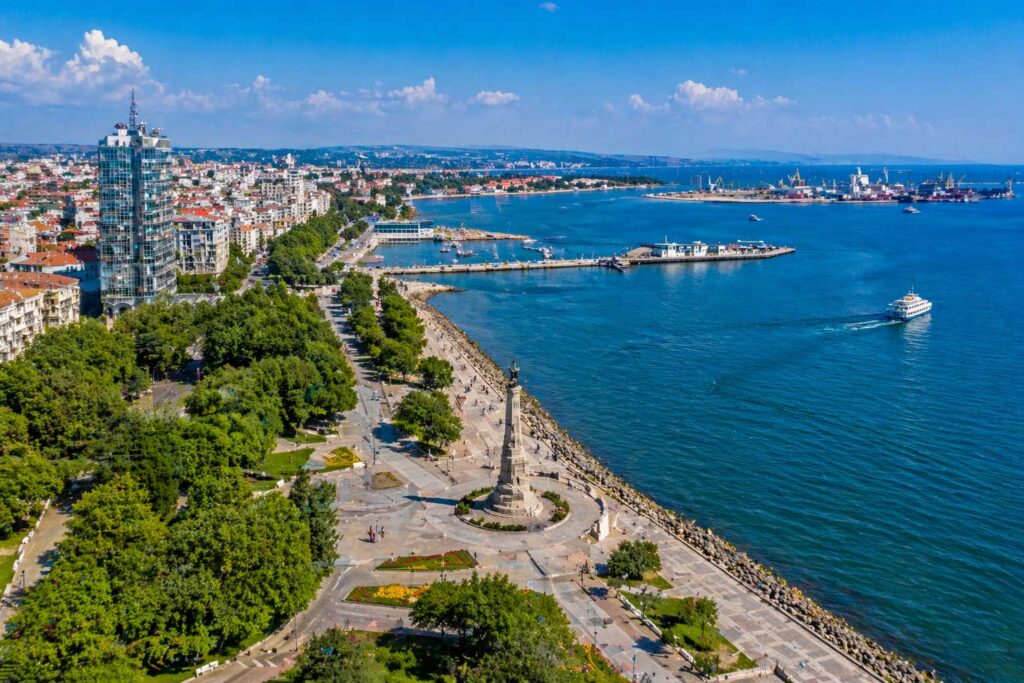
Safety in Burgas
Safety Rating: ⭐⭐⭐⭐⭐ (5/5)
Burgas is known for its calm atmosphere, clean environment, and low crime rates, making it one of the safest coastal cities in Bulgaria.
What to expect:
- Very low crime levels
- Quiet and relaxed environment
- Family-friendly and safe for all ages
- Less crowded than other seaside destinations
Planning a coastal trip? Explore the best locations in Black Sea Resorts in Bulgaria.
👉 Burgas offers a more peaceful alternative to busier resorts, with fewer crowds and minimal tourist-related risks.
👉 Travelers often describe Burgas as one of the most comfortable and stress-free places to visit in Bulgaria.
Best Areas to Stay (Safe Zones)
- City Center
- Sea Garden
- Central beachfront
👉 Burgas is ideal for travelers looking for a safe, quiet, and relaxing coastal stay, especially for families.
👉 Burgas is safe to visit and ranks among the safest cities in Bulgaria for tourists and families.
👉 Book your stay in central areas for the safest experience.
👉 For more hidden gems, check out Bulgarian Villages You Must Visit.
What makes Bulgaria safe for tourists:
- Low violent crime rates
- Friendly and helpful locals
- Safe public areas and attractions
- Less overcrowding than Western Europe
👉 Whether you’re exploring Sofia, visiting historic sites in Plovdiv, or relaxing on the coast in Varna, most travelers feel safe and comfortable.
Minor risks to be aware of:
- Pickpocketing in crowded areas
- Occasional taxi overcharging (use apps)
- Tourist scams (rare but possible)
👉 These risks are common across Europe and can be easily avoided with basic awareness.
👉 Bulgaria is safe to visit for tourists, making it one of the easiest and most stress-free destinations in Europe.
Is Bulgaria Safe for Solo Female Travelers?
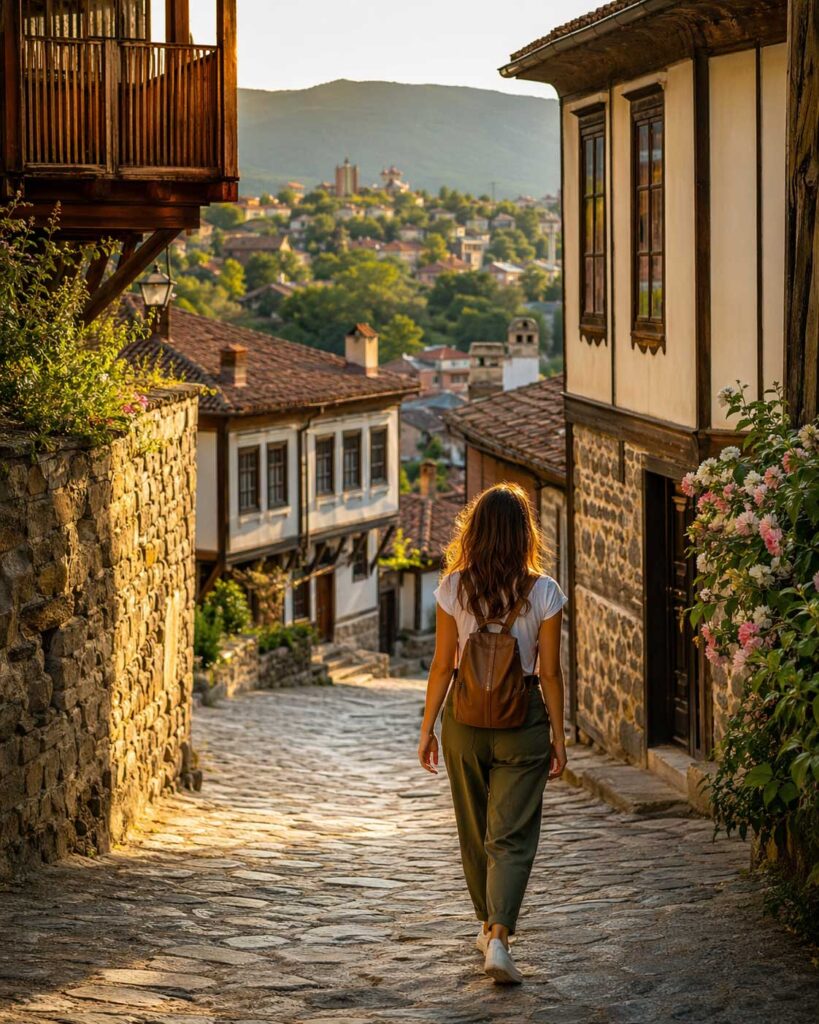
Many people ask, is Bulgaria safe for solo travelers? The answer is yes, especially in major cities and tourist areas.
Yes — Bulgaria is safe for solo female travelers, and it is becoming increasingly popular among women traveling alone.
Why it’s considered safe:
- Respectful local culture
- Low levels of harassment
- Safe public spaces and transport
- Walkable cities with good visibility
👉 Many solo travelers report feeling more relaxed and less pressured compared to busier Western European cities.
Smart safety tips:
- Stay in central, well-reviewed accommodations
- Avoid isolated areas late at night
- Use trusted transport options
- Keep your phone charged and accessible
👉 Cities like Plovdiv and Sofia are especially safe and easy to navigate.
👉 Bulgaria is safe for solo female travelers, offering a secure and comfortable environment for independent travel.
Transportation Safety in Bulgaria
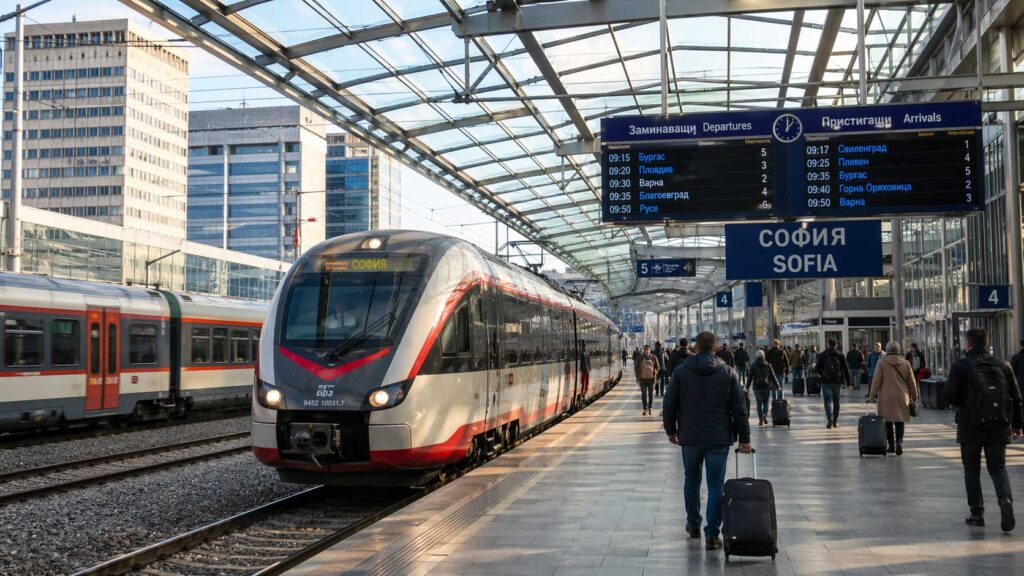
Transportation in Bulgaria is generally safe, reliable, and affordable, making it easy for travelers to move around the country.
Public Transport
- Safe and widely used by locals
- Affordable and accessible
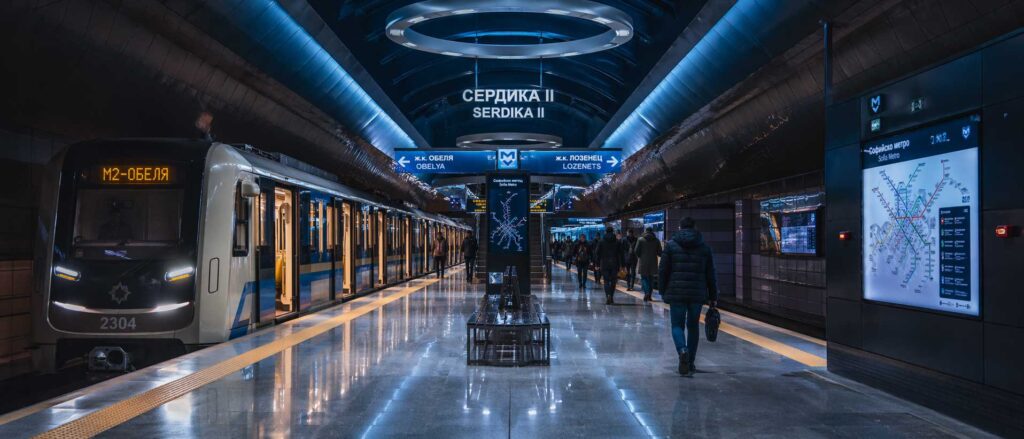
- Metro, buses, and trams available in cities
👉 Pickpocketing can occur in crowded vehicles, but it is relatively uncommon.
Taxis & Ride Services
- Safe when using licensed taxis or apps
- Widely available in cities
⚠️ Avoid:
- Unofficial taxis
- Drivers who refuse to use meters
👉 Use trusted services, especially in Sofia.
Driving in Bulgaria
- Good road infrastructure in major areas
- Ideal for exploring rural regions
⚠️ Be aware:
- Some drivers may be aggressive
- Road conditions vary in rural areas
👉 Drive cautiously and follow local traffic rules.
👉 Transportation in Bulgaria is safe for tourists, especially when using public transport, licensed taxis, and common-sense precautions.
Natural Safety: Mountains, Sea & Weather in Bulgaria
Bulgaria is safe to visit not only in cities but also in its natural environments. From mountains to beaches, the country offers stunning landscapes with generally low natural risk, as long as travelers follow basic safety guidelines.
Mountain Safety (Rila, Pirin & Rhodope)
Bulgaria’s mountains — including the Rila Mountains and Pirin Mountains — are popular for hiking, skiing, and nature tourism.
What to expect:
- Well-marked hiking trails
- Mountain huts and shelters available
- Low risk when staying on official routes
⚠️ Potential risks:
- Sudden weather changes
- Slippery terrain or steep paths
- Getting lost in remote areas
👉 Weather in the mountains can change quickly, even in summer.
Safety tips:
- Check weather forecasts before hiking
- Wear proper footwear and clothing
- Carry water, snacks, and a phone
- Stick to marked trails
Black Sea Coast Safety
The Bulgarian Black Sea coast is generally safe for swimming and beach activities, especially in popular destinations like Varna and Burgas.
What to expect:
- Lifeguards present on most beaches
- Clear safety flag system
- Family-friendly environments
⚠️ Potential risks:
- Strong currents (especially on windy days)
- Ignoring beach warning flags
- Crowded beaches during peak season
👉 Always pay attention to beach flags:
- 🟢 Green = Safe
- 🟡 Yellow = Caution
- 🔴 Red = Dangerous (no swimming)
Safety tips:
- Swim only in designated areas
- Follow lifeguard instructions
- Avoid swimming alone
Weather & Seasonal Safety
Bulgaria has a temperate climate, but conditions vary by season and region.
Summer (June–August)
- Warm and sunny
- Occasional heatwaves
👉 Stay hydrated and avoid midday sun exposure.
Winter (December–March)
- Snow in mountain regions
- Popular ski resorts like Bansko
⚠️ Watch for icy roads and cold temperatures.
Spring & Autumn
- Mild and pleasant
- Best time for travel
👉 Occasional rain — bring appropriate clothing.
👉 Bulgaria is safe to visit in terms of natural conditions, as long as travelers follow local guidelines and stay prepared for weather changes.
Bulgaria’s mountains, beaches, and weather are generally safe for travelers. The main risks include sudden weather changes in the mountains and strong currents on the Black Sea coast. By following local advice and basic precautions, visitors can safely enjoy Bulgaria’s natural landscapes.
👉Learn more about Bulgaria’s landscapes in Geography of Bulgaria.
Health & Medical Safety in Bulgaria
Bulgaria is safe to visit not only in terms of crime, but also when it comes to health and medical care. Travelers can expect reliable services in major cities and access to essential healthcare throughout the country.
Quality of Healthcare
- Public healthcare is available across the country
- Private clinics in cities like Sofia and Plovdiv offer high-quality services
- Many doctors speak English, especially in urban areas
👉 Private healthcare is often preferred by travelers due to shorter wait times and modern facilities.
Pharmacies & Medications
- Pharmacies are easy to find, even in smaller towns
- Many medications are available over the counter
- Pharmacists are knowledgeable and can assist with minor health issues
👉 Look for the green cross sign, which indicates a pharmacy.
Emergency Services
- Emergency number: 112 (works across the EU)
- Ambulance services are available nationwide
- Response times are faster in cities than in rural areas
👉 In case of serious emergencies, private hospitals may provide faster care.
Travel Health Considerations
- No major vaccination requirements for most travelers
- Tap water is generally safe in cities, but bottled water is recommended for sensitive travelers
- Food safety standards are good, especially in restaurants
Travel Insurance (Highly Recommended)
Even though Bulgaria is safe, having travel insurance is strongly advised.
- Covers medical emergencies
- Helps with hospital costs and treatment
- Provides peace of mind during your trip
Pro tip: Travel insurance is affordable and can save you significant costs in unexpected situations.
👉 Bulgaria is safe to visit from a health perspective, with accessible medical care and reliable emergency services for travelers.
Bulgaria offers safe and reliable healthcare for travelers, especially in major cities. Pharmacies are widely available, emergency services can be reached via 112, and private clinics provide high-quality care. Travel insurance is recommended for added protection.
Areas to Be More Careful in Bulgaria
Bulgaria is safe to visit overall, and there are no truly dangerous areas for tourists. However, like any destination, there are places where you should be more cautious, especially at certain times of day.
Transport Hubs (Late at Night)
- Train and bus stations can feel less secure late at night
- Fewer people around = higher chance of petty crime
- Occasional presence of loitering individuals
👉 This applies mainly in larger cities like Sofia.
Tip:
- Use official taxis or ride apps when arriving late
- Avoid lingering in empty stations
Outer Neighborhoods
- Some residential outskirts may feel less safe after dark
- Poor lighting and fewer people around
- Not typically visited by tourists
👉 These areas are not dangerous, just less ideal for visitors unfamiliar with the city.
Tip:
- Stay in central districts
- Use transport instead of walking long distances at night
Crowded Tourist Areas
- Popular attractions, markets, and public transport
- Increased risk of pickpocketing
- Especially during summer season
👉 This is the most common issue in Bulgaria, though still relatively low risk.
Tip:
- Keep bags zipped and close
- Avoid distractions from strangers
Isolated Streets at Night
- Quiet streets with little foot traffic
- Poor lighting in some areas
- Less visibility and security presence
👉 Even in safe cities like Plovdiv, it’s better to stay in well-lit areas at night.
Tip:
- Stick to main streets
- Walk in populated areas
Nightlife Areas (Late Hours)
- Bars and clubs can get crowded
- Alcohol-related incidents are possible
- Rare cases of overcharging or scams
👉 Cities like Varna may be busier in summer.
Tip:
- Watch your drinks
- Use trusted transport after going out
👉 Bulgaria is safe to visit, and these areas are not dangerous — they simply require basic awareness, just like in any other European country.
Travel Safety Tips for Bulgaria
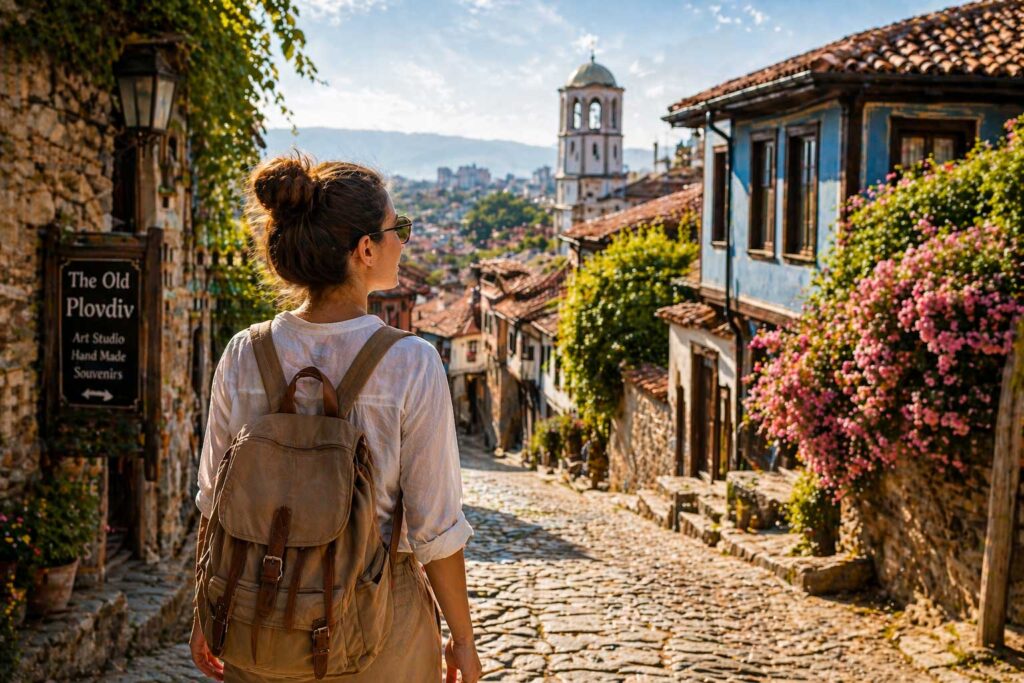
Staying safe in Bulgaria is straightforward, especially if you follow a few simple, common-sense travel tips. While Bulgaria is safe to visit, these precautions will help you avoid minor issues and enjoy a smooth trip.
Protect Your Belongings
- Keep valuables in a secure bag or anti-theft backpack
- Avoid carrying large amounts of cash
- Use hotel safes when available
👉 Pickpocketing is rare but can happen in crowded areas.
Use Trusted Transportation
- Use licensed taxis or ride apps (like Yellow Taxi in Sofia)
- Avoid unofficial drivers at airports or stations
- Confirm taxi meters are running
👉 This helps avoid overcharging or scams.
Stay Aware at Night
- Stick to well-lit and populated areas
- Avoid isolated streets late at night
- Travel with others when possible
👉 Central areas in cities like Plovdiv are generally very safe.
Be Smart With Money
- Use ATMs inside banks or malls
- Be cautious with card payments in unfamiliar places
- Carry small denominations of cash
Choose Safe Accommodation
- Stay in central, well-reviewed areas
- Check recent guest reviews before booking
- Avoid very cheap or poorly rated places
💰 Pro tip: Central locations = safer, more convenient, and easier transportation.
Follow Local Safety Rules
- Pay attention to beach flags on the Black Sea
- Follow lifeguard instructions
- Check weather conditions in mountain areas
Stay Connected
- Keep your phone charged
- Use offline maps or local SIM cards
- Share your location with someone if traveling alone
Trust Your Instincts
- If something feels off, leave the situation
- Avoid overly aggressive street offers
- Be cautious with strangers offering “too good to be true” deals
Have Travel Insurance
- Covers medical emergencies and unexpected issues
- Provides peace of mind while traveling
👉 Especially useful for outdoor activities and longer trips.
Bulgaria is safe to visit, and most travelers have no issues. The main tips are to protect your belongings, use trusted transportation, stay in central areas, and follow local safety advice. With basic precautions, you can enjoy a safe and stress-free trip.
👉 To experience local culture safely, explore Bulgarian Cuisine: Complete Guide.
Bulgaria vs Other Countries (Safety Comparison + Stats)
Safety Comparison Table
| Country | Crime Level | Violent Crime | Tourist Risk | Overall Safety |
|---|---|---|---|---|
| Bulgaria | Low | Very Low | Low | ⭐⭐⭐⭐☆ |
| France | Medium | Medium | Moderate | ⭐⭐⭐☆☆ |
| Italy | Medium | Low–Medium | Moderate | ⭐⭐⭐☆☆ |
| Spain | Medium | Low | Moderate–High (pickpockets) | ⭐⭐⭐☆☆ |
| USA (cities) | Varies | Medium–High | Moderate | ⭐⭐⭐☆☆ |
👉 See why more travelers are choosing Bulgaria in Why Bulgaria Should Be on Your List.
Key Safety Insights
- Bulgaria has lower violent crime rates than many Western countries
- Petty theft exists but is less frequent than in major tourist hotspots
- Fewer crowds = fewer scams and incidents
👉 This makes Bulgaria a safe and stress-free alternative to overcrowded European destinations.
👉 To experience local culture, explore Bulgarian Cuisine: Complete Guide.
Frequently Asked Questions About Safety in Bulgaria
Is Bulgaria safe at night?
Yes — Bulgaria is generally safe at night, especially in central and well-populated areas of cities like Sofia and Plovdiv. Violent crime is rare, and most people feel comfortable walking in busy areas after dark. However, like anywhere, it’s best to avoid poorly lit or isolated places and stay aware of your surroundings.
Is Sofia safe for tourists?
Yes — Sofia is considered very safe for tourists. The city center, main attractions, and public transport are generally secure. The most common issue is minor pickpocketing in crowded areas, but serious crime is uncommon.
Is Bulgaria safe for Americans?
Is Bulgaria safe for Americans? Yes, American travelers are welcomed and face no specific risks.
Is Bulgaria safe compared to Western Europe?
👉 In many cases, yes — Bulgaria is considered safer than some Western European countries, especially when it comes to violent crime. While petty theft exists, it is often less frequent than in major tourist hotspots like Paris or Barcelona.
Is Bulgaria safe for solo female travelers?
Yes — Bulgaria is safe for solo female travelers. Many women travel alone without issues, especially in cities and tourist areas. The culture is generally respectful, and harassment levels are low compared to many other destinations. Basic precautions, such as avoiding isolated areas at night, are recommended.
Is Bulgaria safe for families with children?
Yes — Bulgaria is a family-friendly and safe destination. Cities, resorts, and villages are generally calm and welcoming, with plenty of safe accommodations, parks, and attractions suitable for children.
What are the safest cities in Bulgaria?
Some of the safest cities in Bulgaria include Plovdiv, Burgas, and Varna. These destinations are known for their relaxed atmosphere, low crime rates, and tourist-friendly environments.
👉 Explore detailed breakdowns in Top Cities in Bulgaria.
Are taxis safe in Bulgaria?
Yes, taxis are generally safe in Bulgaria, but it’s best to use licensed taxis or apps to avoid overcharging. Avoid accepting rides from unofficial drivers, especially near airports or train stations.
Is public transportation safe in Bulgaria?
Yes — public transportation in Bulgaria is safe, reliable, and widely used by locals. Buses, trams, and metros are generally secure, though travelers should watch for pickpockets in crowded areas.
Is Bulgaria safe for driving?
Driving in Bulgaria is generally safe, but road conditions can vary, especially in rural areas. Some drivers may be aggressive, so it’s important to stay cautious and follow local traffic rules.
Is Bulgaria safe from natural disasters?
Bulgaria is relatively safe from major natural disasters. Occasional earthquakes can occur, but they are usually minor. Weather conditions in mountains and coastal areas can change quickly, so travelers should stay informed.
Do I need travel insurance for Bulgaria?
Travel insurance is not mandatory, but it is highly recommended. It can cover medical emergencies, trip cancellations, and unexpected situations, giving you extra peace of mind while traveling.
Is Bulgaria safe for nightlife?
Yes — nightlife in cities like Sofia and Varna is generally safe. Stick to popular venues, avoid excessive drinking, and use safe transportation when returning to your accommodation.
Final Verdict: Is Bulgaria Safe to Visit?
👉 Yes — Bulgaria is safe to visit and remains one of Europe’s most underrated travel destinations.
From historic cities like Sofia to the scenic Black Sea coast and peaceful mountain regions, Bulgaria offers a rare combination of safety, affordability, and authentic experiences.
Why travelers choose Bulgaria:
- ✔ High safety levels with low violent crime
- ✔ Affordable travel compared to Western Europe
- ✔ Authentic culture without mass tourism
- ✔ Less crowded destinations and relaxed atmosphere
👉 Many travelers who ask “Is Bulgaria safe to visit?” are surprised to discover that it often feels safer and more comfortable than many popular European destinations.
👉 If you’re looking for a place that is safe, affordable, and still undiscovered — Bulgaria is one of the best choices in Europe.
Plan Your Safe Trip to Bulgaria
Ready to explore Bulgaria with confidence?
- Stay in top-rated, safe central areas
- Protect your trip with reliable travel insurance
- Discover guided tours and local experiences safely
👉 Whether you’re visiting vibrant cities like Plovdiv or relaxing along the coast in Varna, planning ahead ensures a smooth and stress-free journey.
👉 Start planning your Bulgaria trip today — and experience one of Europe’s safest and most rewarding destinations.
References
This guide is based on official travel advisories, global safety data, and verified tourism statistics.
- Global Peace Index – Safety and Peace Rankings by Country https://www.visionofhumanity.org/maps/#/
- European Union – Living, Working and Travelling in Bulgaria https://europa.eu/youreurope/citizens/travel/index_en.htm
- Centers for Disease Control and Prevention (CDC) – Traveler Health Bulgaria https://wwwnc.cdc.gov/travel/destinations/traveler/none/bulgaria
- International SOS – Travel Risk Map and Safety Overview https://www.internationalsos.com/risk-outlook
- OSAC (Overseas Security Advisory Council) – Bulgaria Safety Report https://www.osac.gov/Country/Bulgaria/Content/Detail/Report
- European Centre for Disease Prevention and Control – Travel Health Information https://www.ecdc.europa.eu/en
- World Health Organization (WHO) – International Travel and Health https://www.who.int/health-topics/travel-and-health
- OECD – Tourism Trends and Policies Reports https://www.oecd.org/cfe/tourism/