


Bulgarian herbs and natural remedies are traditional plant-based treatments used in Bulgaria for digestion, colds, skin care, and overall wellness, based on centuries of folk knowledge and the country’s rich biodiversity. These remedies include herbal teas, infusions, oils, and natural preparations made from plants like chamomile, mint, thyme, nettle, elder, and St. John’s wort.
In Bulgaria, herbal medicine is deeply connected to daily life. For generations, people have gathered wild medicinal plants from mountains and rural regions, dried them, and used them as part of home-based wellness practices. This long phytotherapy tradition is supported by ethnobotanical research documenting dozens of herbs used in Bulgarian folk medicine.
Common Bulgarian herbs and natural remedies include chamomile for relaxation, mint for digestion, thyme for coughs, nettle for nutritional support, elder for seasonal wellness, and rose-based remedies for skin and calming effects. Many of these herbs are also recognized in modern herbal monographs and natural health research.
At the same time, not all natural remedies are risk-free. Some Bulgarian medicinal herbs can interact with medications or require careful use, which is why understanding both traditional knowledge and modern science is essential.
👉 To understand why Bulgarian herbs and natural remedies are so diverse, it starts with the land itself: Geography of Bulgaria.
Bulgaria’s unique combination of mountains, valleys, forests, and clean environments creates ideal conditions for medicinal plants, making herbal traditions not just part of history—but part of everyday life.
What are Bulgarian herbs and natural remedies?
Bulgarian herbs and natural remedies are plant-based treatments used for digestion, colds, skin care, and overall wellness, based on traditional knowledge and natural medicinal plants found in Bulgaria.
Why Bulgarian Herbs and Natural Remedies Are So Powerful
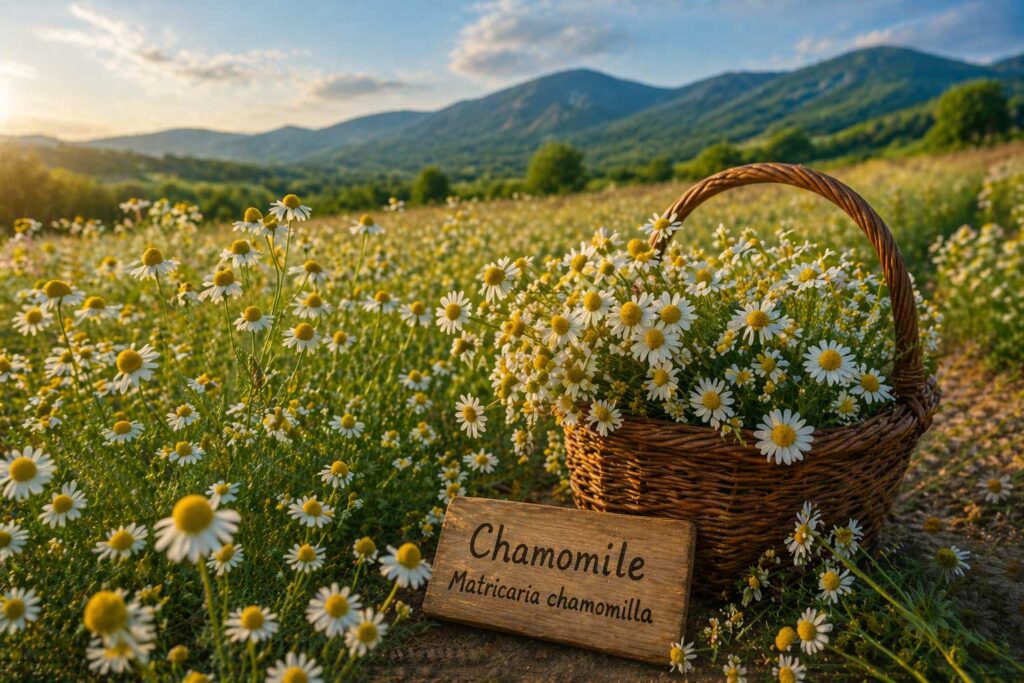
In Bulgaria, herbs are not just ingredients or teas—they are part of daily life, family traditions, and seasonal routines. For generations, people have gathered medicinal plants from meadows, mountains, and forest edges, then dried and stored them for year-round use.
Bulgarian herbs and natural remedies are powerful because of the country’s rich biodiversity, clean environment, and centuries-old traditions of herbal knowledge passed down through generations.
This deep connection between nature and healing is what makes Bulgarian herbs and natural remedies unique. Ethnobotanical research confirms that dozens of medicinal plants have been traditionally used across different regions of Bulgaria for digestion, colds, skin care, and overall wellness.
1. Exceptional Biodiversity
Bulgaria is home to over 3,500 plant species, many with medicinal properties. The country is one of the most biodiverse in Europe, especially in regions like the Rhodope, Rila, and Pirin mountains.
This diversity allows for a wide range of Bulgarian medicinal herbs used in traditional remedies.
2. Clean Growing Conditions
Many Bulgarian herbs grow wild in relatively unpolluted environments.
Large parts of Bulgaria still offer:
- Clean air
- Mineral-rich soil
- Minimal chemical exposure
These natural conditions help plants retain strong beneficial compounds, making natural remedies in Bulgaria especially valued.
3. Traditional Knowledge Passed Through Generations
Herbal knowledge in Bulgaria is preserved through families and rural communities.
Traditionally, people learn:
- Which herbs to pick
- When to harvest them
- How to dry and store them
- How to prepare teas and remedies
👉 This deep-rooted knowledge is part of Bulgaria’s living heritage, explored in Forgotten Bulgarian Traditions That Still Exist.
4. Seasonal Living and Herbal Use
Bulgarian herbal culture follows the rhythm of the seasons:
- Spring → cleansing herbs (nettle, dandelion)
- Summer → aromatic flowers (chamomile, thyme)
- Autumn → berries and roots
- Winter → dried herbs and stored remedies
This seasonal approach supports natural balance and long-term wellness.
👉 This seasonal approach to health is also reflected in Bulgarian Superfoods and Their Health Benefits.
Why Herbs Matter in Bulgarian Tradition
Because of these factors, Bulgarian herbs and natural remedies are not just traditional—they are part of a broader lifestyle that connects:
- Nature
- Culture
- Food
- Wellness
This is why herbal traditions remain strong in Bulgaria even today.
Beyond their practical use, herbs in Bulgaria also carry symbolic and cultural meaning. Many plants are associated with health, protection, and good fortune, and they often appear in traditional rituals, seasonal celebrations, and folk customs. In rural areas, it is still common to see herbs used not only for healing but also as part of daily life—hung in homes, added to foods, or prepared during specific times of the year believed to enhance their natural properties.
Herbal knowledge is also closely tied to Bulgaria’s food culture, where the line between nutrition and medicine is often blurred. Many traditional dishes include herbs not just for flavor, but for their perceived health benefits, reinforcing the idea that food itself can support well-being. This connection between diet and herbal remedies reflects a holistic approach to health that has remained consistent across generations.
Most Popular Bulgarian Herbs and Their Uses
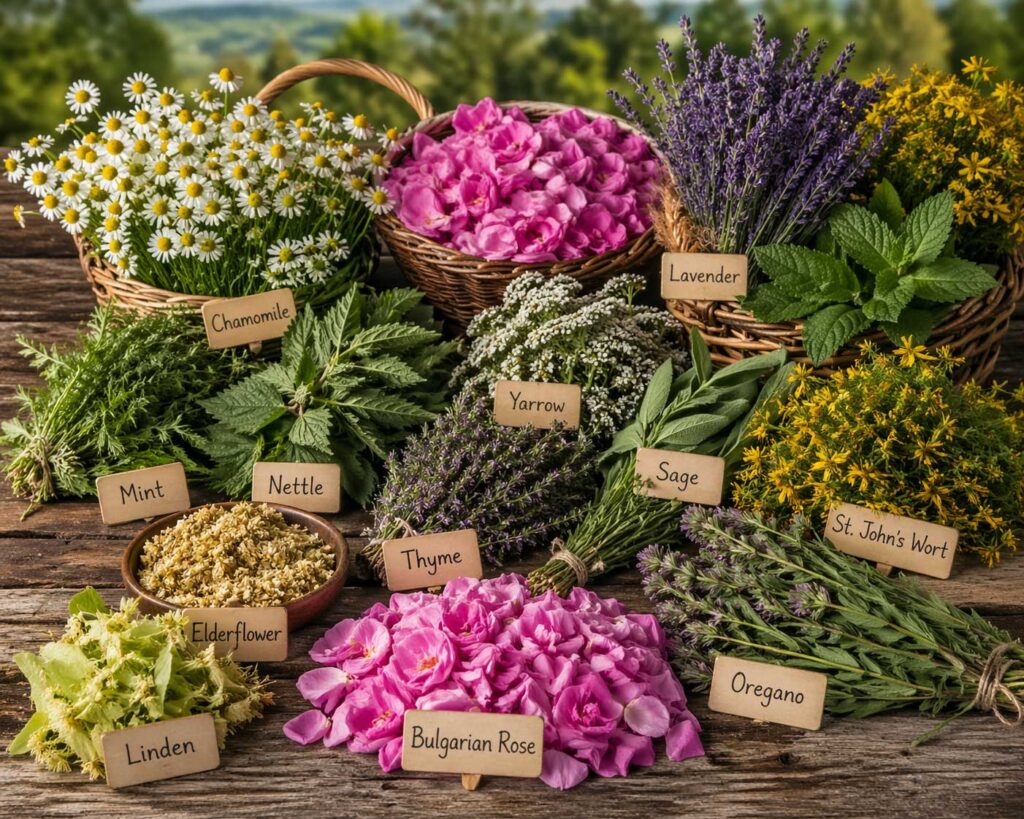
The most famous Bulgarian herbs and their uses reflect centuries of traditional knowledge, where medicinal plants are carefully selected for their specific benefits. In Bulgaria, herbs are not only used for flavor but also as natural remedies for digestion, relaxation, immune support, and overall wellness. These Bulgarian medicinal herbs are commonly prepared as teas, infusions, and extracts, making them an essential part of everyday life. Today, many of these herbs are gaining global recognition as interest in natural remedies and plant-based wellness continues to grow.
The most popular Bulgarian herbs include chamomile, mint, thyme, nettle, elder, and rose, each traditionally used for specific health benefits.
Chamomile (Matricaria chamomilla)
Chamomile is one of the most widely used herbs in Bulgaria and one of the most familiar household remedies across Europe. Traditionally, it is prepared as a tea for mild digestive discomfort and as a gentle calming drink, making it a staple in Bulgarian homes.
Chamomile is one of the most widely used medicinal plants in the world, with millions of cups of chamomile tea consumed daily across Europe and beyond.
In everyday use, chamomile is valued for:
- Relaxation and sleep support
- Digestive comfort
- Skin soothing (compresses and rinses)
Chamomile tea is often one of the first natural remedies given in Bulgarian households—especially to children—because of its mild and generally well-tolerated nature.
Modern herbal research supports its long-standing traditional use. The European Medicines Agency recognizes chamomile for minor gastrointestinal complaints and certain mild inflammatory conditions in topical applications, while the National Center for Complementary and Integrative Health notes that chamomile is commonly used and appears safe in typical tea amounts, although evidence for sleep benefits remains limited.
👉 Learn more about traditional nutrition in Bulgarian Superfoods and Their Health Benefits.
Mint (Mentha)
Mint is a staple in Bulgarian herbal culture and cuisine, widely used in teas and natural remedies—especially for digestive support. It is one of the most common Bulgarian herbs and natural remedies, often consumed after meals to promote comfort and overall well-being.
Peppermint is one of the most researched herbal plants globally, particularly for its role in digestive health and gastrointestinal comfort.
In traditional use, mint is valued for:
- Digestive support
- Freshening effect
- Mild calming properties
Mint tea is frequently prepared in Bulgarian households as a simple and effective way to ease digestion, particularly after heavier meals.
Modern herbal sources support its long-standing use. The European Medicines Agency recognizes peppermint leaf for traditional use in relieving indigestion and flatulence, while the National Center for Complementary and Integrative Health notes that peppermint oil is generally safe in typical doses but may cause side effects such as heartburn or abdominal discomfort in some individuals.
Thyme (Thymus)
Thyme is one of the most valued Bulgarian herbs and natural remedies for respiratory support, traditionally used in herbal teas for coughs and seasonal illnesses. It is especially popular during the colder months, when thyme tea is commonly prepared to support breathing comfort and overall wellness.
Thyme contains natural compounds like thymol, which has been widely studied for its antimicrobial and respiratory-support properties.
In traditional use, thyme is known for:
- Cough relief
- Cold and flu support
- Antimicrobial herbal teas
Thyme tea is a staple in Bulgarian households during winter, often consumed at the first signs of a cold.
Modern herbal research supports its traditional role. The European Medicines Agency recognizes thyme preparations as expectorants for productive coughs associated with colds, helping explain why thyme remains a key ingredient in traditional Bulgarian winter remedies.
Elderberry & Elderflower (Sambucus)
Elderberry and elderflower are among the most traditional Bulgarian herbs and natural remedies, commonly used in seasonal preparations for immune support and cold relief. Both the flowers and berries are used in teas, syrups, and homemade remedies.
Elderberry has gained global popularity, especially during cold and flu seasons, becoming one of the most widely used herbal supplements for immune support.
In traditional use, elder is valued for:
- Cold and flu support
- Immune system support
- Herbal teas and syrups
Elderflower tea is often consumed during seasonal illness, while elderberry syrups are a popular homemade remedy in Bulgarian households.
Modern sources note that elderberry is widely used for immune-related support, although scientific evidence remains limited. It is important to note that raw or unripe elderberries—and other parts of the plant—can be toxic if not properly prepared.
⚠️ Important: Elderberry should always be properly cooked or processed before consumption.
Because of its seasonal use, elder remains one of the most recognizable Bulgarian healing herbs during cold and flu periods.
Nettle (Urtica dioica)
Nettle is one of the most versatile Bulgarian herbs and natural remedies, valued both as a medicinal plant and as a traditional food. Widely used in Bulgarian cuisine and herbal practices, nettle is especially popular in spring when it is associated with seasonal renewal and cleansing.
Nettle is rich in vitamins A, C, and K, as well as iron and calcium, making it one of the most nutrient-dense wild herbs used in traditional diets.
In traditional use, nettle is known for:
- Nutritional support (rich in vitamins and minerals)
- Seasonal cleansing
- General wellness and vitality
Nettle is commonly consumed as tea or in traditional dishes such as soups and stews, making it a unique example of how food and herbal medicine overlap in Bulgarian culture.
Modern herbal sources recognize nettle leaf for its traditional use in supporting urinary tract function and general well-being. Its nutritional profile also contributes to its long-standing role in both diet and natural remedies.
Because of its nutritional value and versatility, nettle remains one of the most widely used Bulgarian medicinal herbs for both food and wellness.
St. John’s Wort (Hypericum perforatum)
Known in Bulgaria as “жълт кантарион,” St. John’s wort is one of the most well-known Bulgarian herbs and natural remedies, with a long history of traditional use for mood, nerves, and skin care. It has been widely used in teas and oil infusions, particularly in rural communities.
St. John’s wort is one of the most studied herbal remedies for mood support, with numerous clinical trials examining its effects on mild to moderate depression.
In traditional practice, it is valued for:
- Mood support
- Nervous system balance
- Skin applications (especially oil infusions)
St. John’s wort oil is commonly prepared and applied externally for minor skin concerns, while teas have been used for general emotional well-being.
Modern sources, however, approach this herb with caution. The National Center for Complementary and Integrative Health notes that St. John’s wort may help some cases of mild to moderate depression, but the evidence is not definitive. More importantly, it can interact with many medications—including antidepressants, birth control, and other prescriptions—sometimes in serious or dangerous ways.
⚠️ Important: Because of these interactions, St. John’s wort should only be used with proper guidance, especially when taking other medications.
Because of its strong effects and interactions, St. John’s wort is one of the most powerful—but also most carefully used—Bulgarian medicinal herbs.
Bulgarian Rose (Rosa damascena)
The Bulgarian rose (Rosa damascena) is one of the country’s most iconic natural resources and a key part of its herbal and cultural identity. Grown primarily in the Rose Valley, it is widely used in both natural remedies and beauty applications.
It takes around 3,000–4,000 kilograms of rose petals to produce just 1 kilogram of Bulgarian rose oil, making it one of the most valuable essential oils in the world.
In traditional use, rose-based remedies are valued for:
- Skin care and hydration
- Calming and relaxation
- Mild digestive support
Rose water and rose oil are commonly used in skincare routines, while rose-infused teas are consumed for their gentle soothing properties.
👉 Learn more about this tradition in Bulgarian Roses – The Beauty of the Rose Valley
Modern herbal references recognize certain rose preparations for mild soothing effects, particularly for skin and oral use. Today, Bulgarian rose oil is also one of the country’s most valuable natural exports.
Because of its global reputation, the Bulgarian rose remains one of the most famous natural remedies and botanical products in the world.
Affiliate Disclosure: Some links may be affiliate links, which means we may earn a small commission at no extra cost to you.
Best Herbal Teas Inspired by Bulgarian Traditions
These herbal teas reflect the most popular Bulgarian herbs and natural remedies, making it easy to bring traditional plant-based wellness into your daily routine.
| Product | Key Benefit | Best For | Check Price |
|---|---|---|---|
| Organic Chamomile Tea | Relaxation & sleep | Beginners | Check on Amazon |
| Peppermint Tea | Digestion support | Daily use | Check on Amazon |
| Thyme Herbal Tea | Cold & respiratory support | Winter | Check on Amazon |
| Nettle Leaf Tea | Nutritional boost | Detox | Check on Amazon |
| Elderberry Tea | Immune support | Seasonal wellness | Check on Amazon |
Traditional Bulgarian Home Remedies
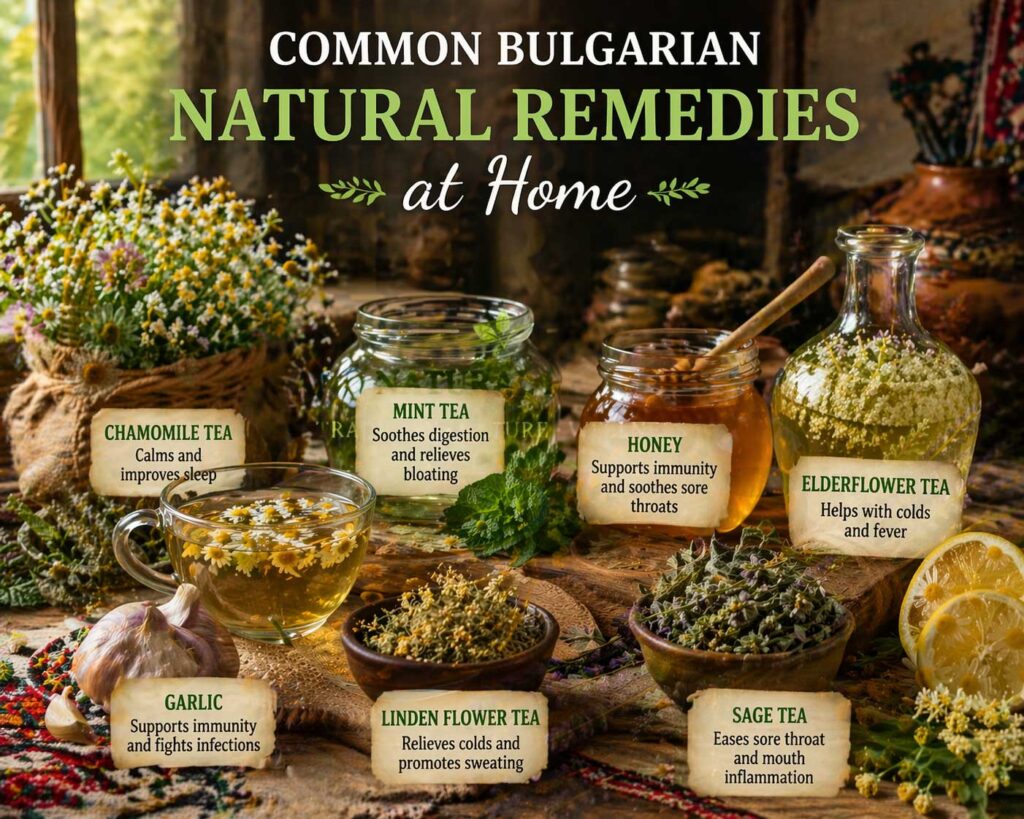
Traditional Bulgarian home remedies are simple, plant-based practices—like herbal teas, steam inhalation, and compresses—used for everyday comfort and seasonal wellness.
In Bulgarian households, herbs are part of daily life, not an alternative. Remedies are prepared with readily available plants and passed down through generations, forming a practical, home-based approach to well-being.
Common practices
- Herbal teas for daily wellness and seasonal comfort
- Steam inhalation with aromatic herbs for colds
- Warm infusions for digestion and relaxation
- Compresses and rinses for skin soothing
- Herbal baths for calming and recovery
- Syrups made from berries and herbs
- Dried herb bundles stored in kitchens and pantries
These practices are best understood as home wellness traditions—focused on comfort, routine, and prevention rather than strong medical claims. This perspective keeps the topic culturally accurate and trustworthy.
👉 This lifestyle is deeply connected to Bulgarian Villages You Must Visit.
Wild Herb Gathering in Bulgaria
Wild herb gathering in Bulgaria is a long-standing tradition where people collect medicinal plants from mountains and rural landscapes at specific times of the year.
Herb gathering remains a living part of Bulgarian culture, especially in rural and mountainous regions. For generations, people have collected Bulgarian herbs and natural remedies directly from nature—drawing on knowledge about where plants grow and when they are most potent.
Medicinal plants are typically gathered from:
- Mountain meadows
- Forest edges
- Rural fields
This practice is guided by traditional rules that help preserve both the quality of the herbs and the surrounding environment.
Traditional principles of herb gathering:
- Harvest at the right season
- Pick only what is needed
- Respect natural habitats
- Dry herbs naturally to preserve their properties
These practices reflect a deep ecological awareness, long before sustainability became a global concern. They also ensure that herbal traditions remain closely connected to nature and continue to be passed down through generations.
👉 This connection to rural life is best experienced in Bulgarian Villages You Must Visit.
Because of this tradition, wild harvesting remains one of the most authentic ways Bulgarian medicinal herbs are still used today.
Folk Medicine vs Modern Science
Bulgarian herbal medicine is rooted in traditional use, while modern science evaluates herbs through clinical research—meaning not all natural remedies are equally proven.
It’s important to understand the difference between traditional knowledge and scientific evidence when exploring Bulgarian herbs and natural remedies. For centuries, herbs have been used based on observation, experience, and results passed down through generations. This form of folk medicine reflects real-world use and cultural wisdom, but it does not always meet modern clinical standards.
Today, scientific research studies herbs through controlled methods, focusing on safety, dosage, and effectiveness. While some Bulgarian medicinal herbs are supported by research, others remain valued primarily for their long-standing traditional use rather than strong clinical proof.
Key takeaway:
- Tradition = valuable knowledge based on long-term use
- Science = verified evidence based on research and testing
Both perspectives matter. The most effective approach is to respect traditional practices while also understanding their scientific limitations.
This balance between tradition and science is essential when using Bulgarian herbs and natural remedies responsibly.
Safety: When Natural Does NOT Mean Safe
While Bulgarian herbs and natural remedies are widely used, not all natural treatments are completely safe—especially when used incorrectly or without proper knowledge.
It’s important to approach Bulgarian herbs and natural remedies with awareness. Many herbs have strong biological effects, which means they can interact with medications, affect the body in unexpected ways, or become harmful if taken in the wrong form or dosage.
Important safety considerations:
- Some herbs can interact with medications
- Some are unsafe in high doses
- Some should be avoided during pregnancy
- Certain plants can be toxic if improperly prepared
Common examples:
- St. John’s wort → may interact with antidepressants, birth control, and other medications
- Elderberry → raw or unripe forms can be toxic if not properly prepared
- Strong herbal extracts → may affect blood pressure, liver function, or digestion
👉 Always consult a qualified healthcare professional before using herbal remedies for medical conditions or alongside medications.
Understanding these risks is essential for using Bulgarian medicinal herbs safely and responsibly.
Why Bulgarian Herbal Knowledge Still Matters Today
Bulgarian herbal knowledge remains relevant today as global interest in natural wellness, traditional medicine, and plant-based products continues to grow.
In recent years, Bulgarian herbs and natural remedies have gained renewed attention worldwide. What was once considered traditional or local knowledge is now being rediscovered as part of a broader shift toward natural living and holistic health.
Bulgaria is among Europe’s leading exporters of essential oils, particularly rose oil, which accounts for a significant share of the global market.
This growing interest is driven by several key factors:
- The rise of natural wellness trends
- Increasing interest in traditional and herbal medicine
- Demand for organic and minimally processed products
- Expanding scientific research into plant-based compounds
As a result, Bulgaria has strengthened its position as a leading source of high-quality herbal products.
Bulgaria’s growing role in global herbal markets:
- Essential oils (especially rose oil)
- Herbal teas and dried medicinal plants
- Natural extracts used in health and cosmetic products
Today, Bulgarian herbal traditions are not only preserved—they are also contributing to global industries focused on wellness, sustainability, and natural products.
👉 This connection between tradition and modern value reflects the broader cultural depth explored in Why Bulgarian Culture Is so Unique.
Because of this global demand, Bulgarian medicinal herbs are becoming increasingly important both culturally and economically.
Safe vs Risky Herbs: What You Should Know
Some Bulgarian herbs and natural remedies are gentle and suitable for regular use, while others require caution due to potential side effects or interactions.
| Herb | Safety Level | Why |
|---|---|---|
| Chamomile | ✅ Generally safe | Mild, widely used; low risk in tea form |
| Mint (Peppermint) | ✅ Generally safe | Safe in moderate amounts; may cause mild digestive discomfort in some people |
| Thyme | ✅ Generally safe | Commonly used for teas; safe in typical doses |
| Nettle | ✅ Generally safe | Nutritious and widely used; caution for allergies |
| Bulgarian Rose | ✅ Generally safe | Gentle and commonly used in teas and skincare |
| Elderberry | ⚠️ Use with caution | Must be properly prepared; raw forms can be toxic |
| St. John’s Wort | ⚠️ Use with caution | Strong interactions with medications |
🧠 Key takeaway:
⚠️ Caution herbs → require proper preparation or professional guidance
✅ Safe herbs → suitable for daily use in moderate amounts
Even safe herbs can become harmful if used excessively, so moderation is always important when using Bulgarian herbs and natural remedies.
Bulgarian herbal tradition is culturally valuable, but modern readers should separate folk knowledge, traditional use, and clinically proven treatment.
FAQs About Bulgarian Herbs and Natural Remedies
What are Bulgarian herbs and natural remedies?
Bulgarian herbs and natural remedies are plant-based treatments traditionally used for digestion, colds, skin care, and overall wellness, based on centuries of herbal knowledge.
What are the most popular Bulgarian herbs?
The most popular Bulgarian herbs include chamomile, mint, thyme, nettle, elderberry, and Bulgarian rose, each used for specific health benefits.
Are Bulgarian herbal remedies scientifically proven?
Some Bulgarian herbs have scientific support, especially for digestion and respiratory health, but many are based on traditional use rather than strong clinical evidence.
Are Bulgarian herbs safe to use?
Most herbs are safe when used properly, but some—like St. John’s wort—can interact with medications, so caution is important.
Why is Bulgaria famous for herbs?
Bulgaria is known for its rich biodiversity, clean environment, and long-standing tradition of herbal medicine and natural remedies.
Can I use Bulgarian herbs every day?
Many herbs like chamomile and mint can be used daily in moderate amounts, but stronger herbs should be used carefully.
Essential Tools for Herbal Remedies
If you want to use Bulgarian herbs and natural remedies at home, these tools make preparation easier and more effective.
| Tool | Purpose | Check Price |
|---|---|---|
| Stainless Steel Tea Infuser | Easy herbal tea brewing | Check on Amazon |
| Glass Teapot | Better flavor & visibility | Check on Amazon |
| Herb Drying Rack | Preserve herbs naturally | Check on Amazon |
| Mortar & Pestle | Traditional herb preparation | Check on Amazon |
Conclusion: The Enduring Power of Bulgarian Herbs and Natural Remedies
Bulgarian herbs and natural remedies are more than simple home treatments—they represent a deep connection between nature, culture, and everyday life. From chamomile and mint to thyme, nettle, elder, and the world-famous Bulgarian rose, these plants reflect centuries of traditional knowledge shaped by the country’s rich biodiversity and rural heritage.
What makes these remedies truly valuable is not just their long history, but their continued relevance today. As interest in natural wellness grows worldwide, Bulgarian herbal traditions offer a balanced approach—combining practical experience, seasonal living, and respect for nature.
At the same time, modern understanding reminds us that natural does not always mean risk-free. The most effective way to use Bulgarian herbs and natural remedies is with awareness—respecting both traditional knowledge and scientific guidance.
👉 To continue exploring Bulgaria’s natural and cultural heritage:
- Discover Bulgarian Superfoods and Their Health Benefits
- Learn about Bulgarian Roses – The Beauty of the Rose Valley
- Explore Bulgarian Villages You Must Visit
🌿 By combining tradition with knowledge, Bulgarian herbal wisdom remains not only preserved—but increasingly valuable in today’s world.
References
- Ivancheva, S., Stantcheva, B. (2000). Ethnobotanical inventory of medicinal plants in Bulgaria. Journal of Ethnopharmacology. https://pubmed.ncbi.nlm.nih.gov/10687872/
- Petrova, A., et al. (2022). Medicinal plant diversity and traditional knowledge in Bulgaria. Plants (Basel). https://pmc.ncbi.nlm.nih.gov/articles/PMC9268788/
- European Medicines Agency (EMA). Herbal Medicinal Products – European Union Monographs. https://www.ema.europa.eu/en/human-regulatory-overview/herbal-medicinal-products/european-union-monographs-list-entries
- European Medicines Agency (EMA). Matricariae flos (Chamomile) – Community Herbal Monograph. https://www.ema.europa.eu/en/documents/herbal-monograph/final-community-herbal-monograph-matricariae-flos_en.pdf
- European Medicines Agency (EMA). Menthae piperitae folium (Peppermint leaf) – Community Herbal Monograph. https://www.ema.europa.eu/en/documents/herbal-monograph/final-community-herbal-monograph-menthae-piperitae-folium_en.pdf
- European Medicines Agency (EMA). Thymi herba (Thyme) – Community Herbal Monograph. https://www.ema.europa.eu/en/documents/herbal-monograph/final-community-herbal-monograph-thymi-herba_en.pdf
- European Medicines Agency (EMA). Urticae folium (Nettle leaf) – Community Herbal Monograph. https://www.ema.europa.eu/en/documents/herbal-monograph/final-community-herbal-monograph-urticae-folium_en.pdf
- European Medicines Agency (EMA). Hyperici herba (St. John’s Wort) – Community Herbal Monograph. https://www.ema.europa.eu/en/documents/herbal-monograph/final-community-herbal-monograph-hyperici-herba_en.pdf
- National Center for Complementary and Integrative Health (NCCIH). St. John’s Wort: What You Need To Know. https://www.nccih.nih.gov/health/st-johns-wort
- National Center for Complementary and Integrative Health (NCCIH). Elderberry Overview. https://www.nccih.nih.gov/health/elderberry
- U.S. National Library of Medicine. Herbal Medicine – MedlinePlus. https://medlineplus.gov/herbalmedicine.html
- Encyclopaedia Britannica. Flora and plant diversity of Bulgaria. https://www.britannica.com/place/Bulgaria/Plant-and-animal-life