


Few countries in Europe combine ancient history, unique traditions, and natural beauty quite like Bulgaria.
If you’ve ever wondered what is Bulgaria famous for, the answer goes far beyond just one or two highlights. From the oldest gold treasure in the world to the creation of the Cyrillic alphabet, Bulgaria has played a major role in shaping European and global culture.
This Balkan nation is also known for its stunning mountains, Black Sea beaches, world-famous yogurt, rose oil production, and deep-rooted traditions that are still alive today.
In this guide, we’ll explore exactly what Bulgaria is famous for, uncovering the most important facts, cultural treasures, and hidden gems that make this country truly unique.
Here are some interesting facts about Bulgaria that highlight what the country is famous for.
| Feature | Details |
|---|---|
| Country Name | Republic of Bulgaria |
| Location | Southeastern Europe (Balkan Peninsula) |
| Capital City | Sofia |
| Population | ~6.5 million |
| Official Language | Bulgarian |
| Alphabet | Cyrillic |
| Currency | Bulgarian Lev (BGN) |
| Founded | 681 AD |
| EU Member | Since 2007 |
| Famous For | Rose oil, yogurt, ancient history, Cyrillic alphabet |
| Major Mountains | Rila, Pirin, Balkan Mountains |
| Highest Peak | Musala (2,925 m) |
| Coastline | Black Sea |
| UNESCO Sites | Rila Monastery, Nessebar, Boyana Church, Thracian Tomb |
| Oldest Gold | Varna Necropolis (6,000+ years old) |
So, what is Bulgaria known for today? The country is famous for its history, culture, and natural beauty.
Things Bulgaria Is Famous For
Here are the top things Bulgaria is known for around the world.
1. The Oldest Gold Treasure in the World
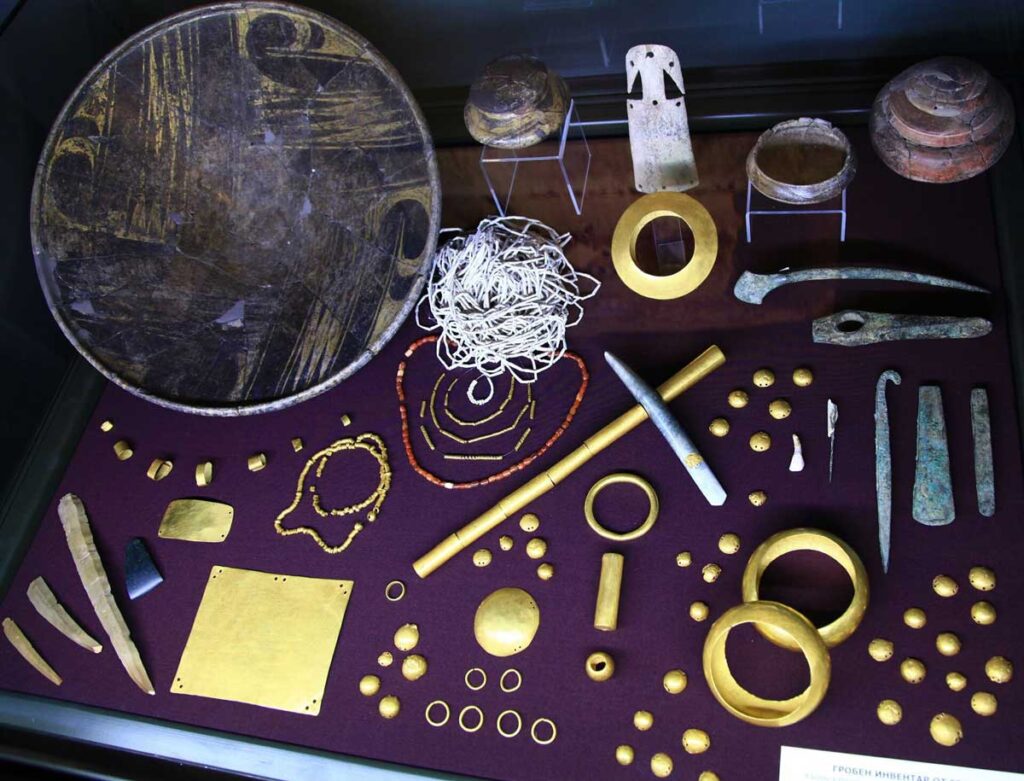
Bulgaria is home to the oldest processed gold in the world, discovered in the Varna Necropolis.
Beyond its age, the treasure discovered at the Varna Necropolis reveals something even more fascinating — the emergence of one of the first complex societies in Europe. The craftsmanship of the gold items demonstrates advanced metallurgical skillsfar ahead of their time, suggesting that prehistoric inhabitants of this region had developed sophisticated technologies and social structures long before similar advancements appeared elsewhere. This makes Bulgaria not just historically important, but foundational to the story of European civilization itself.
- Dates back over 6,000 years
- Proves advanced prehistoric civilization
- Older than Ancient Egypt artifacts
👉 This alone puts Bulgaria on the global archaeological map.
2. One of the Oldest Countries in Europe
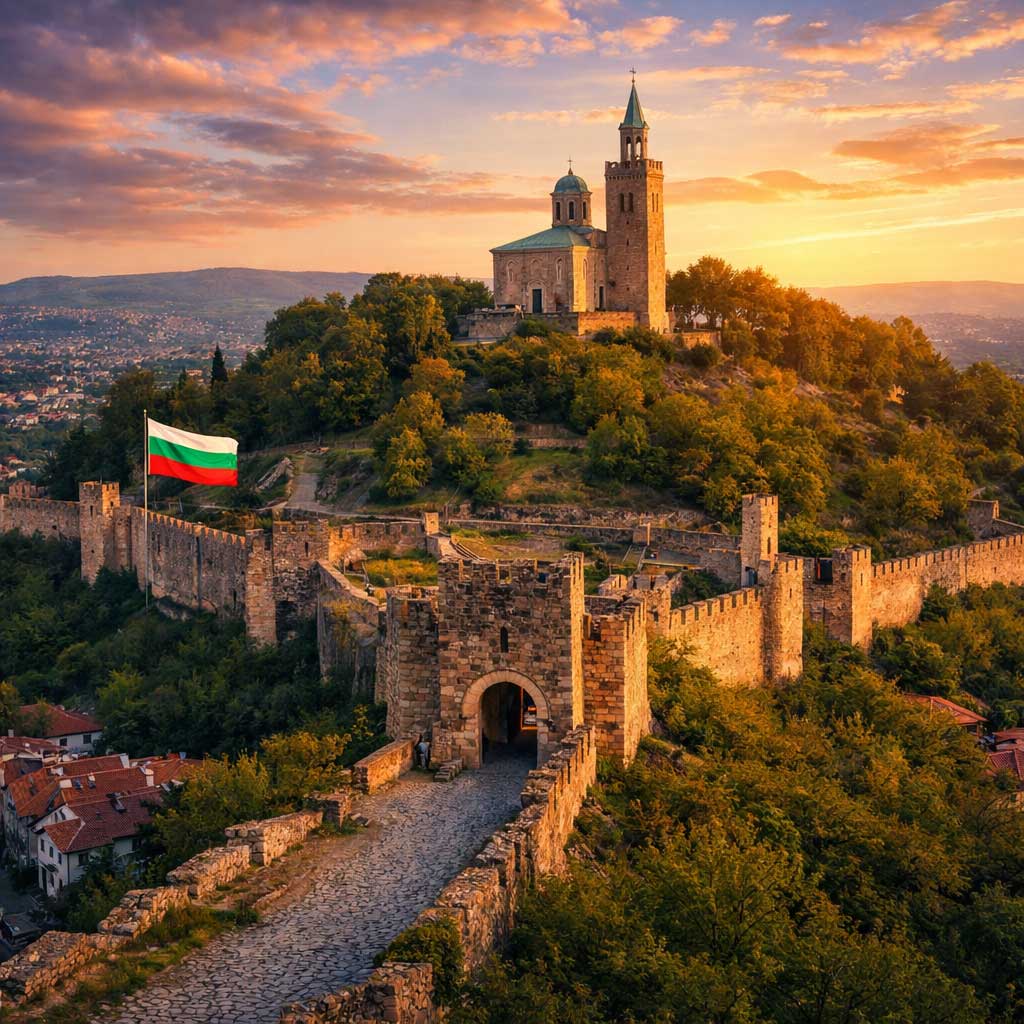
Founded in 681 AD, Bulgaria is one of the oldest continuously existing countries in Europe. Bulgarian history is one of the oldest and most fascinating in Europe.
What makes Bulgaria’s longevity even more remarkable is its ability to preserve identity through centuries of foreign domination, especially during the Ottoman period. Despite political changes and cultural pressures, the Bulgarian language, traditions, and national spirit remained intact. This resilience helped fuel the Bulgarian National Revival, eventually leading to independence and modern statehood. Today, that deep historical continuity is still visible in architecture, folklore, and national pride.
- Founded by Khan Asparuh
- Never changed its name since creation
- Home to the powerful First and Second Bulgarian Empires
Bulgaria became a powerful medieval state during the rise of the First Bulgarian Empire Explained and later reached its peak during the Second Bulgarian Empire – Kings and Battles.
When it comes to Bulgarian culture and history, the country stands out as one of the oldest and most resilient nations in Europe.
3. The Cyrillic Alphabet
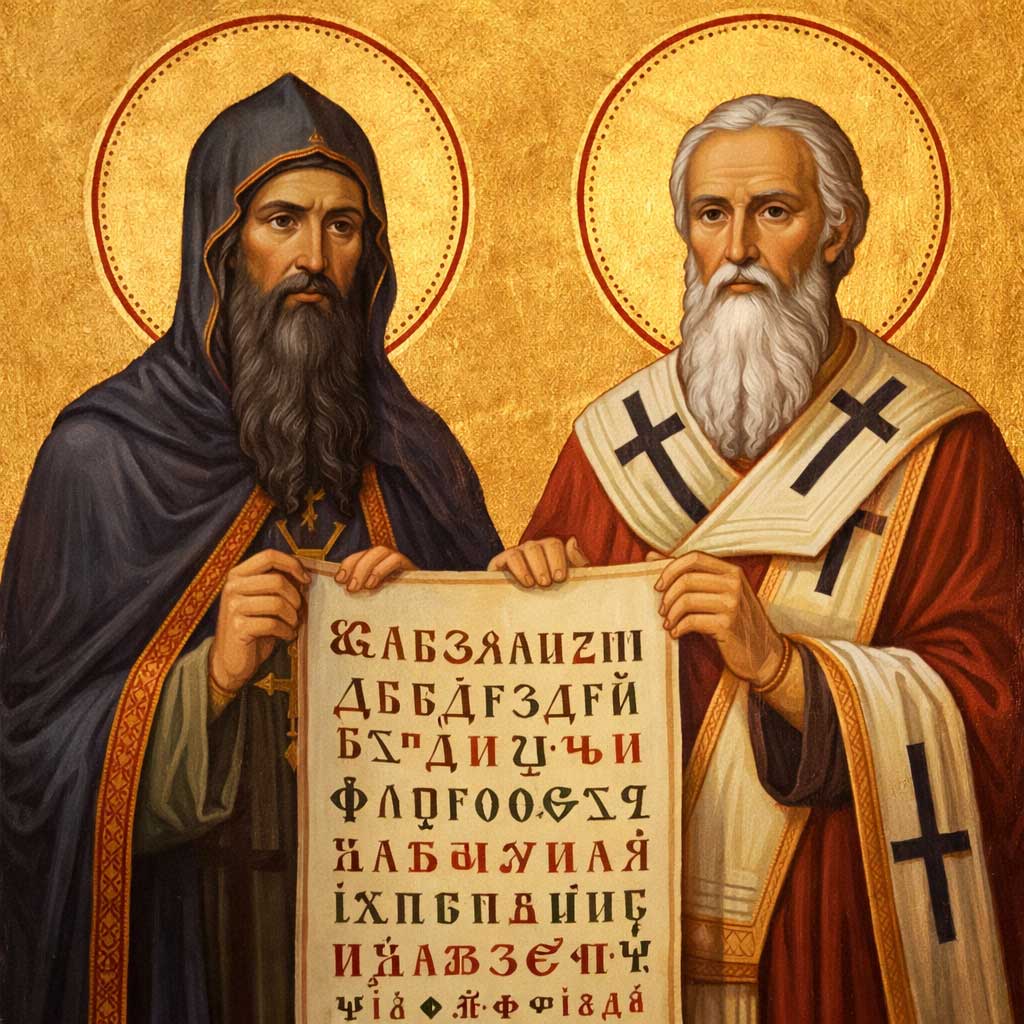
Bulgaria played a key role in spreading the Cyrillic alphabet, now used by over 250 million people. The Cyrillic alphabet origin is closely linked to Bulgaria and its medieval scholars.
The spread of the Cyrillic script was not just a linguistic achievement—it was a cultural revolution. By enabling people to read and write in their native language, it strengthened identity, education, and religion across Eastern Europe. Bulgaria became a literary and spiritual center during the medieval period, especially under Tsar Simeon the Great, when literature, translation, and education flourished. This cultural influence continues today, making Bulgaria a key pillar in Slavic heritage.
- Developed by disciples of Saints Cyril and Methodius
- Official script in countries like Russia, Serbia, and Ukraine
👉 One of Bulgaria’s biggest global contributions.
To understand this deeper, explore our full guide on the Bulgarian Language and Alphabet Explained.
4. Stunning Nature & Landscapes
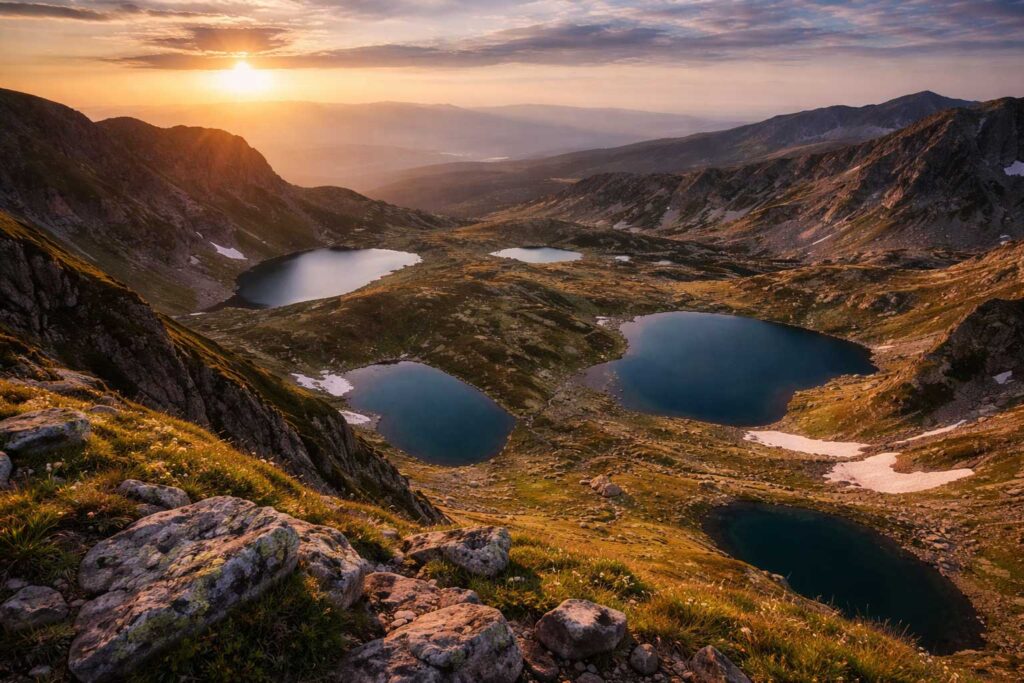
What truly sets Bulgaria apart is how accessible its natural beauty is. Within just a few hours, you can travel from snowy mountain peaks to sunny beaches or lush valleys. The country also boasts a rich biodiversity, with rare plant species, wildlife reserves, and protected national parks. For travelers seeking both adventure and tranquility, Bulgaria offers an experience that rivals far more expensive European destinations—without the crowds.
Bulgaria offers incredible natural diversity:
- Mountains: Rila Mountains, Pirin Mountains
- Beaches along the Black Sea
- Lakes, caves, waterfalls
👉 Perfect mix of sea + mountains in one country.
5. The Black Sea Coast
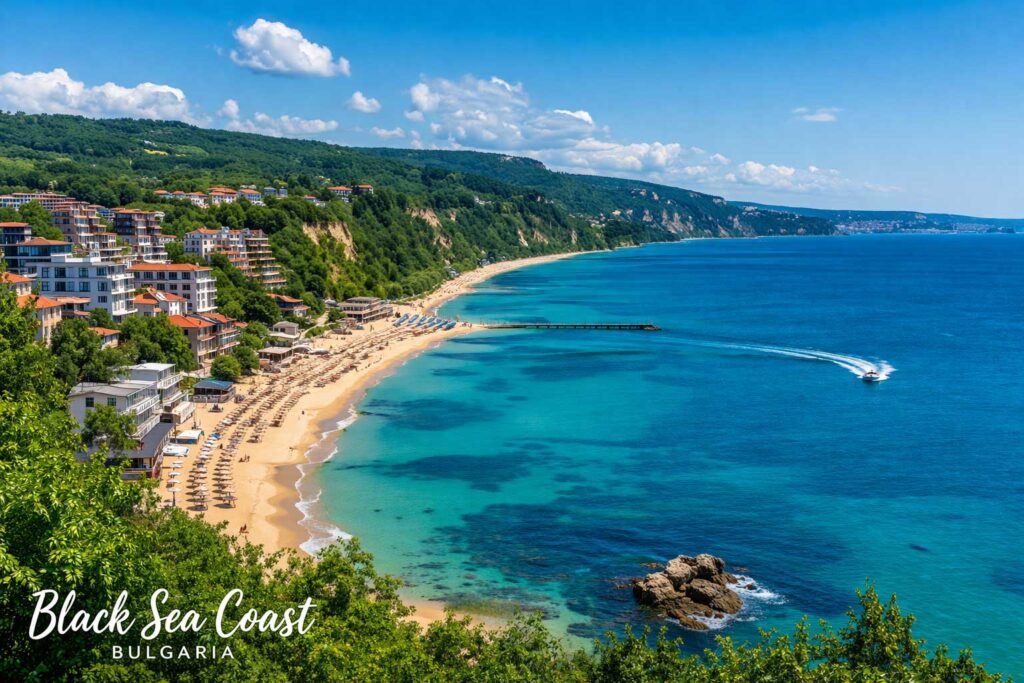
In addition to its popular resorts, Bulgaria’s Black Sea coast is dotted with hidden gems—quiet beaches, ancient ruins, and charming fishing villages. The mix of modern tourism and deep history creates a unique atmosphere where visitors can enjoy nightlife one moment and explore centuries-old heritage the next. This balance makes the coastline appealing to both young travelers and those looking for a more cultural experience.
The Bulgarian coast is famous for:
- Resorts like Sunny Beach
- Historic towns like Nessebar
- Affordable summer tourism
6. Rose Oil (Liquid Gold)
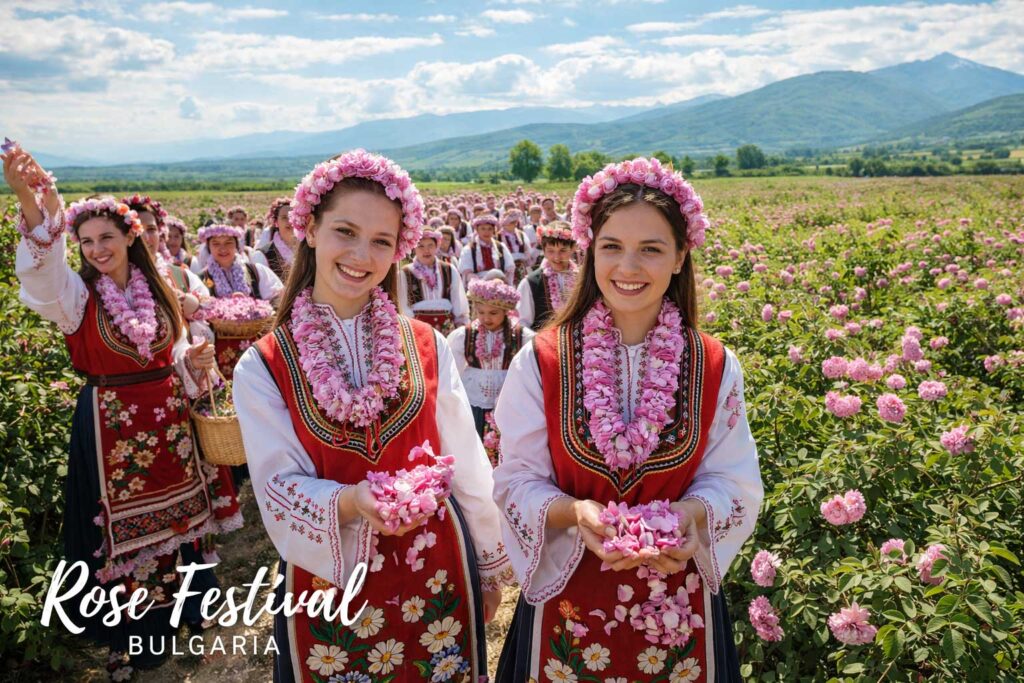
The production of rose oil in Bulgaria is not just an industry—it is a tradition passed down through generations. The harvesting process is done early in the morning when the roses contain the highest concentration of essential oils, and it often involves entire communities. This deep connection between people and land gives Bulgarian rose oil its unmatched quality and authenticity, making it highly valued by the world’s leading perfume brands.
Bulgaria is the world leader in rose oil production.
- Grown in the Rose Valley
- Used in luxury perfumes worldwide
- Known as “liquid gold”
7. Delicious Traditional Food
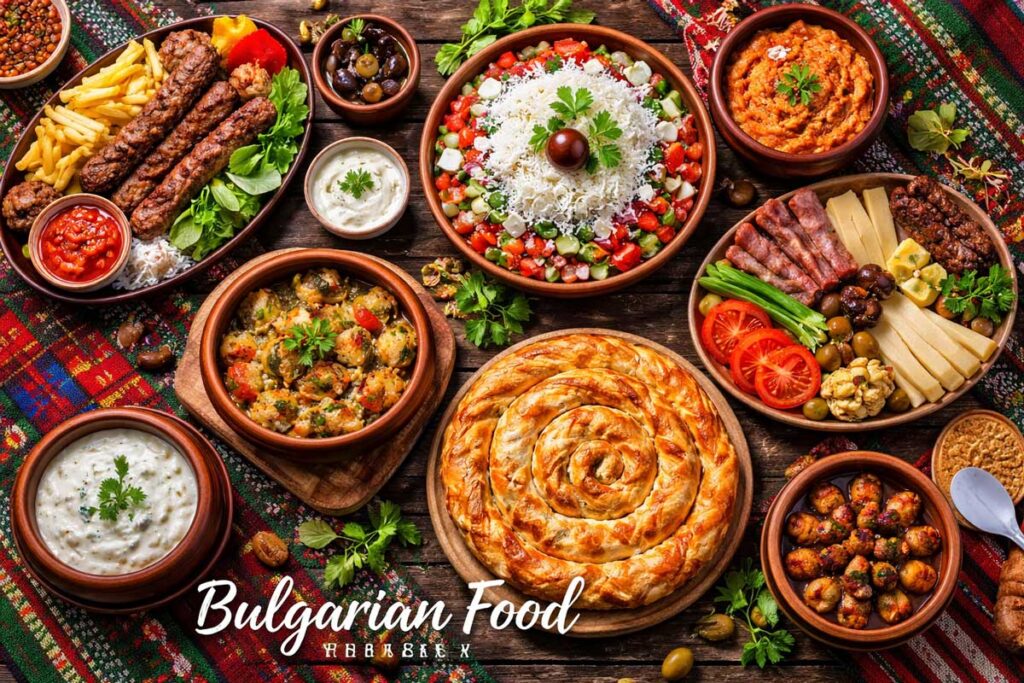
Another defining feature of Bulgarian cuisine is its emphasis on seasonal and locally sourced ingredients. Many dishes are prepared using recipes that have been passed down for generations, preserving authentic flavors and techniques. Whether it’s homemade cheese, freshly baked bread, or slow-cooked stews, Bulgarian food reflects a deep connection to the land and a culture centered around sharing meals with family and friends.
Bulgarian cuisine is simple, fresh, and flavorful:
- Shopska salad
- Banitsa
- Kebapche
Discover more in our complete guide to Traditional Bulgarian Food – 30 Famous Dishes You Must Try.
👉 Mediterranean + Balkan fusion.
8. Bulgarian Yogurt (Unique Bacteria)
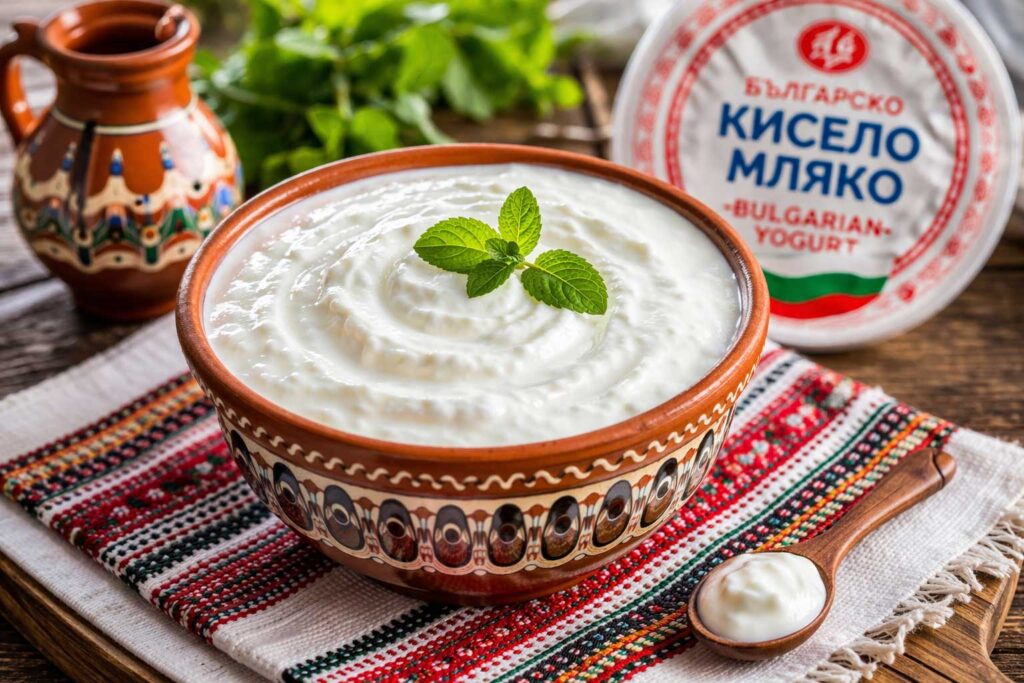
What makes Bulgarian yogurt even more unique is that the natural conditions in Bulgaria—its climate, air, and traditional fermentation methods—play a crucial role in cultivating the бактерия Lactobacillus bulgaricus. This means that authentic Bulgarian yogurt cannot be perfectly replicated elsewhere, giving it a distinct taste and health profile that has made it famous worldwide. Read more in our Bulgarian Yogurt – Why It Is Famous Around the World article.
Famous worldwide for its health benefits.
- Contains Lactobacillus bulgaricus
- Linked to longevity and gut health
- One of the most authentic yogurts globally
9. Baba Vanga (Mystic Fame)
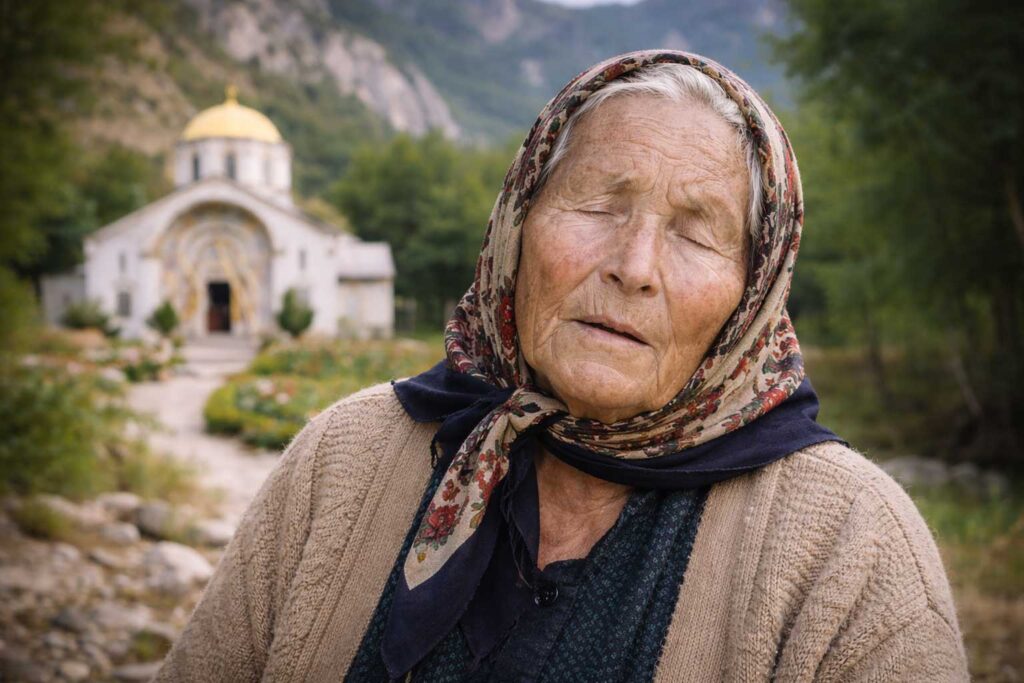
Beyond her predictions, Baba Vanga became a cultural phenomenon, with people from around the world visiting her for guidance during her lifetime. Even today, her legacy lives on through documentaries, books, and ongoing debates about the accuracy of her visions. Whether viewed as a mystic or a historical figure, she remains one of the most intriguing personalities associated with Bulgaria.
Baba Vanga is one of the most famous mystics in the world.
- Known for predictions about global events
- Attracts curiosity and tourism
10. UNESCO Heritage Sites
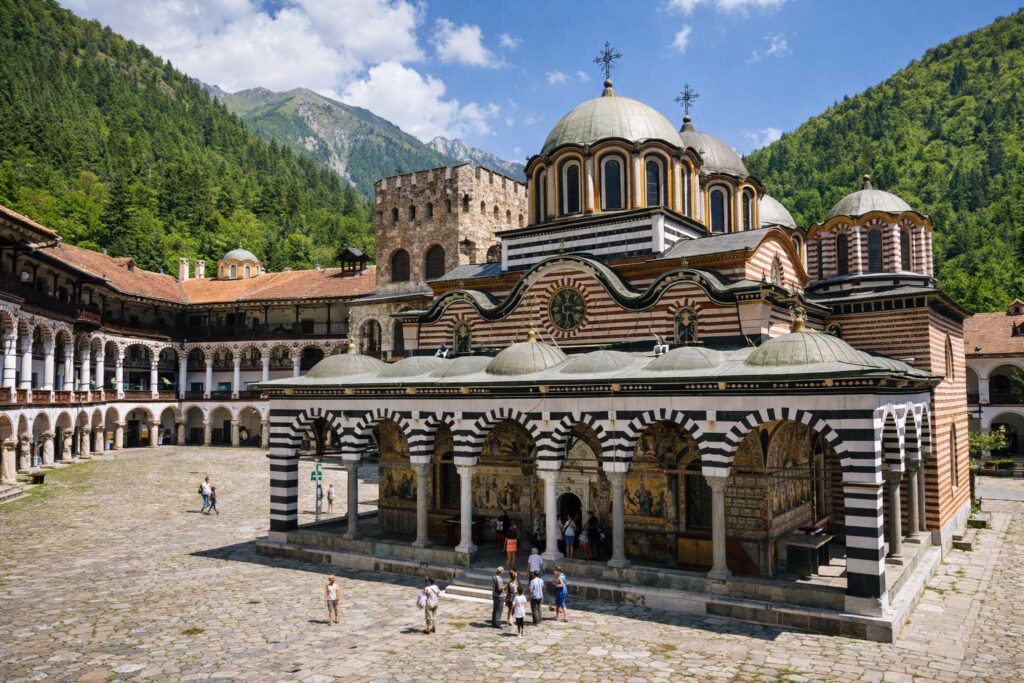
These UNESCO sites are not just tourist attractions—they are living symbols of Bulgaria’s artistic and spiritual legacy. The frescoes, architecture, and preserved artifacts offer a window into different eras, from medieval Christianity to ancient Thracian rituals. Some of the most famous Bulgarian landmarks attract visitors from around the world. Visiting these sites allows travelers to experience Bulgaria’s history in a deeply immersive way, connecting the past with the present.
Bulgaria has multiple UNESCO sites:
- Rila Monastery
- Boyana Church
- Thracian Tomb of Kazanlak
👉 These sites preserve Bulgaria’s deep cultural heritage.
11. Unique Traditions and Customs
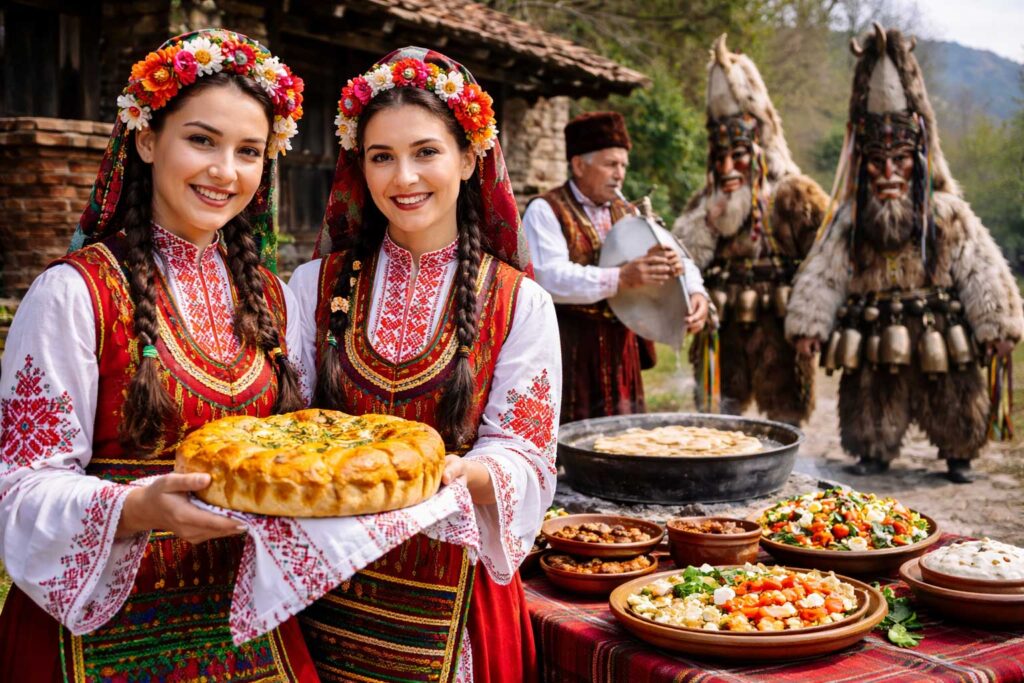
What makes Bulgarian traditions truly special is that they are still actively practiced in everyday life, not just preserved for tourists. Festivals, rituals, and customs are deeply embedded in communities, often tied to seasonal changes and religious beliefs. This living heritage creates an authentic cultural experience that is increasingly rare in the modern world.
Bulgaria is rich in traditions that date back centuries:
- Martenitsa (spring symbol for health and luck)
- Kukeri (masked dancers chasing evil spirits)
- Nestinarstvo (fire-dancing ritual)
👉 These traditions are still practiced today.
12. Thracian Civilization
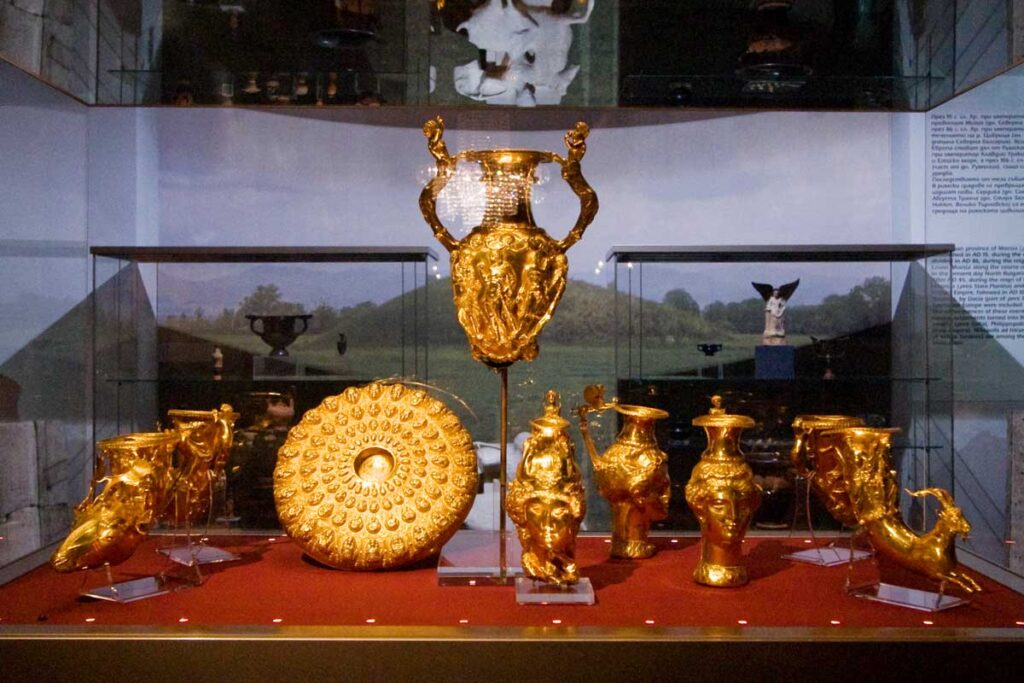
The Thracians were known not only for their craftsmanship but also for their rich spiritual beliefs and rituals. Their burial sites, often filled with treasures and symbolic art, provide insight into a civilization that valued both the material and the mystical. These discoveries continue to fascinate historians and archaeologists, shedding light on one of Europe’s least understood ancient cultures.
The ancient Thracians left behind:
- Gold treasures
- Tombs and sanctuaries
- Mystical rituals
They inhabited lands that include modern-day Bulgaria, Greece, and Turkey, and were known for their warrior culture, artistry, and deep spiritual beliefs.
Greek historians like Herodotus described them as one of the most numerous and powerful peoples of the ancient world.
Why It Matters Today
The Thracian civilization is a major part of Bulgaria’s identity.
It represents:
- One of Europe’s oldest cultures
- A foundation of Bulgarian heritage
- A source of national pride and tourism
👉 Many of Bulgaria’s most famous artifacts and UNESCO sites come from this era.
The Thracian civilization is one of the key reasons people search what Bulgaria is famous for, as its gold treasures, tombs, and ancient rituals continue to fascinate historians and travelers worldwide.
👉 They are one of Europe’s most mysterious ancient cultures.
13. Bulgarian Innovations & Talent

In modern times, Bulgaria has become a growing hub for technology and innovation, especially in software development and IT outsourcing. Bulgarian engineers and developers are highly respected globally, contributing to major international companies and startups. This blend of historical depth and modern talent makes Bulgaria a country that continues to evolve and influence the world.
Bulgaria has contributed to:
- Computer technology
- Space research
- Engineering
👉 Many Bulgarians work in global tech and science industries.
14. Affordable Travel Destination
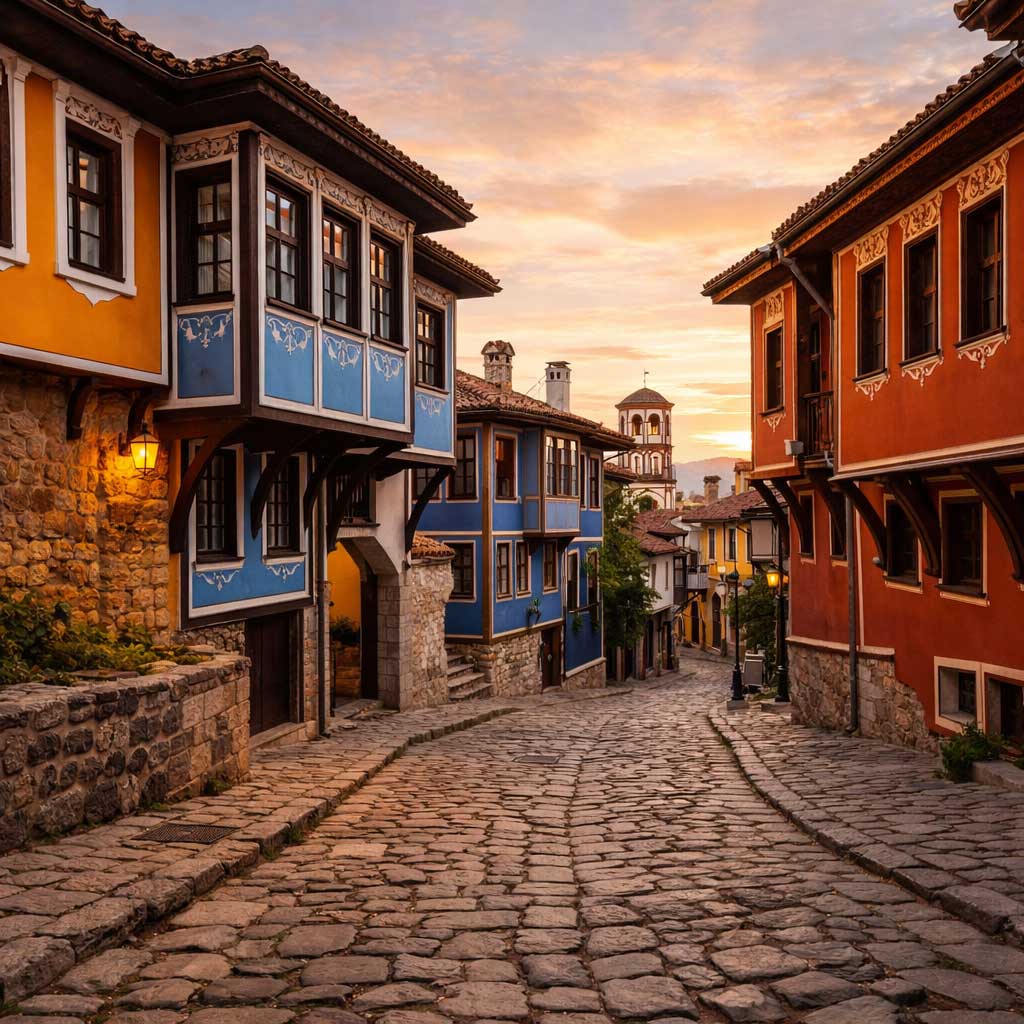
Travelers are often surprised by how much value Bulgaria offers compared to other European destinations. From affordable accommodations to inexpensive yet high-quality food, visitors can enjoy a rich travel experience without overspending. This makes Bulgaria particularly attractive for digital nomads, backpackers, and families alike.
Compared to Western Europe, Bulgaria offers:
- Lower prices
- High-quality experiences
- Less crowded destinations
This article also works as a quick Bulgaria travel guide for first-time visitors. Bulgaria tourism destinations and attractions include mountains, beaches, and historic towns.
👉 Bulgaria is a hidden gem for travelers.
15. A Unique Blend of East and West
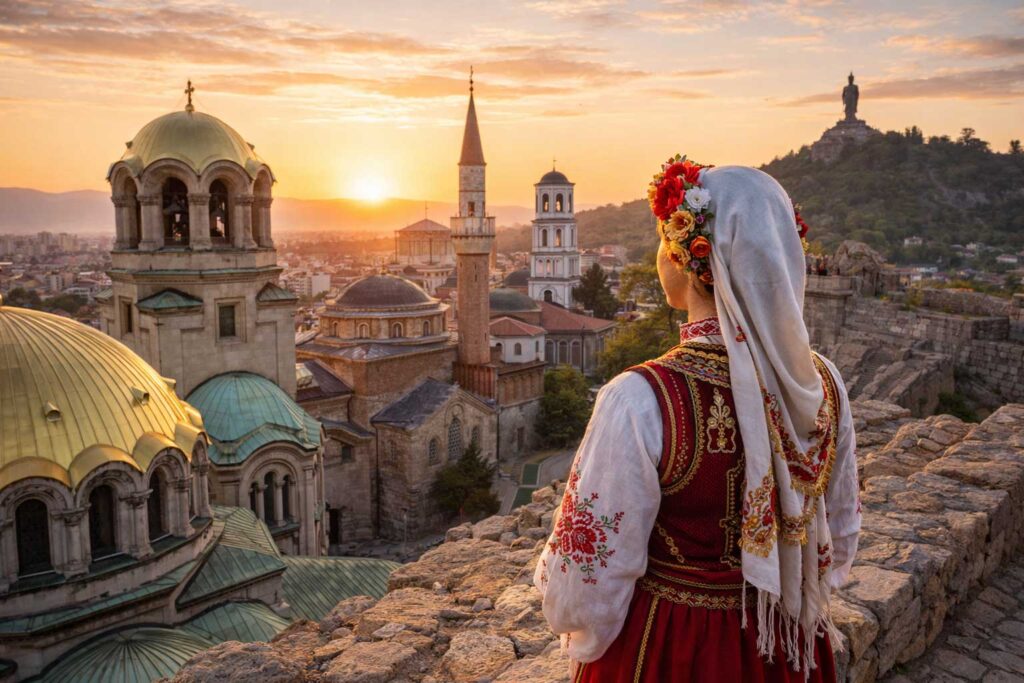
This cultural crossroads has shaped Bulgaria into a place where traditions, religions, and influences merge seamlessly. You can see this in everything from architecture and cuisine to music and customs. It’s a country where history is layered, diverse, and constantly evolving—making it endlessly fascinating to explore.
Bulgaria sits between:
- Europe
- Asia
- The Middle East
This creates a unique mix of:
- Culture
- Food
- Architecture
What Makes Bulgaria Unique
Bulgaria stands out as one of Europe’s most distinctive countries, blending ancient heritage, natural richness, and modern innovation in a way few destinations can match. From world-leading natural products to deep-rooted traditions and rising global talent, Bulgaria offers a unique identity shaped by both history and progress.
One of the Largest Producers of Lavender Oil
Bulgaria is one of the world’s top producers of lavender oil, rivaling even France. The country’s climate and fertile soil create perfect conditions for growing high-quality lavender used in perfumes, cosmetics, and aromatherapy. Fields across regions like Kazanlak bloom into stunning purple landscapes every summer, attracting visitors from around the world.
Rich Thracian Heritage
The legacy of the ancient Thracians is deeply embedded in Bulgaria’s identity. Archaeological discoveries—including gold treasures, sacred sites, and royal tombs—highlight one of Europe’s oldest civilizations. Sites like the Thracian Tomb of Kazanlak reveal a culture rich in artistry, spirituality, and mystery.
Unique Traditions Like Martenitsa
Bulgarian traditions are not just preserved—they are still actively practiced today. One of the most beloved customs is Martenitsa, where people exchange red-and-white bracelets in early March as a symbol of health and new beginnings. These living traditions connect modern Bulgarians with centuries-old cultural roots.
Affordable Travel Destination in Europe
Compared to many European countries, Bulgaria offers exceptional value for travelers. Visitors can enjoy stunning mountains, beautiful beaches, historic towns, and rich cuisine at a fraction of the cost of Western Europe. This affordability, combined with authentic experiences, makes Bulgaria a hidden gem for global travelers.
Strong IT and Engineering Talent Globally
In recent years, Bulgaria has become a growing hub for technology and innovation. Bulgarian developers, engineers, and IT specialists are highly respected worldwide, contributing to global companies and startups. The country’s strong educational foundation in mathematics and engineering continues to drive its reputation as a rising tech powerhouse.
All these elements together are exactly what make people search what makes Bulgaria unique, as the country offers a rare combination of ancient history, living traditions, natural beauty, and modern innovation.
Final Summary
Bulgaria is famous for:
✔ Ancient civilizations and treasures
✔ The Cyrillic alphabet
✔ Beautiful mountains and beaches
✔ Rose oil production
✔ Delicious food and yogurt
✔ Deep traditions and mysticism
What is Bulgaria Famous for FAQs
What is Bulgaria famous for?
Bulgaria is famous for its ancient history, rich traditions, and natural beauty. It is known for the world’s oldest gold treasure found at the Varna Necropolis, the creation of the Cyrillic alphabet, high-quality rose oil, traditional cuisine, and beautiful mountains and beaches.
Why is Bulgaria important historically?
Bulgaria is one of the oldest countries in Europe, founded in 681 AD. It played a major role in medieval European culture, especially through the spread of literacy using the Cyrillic alphabet and its influence across Eastern Europe.
Did Bulgaria invent the Cyrillic alphabet?
The Cyrillic alphabet was developed by the students of Saints Cyril and Methodius in the First Bulgarian Empire. Bulgaria became the main center for spreading the script, which is now used by over 250 million people.
Why is Bulgarian yogurt famous?
Bulgarian yogurt is famous for containing the unique bacterium Lactobacillus bulgaricus, which gives it a distinct taste and powerful health benefits, including improved digestion and immunity.
What is special about Bulgarian rose oil?
Bulgaria produces some of the world’s finest rose oil in the Rose Valley. It is widely used in luxury perfumes and is known for its purity and high concentration.
Is Bulgaria a good travel destination?
Yes, Bulgaria is an excellent travel destination offering a mix of mountains, beaches, historic towns, and cultural experiences—often at a much lower cost than Western Europe.
What are the most famous landmarks in Bulgaria?
Some of the most famous landmarks include the Rila Monastery, Nessebar, and the Thracian Tomb of Kazanlak, all of which showcase Bulgaria’s rich history and architecture.
Who is Baba Vanga and why is she famous?
Baba Vanga was a Bulgarian mystic believed to have predicted major world events. She remains one of the most well-known figures associated with Bulgaria and continues to attract global interest.
What food is Bulgaria known for?
Bulgaria is known for dishes like Shopska salad, Banitsa, and grilled specialties like Kebapche, all made with fresh and simple ingredients.
What traditions is Bulgaria known for?
Bulgaria is known for unique traditions such as the Martenitsa (spring symbol), Kukeri masked rituals, and fire-dancing ceremonies, many of which are still practiced today.