


Bulgaria is one of Europe’s most underrated destinations—rich in history, culture, and natural beauty. But like any country, it has its own customs, expectations, and unwritten rules. Understanding what not to do in Bulgaria can make the difference between a smooth, enjoyable trip and a confusing or uncomfortable experience.
Many first-time visitors are surprised by small cultural differences—from unique head gestures to more reserved service styles. These aren’t problems—they’re simply part of what makes Bulgaria authentic. The key is knowing how to navigate them.
Whether you’re exploring the streets of Sofia, wandering through the old town of Plovdiv, or relaxing along the Black Sea coast, avoiding a few common mistakes will instantly upgrade your travel experience.
👉 Many first-time visitors make common mistakes in Bulgaria simply because they are unaware of local customs and expectations.
👉 Before your trip, it’s also worth reading Is Bulgaria Safe to Visit to understand what to expect on the ground.
In this guide, you’ll learn:
- Cultural habits to respect
- Tourist mistakes to avoid
- Safety and etiquette tips
- Practical advice for getting around
👉 By the end, you’ll know exactly what NOT to do in Bulgaria—and how to travel like a local instead of a tourist.
What NOT to do in Bulgaria:
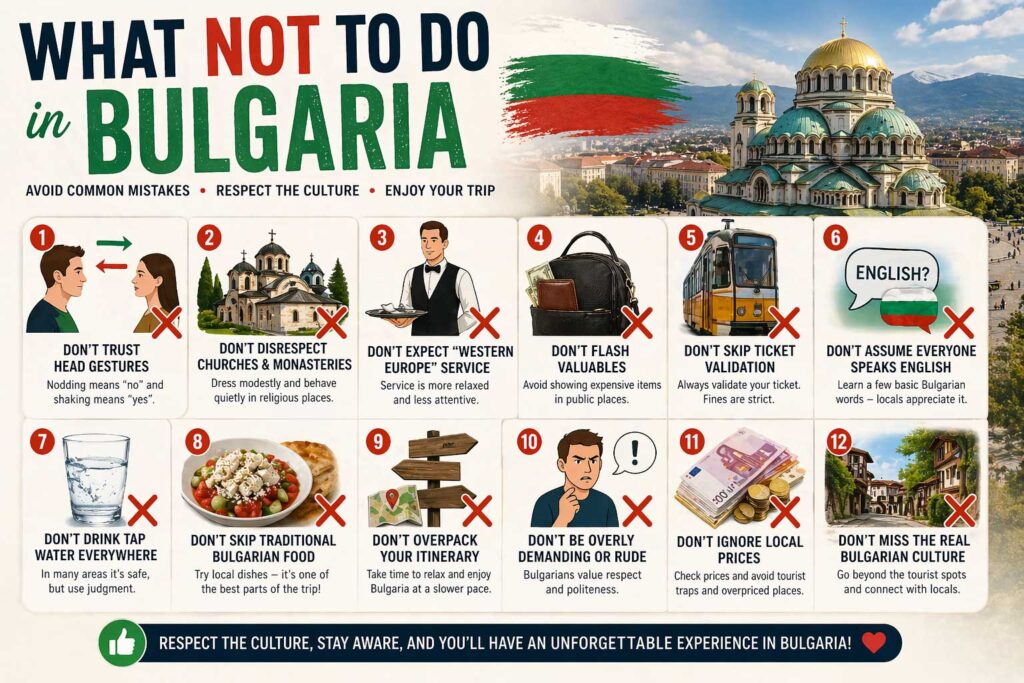
- Don’t rely on head gestures (they’re reversed)
- Don’t disrespect churches or traditions
- Don’t expect Western-style service
- Don’t flash valuables in public
- Don’t skip ticket validation
- Don’t assume everyone speaks English
- Don’t ignore local food culture
- Don’t underestimate travel times
- Don’t be rude or demanding
- Don’t overpay without checking prices
Affiliate Disclosure: Some links below are Amazon affiliate links. This means we may earn a small commission at no extra cost to you.
👉 Before you travel, having the right gear can make your trip safer and more comfortable. Here are essential items for Bulgaria:
Essential Travel Gear for Bulgaria (Stay Safe & Comfortable)
| Product | Why It’s Useful | Check Price |
|---|---|---|
| Travelon Anti-Theft Backpack | Protects against pickpockets in crowded areas like Sofia and transport hubs. | Check Price |
| Venture 4th Travel Money Belt | Keeps passport, cash, and cards hidden and secure. | Check Price |
| Anker PowerCore Portable Charger | Essential for long travel days, navigation, and translation apps. | Check Price |
| EPICKA Universal Travel Adapter | Works across Europe—perfect for Bulgaria’s outlets. | Check Price |
Don’t Trust Head Gestures (They’re Reversed)
This is the #1 mistake tourists make.
- Nod (up/down) → ❌ Means NO
- Shake (side to side) → ✅ Means YES
👉 This can cause:
- Wrong orders in restaurants
- Taxi confusion
- Awkward interactions
Pro Move:
- Always say “Da” (yes) or “Ne” (no) clearly
- Watch tone + context, not just gestures
This cultural difference can feel minor at first—but it quickly becomes one of the most confusing aspects of daily interaction in Bulgaria. In fast-paced situations like ordering food, asking for directions, or negotiating a price, relying only on gestures can easily lead to misunderstandings.
Over time, you’ll start recognizing subtle cues such as tone of voice and facial expressions, which help clarify meaning. Many Bulgarians are aware of this confusion and will adapt when speaking with foreigners—but it’s still best to rely on clear verbal confirmation whenever possible.
💡 Once you notice this, you’ll see it everywhere.
👉 To better understand these unique behaviors, explore Bulgarian Culture and Traditions, where you’ll discover how customs shape everyday life in Bulgaria.
🚫 Don’t Disrespect Churches & Monasteries
Bulgaria is deeply connected to Eastern Orthodox Christianity, and religious sites are taken seriously.
Common mistakes:
- Wearing shorts or revealing clothes
- Taking photos where it’s not allowed
- Being loud or using phones inside
👉 Especially in places like Rila Monastery.
Pro Move:
- Dress modestly (shoulders/knees covered)
- Stay quiet and respectful
- Follow posted rules
Religious sites in Bulgaria are not just tourist attractions—they are active places of worship and cultural identity. Many monasteries date back centuries and played a crucial role in preserving Bulgarian language and identity during Ottoman rule.
Visitors who approach these places with respect often find them to be some of the most peaceful and meaningful experiences in the country. Taking a moment to observe local behavior—lighting candles, speaking quietly, and moving slowly—helps you blend in naturally.
👉 These traditions are deeply rooted in the country’s past—learn more in History of Bulgaria, where religion played a key role in preserving national identity.
💡 Respect here = instant cultural credibility.
🚫 Don’t Expect “Western Europe” Service Standards
Service culture in Bulgaria is different—not worse, just different.
Avoid expecting:
- Constant check-ins
- Overly friendly small talk
- Fast-paced “customer is always right” service
👉 In cities like Sofia, service is improving—but still more relaxed.
Pro Move:
- Signal when you need something
- Be polite, not demanding
- Don’t take neutral behavior personally
Service in Bulgaria tends to be more transactional and less performative. Waiters may not check on you frequently, not because of poor service, but because the cultural expectation is that customers signal when they need something.
This actually creates a more relaxed dining experience, where you can enjoy your meal without interruptions. Once you adjust your expectations, many travelers find this style more comfortable and less rushed than Western service models.
👉 These differences are also influenced by the country’s economic and social structure—explored in Cost of Living in Bulgaria.
💡 Locals value respect over fake friendliness.
🚫 Don’t Flash Valuables in Public
Bulgaria is safe overall, but petty theft exists.
High-risk situations:
- Crowded buses/trams
- Tourist-heavy zones
- Nightlife areas
👉 More relevant in cities like Varna and Burgas.
Avoid:
- Leaving phones on tables
- Carrying thick cash stacks
- Using open bags/backpacks
Pro Move:
- Use zipped bags
- Keep valuables in front pockets
- Stay aware (not paranoid)
👉 For a complete breakdown of safety, read Is Bulgaria Safe to Visit, including crime levels and real traveler insights.
Although Bulgaria is generally safe, displaying wealth unnecessarily can make you stand out as a target—especially in crowded urban areas or tourist-heavy locations. Like many European destinations, opportunistic theft is more likely than violent crime.
Blending in with locals—dressing casually, carrying minimal valuables, and staying aware of your surroundings—significantly reduces any risk. Most visitors who follow basic precautions experience zero issues during their stay.
🚫 Don’t Skip Ticket Validation on Public Transport
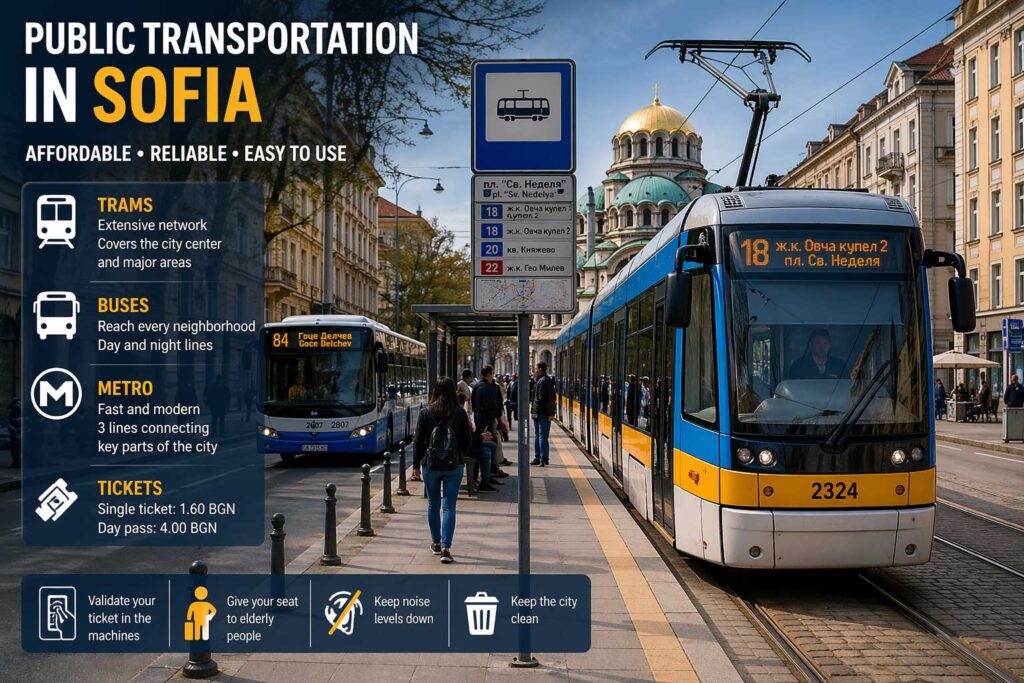
Public transport is cheap—but rules are strict.
Common mistake: Buying a ticket but NOT validating it.
What happens:
- Inspectors check randomly
- Fines are issued immediately
- No excuses accepted
Pro Move:
- Validate immediately after boarding
- Watch what locals do
Public transportation systems in Bulgaria operate on trust—but enforcement is strict. Ticket inspectors frequently check passengers, and fines are issued on the spot without exceptions for tourists.
Understanding how the system works before boarding—whether it’s paper tickets, digital passes, or validation machines—can save you unnecessary stress. Observing locals for a few seconds when entering a bus or tram is often the easiest way to learn.
👉 If you plan to travel around the country, check Transportation in Bulgaria for a full guide on buses, trains, and car rentals.
💡 This is one of the easiest ways to lose money unnecessarily.
👉 Bulgaria’s lifestyle, affordability, and culture are all connected—explained in Why Bulgaria Matters to the World.
👉 Getting around Bulgaria is easy if you’re prepared. These tools will save you time and stress:
Smart Travel Tools for Getting Around Bulgaria
| Product | Why It Helps | Check Price |
|---|---|---|
| Orange Holiday Europe SIM Card | Reliable mobile data across Bulgaria and Europe. | Check Price |
| Garmin Drive GPS Navigator | Helpful for road trips and rural travel where signal may drop. | Check Price |
| Rick Steves Europe Travel Guide | Detailed travel tips including Eastern Europe insights. | Check Price |
🚫 Don’t Assume Everyone Speaks English
English is common—but not universal.
- Younger people → usually speak English
- Older generations → often don’t
- Rural areas → limited English
👉 Especially outside Plovdiv.
Avoid:
- Getting frustrated
- Speaking louder (doesn’t help 😄)
Pro Move:
Learn basics:
- Zdravey → Hello
- Blagodarya → Thank you
- Kolko струва? → How much?
While English proficiency is improving, especially among younger generations, language barriers can still arise in everyday situations like local markets, rural accommodations, or public services.
Instead of seeing this as a limitation, many travelers find it adds to the authenticity of the experience. Using translation apps, gestures, and a few basic Bulgarian phrases can turn potential frustration into memorable interactions.
👉 Want to communicate more easily? See Bulgarian Language Basics for essential words and phrases every traveler should know.
💡 Even 2–3 words earn instant respect.
👉 Understanding things not to do in Bulgaria will help you avoid unnecessary problems and travel more confidently.
🚫 Don’t Drink Tap Water Everywhere (Use Judgment)
Tap water in Bulgaria is generally safe—but inconsistent.
- Big cities → usually fine
- Mountain areas → often excellent
- Some regions → questionable taste/quality
Avoid:
- Drinking blindly everywhere
- Ignoring bottled water options
Pro Move:
- Ask locals
- Use bottled water if unsure
Bulgaria is known for its natural mineral water sources, and in some regions—especially mountainous areas—the tap water is exceptionally clean and refreshing. However, infrastructure differences mean consistency isn’t guaranteed everywhere.
For short-term visitors, choosing bottled water in uncertain areas is a simple and inexpensive precaution. Locals themselves often prefer bottled mineral water, not out of necessity, but for taste and mineral content.
👉 Water quality varies by region—learn why in Geography of Bulgaria, which explains the country’s natural landscape and resources.
💡 Cheap precaution = peace of mind.
👉 These are some of the most frequent tourist mistakes in Bulgaria, especially among first-time visitors.
🚫 Don’t Skip Traditional Bulgarian Food
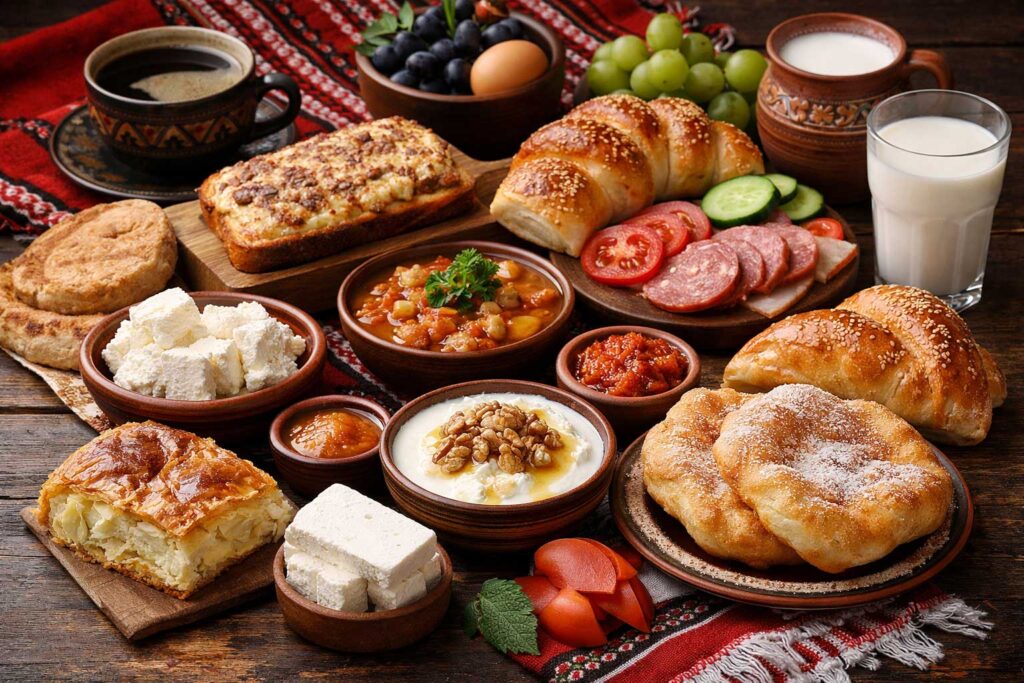
Bulgaria’s food scene is underrated—and incredible.
Avoid:
- Eating only fast food
- Sticking to “safe” dishes
- Skipping local restaurants
Must-try:
- Banitsa
- Shopska salad
- Kebapche
Pro Move:
- Eat where locals eat
- Try daily specials
Bulgarian cuisine is deeply tied to the country’s agricultural traditions and regional diversity. Many dishes are made using seasonal, locally sourced ingredients, which is why flavors often feel richer and more authentic than mass-produced alternatives.
👉 To explore traditional dishes in depth, visit Bulgarian Cuisine: Complete Food Guide, where you’ll find must-try meals and food culture insights.
Trying local food is not just about eating—it’s a cultural experience. From small family-owned restaurants to traditional taverns, food is one of the easiest ways to connect with Bulgarian culture on a deeper level.
👉 You can also discover unique regional specialties in Bulgarian Foods You Can’t Find Anywhere Else.
💡 Food is one of Bulgaria’s biggest hidden strengths.
👉 Want to bring the Bulgarian food experience home or explore it deeper? These are top-rated picks:
Experience Bulgarian Food Like a Local (Top Picks)
| Product | Why It’s Worth It | Check Price |
|---|---|---|
| Balkan Cookbook by Irina Janakievska | Authentic recipes including banitsa, kebapche, and traditional dishes. | Check Price |
| Euro Cuisine Yogurt Maker | Make authentic Bulgarian-style yogurt at home. | Check Price |
| Organic Dried Savory Herb (Bulgarian Spice) | Key ingredient in many traditional Bulgarian dishes. | Check Price |
🚫 Don’t Overpack Your Itinerary
Bulgaria looks small—but travel takes time.
Reasons:
- Mountain roads
- Slower infrastructure
- Scenic (but slow) routes
Example:
- Sofia → Veliko Tarnovo
👉 ~3–4 hours (not “quick”)
Avoid:
- Planning 3 cities in 2 days
- Underestimating drive times
Pro Move:
- Focus on fewer places
- Travel slower = better experience
One of the biggest mistakes travelers make is trying to see too much in a short time. Bulgaria rewards slow travel—spending extra time in fewer locations often leads to more meaningful and relaxed experiences.
Instead of rushing between cities, consider immersing yourself in one region at a time. Whether it’s the mountains, the coast, or historic towns, each area offers enough depth to justify a longer stay.
👉 Not sure where to go? See Top Cities in Bulgaria for the best destinations and travel ideas.
👉 “Understanding the most common mistakes in Bulgaria and what to avoid as a tourist will help you travel smarter and avoid unnecessary problems.”
👉 Many of these issues are common mistakes in Bulgaria that travelers can easily avoid with a bit of preparation.
🚫 Don’t Be Overly Demanding or Rude
Bulgarians value directness + respect.
Avoid:
- Being loud or aggressive
- Acting entitled
- Complaining excessively
What works better:
- Calm tone
- Simple politeness
- Patience
Cultural communication styles in Bulgaria tend to be more direct and less expressive than in some Western countries. What may seem like coldness is often simply neutrality—politeness is shown through respect rather than enthusiasm.
Approaching interactions with patience and a calm tone usually leads to better outcomes. Bulgarians are known for being helpful and warm once a respectful connection is established.
👉 These behaviors are part of a broader cultural mindset explained in Bulgarian Traditions Guide.
💡 Respect opens doors here—attitude closes them.
🚫 Don’t Ignore Local Prices (Avoid Overpaying)
Bulgaria is affordable—but tourists can still overpay.
Situations:
- Taxis without meters
- Tourist restaurants
- Street vendors
Avoid:
- Accepting prices without checking
- Not confirming taxi fare
Pro Move:
- Use apps or ask locals
- Check menus/prices first
While Bulgaria is affordable overall, pricing can vary depending on location and whether a place caters primarily to tourists. Restaurants in central areas or near major attractions may charge significantly higher prices than local spots.
Taking a moment to compare menus or check reviews can help you find better value. In many cases, walking just a few streets away from tourist zones leads to more authentic food at lower prices.
👉 For a deeper look at pricing and affordability, read Bulgarian Economy and Prices.
🚫 Don’t Miss the Real Bulgarian Culture
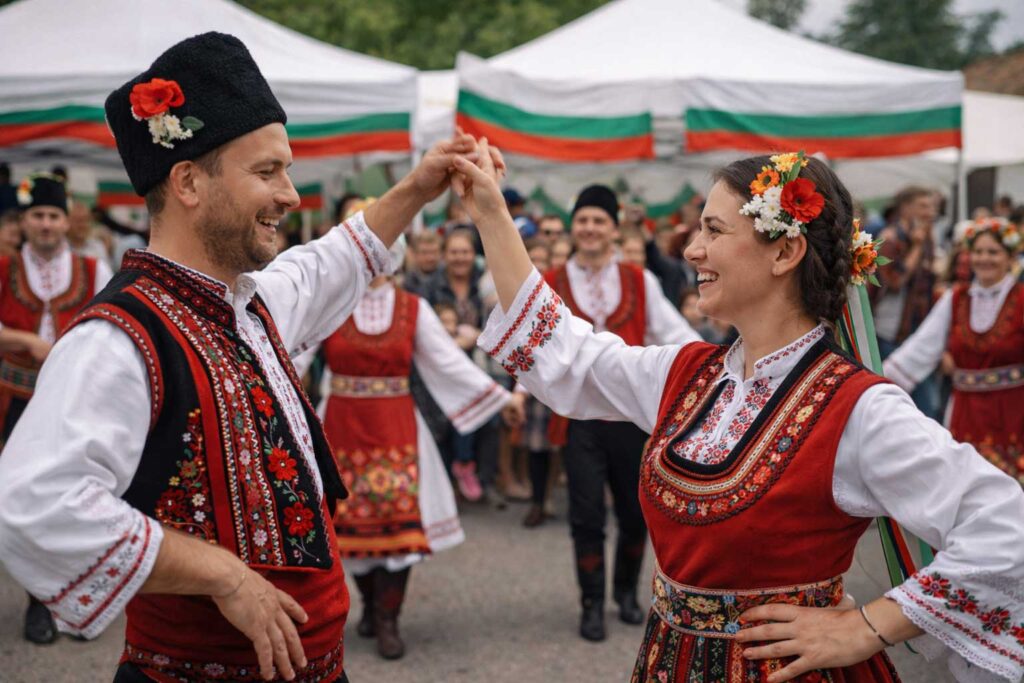
The biggest mistake isn’t safety—it’s missing the experience.
Avoid:
- Only visiting tourist spots
- Ignoring traditions
- Staying in “tourist bubbles”
👉 Bulgaria’s magic is in:
- Villages
- Festivals
- Local interactions
👉 Many of these experiences are rooted in long-standing traditions—explore them in Bulgarian Traditions and Festivals.
Pro Move:
- Talk to locals
- Explore beyond cities
- Experience traditions
Beyond the main attractions, Bulgaria’s true charm lies in its everyday life—local markets, village traditions, seasonal festivals, and spontaneous conversations. These experiences often leave a stronger impression than any landmark.
Travelers who take time to explore beyond the obvious destinations discover a richer and more personal side of the country. This is where Bulgaria transforms from a destination into a memorable experience.
👉 Bulgaria’s cultural richness is one of the reasons it stands out globally—learn more in Why Bulgaria Matters to the World.
💡 This is where Bulgaria becomes unforgettable.
👉 If you’re wondering what to avoid in Bulgaria as a tourist, these tips cover the most important cultural and practical mistakes.
Frequently Asked Questions About What NOT to Do in Bulgaria
Is Bulgaria safe for tourists?
This is one of the most common questions travelers ask when researching Bulgaria travel tips for first-time visitors.
Yes—Bulgaria is considered a safe destination overall, especially compared to many European countries. But like anywhere, avoiding common mistakes helps ensure a smooth experience. Violent crime is rare, but you should still watch for petty theft in busy areas like Sofia and coastal resorts.
👉 Stay aware, avoid flashing valuables, and you’ll be completely fine.
What is considered rude in Bulgaria?
Some behaviors that may come across as rude include:
- Being loud or overly demanding
- Disrespecting churches or traditions
- Ignoring local customs
- Acting impatient in restaurants
👉 Bulgarians value respect, calmness, and direct communication.
Why do Bulgarians nod for “no” and shake for “yes”?
This is a long-standing cultural trait with debated origins (possibly linked to Ottoman-era traditions or regional communication habits).
👉 The key takeaway:
- Nod = ❌ No
- Shake = ✅ Yes
Always confirm verbally to avoid confusion.
Can tourists drink tap water in Bulgaria?
In most urban areas like Plovdiv, tap water is generally safe. However:
- Taste and mineral content vary
- Some rural areas may not have ideal quality
👉 When in doubt, go with bottled water—it’s cheap and widely available.
Do I need to tip in Bulgaria?
Tipping is appreciated but not mandatory.
- Restaurants: ~5–10% is standard
- Cafés: small rounding up
- Taxis: optional
👉 Always check if service is already included in the bill.
Is English widely spoken in Bulgaria?
- Yes in major cities and tourist areas
- Less common among older generations
- Limited in rural regions
👉 Learning a few words like “Blagodarya” (thank you) goes a long way.
What should I avoid doing in Bulgarian public transport?
- Riding without a validated ticket
- Ignoring inspectors
- Taking up unnecessary space during busy hours
👉 Fines are strict and enforced—especially in Sofia.
Is Bulgaria expensive for tourists?
No—Bulgaria is one of the most affordable destinations in Europe.
However, avoid:
- Tourist traps
- Unmetered taxis
- Overpriced restaurants in tourist zones
👉 Smart spending = incredible value.
This guide also serves as a practical overview of Bulgaria etiquette for tourists, helping you avoid cultural misunderstandings.
👉 A few smart items can make your trip smoother, safer, and more enjoyable:
Stay Safe & Travel Smart in Bulgaria
| Product | Why You Need It | Check Price |
|---|---|---|
| Lewis N. Clark RFID Blocking Wallet | Protects your cards from digital theft. | Check Price |
| Master Lock TSA Approved Luggage Lock | Keeps your luggage secure during travel. | Check Price |
| Travel First Aid Kit | Essential for minor emergencies on the go. | Check Price |
👉 By understanding Bulgaria travel mistakes to avoid, you can enjoy a more authentic and problem-free experience.
Final Section: The One Rule That Changes Everything
If you remember just one thing about traveling in Bulgaria, make it this:
👉 Respect the culture, and the country will reward you.
Bulgaria is not a “polished tourist machine” like some Western European destinations—and that’s exactly what makes it special.
What many travelers misunderstand is actually Bulgaria’s strength:
- Authentic traditions instead of staged experiences
- Real local culture instead of mass tourism
- Affordable prices without sacrificing quality
- Warm people who value sincerity over superficial friendliness
💡 The travelers who struggle are the ones who try to force their expectations onto the country.
💡 The travelers who fall in love with Bulgaria are the ones who adapt, observe, and embrace it.
Why This Guide Matters
Understanding what NOT to do in Bulgaria is more than avoiding mistakes—it’s about:
- Respecting a unique cultural identity
- Navigating social norms confidently
- Maximizing your travel experience
- Avoiding unnecessary costs and stress
👉 This is the difference between a basic trip and a memorable one.
References
- European Commission – Tourism and Safety in Europe https://ec.europa.eu/growth/sectors/tourism_en
- World Tourism Organization – Travel Safety Guidelines https://www.unwto.org
- Bulgarian Ministry of Tourism – Official Travel Information https://www.tourism.government.bg
- Encyclopaedia Britannica – Cultural Life in Bulgaria https://www.britannica.com/place/Bulgaria/Cultural-life
- Lonely Planet – Bulgaria Travel Guide https://www.lonelyplanet.com/bulgaria
- Rough Guides – Bulgaria Travel Tips https://www.roughguides.com/bulgaria/