


Bulgarian festivals follow a rich seasonal calendar shaped by nature, history, and centuries-old traditions. Throughout the year, Bulgaria celebrates a wide variety of cultural events—from ancient pagan rituals to Orthodox Christian holidays and vibrant folklore festivals.
Unlike general cultural guides, this calendar focuses on when Bulgarian traditions happen, helping you understand the rhythm of life in Bulgaria across the seasons.
In Bulgaria, festivals are often expressed through traditions rather than large public events. This means that many celebrations in the festival calendar take place in homes, villages, and communities, blending rituals, customs, and seasonal practices.
Understanding Bulgarian Festivals
In Bulgaria, many festivals are not large public events but are instead celebrated through traditional rituals, family customs, and community practices tied to specific dates in the calendar.
Bulgarian festivals are celebrated throughout the year and are closely tied to seasonal changes, religious holidays, and long-standing cultural practices. Each festival reflects a specific moment in the annual cycle—whether it’s the arrival of spring, the harvest season, or winter renewal.
Rather than focusing on detailed meanings or origins, this guide highlights when these festivals take place and how they are celebrated across the seasons.
👉 To explore how traditional foods are connected to festivals and seasonal celebrations, see Bulgarian Cuisine: Complete Food Guide, where you’ll find authentic recipes and cultural insights.
👉 For a deeper look at rare and disappearing rituals that are no longer widely practiced today, explore Forgotten Bulgarian Traditions That Still Exist.
What Are Bulgarian Festivals and Traditions?
Bulgarian festivals are seasonal celebrations that combine religious holidays, folk rituals, and cultural traditions, taking place throughout the year and reflecting Bulgaria’s historical and natural rhythms.
Bulgarian festivals are rooted in a mix of ancient rituals, religious holidays, and seasonal celebrations that take place throughout the year. These events mark important moments in the annual cycle—such as the arrival of spring, the harvest season, or the transition into winter—and are often celebrated through community gatherings, symbolic rituals, and traditional foods.
Unlike general cultural practices, festivals in Bulgaria are tied to specific dates and seasons, making them an essential part of the country’s yearly rhythm. Many of these celebrations are still actively observed today, both in cities and rural areas, preserving a strong connection between past traditions and modern life.
👉 For a complete explanation of the meanings, symbolism, and historical origins behind these festivals, see Bulgarian Traditions Guide.
What Is the Bulgarian Festival Calendar?
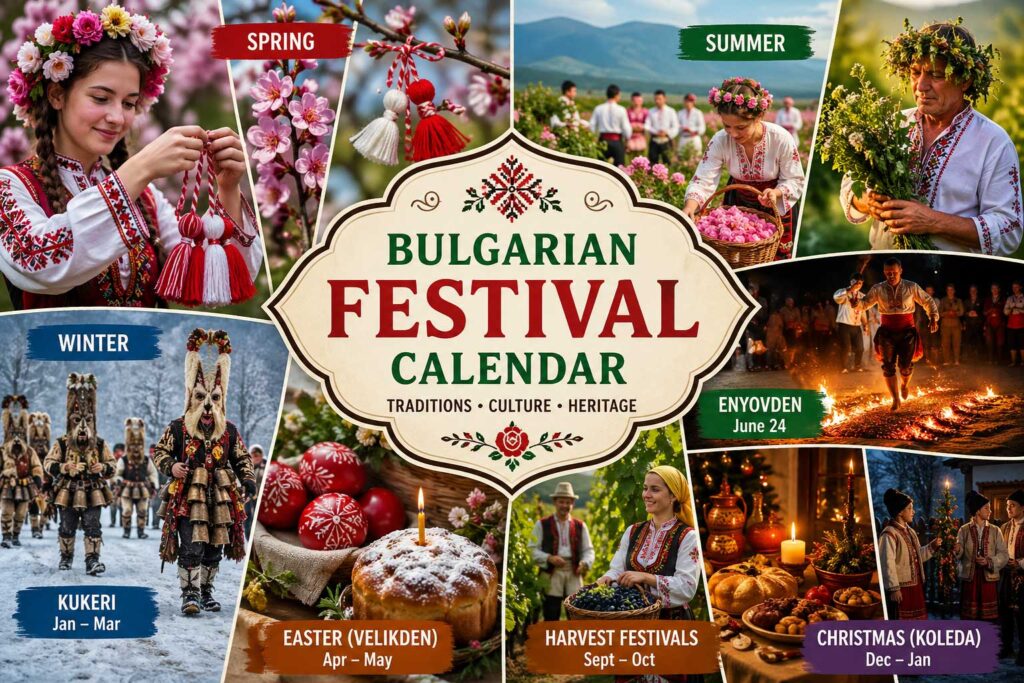
The Bulgarian festival calendar is organized around natural cycles, historical influences, and religious observances. Rather than being random events, festivals follow a structured yearly rhythm that reflects how people traditionally lived in harmony with nature and seasonal changes.
The calendar is shaped by:
- Seasonal changes (spring, summer, autumn, winter)
- Agricultural cycles (planting, growth, harvest)
- Religious holidays (Orthodox Christianity)
- Folk rituals and community celebrations
Each period of the year carries its own set of traditions, often focused on themes such as renewal, protection, health, and abundance. For example, spring festivals emphasize new beginnings, while winter rituals focus on protection and preparing for the year ahead.
👉 This seasonal structure helps explain why Bulgarian festivals are still closely connected to everyday life and cultural identity.
Spring Festivals in Bulgaria (March – May)
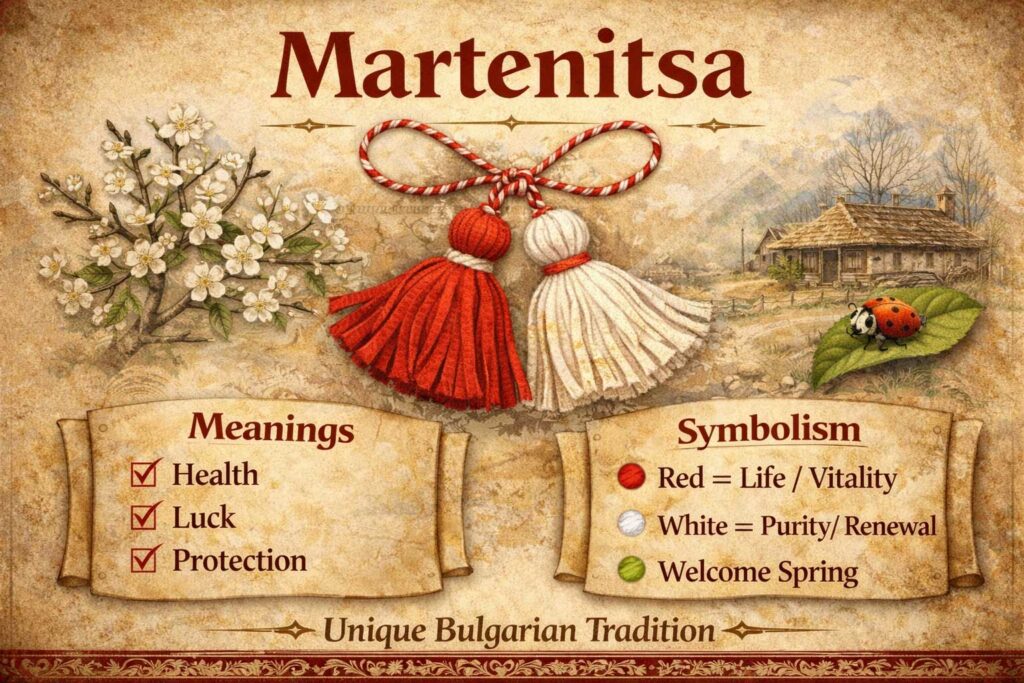
Spring is the most symbolic season in Bulgarian culture, representing renewal, health, and new beginnings.
Spring in Bulgaria is more than just a seasonal change—it is a symbolic rebirth deeply embedded in cultural traditions. Many spring festivals are focused on health, renewal, fertility, and the awakening of nature after winter. These traditions often involve rituals connected to plants, colors, and community gatherings, reflecting a strong link between people and the natural world.
In villages and towns across Bulgaria, spring celebrations are still actively practiced, especially traditions like Baba Marta and Lazaruvane. These rituals are not only festive—they carry centuries-old meanings tied to protection, prosperity, and the cycle of life.
Baba Marta (March 1)
- Marks the arrival of spring
- People exchange red and white bracelets (Martenitsa)
- Worn until seeing a stork or blooming tree
👉 Symbolizes health, balance, and new life
To see how traditions like Baba Marta are practiced in everyday life across Bulgaria, explore Bulgarian Traditions and Customs Explained.
Lazaruvane (Spring Festival Tradition)
- Performed by young girls (lazarki)
- Singing and blessing homes
- Connected to fertility and social traditions
Today mostly seen in folklore festivals
Easter (Velikden)
- Celebrated between April–May
- Red egg traditions
- Midnight church ceremonies
- Large family gatherings
One of the most important Bulgarian religious festivals.
👉 To explore traditional Bulgarian foods prepared during Easter and other celebrations, visit Bulgarian Cuisine: Complete Food Guide.
- Celebrates herbal medicine and nature
- Herbs collected at sunrise are believed to be strongest
- Rituals for health and protection
Connected to ancient healing traditions.
Affiliate Disclosure: Some links on this page are affiliate links, which means we may earn a small commission at no extra cost to you if you make a purchase. These commissions help support our work in creating high-quality, in-depth cultural guides like this one. We only recommend products and services that are relevant, useful, and aligned with Bulgarian traditions and travel experiences.
Bulgarian Food & Festival Cooking Tools
👉 Food plays a central role in Bulgarian festivals. These tools and ingredients help you recreate traditional dishes and experience authentic flavors at home.
| Product | Best For | Why It’s Useful | Rating | Check Price |
|---|---|---|---|---|
| Banitsa Baking Pan | Easter / holidays | Useful for traditional Bulgarian pastries | ⭐⭐⭐⭐⭐ | 👉 Check Price |
| Yogurt Maker | Bulgarian yogurt | Helps make homemade probiotic yogurt | ⭐⭐⭐⭐⭐ | 👉 Check Price |
| Bulgarian Yogurt Starter Culture | Authentic flavor | Supports traditional yogurt preparation | ⭐⭐⭐⭐⭐ | 👉 Check Price |
| Clay Pot / Gyuvetch Dish | Traditional meals | Great for slow-cooked Balkan dishes | ⭐⭐⭐⭐☆ | 👉 Check Price |
| Wooden Rolling Pin | Pastries | Useful for banitsa, pita, and festival breads | ⭐⭐⭐⭐☆ | 👉 Check Price |
Cultural Experience Items
👉 Want to experience Bulgarian traditions beyond travel? These cultural items let you participate in seasonal rituals and bring authentic Bulgarian heritage into your everyday life.
| Product | Best For | Why It’s Useful | Rating | Check Price |
|---|---|---|---|---|
| Martenitsa Bracelet Set | Baba Marta | Red-and-white bracelets for March 1 traditions | ⭐⭐⭐⭐⭐ | 👉 Check Price |
| Bulgarian Folk Pattern Jewelry | Cultural gifts | Inspired by traditional embroidery and symbols | ⭐⭐⭐⭐☆ | 👉 Check Price |
| Traditional Embroidery Kit | Crafts | Recreates folk patterns and cultural designs | ⭐⭐⭐⭐☆ | 👉 Check Price |
| Bulgarian Rose Oil | Cultural gift | Iconic Bulgarian product tied to heritage | ⭐⭐⭐⭐⭐ | 👉 Check Price |
Summer Festivals in Bulgaria (June – August)
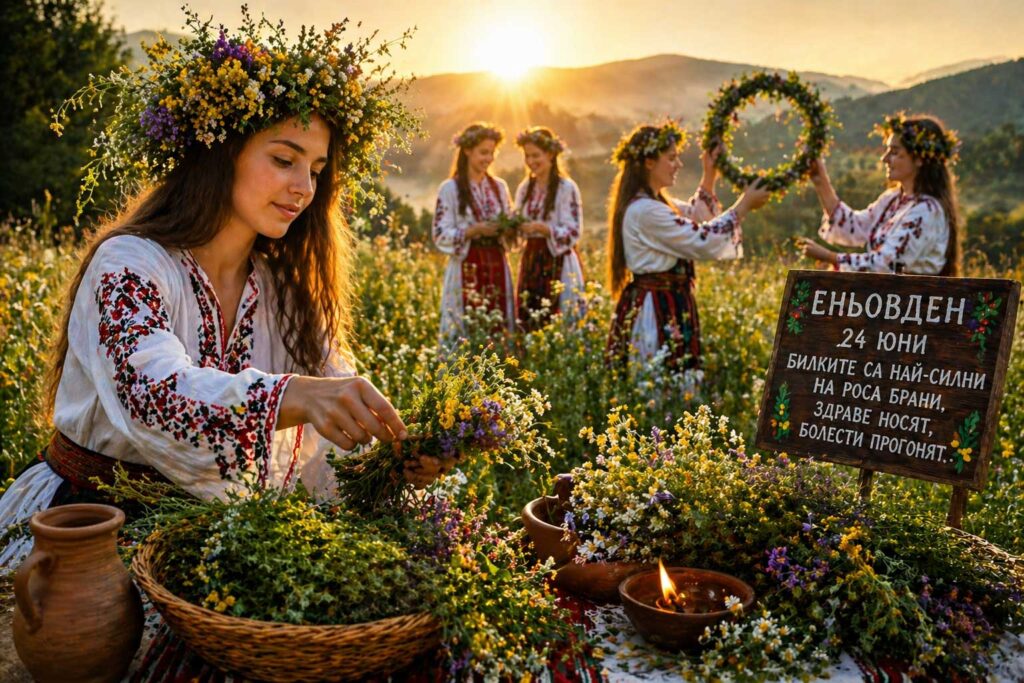
Summer traditions are closely tied to nature, healing, and outdoor celebrations.
Summer festivals in Bulgaria are strongly connected to nature, energy, and healing traditions. This is the time when the natural world is believed to be at its most powerful, which is why many rituals involve herbs, fire, and outdoor ceremonies. These festivals often take place in open spaces—fields, mountains, and villages—bringing communities together in celebration.
Events like Enyovden and Nestinarstvo highlight Bulgaria’s deep connection to ancient beliefs, where fire and plants are seen as sources of protection and spiritual strength. Even today, these festivals attract both locals and visitors who want to experience authentic cultural traditions in a natural setting.
Enyovden (Summer Festival Tradition – June 24)
- Celebrates herbal medicine and nature
- Herbs collected at sunrise are believed to be strongest
- Rituals for health and protection
👉 Connected to ancient healing traditions
Herbal / Enyovden Products
👉 Inspired by ancient Bulgarian healing traditions, these herbal products connect you with rituals that celebrate nature, wellness, and seasonal energy.
| Product | Best For | Why It’s Useful | Rating | Check Price |
|---|---|---|---|---|
| Herbal Tea Sampler Set | Enyovden theme | Connects with Bulgaria’s herb-gathering traditions | ⭐⭐⭐⭐⭐ | 👉 Check Price |
| Herb Drying Rack | DIY herbs | Useful for drying herbs at home naturally | ⭐⭐⭐⭐⭐ | 👉 Check Price |
| Lavender Essential Oil | Wellness | Inspired by Bulgaria’s lavender-growing regions | ⭐⭐⭐⭐⭐ | 👉 Check Price |
| Rose Essential Oil | Bulgarian heritage | Connects to Bulgaria’s rose oil tradition | ⭐⭐⭐⭐⭐ | 👉 Check Price |
Nestinarstvo (Fire Dancing Festival)
- Performed in Strandzha region
- Dancing barefoot on embers
- Accompanied by music and ritual movement
One of Bulgaria’s most unique cultural festivals
👉 For a deeper look at rare rituals like fire dancing and their cultural significance, see Forgotten Bulgarian Traditions That Still Exist.
Autumn Festivals in Bulgaria (September – November)
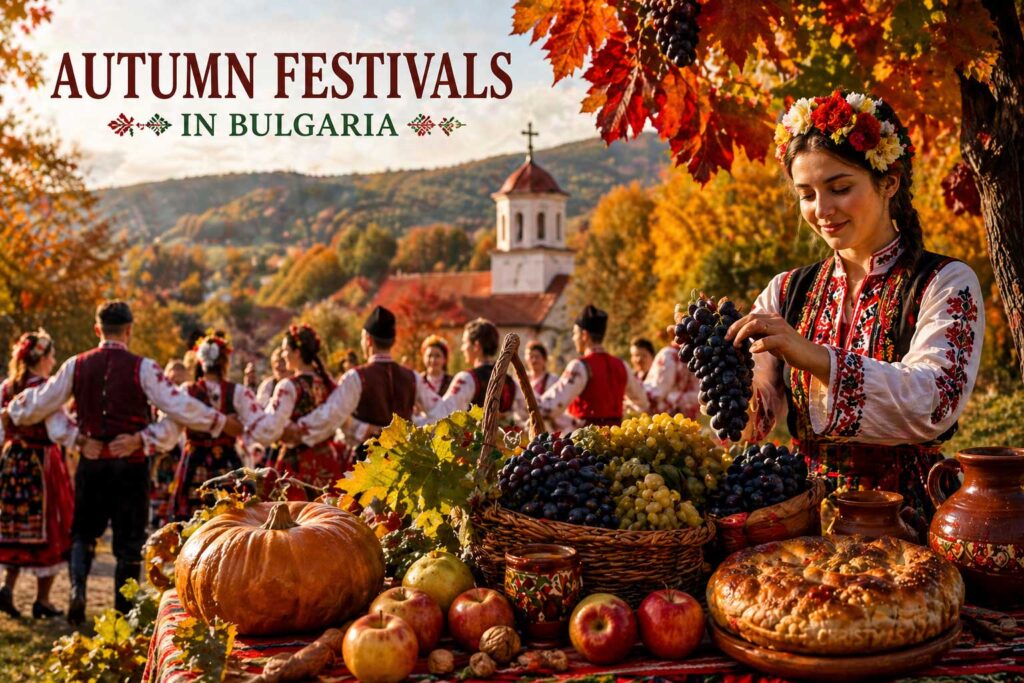
Autumn focuses on harvest, gratitude, and preparation for winter.
Autumn in Bulgaria is a season of gratitude, abundance, and preparation. Festivals during this time are centered around the harvest, particularly grapes, wine, and preserved foods. These traditions reflect the importance of agriculture in Bulgarian culture, where seasonal cycles determine both lifestyle and celebration.
Many autumn festivals are community-driven, involving shared meals, traditional music, and local products. They provide a unique opportunity to experience Bulgaria’s regional diversity, as each area celebrates the harvest in its own way.
Grape Harvest & Wine Festivals
- Celebrated across wine regions
- Includes grape picking, wine tasting
- Community celebrations
Reflects Bulgaria’s long winemaking tradition
Harvest Traditions
- Food preservation (pickling, drying)
- Shared meals and gatherings
- Preparation for winter
Strong connection to agriculture and sustainability
👉 To explore traditional dishes connected to harvest festivals and seasonal celebrations, visit Bulgarian Cuisine: Complete Food Guide.
Winter Festivals in Bulgaria (December – February)
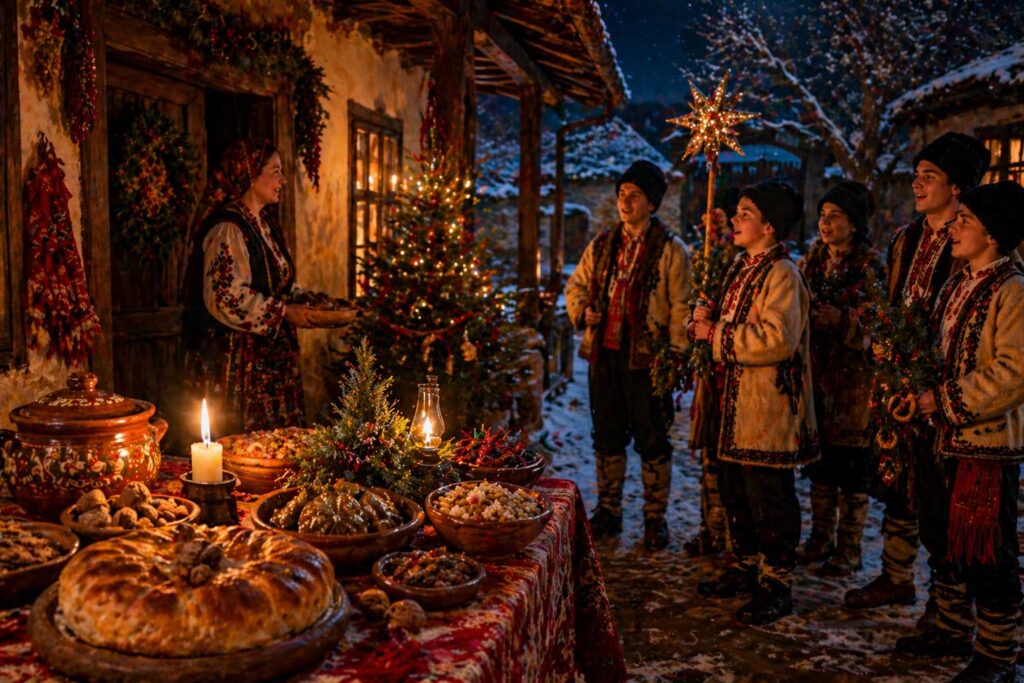
Winter traditions are the most ritual-rich, centered on protection, renewal, and community.
Winter is one of the most powerful and symbolic periods in the Bulgarian festival calendar. Traditions during this season are focused on protection, spiritual cleansing, and preparing for a new cycle. Many rituals are designed to drive away negative energy and ensure health and prosperity in the coming year.
Festivals like Christmas, Survakari, and Kukeri combine ancient beliefs with strong community participation. The dramatic costumes, rituals, and gatherings create some of the most visually striking and culturally rich events in Bulgaria.
Christmas (Koleda & Badni Vecher)
- Celebrated December 24–25
- Meat-free Christmas Eve meal
- Odd number of dishes
- Caroling traditions (Koledari)
👉 Focus on family, symbolism, and tradition
Public Festivals & Cultural Events in Bulgaria
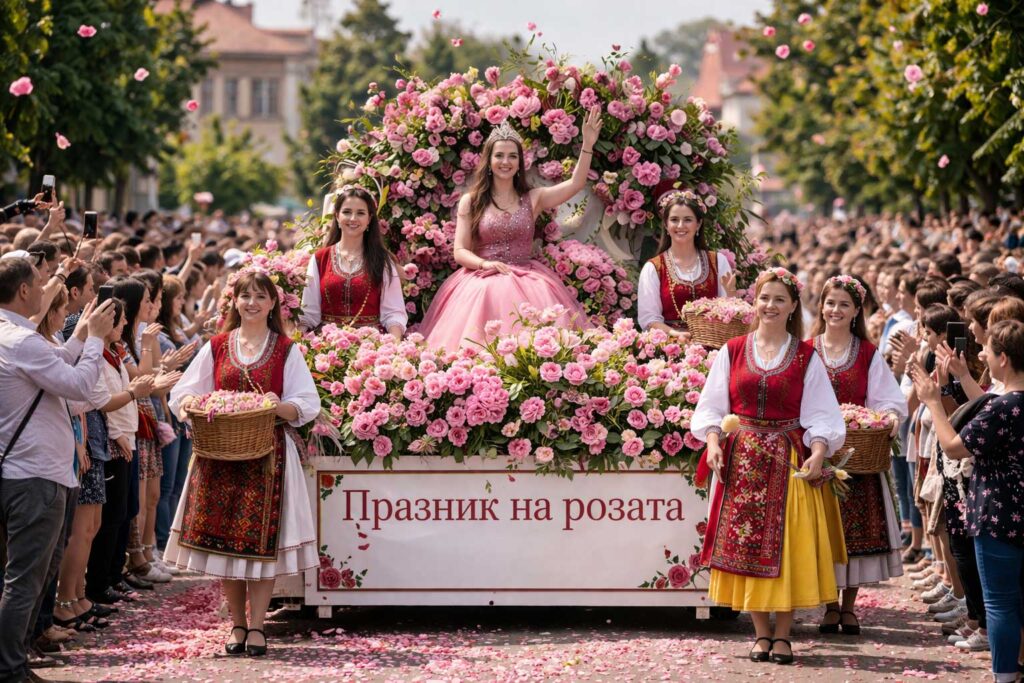
While many Bulgarian celebrations are expressed through traditions and rituals, the country also hosts a variety of public festivals and cultural events that attract visitors from around the world. These festivals are typically organized on a larger scale and highlight Bulgaria’s heritage, music, food, and regional identity.
Rose Festival (Kazanlak)
The Rose Festival in Kazanlak is one of the most famous cultural events in Bulgaria, held every year in early June in the heart of the Rose Valley.
- Celebrates Bulgaria’s world-famous rose oil production
- Includes traditional rose-picking rituals
- Features parades, music, and cultural performances
👉 This festival combines tradition with tourism, making it one of the most popular events for visitors.
👉 To learn more about Bulgaria’s world-famous rose oil production and its cultural significance, explore Bulgarian Rose Oil: Complete Guide.
Surva Festival (Pernik – Kukeri)
The Surva Festival in Pernik is the largest Kukeri event in Bulgaria and one of the biggest masked festivals in Europe.
- Held annually in January
- Features thousands of participants in elaborate costumes
- Includes international folklore groups
👉 It transforms an ancient ritual into a major public festival with global recognition.
Wine Festivals in Bulgaria
Bulgaria has a long tradition of winemaking, and wine festivals are held throughout the country, especially in autumn.
- Grape harvesting celebrations
- Wine tastings and local food
- Regional festivals in wine-producing areas
These festivals highlight Bulgaria’s agricultural heritage and are perfect for cultural and culinary tourism.
👉 For a deeper look into traditional Bulgarian drinks, winemaking culture, and local specialties, see Bulgarian Drinks You Must Try.
Regional Folk Festivals
Across Bulgaria, many regions host folk festivals that celebrate local traditions, music, and dance.
- Traditional horo dancing
- Live folk music performances
- Regional costumes and crafts
These events offer an authentic way to experience Bulgaria’s cultural diversity.
👉 To explore traditional music, dance, and regional customs in more detail, see Bulgarian Folk Traditions and Dance.
Why These Festivals Matter
Modern and public festivals complement traditional celebrations by:
- Making Bulgarian culture accessible to visitors
- Supporting local communities and tourism
- Preserving traditions through organized events
- Showcasing Bulgaria on an international level
👉 To understand how these traditions shape modern Bulgarian identity, explore Why Bulgaria’s Culture Is So Unique.
Kukeri Festival (January – March)
- Masked dancers with bells
- Loud ritual performances
- Symbolically chase away evil spirits
👉 One of the most famous Bulgarian festivals
👉 For a full explanation of the symbolism behind Kukeri rituals and other Bulgarian traditions, see Bulgarian Traditions Guide.
Folk / Kukeri Cultural Decor
👉 Bulgarian festivals are rich in symbolism and visual tradition. These items bring iconic elements like Kukeri masks and folk art into your home as meaningful cultural pieces.
| Product | Best For | Why It’s Useful | Rating | Check Price |
|---|---|---|---|---|
| Kukeri Mask Replica | Cultural decor | Represents one of Bulgaria’s most iconic rituals | ⭐⭐⭐⭐⭐ | 👉 Check Price |
| Folk Art Wall Decor | Home decor | Adds traditional Bulgarian visual style | ⭐⭐⭐⭐☆ | 👉 Check Price |
| Bulgarian Folk Music Collection | Atmosphere | Helps experience festival sounds at home | ⭐⭐⭐⭐☆ | 👉 Check Price |
| Traditional Bell Decor | Kukeri theme | Inspired by bells used in ritual performances | ⭐⭐⭐⭐☆ | 👉 Check Price |
Survakari (New Year Tradition)
- Children visit homes with decorated sticks
- Offer blessings for the new year
- Receive sweets and small gifts
👉 Symbolizes prosperity and renewal
Best Time to Experience Bulgarian Festivals
| Season | Best Festivals | Why Visit |
|---|---|---|
| Spring | Baba Marta, Easter | Cultural renewal & symbolism |
| Summer | Enyovden, Nestinarstvo | Nature & unique rituals |
| Autumn | Wine festivals | Food & harvest traditions |
| Winter | Christmas, Kukeri | Most powerful rituals |
👉 To plan your trip around major festivals and seasonal highlights, see Best Time to Visit Bulgaria.
Experience Bulgarian Traditions Yourself
Bulgarian festivals are not just something you read about—they are meant to be experienced. Whether you’re planning a trip, exploring the culture, or bringing traditions into your home, there are many ways to connect with this unique heritage.
Festival Travel Essentials
👉 Planning to experience Bulgarian festivals in person? These essential travel items will help you stay comfortable, prepared, and fully enjoy long festival days and crowded cultural events.
| Product | Best For | Why It’s Useful | Rating | Check Price |
|---|---|---|---|---|
| Lonely Planet Bulgaria Travel Guide | Trip planning | Helps plan routes, festivals, and cultural stops | ⭐⭐⭐⭐⭐ | 👉 Check Price |
| European Travel Adapter Type C/F | Travel essential | Needed for charging devices in Bulgaria | ⭐⭐⭐⭐⭐ | 👉 Check Price |
| Anti-Theft Travel Backpack | Festivals | Useful for crowded events like Kukeri and Surva | ⭐⭐⭐⭐⭐ | 👉 Check Price |
| Portable Charger Power Bank | Long festival days | Keeps phone/camera charged while traveling | ⭐⭐⭐⭐☆ | 👉 Check Price |
| Comfortable Walking Shoes | City + village festivals | Helpful for cobblestone streets and outdoor events | ⭐⭐⭐⭐☆ | 👉 Check Price |
Cultural Role of Festivals in Bulgaria
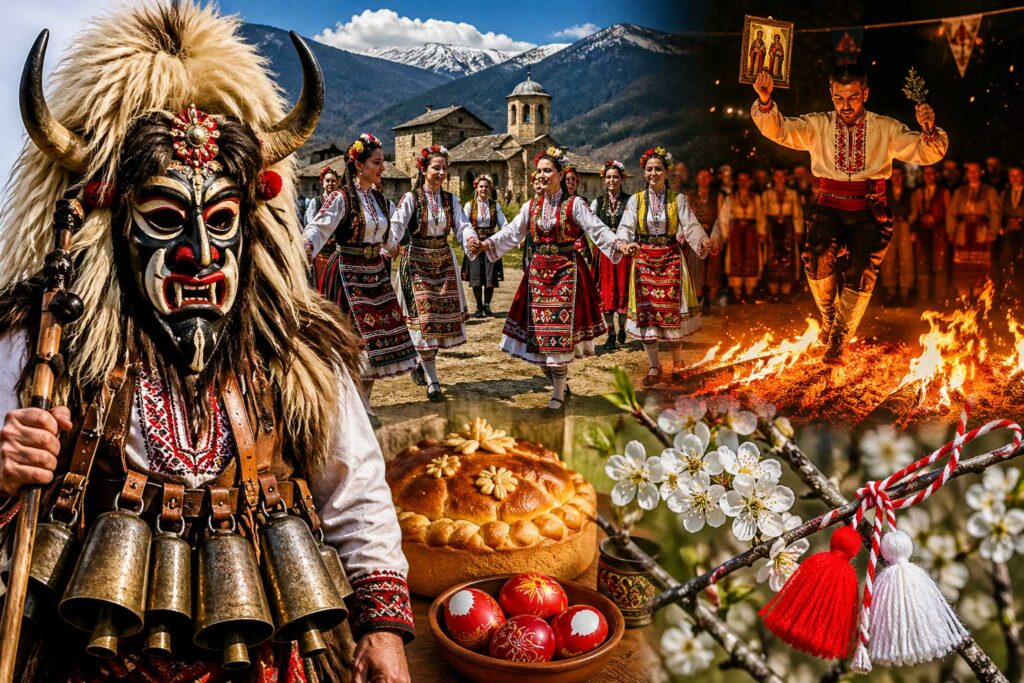
Bulgarian festivals are not just celebrations—they are a reflection of cultural identity and continuity. These events bring together history, religion, and everyday life, creating a living connection between past and present. In many parts of the country, festivals remain one of the strongest ways traditions are preserved and passed down through generations.
Unlike modern holidays that are often commercialized, Bulgarian festivals still maintain their authentic character. They are deeply rooted in community values, family participation, and respect for nature. This makes Bulgaria one of the few places in Europe where traditional festivals continue to play an active role in daily life.
👉 To understand why these traditions remain strong in modern society, explore Why Bulgaria’s Culture Is So Unique.
Cultural Experience Items
| Product | Best For | Why It’s Useful | Rating | Check Price |
|---|---|---|---|---|
| Martenitsa Bracelet | Spring | Participate in tradition | ⭐⭐⭐⭐⭐ | 👉 Check Price |
| Folk Music Collection | Culture | Experience Bulgarian sound | ⭐⭐⭐⭐☆ | 👉 Check Price |
| Herbal Tea Set | Enyovden | Inspired by traditions | ⭐⭐⭐⭐⭐ | 👉 Check Price |
| Kukeri Mask Replica | Decor | Cultural symbol | ⭐⭐⭐⭐⭐ | 👉 Check Price |
Why the Bulgarian Festival Calendar Matters
The Bulgarian festival calendar reflects a deep connection between people, nature, and cultural identity. Unlike modern holiday systems that are often fixed and commercialized, Bulgaria’s festivals follow the natural rhythm of the year—marking seasonal transitions, agricultural cycles, and important moments in community life.
These celebrations are not isolated events; they are part of a continuous cultural system that has been preserved for centuries. From spring rituals of renewal to winter traditions of protection, each festival plays a role in maintaining balance between tradition, environment, and social life.
The Bulgarian festival calendar reflects:
- The cycle of nature
- Cultural continuity
- Community traditions
- Historical identity
What makes this system truly unique is that it is still actively practiced today. In many parts of Bulgaria, festivals are not just symbolic—they are lived experiences that bring together families, communities, and generations.
👉 This is why Bulgarian festivals are not just celebrations, but a living expression of cultural heritage that continues to shape modern life.
Bulgarian Culture Books
👉 Want to go deeper into Bulgarian culture and traditions? These expert-recommended books provide valuable insights into the history, meaning, and evolution of Bulgarian festivals.
| Book | Best For | Why It’s Valuable | Rating | Check Price |
|---|---|---|---|---|
| Bulgarian Folklore and Traditions Book | Culture | Explains rituals, beliefs, and customs | ⭐⭐⭐⭐⭐ | 👉 Check Price |
| The Bulgarians: From Pagan Times to the Ottoman Conquest | History | Gives deeper historical background | ⭐⭐⭐⭐⭐ | 👉 Check Price |
| Balkan History / Culture Guide | Regional context | Helps explain Bulgaria within the Balkans | ⭐⭐⭐⭐☆ | 👉 Check Price |
| Bulgaria Travel & Culture Guide | Visitors | Combines history, travel, and festival planning | ⭐⭐⭐⭐☆ | 👉 Check Price |
Bulgarian Festival & Tradition Facts
- Bulgaria has over 130 officially recognized cultural festivals held throughout the year
- Several traditions are recognized by UNESCO as Intangible Cultural Heritage
- Traditions like Kukeri and Nestinarstvo date back over 2,000 years
- More than 60% of Bulgarians still actively participate in traditional celebrations
- Seasonal rituals remain strongest in rural regions and small towns
- Festivals play a major role in cultural tourism and national identity
👉 These facts highlight why Bulgaria is considered one of the best-preserved cultural regions in Europe.
FAQ About Bulgarian Festivals
What is the most important Bulgarian festival?
The most important festivals in Bulgaria are Easter (Velikden) and Christmas (Koleda), which are the main religious holidays. Among cultural festivals, the Kukeri festival is one of the most iconic due to its dramatic masks, rituals, and symbolic meaning.
When is the Kukeri festival held?
The Kukeri festival takes place between January and March, with the largest event being the Surva Festival in Pernik. These winter celebrations are designed to symbolically drive away evil spirits and welcome the new year.
What is Baba Marta?
Baba Marta is a traditional spring festival celebrated on March 1. It marks the arrival of spring and is associated with health, renewal, and good luck. People exchange red and white bracelets called Martenitsa, which are worn until the first signs of spring appear.
What is the best time to visit Bulgaria for festivals?
The best time to visit Bulgaria for festivals is during spring and winter. Spring offers traditions like Baba Marta and Easter, while winter features powerful rituals such as Christmas celebrations and Kukeri festivals.
What are Bulgarian festivals based on?
Bulgarian festivals are based on a combination of seasonal changes, agricultural cycles, Orthodox Christian holidays, and ancient folk traditions. This mix creates a unique cultural calendar that reflects both nature and history.
Are Bulgarian festivals still celebrated today?
Yes, Bulgarian festivals are still widely celebrated today in both cities and rural areas. Many traditions have been preserved for centuries and continue to be an important part of everyday life and cultural identity.
Conclusion
The Bulgarian festival calendar offers a unique window into a culture where traditions are still closely tied to the seasons. From spring rituals of renewal to winter ceremonies of protection, each festival reflects centuries of history, belief, and community life.
Understanding when these festivals take place allows you to experience Bulgaria not just as a destination—but as a living cultural system shaped by time, nature, and tradition.
Beyond the celebrations themselves, these festivals reveal a deeper connection between people, nature, and cultural identity—something that has been preserved in Bulgaria for generations.
Explore More Bulgarian Traditions
Bulgarian festivals are just one part of a much deeper cultural system. To fully understand their meaning, explore these related guides:
Want to dive deeper into Bulgaria’s culture, customs, and seasonal rituals? Explore these detailed guides:
- Bulgarian Traditions Guide – Complete explanation of meanings, symbolism, and origins of Bulgarian traditions
- Bulgarian Traditions and Customs Explained – How traditions are practiced in everyday life
- Forgotten Bulgarian Traditions That Still Exist – Rare and disappearing rituals across Bulgaria
- Bulgarian Cuisine: Complete Food Guide – Traditional foods connected to festivals and celebrations
- Best Time to Visit Bulgaria – When to experience the most important festivals and events
❤️ Support Bulgaropedia
If you enjoy these in-depth cultural guides, consider supporting the project.
Your support helps preserve and share Bulgarian history, traditions, and knowledge with the world.
References
- UNESCO – Intangible Cultural Heritage (Nestinarstvo & Surova Festival)
https://ich.unesco.org/en/RL/nestinarstvo-messages-from-the-past-panagyr-of-saints-constantine-and-helena-in-the-village-of-balgari-00191 - UNESCO – Cultural Practices Associated with 1st of March (Martenitsa)
https://ich.unesco.org/en/RL/cultural-practices-associated-to-the-1st-of-march-01287 - Encyclopaedia Britannica – Bulgaria: Cultural Life
https://www.britannica.com/place/Bulgaria/Cultural-life - Encyclopaedia Britannica – Bulgaria: Government and Society
https://www.britannica.com/place/Bulgaria/Government-and-society - Bulgarian Academy of Sciences – Bulgarian Folklore and Traditions Research
https://www.bas.bg - National Geographic – Balkan Traditions and Culture
https://www.nationalgeographic.com