


Why Bulgarian culture is one of Europe’s oldest is a question rooted in history, tradition, and cultural continuity. Unlike many civilizations that disappeared or were replaced, Bulgaria preserved its identity across thousands of years—from the ancient Thracians to modern society.
Why Bulgarian culture is one of Europe’s oldest is not simply about age—it is about continuity without interruption.
Many civilizations across Europe rose, declined, and were replaced. Bulgaria is different.
👉 It represents a living cultural timeline, where ancient traditions still exist in everyday life.
From prehistoric rituals to modern celebrations, Bulgarian culture has:
- Survived invasions and empires
- Preserved identity through language and religion
- Passed traditions directly from generation to generation
Unlike many European cultures that experienced complete cultural resets, Bulgaria maintained a continuous identity for over 1,300 years as a state—and thousands of years culturally.
This continuity is what makes Bulgaria not only one of the oldest cultures in Europe, but also one of the most preserved and authentic.
👉 Explore the full history of Bulgaria from ancient times to today.
Ancient Origins: Thracian Civilization and Prehistoric Roots
Long before modern Europe took shape, the lands of present-day Bulgaria were home to the Thracians—one of the oldest known civilizations in Europe.
Who Were the Thracians?
The Thracians inhabited the Balkan region for thousands of years and developed a complex and highly symbolic society. They are especially known for:
- Exceptional gold craftsmanship and metalworking
- Rich mythology connected to nature, the afterlife, and immortality
- Advanced burial rituals and monumental tomb architecture
The famous Thracian gold treasures—such as the Panagyurishte and Varna finds—are among the oldest processed gold artifacts in the world, predating many well-known European civilizations.
👉 Their culture was deeply spiritual, often centered around beliefs in eternal life and the sacred connection between humans and nature.
Cultural Influence That Still Exists
Even today, elements of Thracian culture continue to shape Bulgarian identity:
- Folk rituals rooted in ancient pagan traditions
- Symbolic embroidery patterns carrying protective meanings
- Seasonal celebrations tied to agricultural and natural cycles
Many of these traditions survived through adaptation, blending with later Slavic and Christian influences while retaining their original essence.
👉 This deep-rooted continuity is one of the strongest reasons why Bulgarian culture is one of Europe’s oldest—it begins long before recorded European history and still lives on today.
The legacy of the Thracians plays a crucial role in explaining why Bulgarian culture is one of Europe’s oldest, forming the foundation of traditions that continue into modern times.
👉 Discover the origins in ancient Thracian civilization and culture in Bulgaria.
The Foundation of a Nation: The First Bulgarian Empire
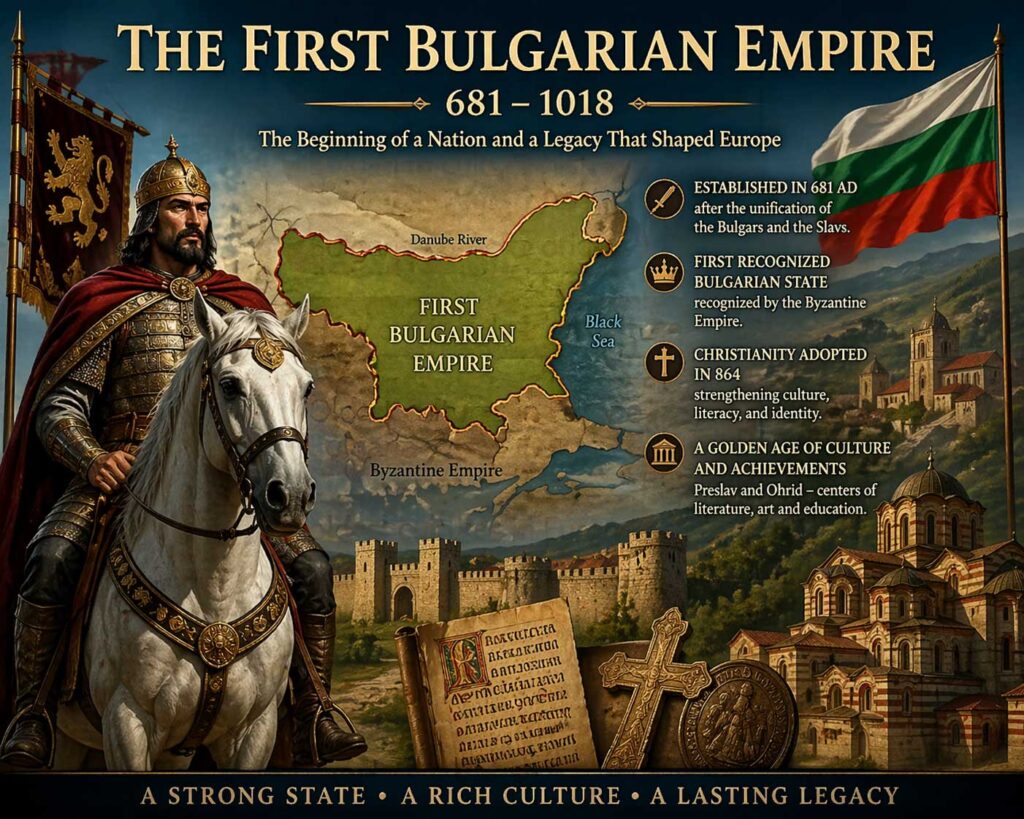
The formation of the First Bulgarian Empire marks a crucial turning point in European history and a key reason why Bulgarian culture is one of Europe’s oldest.
Why 681 AD Matters
- Bulgaria became one of the first officially recognized states in Europe
- It established a long-lasting political and cultural identity
- It created a foundation that continues to define the nation today
Unlike many regions that experienced repeated cultural resets, Bulgaria developed a stable and continuous identity that endured through centuries of change.
👉 This early statehood is rare in Europe and plays a major role in Bulgaria’s deep historical roots.
A Culture Built on Continuity
The early Bulgarian state was not built from a single culture—but from a powerful fusion of traditions:
- Proto-Bulgar heritage (state-building and governance)
- Slavic cultural elements (language and population base)
- Thracian influence (local traditions and continuity)
This blending did not erase previous cultures—it integrated them into a unified identity.
👉 The result was a unique and enduring civilization, not a replacement culture but a continuation—one that still defines Bulgaria today.
The creation of the First Bulgarian Empire is a key reason why Bulgarian culture is one of Europe’s oldest, as it established a continuous national identity that has survived for over 1,300 years.
👉 See how it began in the early history of the First Bulgarian Empire and its rise.
The Birth of Literacy: The Cyrillic Alphabet
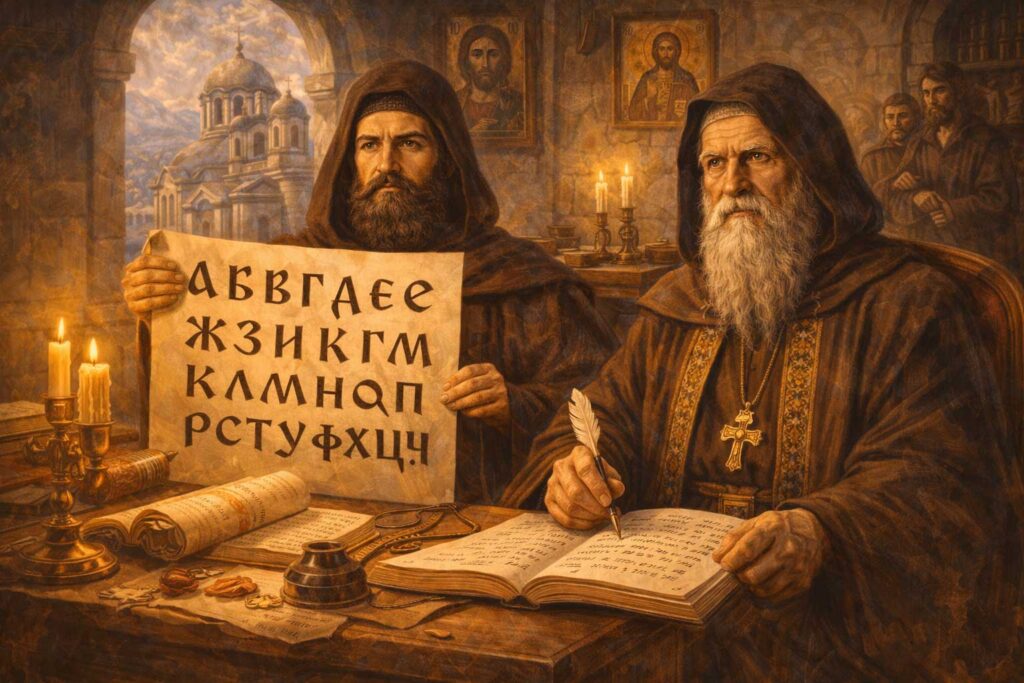
Few cultures in Europe have influenced the world as profoundly as Bulgaria did with the development and spread of the Cyrillic Alphabet.
Origins and Impact
The foundations of Slavic literacy were laid by Saint Cyril and Saint Methodius, who created the Glagolitic script. Their students later developed the Cyrillic alphabet in the cultural centers of the First Bulgarian Empire—particularly the Preslav and Ohrid literary schools.
From Bulgaria, this writing system spread across Eastern Europe and became a cornerstone of Slavic civilization.
The Cyrillic alphabet:
- Enabled literacy in Slavic languages
- Preserved religious, cultural, and historical texts
- Strengthened identity and education across regions
Today, it is used by over 250 million people worldwide, making it one of the most influential writing systems in history.
👉 This is not just cultural preservation—it is civilizational influence.
Why It Matters for Bulgarian Culture
The creation and spread of Cyrillic is a key reason why Bulgarian culture is one of Europe’s oldest and most influential.
It ensured that:
- Language remained unified and preserved
- Knowledge could be recorded and passed down
- Cultural identity survived through written tradition
👉 Few nations can claim to have shaped the way entire civilizations communicate.
The development of the Cyrillic alphabet is one of the strongest reasons why Bulgarian culture is one of Europe’s oldest, as it created a lasting intellectual and cultural legacy still used today.
👉 Learn how it spread in the history and influence of the Cyrillic alphabet in Bulgaria.
The Bulgarian National Revival: Reawakening Identity
The Bulgarian National Revival (18th–19th century) was a decisive turning point when cultural identity was actively restored, strengthened, and redefined—laying the foundation for modern Bulgaria.
Key Developments
- Establishment of schools and cultural institutions
- Revival of Bulgarian literature and language
- Growth of national consciousness and identity
This movement was driven by influential figures such as Paisius of Hilendar, whose work Slavic-Bulgarian History awakened national pride, and revolutionaries like Vasil Levski, who fought for independence and unity.
A Cultural Rebirth
During this period:
- Education became widely accessible in Bulgarian
- Literature and printing flourished
- Churches and communities reinforced national identity
The Revival was not just about resistance—it was about cultural awakening and self-awareness.
👉 It ensured that Bulgarian culture was not only preserved—but reborn stronger, more unified, and future-focused.
The Bulgarian National Revival is a key reason why Bulgarian culture is one of Europe’s oldest, as it revived and strengthened traditions that had survived for centuries.
👉 Read about key figures in Bulgarian National Revival and its leaders.
Folklore: A Living Connection to the Ancient World
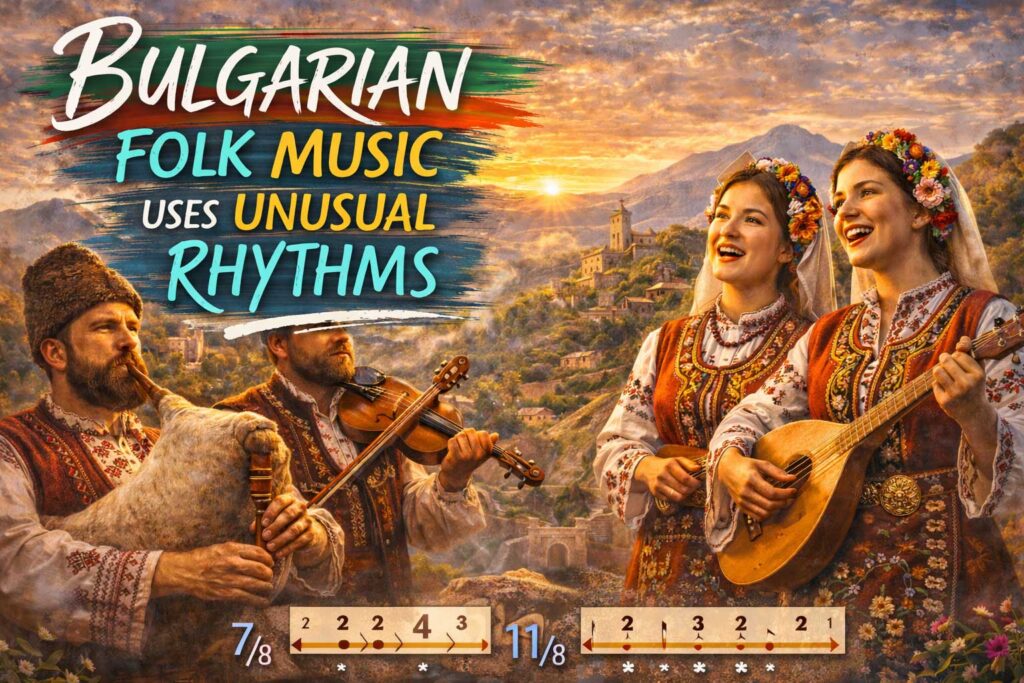
Bulgarian folklore is one of the most authentic reasons why Bulgarian culture is one of Europe’s oldest. It preserves traditions that have been practiced continuously for centuries—many of them rooted in ancient, pre-Christian beliefs.
Ancient Rituals Still Practiced Today
Traditions like:
- Kukeri Festival — masked dancers performing rituals to ward off evil spirits and bring fertility
- Nestinarstvo — fire dancing rituals performed barefoot on burning embers
- Seasonal agricultural celebrations tied to nature cycles
These practices originate from pre-Christian spiritual traditions, meaning they have existed in some form for thousands of years.
👉 They represent a rare cultural phenomenon where ancient rituals are not preserved in museums—but actively lived.
Cultural Memory Through Folklore
Bulgarian folklore acts as a living archive of the past, preserving:
- Ancient myths, symbols, and beliefs
- Community identity and shared values
- Historical continuity across generations
From music and dance to storytelling and ritual, folklore connects modern Bulgarians directly to their ancestors.
👉 In Bulgaria, folklore is not just history—it is still part of daily life.
Bulgarian folklore is a key reason why Bulgarian culture is one of Europe’s oldest, as it preserves ancient traditions that continue to be practiced in modern times.
👉 Explore traditional Bulgarian festivals and folklore rituals.
Traditional Clothing and Symbolism
Bulgarian traditional clothing is more than decoration—it is a coded cultural language that tells stories of identity, protection, and heritage passed down through generations.
Meaning Behind the Designs
Every element of traditional dress carries symbolic meaning:
- Colors represent life, fertility, protection, and social status
- Patterns encode ancient symbols believed to ward off evil and bring luck
- Embroidery placement (around sleeves, collars, and hems) protects vital parts of the body
- Regional variations reflect local identity, history, and environment
Many of these motifs have deep roots tracing back to the Thracians and early Slavic traditions, preserving visual symbols that have survived for centuries.
A Living Cultural Code
Traditional clothing was not just aesthetic—it served as:
- A form of communication (age, marital status, region)
- A protective spiritual layer against negative forces
- A marker of cultural belonging and identity
Even today, these designs influence modern fashion, festivals, and national celebrations.
👉 This enduring symbolism is another powerful reason why Bulgarian culture is one of Europe’s oldest—its meanings are still understood, worn, and celebrated today.
The symbolism in traditional Bulgarian clothing reflects ancient beliefs and is a key reason why Bulgarian culture is one of Europe’s oldest.
👉 See more in traditional Bulgarian clothing and cultural customs.
Cuisine: A Taste of History

Food is one of the most powerful expressions of cultural continuity—and a key reason why Bulgarian culture is one of Europe’s oldest.
Traditional Dishes That Survived Centuries
Some of the most iconic dishes have remained largely unchanged for generations:
- Banitsa — a layered pastry filled with cheese, deeply tied to holidays and family traditions
- Shopska Salad — a fresh combination of tomatoes, cucumbers, peppers, and white cheese, symbolizing national identity
- Bulgarian Yogurt — world-famous for its unique bacteria and health benefits
These foods are not modern inventions—they are part of a culinary tradition shaped by centuries of history, geography, and culture.
👉 Explore the complete guide to traditional Bulgarian food and cuisine.
Why Food Matters
Bulgarian cuisine is more than nourishment—it is a living cultural system:
- Recipes are passed down within families across generations
- Ingredients reflect the country’s fertile land and natural resources
- Meals are closely tied to traditions, holidays, and rituals
From festive banitsa on holidays to everyday yogurt and bread, food connects Bulgarians directly to their past.
👉 Bulgarian cuisine is not just food—it is edible history, preserving traditions that have survived for centuries.
Traditional Bulgarian cuisine is one of the clearest examples of why Bulgarian culture is one of Europe’s oldest, as recipes and cooking methods have remained consistent for generations.
👉 Try these traditional Bulgarian breakfast foods and recipes.
Language: One of the Oldest Living Slavic Languages
The Bulgarian language is a cornerstone of cultural preservation and a key reason why Bulgarian culture is one of Europe’s oldest. As one of the earliest standardized Slavic languages, it has played a central role in maintaining identity across centuries.
Why It Matters
- Maintains early Slavic linguistic structures, especially through Old Church Slavonic
- Preserves historical continuity through written and spoken tradition
- Connects modern society directly with its cultural and historical roots
Unlike many regions where languages were replaced or heavily altered, Bulgaria maintained its linguistic identity, allowing traditions, beliefs, and knowledge to be passed down without interruption.
👉 Discover Bulgarian scientific contributions and cultural innovations.
Language as Cultural Continuity
The development and use of the Cyrillic Alphabet ensured that Bulgarian culture could be recorded, preserved, and shared across generations.
This allowed:
- Literature and folklore to survive intact
- Religious and historical texts to be maintained
- A unified cultural identity to persist over time
👉 Language is more than communication—it is the foundation of cultural memory.
The preservation of the Bulgarian language is one of the strongest reasons why Bulgarian culture is one of Europe’s oldest, ensuring continuity across generations.
Cultural Resilience Through Empires and Change
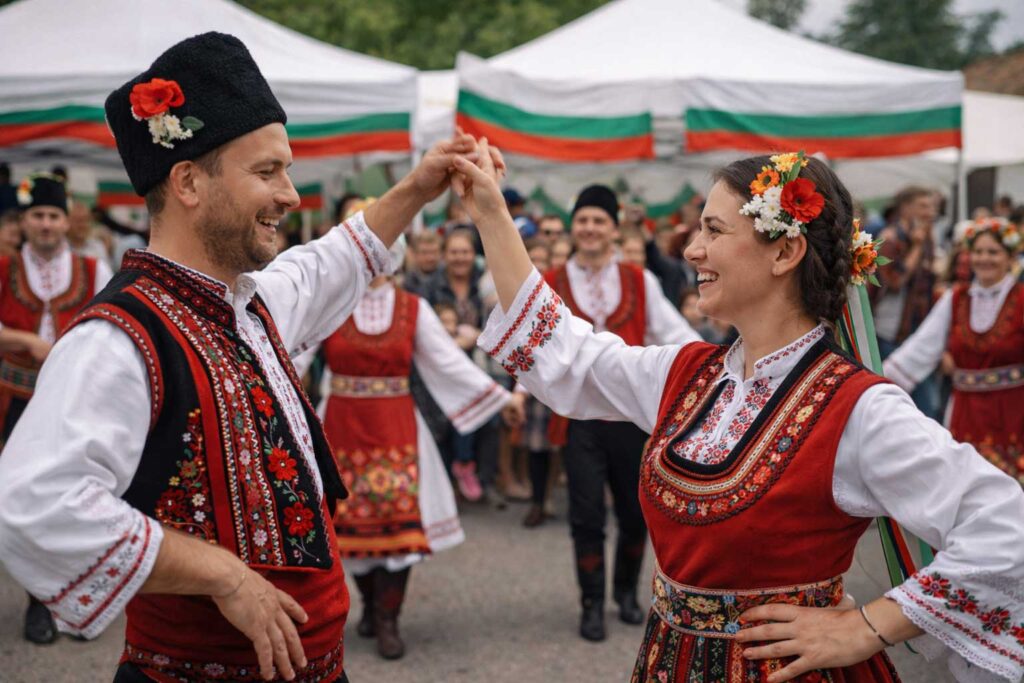
Bulgaria has experienced centuries of external influence and transformation, including:
- Byzantine rule
- Ottoman rule
- Political and social changes in the modern era
Yet, despite these shifts, Bulgarian culture never disappeared—it evolved while preserving its core identity.
A Culture That Adapted, Not Replaced
Across different historical periods, Bulgarian culture:
- Adapted without losing its identity
- Integrated external influences without being replaced
- Preserved traditions across generations
Institutions like the Bulgarian Orthodox Church, along with local communities and family traditions, played a crucial role in maintaining cultural continuity.
Even during long periods of foreign rule, traditions such as folklore, language, and customs continued to be practiced in everyday life.
👉 This ability to endure, adapt, and preserve is one of the clearest reasons why Bulgarian culture is one of Europe’s oldest—it was never erased, only strengthened over time.
Bulgaria’s cultural resilience through centuries of change is a key reason why Bulgarian culture is one of Europe’s oldest, maintaining continuity where many others did not.
Bulgarian culture is also expressed through powerful national symbols that reinforce identity across generations—another reason why Bulgarian culture is one of Europe’s oldest.
Key Symbols and Their Meaning
- The Bulgarian flag (white, green, red) — symbolizes peace, nature, and courage, reflecting both the land and the spirit of the people
- The lion — a historic emblem of strength, resilience, and independence, deeply rooted in Bulgarian heraldry
- The Martenitsa tradition — red and white bracelets worn for health, renewal, and the arrival of spring
These symbols are not just visual representations—they are actively used in daily life, holidays, and national celebrations.
Bulgarian culture history and origins are deeply connected to the country’s geography, traditions, and historical continuity.
Living Symbols, Not Just History
Unlike many cultures where symbols are purely historical, in Bulgaria they remain alive and meaningful:
- Martenitsa is still worn every year until the first signs of spring
- National symbols are present in festivals, clothing, and public life
- Cultural identity is reinforced through repeated traditions
👉 They strengthen cultural continuity and identity, reinforcing why Bulgarian culture is one of Europe’s oldest—preserved not just in history books, but in everyday life.
Bulgarian cultural symbols play a major role in explaining why Bulgarian culture is one of Europe’s oldest, as they continue to connect modern society with ancient traditions.
👉 Understand what makes Bulgarian culture unique in Europe.
Why Bulgarian Culture Still Matters Today
Understanding why Bulgarian culture is one of Europe’s oldest is not just about the past—it is about the present and the future.
Modern Relevance
Bulgarian culture continues to shape everyday life and global perception:
- Cultural tourism continues to grow, with landmarks like Rila Monastery attracting visitors from around the world
- Traditions such as the Kazanlak Rose Festival are actively practiced and celebrated
- Bulgarian identity remains strong globally through diaspora communities, food, music, and customs
These are not preserved relics—they are living traditions that continue to evolve.
👉 Discover the top cities to visit in Bulgaria for culture, history and travel.
A Rare Cultural Model
In a rapidly changing world where many traditions fade or are replaced, Bulgaria offers something rare:
- A culture that has adapted without losing its essence
- A society still connected to ancient customs and beliefs
- A heritage that remains relevant in modern life
👉 It provides a direct connection to ancient civilization that still exists today, making it not only historically significant but culturally powerful in the present.
The continued relevance of traditions and identity is another reason why Bulgarian culture is one of Europe’s oldest, as it remains actively practiced in modern society.
Geography of Bulgaria: Nature Shapes Culture
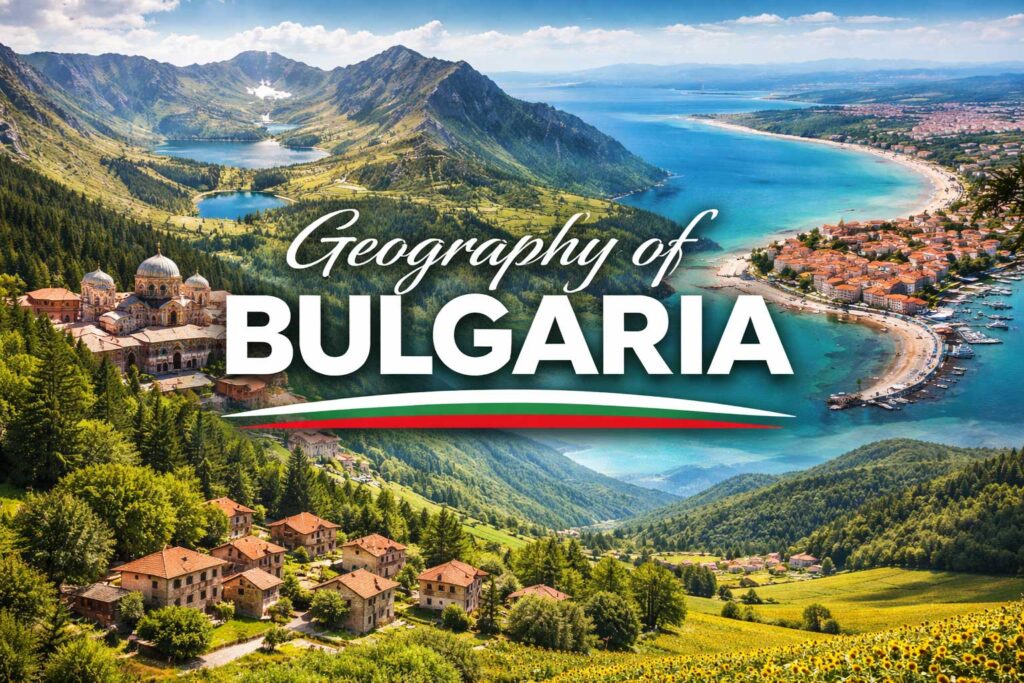
Bulgaria’s geography has played a major role in shaping its culture—and is a key reason why Bulgarian culture is one of Europe’s oldest.
From mountains to plains and sea, each region influenced how people lived, what they ate, and how traditions were preserved:
- Food traditions shaped by local crops and climate
- Clothing styles adapted to terrain and weather
- Folk customs tied to seasonal and agricultural cycles
- Settlement patterns influenced by natural protection and resources
Key Cultural Regions
- Rila & Pirin Mountains → geographic isolation helped preserve ancient traditions, dialects, and customs
- Rhodope Mountains → rich folklore, music, and mythological traditions rooted in ancient beliefs
- Black Sea Coast → trade routes brought cultural exchange while maintaining strong local identity
- Danube Plain → fertile land supported agriculture, festivals, and community traditions
Nature as a Cultural Protector
Bulgaria’s diverse landscape acted as a natural shield, allowing traditions to survive through centuries of change:
- Remote mountain villages preserved customs with minimal outside influence
- Agricultural cycles reinforced seasonal rituals and celebrations
- Natural boundaries helped maintain regional identities
👉 Geography didn’t just influence culture—it protected and sustained it, contributing to the long continuity that explains why Bulgarian culture is one of Europe’s oldest.
The geography of Bulgaria is a key factor in explaining why Bulgarian culture is one of Europe’s oldest, as it helped preserve traditions across different regions and generations.
👉 Explore the geography of Bulgaria and its cultural regions.
FAQ About Why Bulgarian Culture Is One of Europe’s Oldest
How old is Bulgarian culture?
Bulgarian culture dates back thousands of years to the ancient Thracians, making it one of the oldest continuous cultural traditions in Europe. It has evolved through the First Bulgarian Empire and remains active in modern society today.
What makes Bulgarian culture unique?
Bulgarian culture is unique because of its uninterrupted continuity. It blends ancient Thracian, Slavic, and medieval influences without being replaced, preserving traditions, language, and identity across centuries.
Did Bulgarian culture survive Ottoman rule?
Yes, Bulgarian culture survived centuries of Ottoman rule through the preservation of religion, folklore, language, and strong community traditions, supported by institutions like the Bulgarian Orthodox Church.
What are the oldest Bulgarian traditions still practiced today?
Some of the oldest traditions still practiced include the Kukeri Festival, fire dancing (Nestinarstvo), traditional cuisine, and folk music, many of which have roots in pre-Christian beliefs.
Why is Bulgarian culture considered one of the oldest in Europe?
Bulgarian culture is considered one of the oldest in Europe because it has maintained a continuous identity for thousands of years, preserving traditions, language, and customs without major cultural interruption.
Is Bulgarian culture still relevant today?
Yes, Bulgarian culture remains highly relevant today, with traditions, festivals, food, and language still actively practiced and forming a strong part of national identity.
Bulgarian culture history and origins continue to shape modern traditions, reinforcing its position as one of the oldest cultures in Europe.
Discover More About Bulgaria
If you’re interested in exploring Bulgaria further, dive into its history, traditions, and travel destinations to experience one of Europe’s oldest cultures firsthand.
Conclusion: A Civilization That Never Broke
Bulgarian culture is one of Europe’s oldest because it represents continuity, not reconstruction.
Understanding why Bulgarian culture is one of Europe’s oldest helps reveal how traditions can survive, adapt, and remain relevant across thousands of years.
From the ancient Thracians to modern society, Bulgaria has:
- Preserved its traditions
- Maintained its language
- Protected its identity
Across centuries of change—from empires to modern globalization—this culture did not disappear or reset. Instead, it adapted while keeping its core intact.
👉 It is not just old—it is alive, evolving, and timeless.
👉 Continue exploring Bulgarian culture:
- Complete history of Bulgaria from ancient times to modern day
- Traditional Bulgarian culture and customs guide
- Authentic Bulgarian products and souvenirs to buy
- Top cities to visit in Bulgaria for culture, history, and travel
References
- Encyclopaedia Britannica – Bulgaria https://www.britannica.com/place/Bulgaria
- World History Encyclopedia – Thracians https://www.worldhistory.org/Thracians/
- UNESCO World Heritage Centre – Rila Monastery https://whc.unesco.org/en/list/216
- UNESCO – Kazanlak Thracian Tomb https://whc.unesco.org/en/list/44
- Bulgarian Academy of Sciences – Cultural and Historical Research https://www.bas.bg/?lang=en
- Library of Congress – Country Studies: Bulgaria https://www.loc.gov/item/90006494/
- European Commission – Culture and Heritage in Bulgaria https://culture.ec.europa.eu
- Oxford Research Encyclopedia – Slavic Languages and Culture https://oxfordre.com
- Cambridge University Press – The Early Slavs: Culture and Society https://www.cambridge.org
- National Geographic – Ancient Europe and Thracian Culture https://www.nationalgeographic.com/history
- Smithsonian Magazine – Ancient European Civilizations https://www.smithsonianmag.com/history/
- World Bank – Cultural Heritage and Tourism in Bulgaria https://www.worldbank.org
- Bulgarian Ministry of Tourism – Culture and Traditions https://bulgariatravel.org
- UNWTO – Cultural Tourism and Heritage Preservation https://www.unwto.org
- JSTOR – Studies on Thracian and Balkan History https://www.jstor.org
- Europeana – Cultural Heritage Collections (Bulgaria) https://www.europeana.eu
- BBC Travel – Cultural Heritage in Bulgaria https://www.bbc.com/travel
- Lonely Planet – Bulgaria Culture Guide https://www.lonelyplanet.com/bulgaria
- National Statistical Institute of Bulgaria – Cultural Indicators https://www.nsi.bg/en
- Bulgarian National Television – Cultural Programs and History https://bnt.bg