


Why Bulgaria’s culture is so unique comes down to its rare ability to preserve ancient traditions while continuously evolving through centuries of history. From Thracian rituals and Slavic heritage to Orthodox Christianity and Ottoman influences, Bulgaria has developed a cultural identity that is both deeply rooted and remarkably diverse.
From fire-dancing rituals and haunting folk music to yogurt bacteria studied worldwide, Bulgarian culture is not just historical—it is alive, practiced, and deeply rooted in identity.
Why Bulgaria’s Culture Is So Unique
Bulgaria’s culture is so unique because it combines ancient Thracian roots, Slavic traditions, Eastern Orthodox Christianity, and Ottoman influences into a continuous cultural identity that is still actively practiced today. Unlike many countries, these traditions are still actively practiced today, making Bulgaria one of the most culturally preserved nations in Europe.
This long historical continuity is one of the main reasons why Bulgaria’s culture is so unique compared to other European nations.
1. One of Europe’s Oldest Continuous Cultures
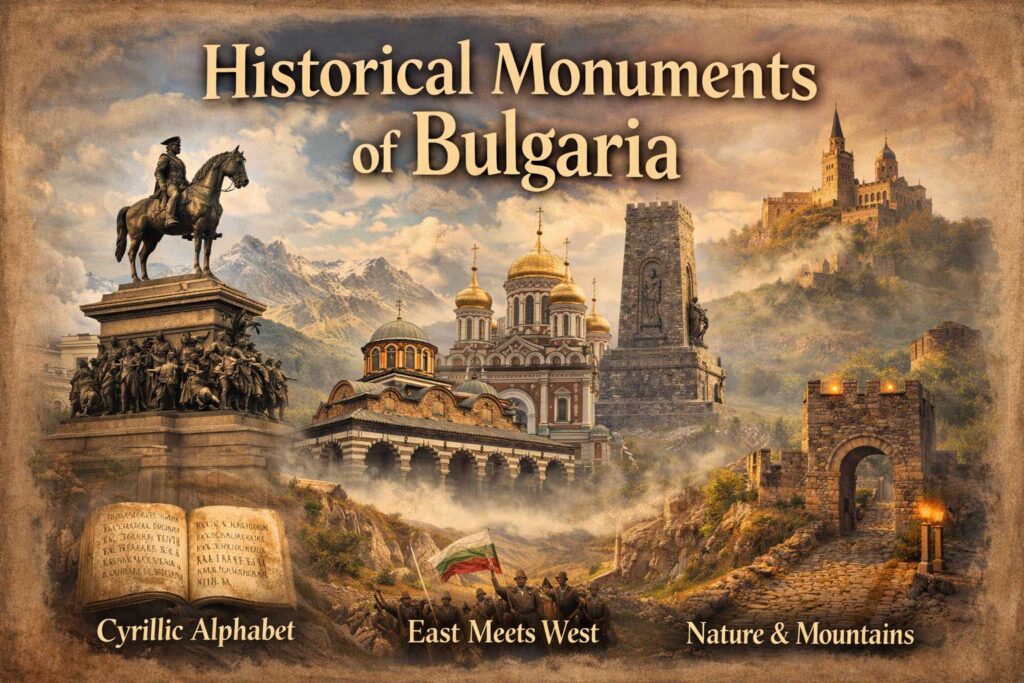
Bulgaria’s cultural uniqueness begins with deep historical continuity, making it one of the few places in Europe where ancient traditions have evolved rather than disappeared.
Key Layers of Civilization:
- Thracians (2000+ BCE) → Rituals, gold craftsmanship, mysticism
- Slavs (6th century) → Language, folklore, communal traditions
- First Bulgarian Empire (681 AD) → State identity, literacy, cultural consolidation
- Byzantine Influence → Eastern Orthodox Christianity, art, and architecture
- Ottoman Period (14th–19th century) → Cuisine, music, daily customs, and urban design
Unlike many nations that experienced cultural resets through conquest or assimilation, Bulgaria absorbed external influences and integrated them into its identity rather than replacing what came before.
Beyond its historical timeline, what truly sets Bulgaria apart is the continuity of cultural memory. Traditions were not erased between eras—they were adapted, reinterpreted, and preserved through generations. For example, ancient Thracian spiritual beliefs about nature and the afterlife still echo in modern folklore, songs, and rituals.
This continuity is rare. Many European cultures experienced complete resets due to conquest, colonization, or industrialization, but Bulgaria maintained a cultural backbone that survived each transformation and that’s why Bulgaria’s culture is so unique.
👉 This creates a sense of identity where history is not distant—it is felt in daily life.
👉 Result: A multi-layered cultural identity where ancient beliefs, medieval traditions, and later influences coexist—creating a culture that feels both deeply rooted and remarkably diverse.
2. Living Traditions (Not Just Museums)
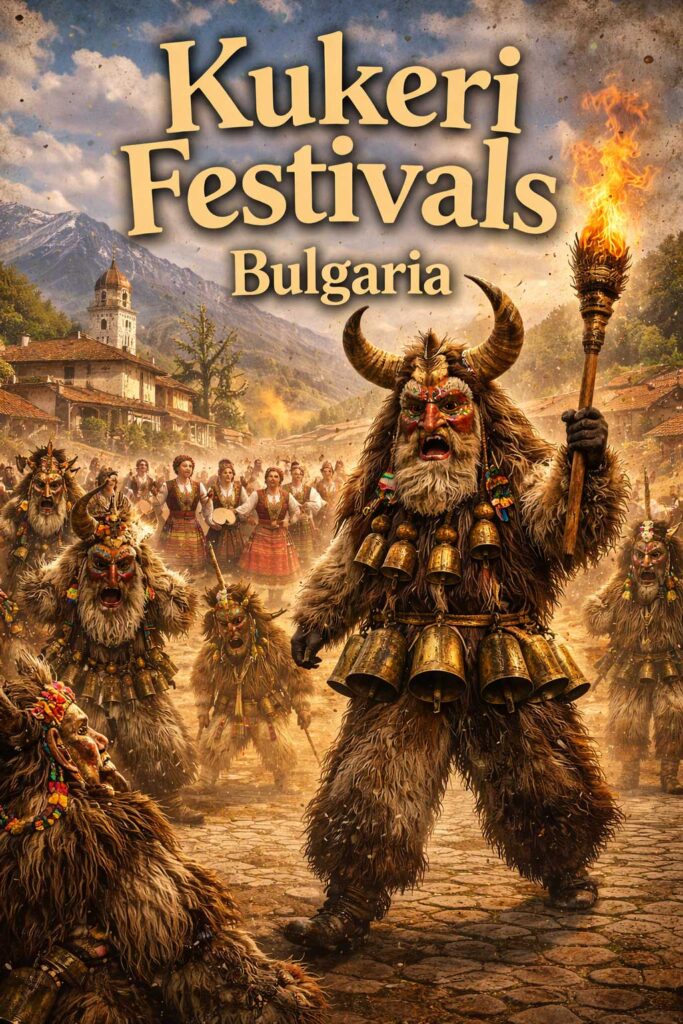
In Bulgaria, tradition isn’t something you visit—it’s something people still actively practice in everyday life and community celebrations.
Examples of Living Traditions:
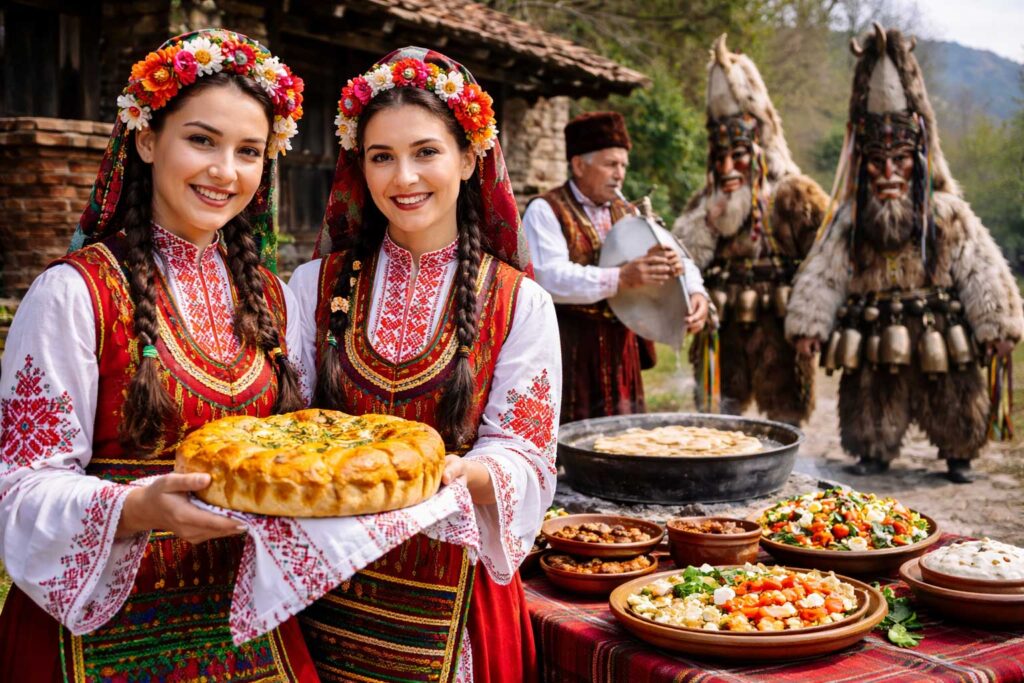
- Kukeri festivals → Masked dancers perform ritual dances to scare away evil spirits and bring prosperity
- Nestinarstvo (fire dancing) → A sacred ritual where participants walk barefoot on hot coals in a trance-like state
- Seasonal customs → Deeply tied to agriculture, nature cycles, and ancient beliefs about fertility and renewal
- Folk costumes → Still worn during festivals, weddings, and cultural events, often handmade and region-specific
What makes Bulgarian traditions especially unique is their community-centered nature. These are not performances for tourists—they are participatory rituals where entire villages and families take part. Events like Kukeri festivals are not staged—they are deeply believed to influence health, fertility, and prosperity.
👉 Learn more about these rituals in our full guide → Bulgarian Traditions and Customs Explained.
Even in modern cities, these traditions are revived and celebrated, showing that they are not limited to rural nostalgia. Schools, cultural centers, and festivals actively teach younger generations, ensuring continuity.
👉 In Bulgaria, tradition is not passive—it is experienced, shared, and lived.
👉 Many of these traditions uniquely blend pagan rituals with Eastern Orthodox Christianity, creating cultural practices that are rarely preserved in such an authentic, living form anywhere else in Europe.
These living traditions clearly show why Bulgaria’s culture is so unique and deeply preserved.
3. Unique Music That Sounds “Otherworldly”
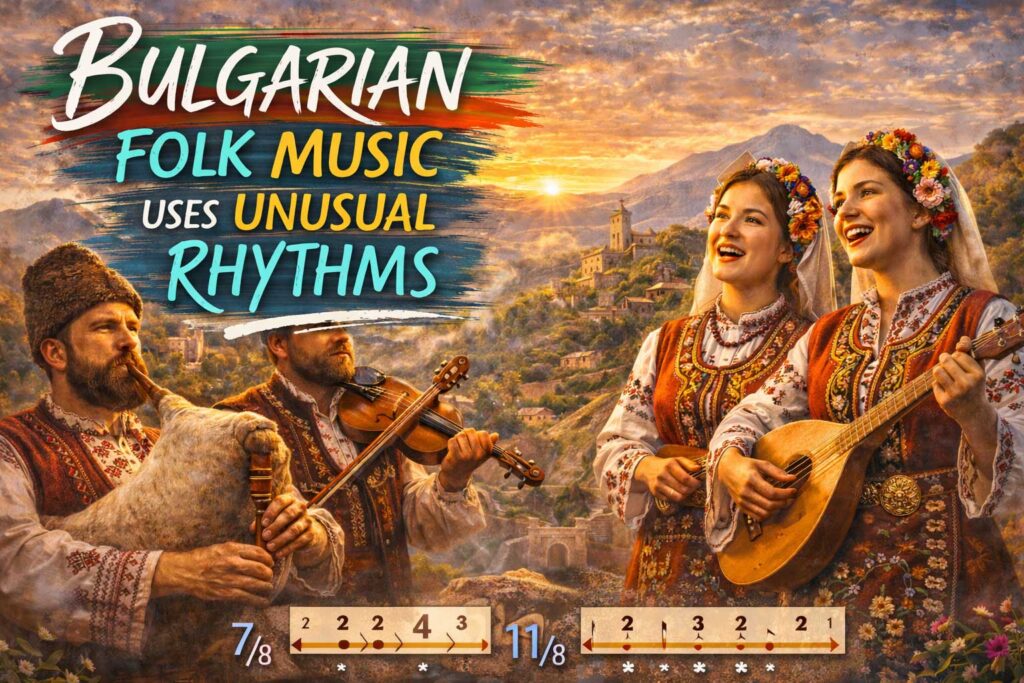
Bulgarian music stands out globally for its distinctive sound, complex rhythms, and emotional depth—often described as “otherworldly” by those hearing it for the first time.
Distinctive Features:
- Asymmetrical rhythms → Unusual time signatures like 7/8, 9/8, and 11/8 that create dynamic, unpredictable patterns
- Dissonant harmonies → Layered vocal tones that produce a powerful, almost mystical resonance
- Strong female vocal traditions → Deep, piercing voices that carry ancient storytelling and emotion
Traditional Instruments:
- Gaida → A Balkan bagpipe with a rich, droning sound
- Kaval → An end-blown wooden flute known for its warm, expressive tone
- Gadulka → A bowed string instrument with a distinctive, slightly raw timbre
Groups like Le Mystère des Voix Bulgares introduced Bulgarian music to a global audience, yet its sound remains unlike anything else.
👉 Discover more cultural expressions → Bulgarian Folklore and Music Traditions.
Bulgarian music is also deeply tied to emotion and environment. Songs often reflect themes of love, hardship, migration, and nature, giving them a timeless, universal appeal despite their unique structure.
Another key element is how music connects to dance, especially the traditional horo. These circular dances symbolize unity and continuity—people literally move together as one, reinforcing social bonds.
👉 Bulgarian music is not just heard—it is felt, danced, and collectively experienced.
The structure and emotion of Bulgarian music further explain why Bulgaria’s culture is so unique on a global scale.
👉 This is not just music—it is ancient storytelling through sound, preserving history, emotion, and identity across generations.
4. The Cyrillic Alphabet: A Cultural Gift to the World
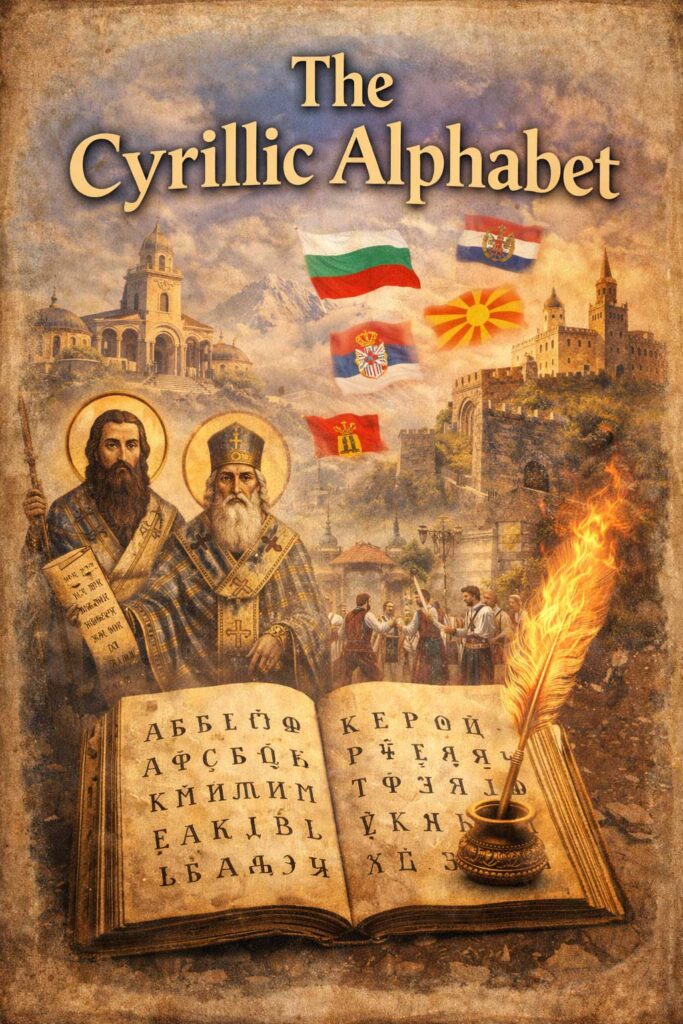
Bulgaria played a central role in spreading literacy, education, and written culture across Eastern Europe, making one of the most important contributions to global civilization.
Key Contribution:
- Development of the Cyrillic alphabet in the 9th century
- Created and refined in the Preslav Literary School, one of the major cultural centers of the First Bulgarian Empire
Associated Figures:
- Cyril and Methodius → Pioneers of Slavic literacy and creators of the earlier Glagolitic script
- Clement of Ohrid → Key figure in adapting and spreading the Cyrillic system
👉 Today, the Cyrillic alphabet is used by 300+ million people worldwide, including in countries like Russia, Serbia, and Ukraine.
This makes it one of Bulgaria’s greatest cultural exports, shaping communication, education, and identity across an entire region.
The impact of the Cyrillic alphabet goes beyond communication—it helped shape national identities across Eastern Europe. Literacy allowed for the development of literature, religion, governance, and education in native languages rather than imposed ones.
In Bulgaria, this legacy is still celebrated annually on May 24 (Day of Saints Cyril and Methodius), a national holiday dedicated to culture and education. This reflects how deeply language and identity are connected.
👉 The Cyrillic alphabet is not just a system—it is a symbol of cultural independence and intellectual legacy.
👉 Read the full story → History of the Cyrillic Alphabet in Bulgaria.
5. Food as Culture, Science, and Identity
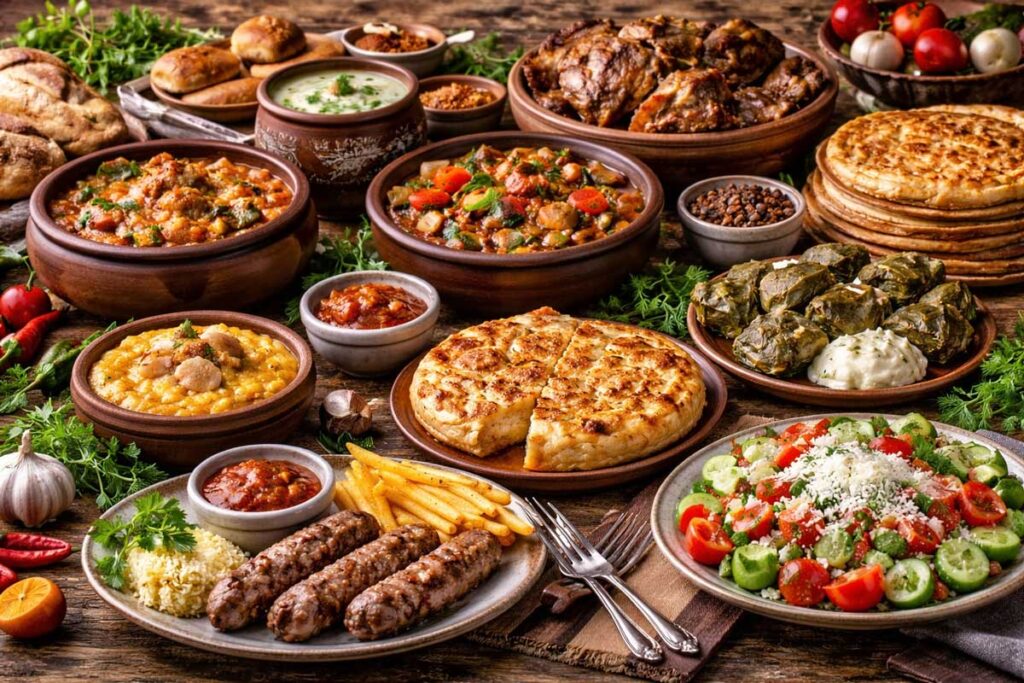
Bulgarian cuisine may appear simple at first glance—but it is deeply symbolic, rooted in tradition, and closely tied to both nature and science.
What Makes It Unique:
- Strong focus on fresh, seasonal, locally sourced ingredients
- A rich blend of influences:
- Balkan traditions
- Mediterranean flavors
- Ottoman culinary heritage
Signature Elements:
- Yogurt with Lactobacillus bulgaricus → A unique bacterial strain discovered in Bulgaria
- Banitsa → A flaky pastry filled with cheese, often eaten for breakfast
- Shopska salad → Fresh tomatoes, cucumbers, peppers, and grated white cheese
- Tarator → A refreshing cold soup made with yogurt, cucumber, garlic, and dill
Food in Bulgaria is also deeply tied to ritual and symbolism. Certain dishes are prepared only during specific holidays or life events. For example, bread-making traditions often include symbolic decorations representing health, fertility, and prosperity.
Additionally, meals are highly social. Eating is rarely rushed—it is an opportunity for connection, storytelling, and community bonding.
👉 Bulgarian cuisine is not just about nourishment—it is about tradition, meaning, and shared experience.
The connection between food, science, and tradition is another reason why Bulgaria’s culture is so unique.
👉 Bulgarian yogurt is not just food—it represents a scientific contribution to global health, widely studied for its probiotic benefits and role in digestion and longevity.
Affiliate Disclosure: This article may contain affiliate links. If you purchase through these links, we may earn a small commission at no extra cost to you.
Bulgarian Food & Cooking Essentials
👉 Want to recreate authentic Bulgarian food at home? Start here:
| Product | Best For | Why It’s Useful | Check Price |
|---|---|---|---|
| Yogurt Maker | Homemade Bulgarian yogurt | Perfect for authentic probiotic yogurt | 👉 Check Price |
| Ceramic Clay Pot | Traditional cooking | Enhances flavor like in Bulgaria | 👉 Check Price |
| Cast Iron Pan | Banitsa & baking | Even heat distribution | 👉 Check Price |
| Cheese Making Kit | DIY сирене | Make Bulgarian-style cheese | 👉 Check Price |
Want to recreate authentic Bulgarian food at home? Explore these tools →
6. Geography Shapes Culture
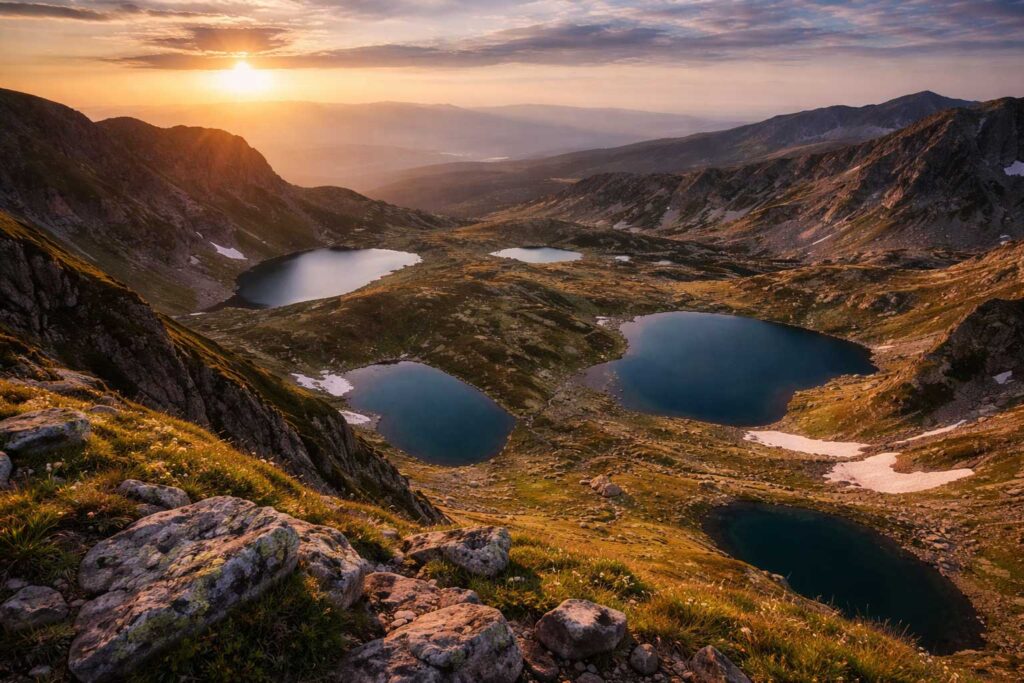
Bulgaria’s diverse geography plays a direct and powerful role in shaping its culture, creating distinct regional identities across the country.
Regions Create Micro-Cultures:
- Mountains → Isolated communities preserve ancient traditions, folklore, and unique music styles
- Plains → Rich agricultural zones influence food traditions, farming customs, and seasonal rituals
- Black Sea Coast → A history of trade brings multicultural influences, cuisine diversity, and coastal lifestyles
👉 Each region develops its own:
- Dialects
- Recipes and local specialties
- Customs and traditions
From the Rhodope Mountains to the Danubian Plain and the Black Sea coast, Bulgaria feels like a collection of cultural worlds within one country—each contributing to its overall uniqueness.
👉 Explore regions → Geography of Bulgaria: Regions and Landscapes
Geographic isolation in mountainous regions helped preserve traditions that might otherwise have disappeared. Some villages maintained unique dialects, songs, and customs that differ significantly even from neighboring regions.
Meanwhile, trade routes along the Black Sea introduced external influences, creating a contrast between inland preservation and coastal diversity.
Regional diversity is a major factor in understanding why Bulgaria’s culture is so unique.
👉 Geography didn’t just shape culture—it protected and diversified it at the same time.
7. A Balance Between East and West
Bulgaria sits at the crossroads of major civilizations, creating a rare cultural balance between East and West that is visible in everyday life.
Cultural Influences:
- Eastern Orthodox Christianity → Spiritual traditions, holidays, and identity
- Ottoman/Islamic influence → Architecture, cuisine, music, and historical legacy
- European modernization → Contemporary lifestyle, education, and global integration
Cultural Result:
- Churches next to mosques → A reflection of historical coexistence
- Ancient traditions alongside modern lifestyles → Old customs remain relevant today
- Western values blended with Eastern philosophy → A unique mindset shaped by both worlds
This balance also affects mindset and worldview. Bulgarian culture often blends collective values (Eastern influence) with individual ambition (Western influence), creating a unique social dynamic.
👉 Understand historical influences → Ottoman Influence on Bulgarian Culture.
This duality is visible in everything from architecture to daily habits—where old traditions coexist with modern lifestyles without conflict.
👉 Bulgaria doesn’t choose between East and West—it integrates both into a unified identity.
This balance between civilizations is a key reason why Bulgaria’s culture is so unique.
👉 Bulgaria is not simply influenced by East and West—it acts as a cultural bridge, where different civilizations meet, interact, and coexist in a way that feels both natural and distinctive.
8. Strong Sense of Identity and Tradition
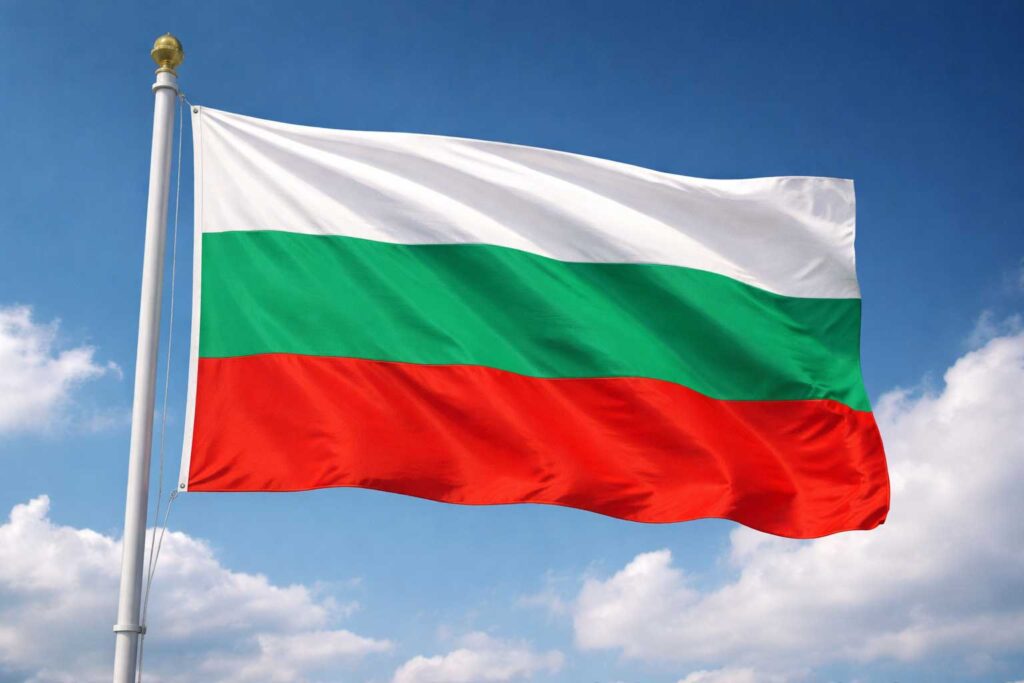
Despite globalization and modern influences, Bulgarians continue to maintain a strong sense of identity rooted in tradition, family, and cultural pride.
Core Cultural Values:
- Strong family traditions → Family gatherings, shared meals, and generational bonds remain central
- Deep respect for heritage → History, customs, and rituals are valued and preserved
- Pride in language and customs → The Bulgarian language and traditions are key parts of national identity
Passed Down Across Generations:
Even younger generations continue to:
- Celebrate traditional holidays and festivals
- Cook and preserve traditional recipes
- Participate in folklore dances, music, and cultural events
One of the strongest aspects of Bulgarian identity is the emphasis on continuity through family. Grandparents play a key role in passing down traditions, recipes, and stories, acting as living bridges between generations.
👉 Discover daily life → Traditional Bulgarian Lifestyle and Habits.
Even Bulgarians living abroad maintain strong ties to their culture, returning for holidays and continuing traditions in diaspora communities.
👉 Identity in Bulgaria is not just national—it is personal, familial, and deeply emotional.
👉 Culture in Bulgaria is not fading—it is actively lived, practiced, and passed down, ensuring that identity remains strong even in a rapidly changing world.
9. Survival Through History Strengthened Culture
Bulgaria’s culture is not only ancient—it is resilient, shaped and strengthened through centuries of challenges and survival.
What It Survived:
- 500 years under Ottoman rule → Cultural identity preserved despite foreign governance
- Wars and political upheaval → Balkan Wars, World Wars, and national struggles
- Communist era transformation → Cultural adaptation under strict political systems
How Culture Survived:
- Preserved in monasteries → Centers of education, language, and faith
- Passed through oral traditions → Stories, songs, and folklore kept history alive
- Protected through language and religion → Bulgarian identity remained intact
👉 This long history of endurance created a culture that is:
- Resilient
- Proud
- Deeply rooted
Rather than weakening cultural identity, these challenges strengthened it, making Bulgarian culture one of the most enduring in Europe.
Periods of hardship often reinforced the importance of culture as a form of resistance and survival. During Ottoman rule, monasteries became centers not just of religion but of education and national identity preservation.
👉 Learn more → Bulgarian National Revival and Cultural Preservation.
Similarly, during the communist era, certain traditions were restricted—but many survived privately within families, proving their deep-rooted importance.
👉 Bulgarian culture survived because people actively protected it, not just inherited it.
10. A Hidden Culture (Which Makes It Even More Unique)
Unlike countries such as France, Italy, or Spain, Bulgaria remains a hidden cultural gem, often overlooked by mass tourism.
What Makes It Different:
- Underrated globally → Less exposure compared to Western European destinations
- Less commercialized → Fewer tourist-driven changes to traditions
- More authentic → Culture remains closer to its original form
What This Means for Visitors and Culture:
- Traditions are less “tourist-modified” → Rituals and customs remain genuine
- Experiences feel more real and personal → Local life is not staged for tourism
- Cultural preservation is stronger → Fewer external pressures to modernize traditions
👉 Explore hidden gems → Travel Guide to Bulgaria’s Hidden Places.
Because Bulgaria is less commercialized, cultural experiences often feel intimate and unfiltered. Visitors are more likely to encounter real traditions rather than curated performances designed for mass tourism.
This also means there is still a sense of discovery—a feeling that you are experiencing something not yet fully revealed to the world.
👉 Bulgaria’s hidden nature preserves its authenticity and cultural depth.
👉 Bulgaria’s relative obscurity has actually become its strength—allowing it to preserve a raw, authentic cultural identity that is increasingly rare in today’s globalized world.
11. Folklore and Mythology Still Influence Modern Life
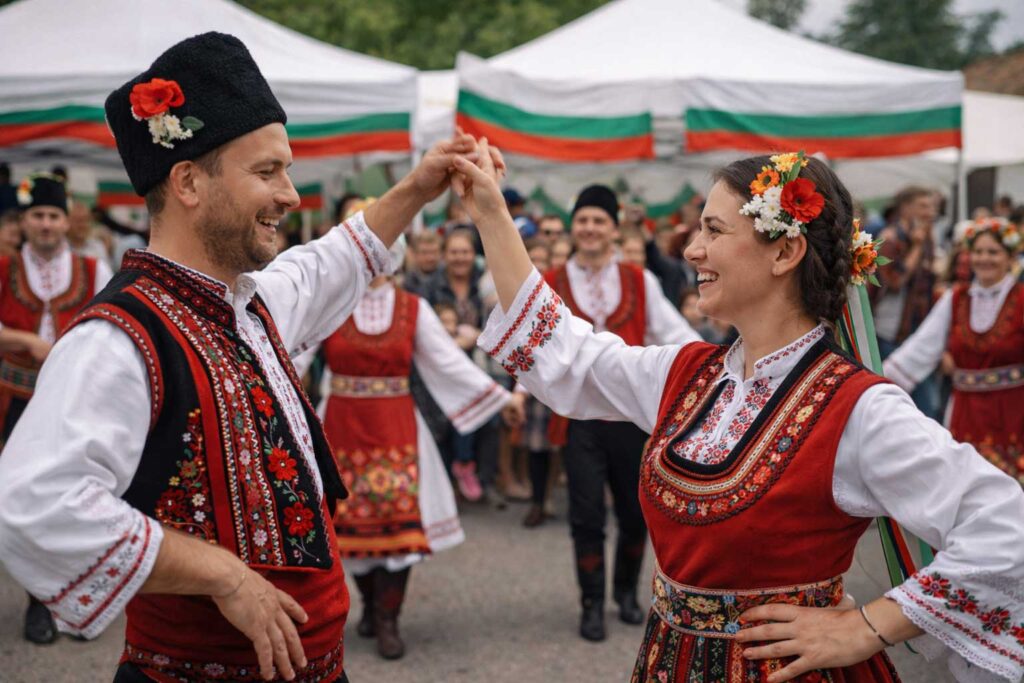
Bulgarian folklore is not just part of the past—it is a living system of beliefs, symbols, and stories that continues to shape modern culture.
Examples of Folklore in Daily Life:
- Belief in spirits and protective rituals → Traditions to ward off evil and bring luck
- Folklore creatures → Mythical beings appear in songs, legends, and storytelling
- Symbolic embroidery → Clothing patterns carry meanings related to protection, fertility, and identity
These elements are deeply embedded in festivals, art, music, and even everyday superstitions, connecting modern Bulgarians to ancient belief systems.
👉 Folklore in Bulgaria acts as a cultural memory system, preserving ancient knowledge and identity across generations.
Beyond festivals and visible traditions, Bulgarian folklore also shapes mindsets and everyday behavior. Many superstitions—such as avoiding certain actions for luck or protection—are still followed, even by younger generations. These beliefs reflect a worldview where the natural and supernatural are closely connected.
👉 Dive deeper → Bulgarian Folklore and Mythology Explained.
Folklore is also deeply embedded in art, literature, and national identity. From traditional songs to modern films and books, ancient myths continue to inspire creative expression. This continuity ensures that folklore is not static—it evolves while still preserving its original meaning.
Folklore traditions continue to demonstrate why Bulgaria’s culture is so unique even today.
👉 In Bulgaria, mythology is not just storytelling—it is a living influence on culture, identity, and daily life.
Folklore & Cultural Items
| Item | Best For | Why It’s Interesting | Check Price |
|---|---|---|---|
| Kukeri Mask Replica | Decor / culture | Unique Bulgarian tradition | 👉 Check Price |
| Traditional Embroidery | Home decor | Symbolic patterns | 👉 Check Price |
| Bulgarian Music CDs | Music lovers | Authentic sound | 👉 Check Price |
| Folk Costume Elements | Collectors | Cultural heritage | 👉 Check Price |
12. Time Moves Differently in Bulgarian Culture
Bulgarian culture places strong value on slower, more intentional living, especially when compared to fast-paced Western societies.
Cultural Traits:
- Long family meals → Eating is a social ritual, not just a necessity
- Strong holiday traditions → Celebrations are meaningful and deeply rooted
- Relationships over productivity → Personal connections are prioritized over efficiency
This lifestyle creates a sense of balance and presence, where moments are experienced fully rather than rushed.
This slower approach to life also influences how Bulgarians perceive success and happiness. Rather than focusing solely on productivity or material gain, there is a strong emphasis on quality of life, relationships, and personal well-being. This mindset creates a more balanced lifestyle, even in modern urban environments.
👉 See traditions → Bulgarian Daily Life and Culture.
In rural areas especially, this rhythm remains closely tied to nature and tradition, where daily routines follow seasonal patterns rather than strict schedules. Even in cities, this cultural attitude persists through long conversations, extended meals, and a general appreciation for taking time to enjoy life.
👉 This perspective on time creates a culture that values depth over speed and connection over convenience.
👉 This slower rhythm is a key part of what makes Bulgarian culture feel authentic, grounded, and deeply human.
13. Deep Connection to Nature and Seasons
Nature plays a central role in Bulgarian culture, shaping traditions, lifestyle, and daily practices.
Examples of Nature’s Influence:
- Seasonal festivals → Celebrations tied to planting, harvest, and natural cycles
- Herbal traditions → Use of natural remedies passed down through generations
- Mountain and village lifestyles → Strong connection to land and environment
Even today, many Bulgarians maintain traditions like gardening, foraging, and seasonal cooking, reflecting a deep respect for nature.
This connection to nature is also reflected in Bulgarian health practices and traditional knowledge. Herbal remedies, natural treatments, and seasonal diets have been used for centuries and are still trusted alongside modern medicine. Knowledge of plants and natural cycles is often passed down through generations.
👉 Explore nature traditions → Bulgarian Herbs and Natural Remedies.
Additionally, many cultural rituals are timed according to seasonal changes, reinforcing the idea that human life is part of a larger natural cycle. Whether it’s spring celebrations, harvest traditions, or winter customs, these practices maintain a deep awareness of the environment.
👉 This relationship with nature gives Bulgarian culture a sense of balance, sustainability, and harmony with the world around it.
👉 In Bulgaria, culture is not separate from nature—it is interwoven with the rhythms of the natural world.
Natural & Herbal Products
| Product | Use | Why It’s Popular | Check Price |
|---|---|---|---|
| Herbal Tea Mix | Wellness | Traditional Bulgarian herbs | 👉 Check Price |
| Essential Oils | Aromatherapy | Natural remedies | 👉 Check Price |
| Honey (Raw) | Nutrition | Bulgarian-style natural product | 👉 Check Price |
| Dried Herbs Set | Cooking | Authentic flavors | 👉 Check Price |
Why Bulgarian Culture Is Still Relevant Today
Bulgarian culture is not only unique historically—it remains highly relevant in the modern world. As globalization spreads similar lifestyles across countries, Bulgaria stands out by preserving traditions that many societies have lost.
Why It Still Matters:
- Authenticity in a globalized world → Real traditions, not recreated ones
- Cultural identity and belonging → Strong connection to heritage
- Growing global interest → Travelers seeking unique, authentic experiences
This makes Bulgaria increasingly attractive not only as a destination, but as a cultural case study of preservation and continuity.
👉 This modern relevance is another key reason why Bulgaria’s culture is so unique today.
Why Bulgaria’s Culture Is So Unique FAQs
Why is Bulgarian culture different from other European cultures?
Because it combines ancient Thracian roots, Slavic traditions, Eastern Orthodox Christianity, and Ottoman influences—a rare cultural blend that has remained continuous for centuries. Unlike many European cultures, these layers still coexist and shape everyday life in modern Bulgaria.
What is the most unique Bulgarian tradition?
The Kukeri ritual and Nestinarstvo (fire dancing) are among the most unique traditions. Kukeri performers wear elaborate masks to chase away evil spirits, while fire dancers walk on hot coals in a ritual linked to ancient beliefs and Christian symbolism.
Is Bulgarian culture still preserved today?
Yes—many traditions are actively practiced, not just remembered. Festivals, food, music, and customs are still part of daily life, especially in rural areas but also in cities during cultural events.
What is Bulgaria most famous for culturally?
Bulgaria is best known for:
- Yogurt and probiotics (especially Lactobacillus bulgaricus)
- Folk music with unique rhythms and vocal styles
- The Cyrillic alphabet, used across Eastern Europe
- Traditional festivals like Kukeri and seasonal celebrations
👉 These elements reflect a culture that is both ancient and globally influential.
How old is Bulgarian culture?
Bulgarian culture dates back over 3,000 years, beginning with the ancient Thracians. It has evolved through Slavic migration, the First Bulgarian Empire, Byzantine and Ottoman influences, making it one of the oldest continuous cultures in Europe.
What role does religion play in Bulgarian culture?
Religion, especially Eastern Orthodox Christianity, plays a central role in traditions, holidays, and identity. Many customs blend Christian beliefs with older pagan rituals, creating uniquely Bulgarian celebrations.
How does Bulgarian geography influence its culture?
Bulgaria’s diverse landscape—mountains, plains, and coastline—has created regional traditions, dialects, and cuisines, making the culture highly varied within the country itself.
Why is Bulgarian folklore so important?
Bulgarian folklore preserves the nation’s history, beliefs, and identity through music, dance, costumes, and storytelling. It has been passed down through generations and remains a key part of national pride today.
Conclusion: A Culture Built on Layers, Not Trends
Bulgaria’s culture is unique because it is not built on a single identity—it is shaped by centuries of continuity, resilience, and cultural layering. From ancient Thracian rituals to modern-day traditions still practiced in villages and cities alike, Bulgaria represents a rare example of a culture that has evolved without losing its core identity.
It is:
- Ancient, yet alive — traditions are not just remembered, but actively practiced
- Influenced, yet original — shaped by empires, yet distinctly Bulgarian
- Traditional, yet evolving — preserving the past while adapting to the future
👉 In a world where many cultures are becoming increasingly homogenized, Bulgaria stands apart as a place where heritage is not just history—it is a living part of everyday life, showing exactly why Bulgaria’s culture is so unique.
Bulgarian Culture & History Books
| Book | Focus | Why It’s Valuable | Check Price |
|---|---|---|---|
| Bulgaria: A History | History | Deep cultural background | 👉 Check Price |
| Bulgarian Folklore | Traditions | Understand rituals & myths | 👉 Check Price |
| Balkan Ghosts | Balkans culture | Context of the region | 👉 Check Price |
| The Slavs | Origins | Cultural roots explained | 👉 Check Price |
References
- Encyclopaedia Britannica – Bulgaria: Cultural Life https://www.britannica.com/place/Bulgaria/Cultural-life
- UNESCO – Intangible Cultural Heritage: Nestinarstvo (Fire-Dancing Ritual) https://ich.unesco.org/en/RL/nestinarstvo-messages-from-the-past-the-panagyr-of-saints-constantine-and-helen-in-the-village-of-bulgari-00191
- UNESCO – Bulgarian Folk Traditions and Heritage https://ich.unesco.org/en/state/bulgaria-BG
- Encyclopaedia Britannica – Cyrillic Alphabet https://www.britannica.com/topic/Cyrillic-alphabet
- Fermented Foods and Probiotics https://www.brownhealth.org/be-well/fermented-foods-probiotics-and-their-health-benefits
- National Geographic – Bulgaria Cultural Overview https://www.nationalgeographic.com/travel/destinations/europe/bulgaria/
- Smithsonian Magazine – The Mystery of Bulgarian Voices https://www.smithsonianmag.com/arts-culture/the-bulgarian-voices-that-stunned-the-world-180961245/
- European Commission – Culture and Heritage in Bulgaria https://european-union.europa.eu/principles-countries-history/eu-countries/bulgaria_en
- Bulgarian Academy of Sciences – History and Culture Publications
- UNESCO World Heritage Centre – Bulgaria Sites https://whc.unesco.org/en/statesparties/bg
- Oxford Reference – Balkan Cultural Traditions https://www.oxfordreference.com/
- Lonely Planet – Bulgaria Culture Guide https://www.lonelyplanet.com/bulgaria
- Harvard Medical School – Probiotics and Gut Health https://www.health.harvard.edu/diet-and-nutrition/are-you-getting-essential-nutrients-from-your-diet
- Journal of Ethnology and Folkloristics – Balkan Traditions https://www.jef.ee/
- CIA World Factbook – Bulgaria https://www.cia.gov/the-world-factbook/countries/bulgaria/