


Bulgaria may be a relatively small country, but its impact on global science, technology, medicine, and culture is far greater than most people realize. Throughout history, Bulgarian scientists, inventors, and thinkers have made groundbreaking contributions that rival the significance of Nobel Prize-winning discoveries.
From the invention of the first digital computer to revolutionary advances in microbiology, linguistics, and medicine, these Bulgarian innovations and Bulgarian discoveries have shaped modern civilization.
In this comprehensive guide, we explore the most important Bulgarian Nobel-level discoveries, the brilliant minds behind them, and how their work continues to influence the world today.
Bulgaria’s influence is often underestimated, yet its contributions span some of the most important developments in human history. From early literacy systems to modern computing and medical science, Bulgarian discoveries have consistently pushed the boundaries of knowledge and innovation. These achievements highlight how Bulgarian inventions and Bulgarian innovations have played a vital role in shaping the modern world.
What Are “Nobel-Level” Discoveries?
A Nobel-level discovery typically includes:
- Groundbreaking innovation or scientific breakthrough
- Global impact across industries or societies
- Long-term influence on future research and technology
- Foundational contributions to modern knowledge
Many Bulgarian discoveries meet — and often exceed — these criteria, even if they were not formally recognized with a Nobel Prize.
These types of discoveries often serve as the foundation for entire industries and future innovations. In many cases, they redefine how humanity understands science, technology, or health. Bulgarian Nobel-level discoveries fit this definition perfectly, as they have influenced global progress across multiple generations.
What are Bulgarian Nobel-level discoveries?
Bulgarian Nobel-level discoveries are groundbreaking contributions in science, technology, medicine, and culture made by Bulgarian scientists and innovators that have had a global impact, such as the invention of the first digital computer and the discovery of Lactobacillus bulgaricus.
Famous Bulgarian Scientists Who Changed the World
When exploring Bulgarian Nobel-level discoveries, it is impossible to ignore the impact of famous Bulgarian scientists whose work shaped entire industries.
Some of the most important Bulgarian scientists who changed the world include:
- John Vincent Atanasoff – pioneer of modern computing
- Stamen Grigorov – leader in microbiology discoveries
- Ivan Stranski – foundational figure in physical chemistry
- Dimitar Paskov – contributor to neurological medicine
- Peter Petroff – innovator in electronics and wearable technology
These individuals represent the best of Bulgarian scientific achievements, proving that Bulgaria has consistently produced world-class thinkers.
What makes these famous Bulgarian scientists particularly remarkable is their ability to innovate despite limited resources and international recognition. Their work demonstrates resilience, creativity, and a deep commitment to advancing knowledge. These Bulgarian scientists who changed the world continue to inspire future generations of researchers and innovators.
👉 If you’re asking “what did Bulgaria invent?” — the answer includes technologies and discoveries that power modern life.
1. The First Electronic Digital Computer
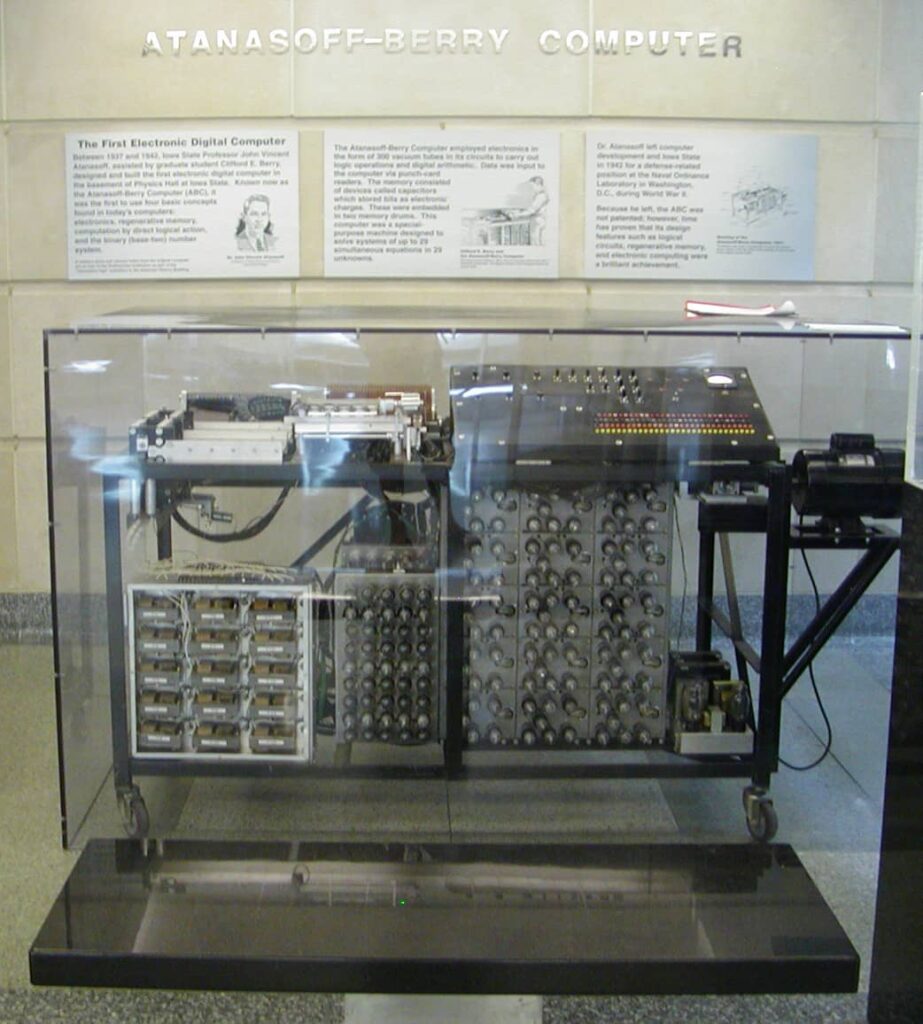
Inventor: John Vincent Atanasoff
One of the most important inventions in human history — the digital computer — can be traced back to Bulgarian roots.
John Vincent Atanasoff, a Bulgarian-American physicist, developed the Atanasoff-Berry Computer (ABC) in the late 1930s. This machine introduced several revolutionary concepts:
- Binary arithmetic, the foundation of all computing today
- Electronic switching instead of mechanical parts
- Regenerative memory using capacitors
Unlike earlier machines, the ABC was not just a calculator — it was the first true electronic digital computing system.
Global Impact
The principles introduced by Atanasoff are still used in every modern computing system today. From binary code to memory storage, these innovations form the backbone of digital technology. As a result, every modern device — from smartphones and AI systems to cloud computing — is built on concepts first introduced by his work. This makes his invention one of the most important Bulgarian contributions to computing.
Without this invention, there would be no:
- Internet
- Artificial intelligence
- Software industry
Why It Matters
This discovery represents one of the most important Bulgarian contributions to computing. It transformed how data is processed and stored, enabling the digital world we live in today.
This alone qualifies as one of the most important Nobel-level contributions in human history.
2. The Discovery of Lactobacillus bulgaricus

Scientist: Stamen Grigorov
In 1905, Bulgarian microbiologist Stamen Grigorov made a discovery that would transform nutrition and medicine:
the bacterium Lactobacillus bulgaricus.
This microorganism is responsible for the fermentation of yogurt — a food that has since become globally recognized for its health benefits.
Why This Matters
This discovery fundamentally changed how we understand nutrition and health by introducing beneficial bacteria into the scientific mainstream. Grigorov’s discovery laid the foundation for:
- Probiotics and gut health science
- Functional foods industry
- Microbiome research
Today, yogurt and probiotic products are worth billions of dollars globally.
Nobel-Level Significance
Today, probiotics are widely used to support digestive health, immune function, and overall wellness. The global demand for probiotic products continues to grow, demonstrating the long-term impact of this discovery. These Bulgarian microbiology discoveries have influenced both scientific research and everyday nutrition on a global scale.
His work contributed to early microbiology and influenced scientists like Élie Metchnikoff, who later won the Nobel Prize for related research on immunity and aging.
👉 Bulgaria’s role in this discovery is often overlooked — but its global impact is undeniable.
3. The Cyrillic Alphabet: A Civilizational Breakthrough

Creators: Cyril and Methodius and their disciples in Bulgaria
While not a “scientific” discovery in the modern sense, the creation of the Cyrillic alphabet is one of the most impactful intellectual achievements in human history.
Developed in the First Bulgarian Empire during the 9th century, this writing system enabled:
- Literacy across Slavic nations
- Cultural and religious development
- Preservation of knowledge
Global Reach
Today, Cyrillic is used by over 250 million people, including in:
- Russia
- Bulgaria
- Serbia
- Ukraine
Nobel-Level Impact
Beyond communication, the Cyrillic alphabet played a crucial role in preserving cultural identity and enabling the spread of education. It allowed knowledge to be recorded and shared across generations, supporting scientific and intellectual development. This makes it one of the most important Bulgarian discoveries in cultural and historical terms. The ability to write, record, and transmit knowledge is foundational to all science and culture.
👉 Without this system, Eastern Europe’s intellectual development would look completely different.
4. The First Electronic Wristwatch
Inventor: Peter Petroff
Peter Petroff played a key role in developing the first electronic wristwatch, a major leap from mechanical timepieces.
Contributions
Peter Petroff’s work helped transition timekeeping from mechanical to electronic systems, marking a major shift in technological development.
- Digital timekeeping technology
- Early space telemetry systems
- Miniaturized electronics
Impact Today
The development of electronic timekeeping marked a shift toward digital miniaturization, a trend that continues today. Modern wearable devices, including fitness trackers and smartwatches, are built on similar principles. This highlights how Bulgarian innovations contributed to the evolution of personal technology.
His work paved the way for:
- Smartwatches
- Wearable tech (Apple Watch, Fitbit, etc.)
- Portable electronics
This is another Bulgarian contribution quietly shaping modern life.
5. Galantamine: A Breakthrough in Neurology
Scientist: Dimitar Paskov
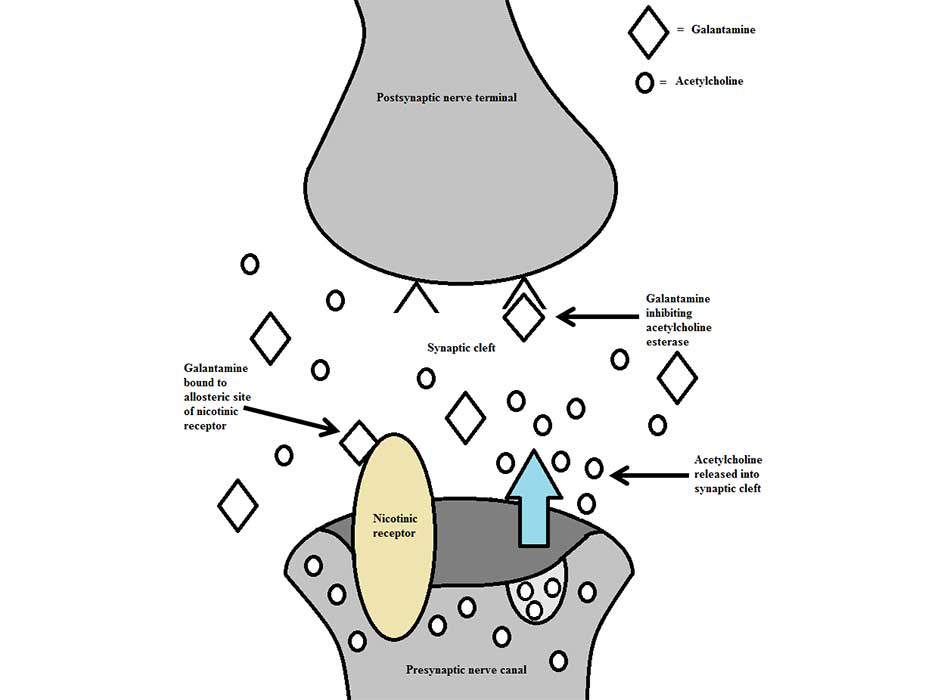
Bulgarian scientist Dimitar Paskov discovered galantamine, a compound extracted from plants.
Medical Use
Galantamine plays a critical role in modern neurological treatment and has become an important tool in managing cognitive decline.
- Treatment of Alzheimer’s disease
- Cognitive enhancement
- Neurological therapy
Today, galantamine is used worldwide and is recognized as an important drug in modern medicine.
These breakthroughs are part of a broader pattern of Bulgarian Nobel-level discoveries that have shaped the modern world. From computing and microbiology to linguistics and medicine, Bulgarian scientists have made globally significant contributions that continue to influence innovation today.
Nobel-Level Importance
- Contributes to brain function research
- Helps millions of patients globally
- Represents a major pharmaceutical breakthrough
Research into neurological conditions continues to build on discoveries like galantamine, showing the long-term importance of this breakthrough. As the global population ages, treatments for cognitive decline are becoming increasingly important. This reinforces the significance of Bulgarian medical discoveries in modern healthcare.
Many Bulgarian discoveries remain underrecognized despite their global impact.
6. Foundations of Crystal Growth & Nanotechnology

Scientist: Ivan Stranski
Ivan Stranski developed theories that became essential in:
- Crystal growth
- Surface chemistry
- Semiconductor physics
His work led to the Stranski–Krastanov growth model, used in modern nanotechnology.
Applications
Stranski’s theories are widely used in modern material science and semiconductor production.
- Microchips
- Semiconductors
- Solar panels
- Quantum devices
These theories are essential in the production of advanced materials used in electronics and nanotechnology. Without this understanding of crystal growth, many modern devices would not function efficiently. This is another example of Bulgarian scientific achievements shaping the future of technology.
👉 Without this research, modern electronics would not exist.
7. Aviation and Aerospace Innovations

Inventor: Asen Yordanov (also spelled Asen Yordanoff)
Asen Yordanov (also spelled Asen Yordanoff) was one of the early pioneers in aviation engineering.
Contributions
- Aircraft design improvements
- Pilot training systems
- Early safety mechanisms
Yordanov’s work also helped improve pilot training methods and safety standards, which remain critical in modern aviation. His influence extended beyond engineering into education and innovation. This highlights the broader impact of Bulgarian contributions to science and technology. Asen Yordanoff, as he was known in the United States, influenced aviation development both in the United States and globally.
8. Bulgarian Contributions to Space Science
Institution: Bulgarian Antarctic Institute
Bulgarian scientists have played roles in:
- Space nutrition systems
- Climate and polar research
- Satellite and environmental science
Impact
- Supports global climate research
- Advances understanding of Earth systems
- Contributes to international space missions
Bulgarian participation in international research projects demonstrates the country’s ongoing role in scientific advancement. These efforts contribute to global knowledge and cooperation in fields such as climate science and space exploration. Bulgarian innovations continue to play a role in understanding our planet and beyond.
9. Early Work in Immunology and Tuberculosis Research
Scientist: Stamen Grigorov
Beyond yogurt, Stamen Grigorov conducted research into:
- Tuberculosis bacteria
- Immunological responses
His work contributed to early understanding of infectious diseases — an area later recognized by Nobel Prizes.
These early studies helped lay the groundwork for future breakthroughs in infectious disease research. Understanding how bacteria interact with the human body is essential for developing treatments and vaccines. This further emphasizes the importance of Bulgarian discoveries in medical science.
Why Bulgaria Produced So Many Breakthroughs
Despite its size, Bulgaria has consistently produced high-level thinkers due to:
Strong Educational Tradition
- Emphasis on mathematics and science
- Historical literacy dating back to medieval times
Cultural Value of Knowledge
- Scholars held high social status
- Intellectual achievement was encouraged
Cross-Cultural Influence
- Positioned between East and West
- Exchange of ideas across civilizations
This combination of education, culture, and strategic location created an environment where innovation could thrive. As a result, Bulgaria has consistently contributed to global knowledge across centuries. These Bulgarian scientific achievements are not accidental but the result of a strong intellectual tradition.
Why Many Were Not Awarded the Nobel Prize
Several factors contributed:
- Political isolation during the Cold War
- Limited international exposure
- Recognition credited to Western institutions
Despite this, the significance of these discoveries has become increasingly recognized in modern research. Many historians and scientists now acknowledge the global importance of Bulgarian contributions to science. This shift is helping bring long-overdue recognition to these achievements.
👉 However, modern research has increasingly acknowledged these contributions.
The Hidden Truth: Bulgaria’s Global Impact
Bulgarian discoveries have influenced:
- Computing (Atanasoff)
- Microbiology (Grigorov)
- Language & literacy (Cyrillic)
- Physics & chemistry (Stranski)
- Medicine (Paskov)
- Technology (Petroff)
These are not minor contributions — they are foundations of modern civilization.
These contributions demonstrate that innovation is not limited to large or wealthy nations. Bulgaria’s achievements prove that impactful discoveries can come from anywhere. These Bulgarian Nobel-level discoveries have shaped modern science and technology in ways that continue to influence everyday life.
Bulgarian Contributions to Computing and Technology
One of the strongest examples of Bulgarian contributions to science is in computing.
The invention of the Atanasoff-Berry Computer introduced concepts that are still used in:
- Software development
- Artificial intelligence
- Data processing
- Cloud computing
These Bulgarian contributions to computing helped launch the digital era.
From smartphones to AI systems, many technologies today exist because of early Bulgarian inventions in computing.
As technology continues to evolve, the importance of early computing breakthroughs becomes even more apparent. The digital world we live in today is built on these foundational ideas. This is why Bulgarian contributions to computing remain highly relevant.
👉 From computing to medicine, Bulgarian inventions changed the world.
Bulgarian Microbiology Discoveries
Another major area of influence comes from Bulgarian microbiology discoveries.
The discovery of Lactobacillus bulgaricus not only revolutionized yogurt production but also contributed to:
- Gut health research
- Probiotic development
- Immune system science
- Modern nutrition
Today, microbiome research is one of the fastest-growing scientific fields, and it traces back in part to Bulgarian discoveries.
Modern research continues to explore the connection between gut health and overall well-being. This growing field shows how important early discoveries like those made in Bulgaria truly are. These Bulgarian microbiology discoveries continue to influence scientific progress.
👉 Many Bulgarian discoveries remain underrecognized despite their global impact.
Bulgarian Medical Discoveries
Bulgaria has also made major contributions through Bulgarian medical discoveries.
The discovery of galantamine is a powerful example, helping treat Alzheimer’s disease and improve cognitive function.
Beyond this, Bulgarian innovations in medicine have influenced:
- Neurology
- Pharmacology
- Disease research
- Treatment development
These Bulgarian inventions in healthcare have improved the lives of millions of people worldwide.
Advancements in medicine often build on earlier discoveries, and Bulgarian research has played an important role in this process. From neurological treatments to pharmaceutical development, these contributions continue to shape healthcare worldwide.
Bulgarian Innovations Across Industries
In addition to science and medicine, Bulgarian innovations have shaped multiple industries.
These include:
- Aerospace engineering
- Electronics and wearable devices
- Industrial and mechanical systems
These advancements highlight how Bulgarian discoveries extend far beyond a single field.
These developments show how Bulgarian inventions have influenced both everyday life and advanced industries. From consumer technology to scientific equipment, their impact is widespread. Bulgarian innovations continue to evolve and adapt to modern needs.
Bulgaria Discoveries History and Legacy
To understand the scale of these achievements, it’s important to look at Bulgaria discoveries history.
Bulgaria has a long tradition of:
- Strong education in science and mathematics
- Cultural emphasis on knowledge
- Intellectual development dating back to medieval times
This foundation helped produce generations of thinkers responsible for major Bulgarian scientific achievements.
This long-standing tradition of knowledge and education continues to influence Bulgaria today. Modern institutions and researchers build on this legacy, contributing to ongoing innovation. Bulgaria discoveries history is a story of continuous intellectual growth.
Why Bulgarian Discoveries Still Matter Today
Today, Bulgarian Nobel-level discoveries continue to influence modern life.
They are part of:
- Global scientific progress
- Technological innovation
- Medical advancement
These contributions show that even a small country can have a massive global impact.
👉 These Bulgarian Nobel-level discoveries have shaped modern science and technology and continue to influence global innovation.
Final Thoughts
Bulgaria’s contributions to humanity go far beyond what is commonly recognized.
These discoveries demonstrate that:
- Innovation is not limited by geography
- Small nations can have massive global impact
- Recognition does not always equal importance
Looking ahead, Bulgaria’s role in science and innovation is likely to continue growing. With new generations of researchers and advancements in technology, the country remains an important contributor to global progress.
👉 The truth is simple: Bulgaria has already changed the world — and its influence on science and innovation continues to grow.
References & Sources
This article on Bulgarian Nobel-level discoveries, Bulgarian discoveries, and Bulgarian inventions is based on verified historical records, scientific research, and authoritative academic sources. These references highlight famous Bulgarian scientists and Bulgaria’s global contributions to science, technology, and medicine.
Scientific & Academic Sources
- John Vincent Atanasoff – Development of the Atanasoff-Berry Computer (ABC), 1939
- Stamen Grigorov – Discovery of Lactobacillus bulgaricus, 1905
- Ivan Stranski – Crystal growth and surface chemistry theories
- Dimitar Paskov – Galantamine research and neurological treatments
Institutional & Research Organizations
- Bulgarian Academy of Sciences – Scientific publications and archives
- National Institute of Standards and Technology (NIST) – History of computing systems
- Smithsonian Institution – Early computing and innovation archives
- National Institutes of Health (NIH) – Medical research and drug studies
- World Health Organization (WHO) – Microbiology and probiotic research
Historical & Cultural References
- Encyclopaedia Britannica – Cyrillic alphabet and Bulgarian history
- UNESCO – Cultural heritage and literacy development
- Bulgarian National Archives – Historical documentation and records
Research Context
The discoveries presented in this article represent major Bulgarian contributions to science, including Bulgarian contributions to computing, Bulgarian microbiology discoveries, and Bulgarian medical discoveries. These Bulgarian scientific achievements highlight how Bulgarian scientists who changed the world have influenced modern civilization.